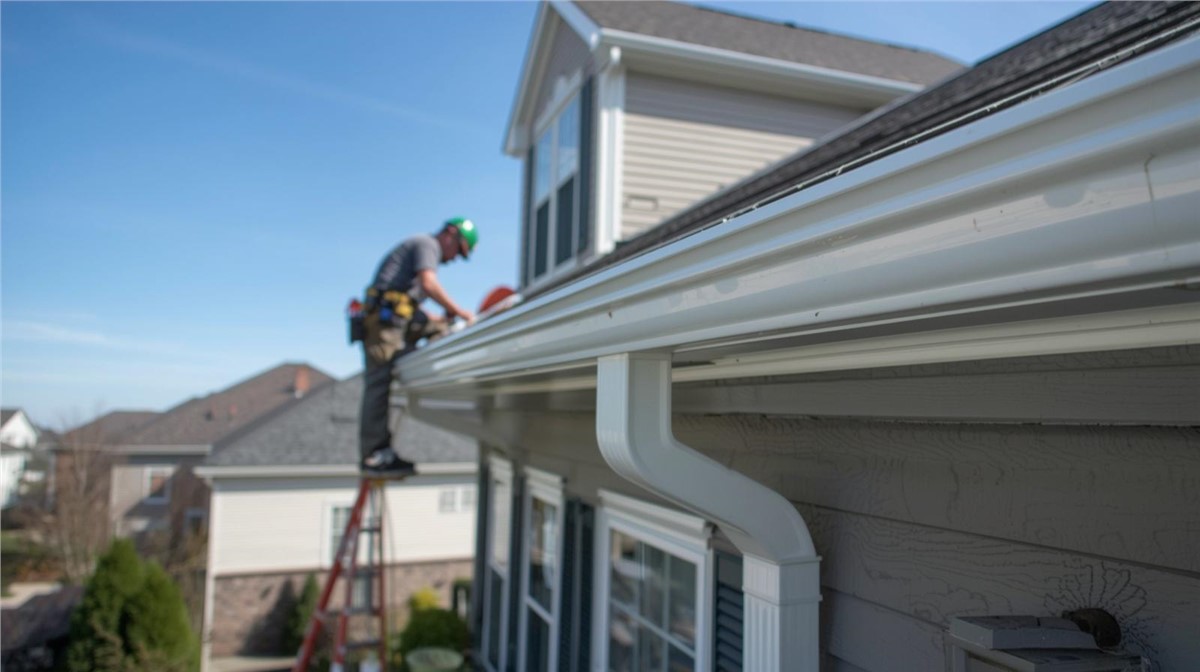
Gutters play a major role in protecting your home from water damage. They collect rainwater from the roof and direct it away from siding, trim, landscaping, walkways, and the foundation.
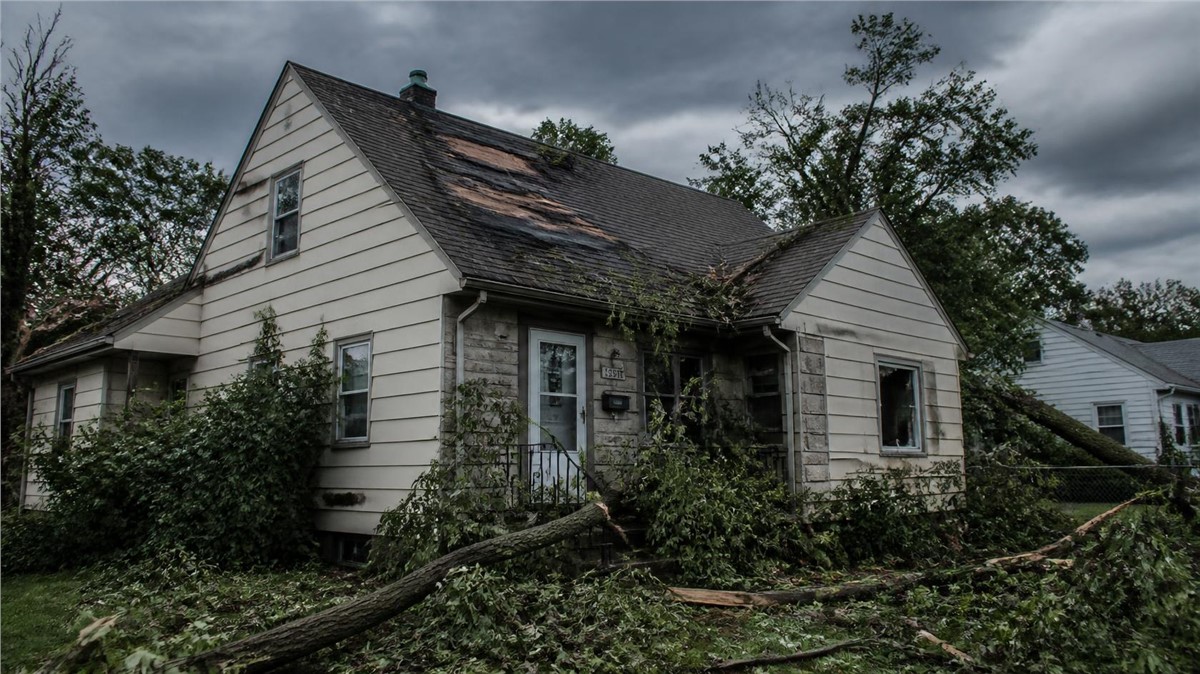
After storms in Roscoe, IL, gutters can take a lot of damage. Hail can dent metal sections. Wind can loosen fasteners. Heavy rain can reveal clogs or poor drainage. Fallen branches and debris can block water flow. In winter, snow and ice can add weight and pull gutters away from the home.
Knowing what to look for after storms can help homeowners catch gutter problems early before they lead to larger exterior repairs.
Why Gutter Problems Matter After Storms
A damaged gutter system can cause water to go where it should not. Instead of moving away from the house, water may spill over the edge, run behind the gutter, collect near the foundation, or flow down siding.
Storm-related gutter problems may lead to:
- Foundation moisture
- Basement water concerns
- Siding stains
- Fascia and soffit damage
- Roof edge problems
- Landscape erosion
- Water near entryways
- Ice buildup in winter
- Mold or mildew concerns
- Higher repair costs later
In Roscoe, Midwest weather can make these problems worse quickly, especially when heavy rain is followed by freezing temperatures.
Sagging or Pulling Gutters
One of the most obvious signs of gutter damage is sagging. Gutters may pull away from the fascia after heavy rain, wind, snow, ice, or debris buildup.
Look for:
- Gaps between the gutter and fascia
- Sections hanging lower than others
- Loose brackets or fasteners
- Gutters tilted away from the home
- Water spilling behind the gutter
- Fascia boards that look soft or damaged
Sagging gutters should be inspected quickly because they may no longer drain water correctly.
Leaks at Seams or Corners
Storms can expose leaks in gutter seams, corners, and end caps. During heavy rain, you may see water dripping or pouring from areas where gutter sections connect.
Common leak signs include:
- Water dripping from seams
- Stains below gutter corners
- Wet siding under the gutter line
- Soil erosion below leak points
- Water marks on fascia or trim
Small gutter leaks can become larger if the system continues to shift or if trapped water freezes during winter.
Dented Gutters After Hail
Hail can leave dents in gutters, downspouts, metal trim, roof vents, and other exterior surfaces. Dents may seem cosmetic, but they can also affect water flow or point to broader storm damage.
After hail, check for:
- Dents along gutter runs
- Dents on downspouts
- Damage to gutter guards
- Granules near downspouts
- Cracked siding
- Torn window screens
- Damaged roof vents
If gutters show hail impact, the roof and siding should also be inspected.
Clogged Gutters and Downspouts
Storms can fill gutters with leaves, branches, roof granules, and debris. When gutters clog, water may overflow and run down the side of the home.
Clog warning signs include:
- Water spilling over the front edge
- Water not coming out of downspouts
- Plants or debris visible in gutters
- Granules collecting near downspout openings
- Gutters overflowing during moderate rain
- Water pooling near the home
Downspouts should be checked too. A gutter may look clear, but a blocked downspout can still stop water from draining.
Loose or Disconnected Downspouts
Downspouts are responsible for moving water away from the foundation. After storms, they can become loose, dented, clogged, or disconnected.
Check whether downspouts are:
- Firmly attached to the home
- Connected to the gutter outlet
- Draining away from the foundation
- Free of dents or blockages
- Not dumping water near walkways
- Not sending water toward basement walls
A downspout that drains too close to the home can create moisture issues even if the gutter itself is working.
Water Pooling Near the Foundation
One of the most important signs of gutter trouble is water pooling near the foundation. This may happen if gutters overflow, downspouts are too short, or drainage is poor.
Watch for:
- Standing water after rain
- Soil erosion near the home
- Mulch washing away
- Water near basement windows
- Damp basement areas
- Cracks or settling near drainage paths
Gutters should move water away from the home, not concentrate it near the foundation.
Fascia and Soffit Damage
Gutters attach to fascia, and the soffit sits nearby under the roof edge. When gutters leak, sag, or overflow, fascia and soffit can become damaged.
Signs include:
- Soft or rotted fascia
- Peeling paint
- Water stains
- Loose gutter fasteners
- Mold or mildew near roof edges
- Soffit discoloration
- Gaps behind the gutter
If fascia damage is present, gutter repair may not be enough. The damaged material may need to be repaired before the gutter system is secured properly.
Roof and Siding Problems Connected to Gutters
Gutter problems often affect other parts of the home exterior. Overflowing gutters can stain siding, damage trim, and contribute to roof edge issues.
A storm-related exterior inspection should include:
- Gutters and downspouts
- Roofing
- Siding
- Fascia and soffit
- Windows and trim
- Foundation drainage
- Storm-damaged areas
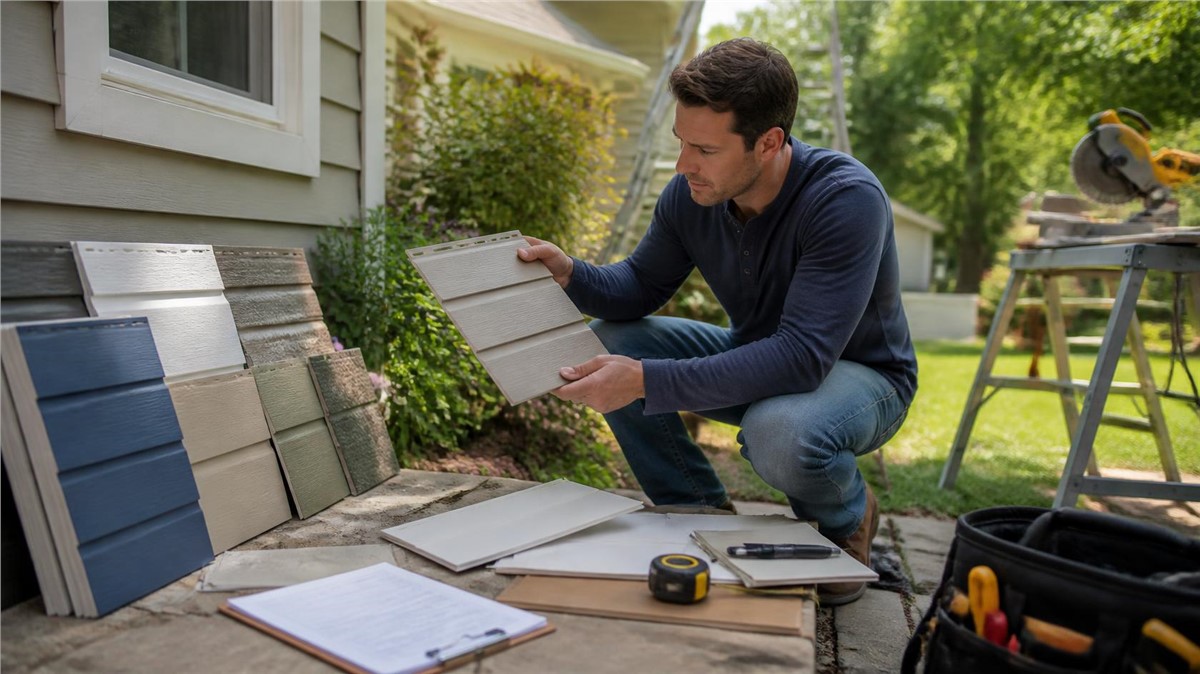
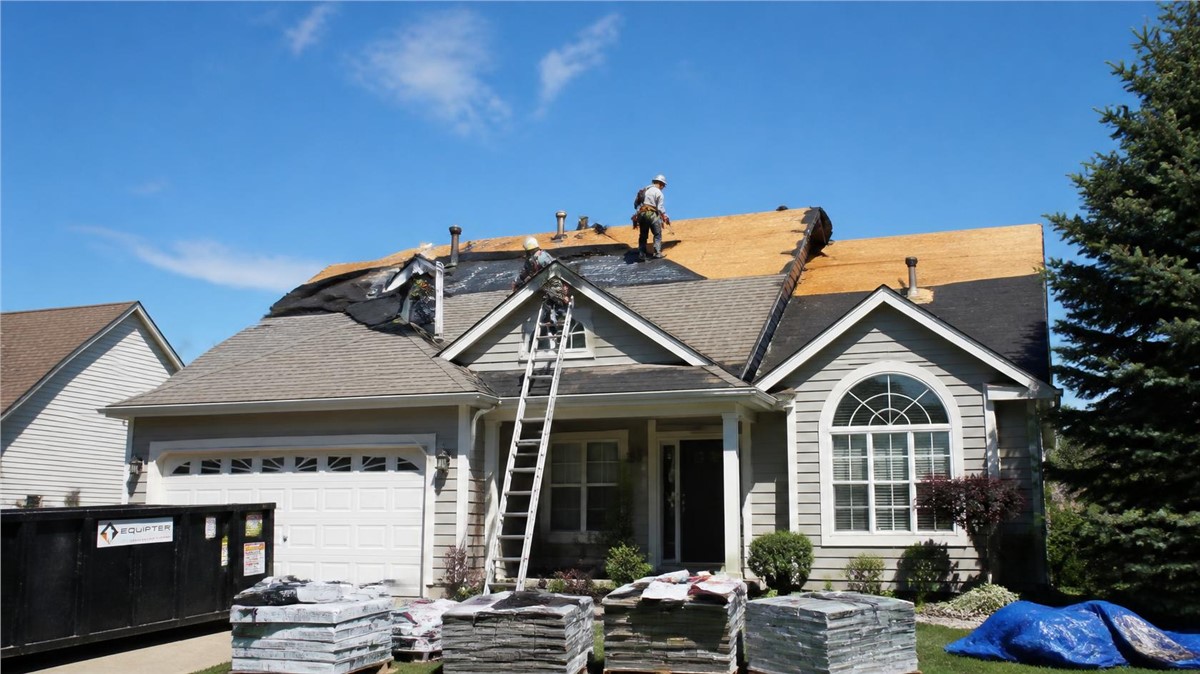
Huskie Exteriors provides roofing, siding, window, gutter, and storm damage restoration services, helping homeowners evaluate the full exterior system after severe weather.
Winter Storms and Ice Concerns
Gutter problems are not limited to warm-weather storms. In Roscoe, snow and ice can create serious strain on gutters.
Winter-related gutter concerns include:
- Ice buildup inside gutters
- Icicles along roof edges
- Frozen downspouts
- Gutters pulling away from fascia
- Water backup near roof edges
- Ice near walkways
- Overflow during thawing
Freeze-thaw cycles can make small gutter leaks or loose sections worse over time.
Repair vs Replacement: How to Decide
Some gutter problems can be repaired, while others may call for replacement.
Gutter repair may be enough if:
- One section is loose
- A minor seam is leaking
- A downspout needs reattachment
- Debris needs to be cleared
- The gutter system is still in good condition overall
Gutter replacement may be better if:
- Gutters are sagging throughout the home
- Leaks appear in multiple areas
- Sections are rusted, cracked, or badly dented
- Fasteners keep coming loose
- Water regularly overflows
- Fascia damage is present
- The system is undersized or poorly draining
A professional inspection can help determine the best next step.
What Homeowners Should Do After a Storm
After a storm, start with a safe ground-level check. Do not climb ladders during wet, windy, or icy conditions.
Helpful steps include:
- Walk around the home
- Look for dents, sagging, or leaks
- Check downspout connections
- Look for water pooling near the foundation
- Note interior moisture or basement concerns
- Take photos of visible damage
- Schedule a professional inspection if needed
If gutters were damaged by hail, wind, debris, snow, or ice, the roof and siding should also be checked.
Why Local Exterior Experience Matters
A local contractor understands how northern Illinois weather affects gutters and the full exterior system. In Roscoe, IL, gutters need to handle heavy rain, hail, wind, falling debris, snow, ice, and freeze-thaw cycles.
Local experience helps homeowners identify whether the issue is simple gutter maintenance, storm damage, drainage failure, or part of a larger exterior problem.
Conclusion
Gutter problems after storms in Roscoe, IL should be taken seriously. Sagging gutters, leaks, dents, clogs, loose downspouts, fascia damage, and water near the foundation can all lead to bigger home exterior problems if ignored.
If your gutters are overflowing, leaking, pulling away, dented, or no longer draining properly after a storm, Huskie Exteriors can inspect your home and recommend the right next step.
Contact Huskie Exteriors for professional roofing, siding, window, gutter, and storm damage services in Illinois and Wisconsin.
Subscribe to Huskie Exteriors's Blog







Comments