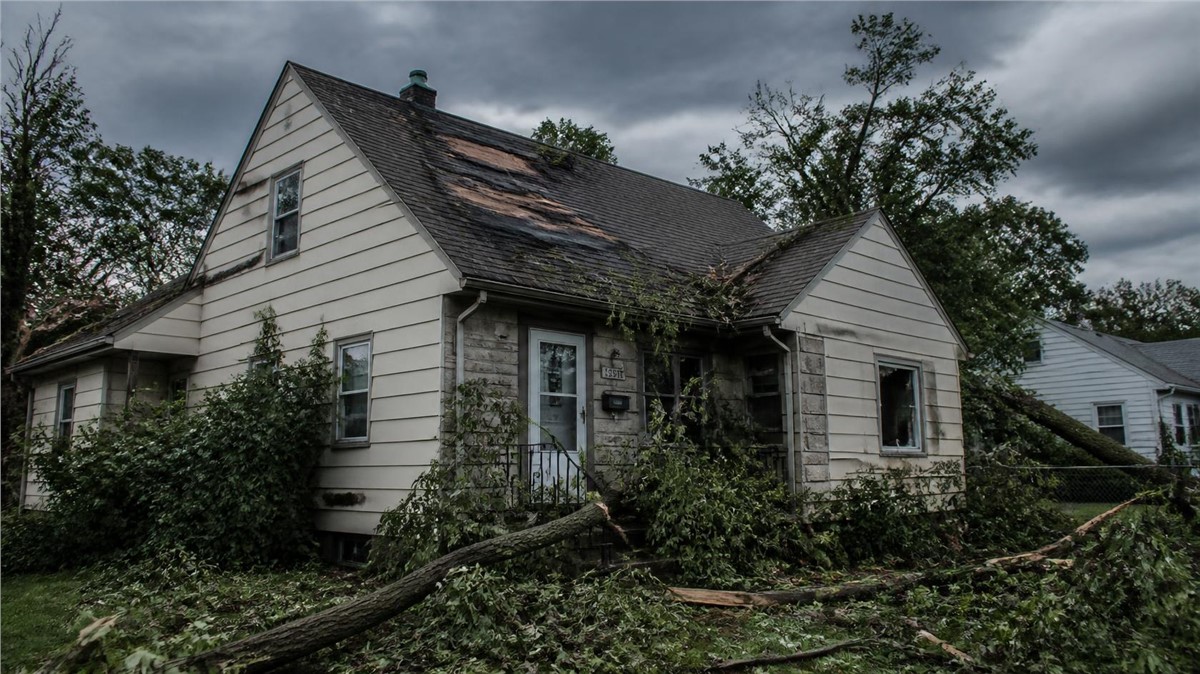
Older homes often have character, established neighborhoods, and exterior details that newer homes may not have. But older materials can also be more vulnerable during storms. A strong wind event, hailstorm, heavy rain, or winter freeze-thaw cycle can damage roofing, siding, gutters, windows, fascia, soffit, and trim.
For homeowners in New Berlin, WI, storm damage repair should look beyond the obvious damage. A missing shingle, cracked siding panel, leaking gutter, or wet window trim may be connected to older materials, previous repairs, hidden moisture, or worn flashing.
This guide explains what owners of older homes should know after storm damage and how to plan the right repair approach.
Why Older Homes Need Careful Storm Inspections
Older homes may have layers of past repairs, aging materials, older flashing details, outdated ventilation, or previous moisture issues. After a storm, it is important to separate new damage from long-term wear.
A careful inspection can help identify:
- Fresh storm damage
- Existing wear
- Hidden moisture
- Loose materials
- Aging roof areas
- Cracked siding
- Window leaks
- Gutter damage
- Trim deterioration
- Repair vs replacement needs
This helps homeowners avoid temporary fixes that do not address the full problem.
Common Storm Damage on Older Roofs
The roof is often the first area homeowners check after severe weather. Older roofs may be more likely to lose shingles, leak around flashing, or show granule loss after storms.
Common roof concerns include:
- Missing shingles
- Lifted shingles
- Cracked shingles
- Damaged ridge caps
- Loose flashing
- Granules near downspouts
- Roof valley damage
- Leaks around vents
- Moisture in the attic
- Ceiling stains
Even if the roof looks mostly intact from the ground, wind-lifted shingles or flashing gaps may still create leak risks.
Hail Damage on Older Materials
Hail can damage roofing, siding, gutters, fascia, and trim. Older materials may crack or dent more easily because they have already been exposed to years of sun, cold, rain, and seasonal movement.
Hail damage may appear as:
- Cracked siding
- Holes or punctures
- Dented gutters
- Dented downspouts
- Bruised shingles
- Damaged vents
- Broken trim
- Chipped paint
- Torn screens
If hail hits an older exterior, a full inspection is important because damage can appear on multiple sides of the home.
Wind Damage Warning Signs
High winds can loosen aging materials and expose weak fasteners, seams, and edges. Older siding, roof shingles, gutters, and trim may not hold as firmly during severe wind.
Look for:
- Shingles in the yard
- Loose siding panels
- Rattling exterior materials
- Gutters pulling away
- Bent downspouts
- Missing trim pieces
- Loose soffit panels
- Branches or debris on the roof
- Water stains after wind-driven rain
Wind damage should be inspected before the next storm makes the problem worse.
Heavy Rain and Water Intrusion
Older homes may have worn flashing, aging caulking, older windows, or drainage issues that become obvious during heavy rain. Storm water can enter around roof edges, siding seams, windows, doors, chimneys, and gutters.
Water intrusion may show up as:
- Ceiling stains
- Damp drywall
- Wet attic insulation
- Water near windows
- Soft trim
- Peeling paint
- Musty odors
- Basement moisture
- Dark streaks on siding
Water damage can spread behind finished surfaces, so visible stains should not be ignored.
Gutters and Downspouts on Older Homes
Gutters protect the roof edge, siding, foundation, and landscaping. On older homes, gutters may be undersized, clogged, sagging, leaking, or poorly pitched.
Storm-related gutter issues include:
- Overflow during rain
- Leaking seams
- Sagging sections
- Loose hangers
- Water behind gutters
- Bent downspouts
- Short extensions
- Ice damage
- Foundation pooling
If gutters are not draining properly, repairs should include the full water path from roof edge to ground.
Siding Damage on Older Homes
Older siding may have fading, brittleness, loose panels, previous repairs, or hidden moisture concerns. Storms can make these problems more visible.
Siding damage may include:
- Cracked panels
- Loose siding
- Open seams
- Warping
- Impact marks
- Broken corners
- Stains below gutters
- Moisture near windows
- Gaps around trim
Repair may be possible if damage is isolated, but widespread cracking or brittle siding may point to replacement.
Window and Door Vulnerabilities
Windows and doors are common weak points on older homes. Storm-driven rain can enter through failed caulking, old trim, cracked frames, or poor flashing.
Check around windows and doors for:
- Water on sills
- Stains below windows
- Drafts
- Fogging between panes
- Soft trim
- Peeling paint
- Loose exterior trim
- Cracked caulking
- Damp drywall
If window leaks appear after a storm, the surrounding siding and flashing should also be inspected.
Fascia and Soffit Damage
Fascia and soffit areas are important because they protect roof edges and help finish the exterior. Older fascia may already be soft or weathered before a storm adds more stress.
Warning signs include:
- Loose soffit panels
- Soft fascia boards
- Peeling paint
- Water stains
- Sagging gutters
- Pest entry points
- Gaps near roof edges
- Dark streaks under eaves
If gutters are pulling away, fascia damage may need to be repaired first.
Flashing Problems
Flashing is one of the most important parts of storm protection. It helps direct water away from roof transitions, walls, chimneys, vents, skylights, and other openings.
Older flashing may show:
- Rust
- Loose edges
- Cracked sealant
- Open gaps
- Poor past repairs
- Water stains nearby
- Leaks after rain
- Separation at wall transitions
Flashing problems are often responsible for leaks that appear after storms.
Why Hidden Damage Matters
Older homes may have hidden damage behind siding, under shingles, around windows, or near roof edges. Storm damage can make these hidden issues worse.
Hidden damage may include:
- Wet insulation
- Soft decking
- Rotted trim
- Damaged sheathing
- Moisture behind siding
- Attic condensation
- Mold or mildew concerns
- Structural wood deterioration
A surface repair may not be enough if hidden moisture is present.
What Homeowners Can Check Safely
Homeowners should avoid climbing onto roofs or using ladders after storms. A ground-level inspection can still reveal important warning signs.
Safely check for:
- Missing shingles
- Loose siding
- Dented gutters
- Downspout damage
- Water stains
- Debris on the roof
- Shingle granules near downspouts
- Window leaks
- Ceiling stains
- Attic moisture if safely accessible
Take photos of anything unusual before cleanup.
What to Document After Storm Damage
Documentation is helpful for repair planning and insurance questions.
Helpful records include:
- Storm date
- Photos of exterior damage
- Photos of interior leaks
- Notes about when water appeared
- Photos of missing shingles
- Photos of gutter or siding damage
- Previous repair records
- Contractor inspection findings
- Temporary repair receipts
If storm damage may involve insurance, homeowners should contact their insurance provider for policy-specific guidance.
Temporary Repairs for Older Homes
Temporary repairs may be needed if water is entering the home or exterior materials are exposed. However, temporary work should not replace a full inspection.
Temporary steps may include:
- Moving belongings away from leaks
- Catching dripping water if safe
- Protecting floors
- Redirecting downspouts
- Covering exposed areas if safe
- Avoiding wet electrical areas
- Taking photos before cleanup
Permanent repairs should address the source of the problem, not only the visible leak.
Repair vs Replacement
Older homes often require a careful decision between repair and replacement. Sometimes a targeted repair is enough. Other times, the storm reveals that the system was already near the end of its life.
Repair may make sense if:
- Damage is isolated
- Materials are still in good condition
- Matching materials are available
- No hidden moisture is present
- Flashing can be corrected
- Gutters can be resecured
- The roof or siding has useful life remaining
Replacement may be better if:
- Damage is widespread
- Materials are brittle or failing
- Leaks keep returning
- Repairs would not match
- Moisture is behind siding
- Decking or trim is damaged
- The exterior has repeated maintenance problems
A professional inspection can help determine the best scope.
Matching Older Materials
One challenge with older homes is matching existing materials. Older shingles, siding colors, trim profiles, or window styles may no longer be available.
Matching concerns may include:
- Faded siding color
- Discontinued shingles
- Older trim profiles
- Different panel textures
- Partial repairs that stand out
- Aged materials next to new materials
If matching is difficult, homeowners may need to compare partial repair with larger replacement.
Insurance Considerations
Storm damage on older homes can involve both storm-related damage and pre-existing wear. Homeowners should contact their insurance provider to understand coverage, deductibles, deadlines, documentation requirements, and claim steps.
Helpful documentation may include:
- Storm date notes
- Photos of new damage
- Interior leak photos
- Contractor inspection findings
- Maintenance records
- Temporary repair receipts
- Repair estimates
Every policy is different, so insurance guidance should come directly from the provider.
What Should Be Included in a Storm Damage Inspection?
A storm damage inspection for an older home should review the full exterior system, not just the most visible damage.
A contractor may check:
- Roofing
- Flashing
- Gutters and downspouts
- Siding and trim
- Windows and doors
- Fascia and soffit
- Attic moisture
- Interior stains
- Foundation drainage
- Storm-facing walls
- Previous repair areas
This helps homeowners understand whether damage is isolated or connected to older exterior wear.
Why a Full Exterior Inspection Helps
Storm damage repair for older homes should take the full exterior into account. Roofing, siding, windows, gutters, fascia, soffit, flashing, trim, attic ventilation, and drainage all work together to protect the home from weather.
A full exterior inspection may include:
- Roofing and roof edges
- Siding and trim
- Gutters and downspouts
- Windows and doors
- Flashing
- Fascia and soffit
- Attic and interior moisture signs
- Foundation drainage
- Storm damage areas
Huskie Exteriors provides roofing, siding, window, gutter, and storm damage restoration services, helping homeowners evaluate the full exterior after storm damage.
Why Local Exterior Experience Matters
A local contractor understands how Wisconsin weather affects older homes. In New Berlin, WI, homes need exterior systems that can handle wind, hail, heavy rain, snow, ice, humidity, sun exposure, and freeze-thaw cycles.
Local experience helps homeowners determine whether damage is caused by a recent storm, aging materials, poor drainage, flashing failure, previous repairs, hidden moisture, or normal wear over time.
Conclusion
Storm damage repair for older homes in New Berlin, WI should be handled with care because storms can expose existing weaknesses in roofing, siding, windows, gutters, fascia, soffit, flashing, and trim. Warning signs like leaks, missing shingles, loose siding, gutter damage, window moisture, and interior stains should be inspected before small problems become larger repairs.
If your older home has storm damage, roof leaks, siding cracks, gutter problems, window leaks, fascia damage, or hidden moisture concerns, Huskie Exteriors can inspect your exterior and recommend the right next step.
Contact Huskie Exteriors for professional roofing, siding, window, gutter, and storm damage services in Illinois and Wisconsin.
Subscribe to Huskie Exteriors's Blog





Comments