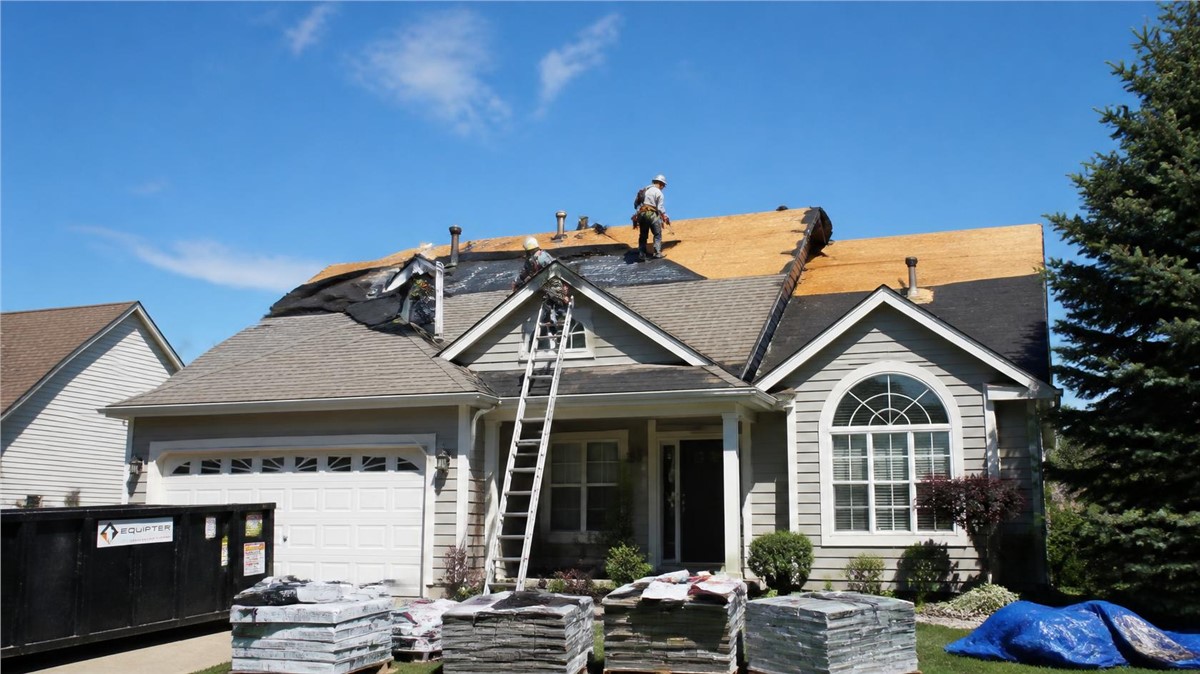
Roof replacement is a major home exterior project. It protects the home from rain, wind, snow, ice, hail, sun exposure, and freeze-thaw cycles. Because roofing affects safety, water protection, ventilation, and building performance, homeowners should understand whether a permit is needed before work starts.
For homeowners in Kenosha, WI, permit requirements can depend on whether the home is within the City of Kenosha or another local municipality in Kenosha County. The City of Kenosha’s roof permit form provides important guidance for roof work, while Kenosha County’s residential permit information reminds property owners to check with the local building inspector when local building permits may still apply.
This guide explains what homeowners should know before planning roof replacement or roof repair.
Why Permits Matter for Roof Work
A permit helps create a record that certain work was reviewed through the local building process. For roofing, this can matter because roof work may involve materials, fastening, ventilation, decking, flashing, roof edges, and moisture protection.
Permits may help with:
- Local code compliance
- Property records
- Inspection requirements
- Contractor accountability
- Documentation for future sale
- Storm damage records
- Insurance-related documentation
- Avoiding penalties when a permit is required
The City of Kenosha roof permit application states that if work is started without first obtaining a required permit, a penalty fee will be charged under the city’s ordinance reference.
Does Every Roof Project Need a Permit in Kenosha?
Not every roof project is treated the same. A small repair, simple reshingling project, full replacement, commercial roof project, multi-family roof project, or roof project involving structural work may have different requirements.
The City of Kenosha roof permit form specifically states: “A permit is not needed for reshingling only on a one- or two-family dwelling.”
That line is important, but homeowners should not assume every roofing project falls under “reshingling only.” If the project includes decking replacement, roof structure changes, material changes, major storm damage, commercial work, multi-family work, or related exterior repairs, it is wise to confirm the requirement before starting.
City of Kenosha vs. Kenosha County
Kenosha, WI can refer to the City of Kenosha or the broader county area. Permit rules may differ based on the local jurisdiction.
Kenosha County’s residential permit page states that zoning permits are required for certain structures or alterations in specific unincorporated towns, including Brighton, Paris, Randall, Somers, and Wheatland. The same page also reminds property owners to always check with the local building inspector because local building permits may still be required.
For homeowners, this means the first step is confirming the correct permit authority for the property address.
What the City Roof Permit Form Includes
The City of Kenosha roof permit application asks for basic project and contact information, including the project address, property owner, contractor, estimated cost, contractor email, and whether the property is one-family, two-family, multi-family, or commercial.
This type of information helps the city identify:
- Where the work is happening
- Who owns the property
- Who is performing the work
- What type of building is involved
- The estimated project cost
- Whether the project is residential, multi-family, or commercial
Homeowners should make sure the information is accurate before submission.
Permit Fees Listed on the City Form
The City of Kenosha roof permit form lists a residential roof permit fee of $60.00 and a commercial roof permit fee of $180.00, with the commercial fee shown as a $120.00 building permit fee plus a $60.00 building plan review fee.
Fees can change over time, so homeowners should confirm the current amount with the City of Kenosha Department of City Inspections before relying on older copies, saved forms, or third-party information.
Commercial and Multi-Family Roof Projects
Commercial and multi-family roof projects often require more documentation than basic residential work. The City of Kenosha roof permit form says commercial or multi-family projects must submit two full-size sets of plans and one smaller plan set sized either 8 1/2 by 11 inches or 11 by 17 inches.
Commercial and multi-family roof planning may also involve:
- Plan review
- Roof system details
- Drainage review
- Rooftop equipment details
- Fire or code considerations
- Tenant and access planning
- Safety staging
- Scheduling coordination
Property owners should clarify plan requirements early to avoid delays.
Contractor Licensing for One- and Two-Family Dwellings
The City of Kenosha roof permit form states that a general contractor performing work on a one- or two-family dwelling must have two credentials: a Dwelling Contractor Certification and a Dwelling Contractor Qualifier Certification. The form also notes that licensing is not required for commercial projects.
Wisconsin DSPS information also states that, under SPS 305.31, a person may not obtain a building permit for a one- or two-family dwelling unless they meet the listed dwelling contractor certification requirements, including holding or engaging someone who holds the Dwelling Contractor Qualifier certification.
Homeowners should ask contractors for current credential information before signing.
What If the Homeowner Pulls the Permit?
The City of Kenosha roof permit form includes a note for property owners. It says that if the property owner is listed as the general contractor, a license is not required, but the attached cautionary statement must be signed.
This is an important detail. Homeowners who pull their own permit may take on responsibilities that would otherwise be handled by a contractor. Before doing this, homeowners should understand the project scope, safety risks, code requirements, and documentation obligations.
Why Starting Without a Required Permit Can Be a Problem
Starting roof work without a required permit can create avoidable issues. The City of Kenosha form says a penalty fee will be charged if work is started without first obtaining a required permit.
Beyond penalties, missing permits may create problems with:
- Inspections
- Property records
- Future home sale questions
- Contractor accountability
- Insurance documentation
- Code compliance concerns
- Hidden repair approval
Before work begins, homeowners should ask the contractor who will confirm permit requirements and who will handle the application if one is required.
Permit Questions to Ask Before Roof Replacement
Before signing a roof replacement agreement, homeowners should ask clear permit questions.
Helpful questions include:
- Does this project require a permit?
- Is this considered reshingling only?
- Will decking be replaced if damaged?
- Will flashing or ventilation work be included?
- Who is responsible for the permit?
- Will the permit be listed under the contractor or homeowner?
- Are contractor credentials current?
- Will inspections be needed?
- What happens if hidden damage is found?
- Will the permit record be closed properly?
These questions help avoid confusion after work begins.
Reshingling vs. Roof Replacement
The phrase “reshingling only” can be different from a more involved roof replacement. Reshingling may refer to replacing shingles without larger structural or system changes, but homeowners should confirm how the city interprets their specific project. The City of Kenosha’s form says a permit is not needed for reshingling only on a one- or two-family dwelling.
A roof project may go beyond simple reshingling if it includes:
- Decking replacement
- Structural repairs
- Changing roofing materials
- Major storm repairs
- Ventilation changes
- Roofline changes
- Commercial or multi-family work
- Significant flashing reconstruction
When in doubt, check before work starts.
Storm Damage and Permit Planning
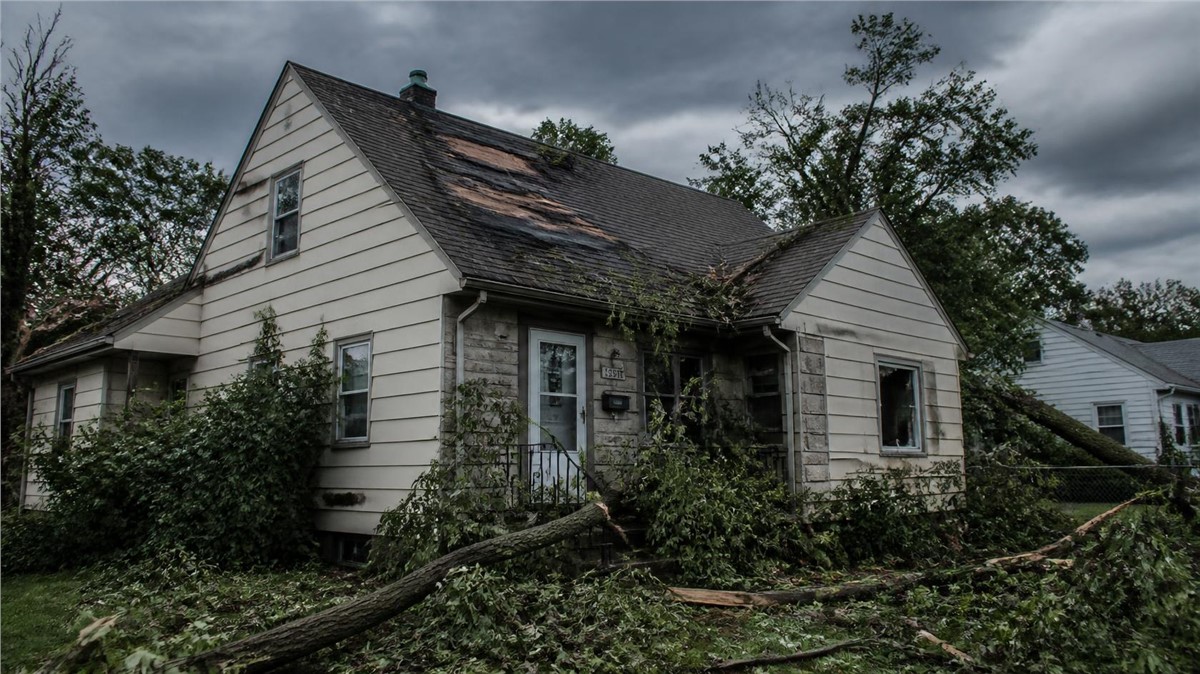
After wind, hail, or heavy rain, roof work may start as an emergency repair but turn into a larger replacement project. If storm damage is involved, homeowners should document the damage and confirm permit needs before permanent work begins.
Storm damage documentation may include:
- Date of the storm
- Photos of missing shingles
- Photos of hail impact
- Interior leak photos
- Contractor inspection findings
- Temporary repair receipts
- Insurance provider communication
- Permit records if applicable
If insurance is involved, homeowners should contact their insurance provider for policy-specific guidance.
Roof Decking and Hidden Damage
Sometimes roof decking damage is not visible until old shingles are removed. If the project changes from basic reshingling to decking repair or more extensive work, homeowners should ask whether permit requirements or inspection steps change.
Hidden damage may include:
- Soft decking
- Rotted wood
- Wet insulation
- Water stains
- Mold or mildew concerns
- Damaged flashing
- Poor ventilation
- Structural concerns
A clear contractor agreement should explain how hidden damage will be documented and approved.
Why Roofing Permits and Contractor Quality Go Together
A permit does not guarantee perfect workmanship, but it is part of a responsible process when a permit is required. Homeowners should still evaluate contractor experience, materials, warranties, communication, and inspection practices.
A reliable roofing contractor should be able to explain:
- Permit requirements
- Material options
- Tear-off details
- Flashing work
- Ventilation needs
- Decking repair process
- Cleanup
- Warranty details
- Timeline
- Final documentation
The goal is to protect the home, not just complete the roof quickly.
How Roofing Connects to Other Exterior Systems
A roof replacement often affects more than shingles. Gutters, fascia, soffit, siding, flashing, attic ventilation, skylights, chimneys, and roof vents may all be connected to roof performance.
During planning, homeowners should review:
- Gutters and downspouts
- Fascia and soffit
- Flashing
- Roof vents
- Pipe boots
- Skylights
- Chimney areas
- Siding near rooflines
- Attic ventilation
- Interior moisture signs
This helps make sure the new roof works with the full exterior system.
What Should Be Included in a Roof Replacement Estimate?
A strong estimate should be clear about the project scope, especially if permit questions are involved.
A roof replacement estimate may include:
- Tear-off details
- Shingle or roof material type
- Underlayment
- Ice and water protection
- Flashing
- Roof ventilation
- Drip edge
- Decking replacement pricing
- Cleanup and disposal
- Warranty details
- Permit responsibility if required
Homeowners should avoid vague estimates that do not explain what is included.
What Homeowners Should Confirm Before Work Starts
Before the roofing crew arrives, homeowners should confirm key details.
Important items include:
- Permit status if required
- Contractor credentials
- Project start date
- Material color and type
- Dumpster placement
- Driveway access
- Landscaping protection
- Interior attic protection if needed
- Weather delay plan
- Communication contact
These details help the project run more smoothly.
Common Permit Mistakes to Avoid
Permit confusion can delay a project or create issues after the work is complete.
Homeowners should avoid:
- Assuming no permit is needed
- Assuming the contractor handled it without proof
- Pulling a homeowner permit without understanding responsibility
- Ignoring commercial or multi-family plan requirements
- Starting work before a required permit is issued
- Not documenting storm damage
- Not asking about inspections
- Not keeping permit paperwork
A few early questions can prevent bigger problems later.
Repair vs. Replacement
Permit requirements may also depend on whether the project is a repair, reshingling, or a larger replacement. Homeowners should clarify the project scope before assuming which category applies.
Repair may make sense if:
- Damage is isolated
- A few shingles are missing
- One flashing area failed
- One vent or pipe boot is damaged
- No widespread decking damage is present
- The roof is otherwise performing well
Replacement may be better if:
- Shingles are failing throughout
- Leaks keep returning
- Storm damage is widespread
- Decking is damaged
- Repairs no longer last
- The roof is near the end of its service life
A professional inspection can help determine the right next step.
What Should Be Included in a Roof Inspection?
A roof inspection before replacement should review the roof and related exterior systems.
A contractor may check:
- Shingles
- Flashing
- Roof valleys
- Roof vents
- Pipe boots
- Drip edge
- Gutters and downspouts
- Fascia and soffit
- Attic ventilation
- Interior moisture signs
- Storm damage areas
This helps identify whether the roof needs repair, replacement, or related exterior work.
Why a Full Exterior Inspection Helps
Roof replacement planning should not stop at the shingles. Roofing works with gutters, siding, windows, fascia, soffit, flashing, roof vents, and attic ventilation to protect the home from water and weather.
A full exterior inspection may include:
- Roofing and roof edges
- Gutters and downspouts
- Siding and trim
- Windows and doors
- Flashing
- Fascia and soffit
- Attic and interior moisture signs
- Storm damage areas
Huskie Exteriors provides roofing, siding, window, gutter, and storm damage restoration services, helping homeowners evaluate the full exterior system before roof replacement.
Why Local Exterior Experience Matters
A local contractor understands how Wisconsin weather affects roofing systems. In Kenosha, WI, homes need roofing that can handle wind, hail, heavy rain, snow, ice, humidity, sun exposure, and freeze-thaw cycles.
Local experience also helps homeowners ask the right permit questions, review storm damage, understand roof replacement scope, and plan related exterior repairs before work begins.
Conclusion
Roof replacement permits in Kenosha, WI depend on the type of work, property type, and local jurisdiction. The City of Kenosha roof permit form notes that reshingling only on a one- or two-family dwelling does not need a permit, but more involved work, commercial projects, multi-family projects, hidden damage, structural work, or storm-related repairs may require additional review. Homeowners should confirm requirements before work starts and keep permit records with their home documents.
If your roof is aging, leaking, storm-damaged, missing shingles, showing flashing problems, or ready for replacement, Huskie Exteriors can inspect your exterior and recommend the right next step.
Contact Huskie Exteriors for professional roofing, siding, window, gutter, and storm damage services in Illinois and Wisconsin.
Subscribe to Huskie Exteriors's Blog





Comments