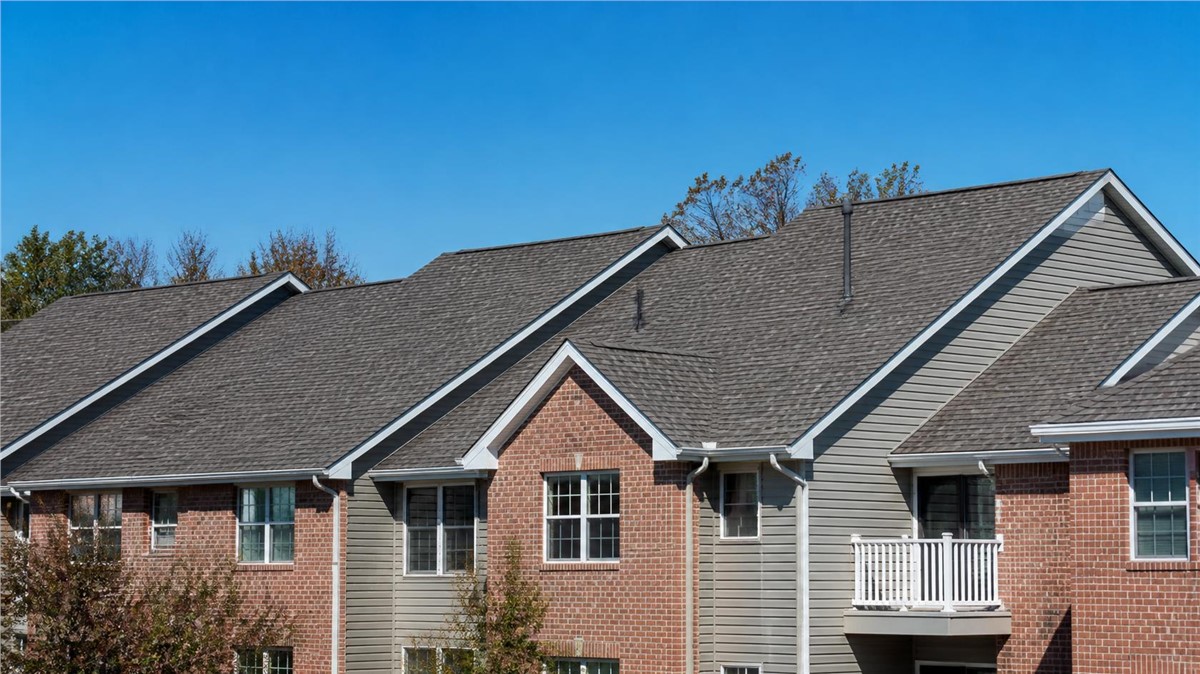
Roofing for a multi-unit property is different from roofing for a single-family home. A leak may affect more than one unit. A gutter problem may create drainage issues near shared entrances. A roof replacement may require communication with residents, board members, property managers, maintenance teams, and contractors.
For multi-unit properties in Waukesha, WI, roofing systems need to handle wind, hail, heavy rain, snow, ice, humidity, and freeze-thaw cycles. These conditions can affect shingles, flat roof areas, gutters, flashing, fascia, soffit, vents, siding, windows, and interior spaces.
This guide explains what property managers, condo associations, HOA boards, and building owners should know about roof repair and replacement planning.
Why Multi-Unit Roofing Needs Extra Planning
Multi-unit properties often have larger roof areas, shared rooflines, multiple entrances, attached garages, common hallways, and more complex drainage systems. Because more people rely on the building, roofing decisions should be organized and well-documented.
Planning should consider:
- Resident communication
- Leak reports from multiple units
- Shared maintenance responsibilities
- Parking and access
- Safety zones
- Material delivery
- Dumpster placement
- Storm damage documentation
- Budget approval
- Long-term replacement planning
Good planning helps reduce confusion and disruption.
Common Roof Problems on Multi-Unit Properties
Multi-unit properties can experience the same roof issues as single-family homes, but the scale may be larger.
Common problems include:
- Missing shingles
- Lifted shingles
- Damaged flashing
- Roof leaks
- Ice dams
- Poor attic ventilation
- Gutter overflow
- Sagging gutters
- Damaged vents
- Roof valley wear
- Ponding water on low-slope areas
- Interior ceiling stains
If several units report similar issues, the roof may need a full system inspection.
Leaks in Multiple Units
Leaks are one of the clearest signs that roofing problems need attention. In multi-unit buildings, leaks may appear in top-floor units, stairwells, hallways, garages, storage areas, or common spaces.
Warning signs include:
- Ceiling stains
- Damp drywall
- Water near light fixtures
- Musty odors
- Stained insulation
- Wet flooring
- Bubbling paint
- Leaks after heavy rain
- Leaks during snowmelt
Every leak should be documented with photos, dates, and location details.
Flashing and Roof Transitions
Flashing is especially important on multi-unit properties because these buildings may have several roof transitions, walls, dormers, chimneys, vents, and roofline changes.
Flashing concerns may include:
- Loose metal
- Cracked sealant
- Rust
- Open gaps
- Water stains nearby
- Leaks near walls
- Leaks around vents
- Damage near chimneys or skylights
Many roof leaks begin around flashing details rather than the main roof surface.
Gutters and Drainage
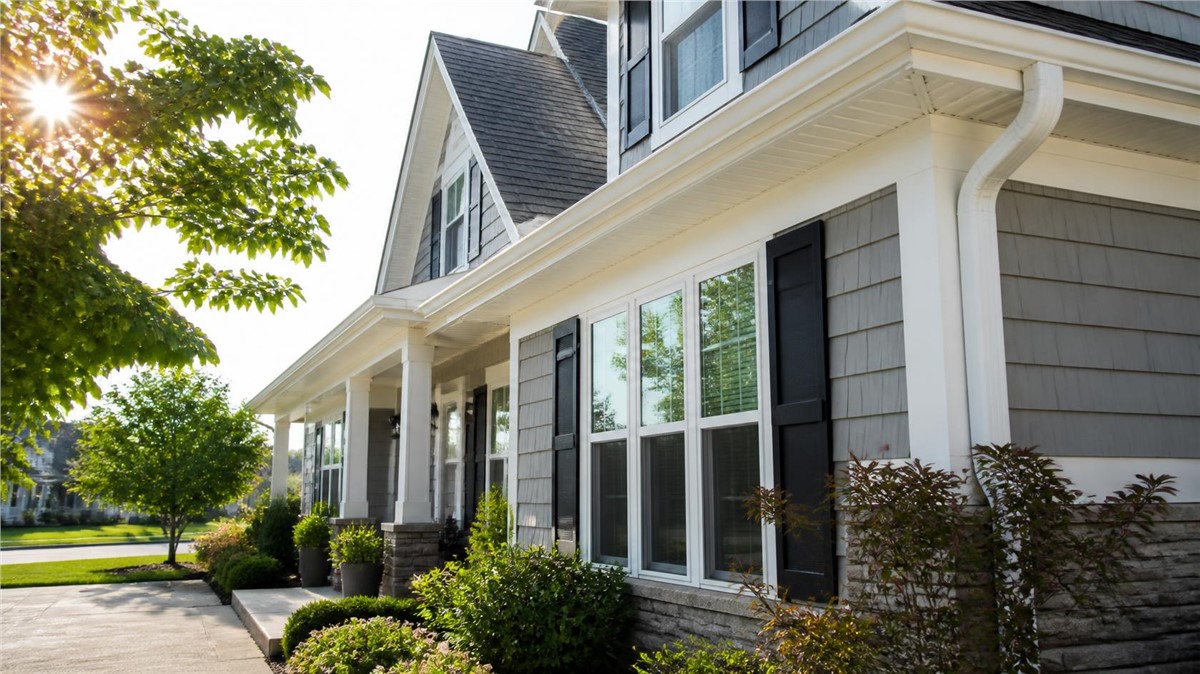
Gutters and downspouts protect the roof edge, siding, foundation, landscaping, walkways, and entrances. On multi-unit properties, poor drainage can create problems for several residents at once.
Check for:
- Overflowing gutters
- Water behind gutters
- Sagging gutter runs
- Loose downspouts
- Short extensions
- Water pooling near entrances
- Ice buildup on walkways
- Stains on siding
- Basement or lower-level moisture
Drainage should be included in any roof repair or replacement conversation.
Ice Dams and Winter Roof Concerns
Waukesha winters can bring snow, ice, and freeze-thaw cycles. Ice dams can form when snow melts and refreezes near roof edges, blocking drainage and increasing leak risk.
Ice dam warning signs include:
- Large icicles
- Frozen gutters
- Water stains near exterior walls
- Leaks during thawing
- Attic moisture
- Wet insulation
- Ice along roof edges
- Repeated winter leaks
Ice dam concerns may involve roofing, gutters, insulation, ventilation, and roof edge protection.
Roof Repair for Multi-Unit Properties
Roof repair may be appropriate when damage is isolated and the overall roof system is still in good condition.
Repair may include:
- Replacing missing shingles
- Securing lifted shingles
- Repairing flashing
- Fixing pipe boots
- Repairing roof vents
- Sealing small leak areas
- Correcting gutter issues
- Addressing localized storm damage
- Repairing fascia or soffit near roof edges
A repair should solve the cause of the problem, not just cover the visible leak.
When Roof Replacement May Be Better
Roof replacement may be the better option when damage is widespread, leaks keep returning, or the roof is near the end of its service life.
Replacement may make sense if:
- Leaks affect multiple units
- Repairs no longer last
- Shingles are failing across several slopes
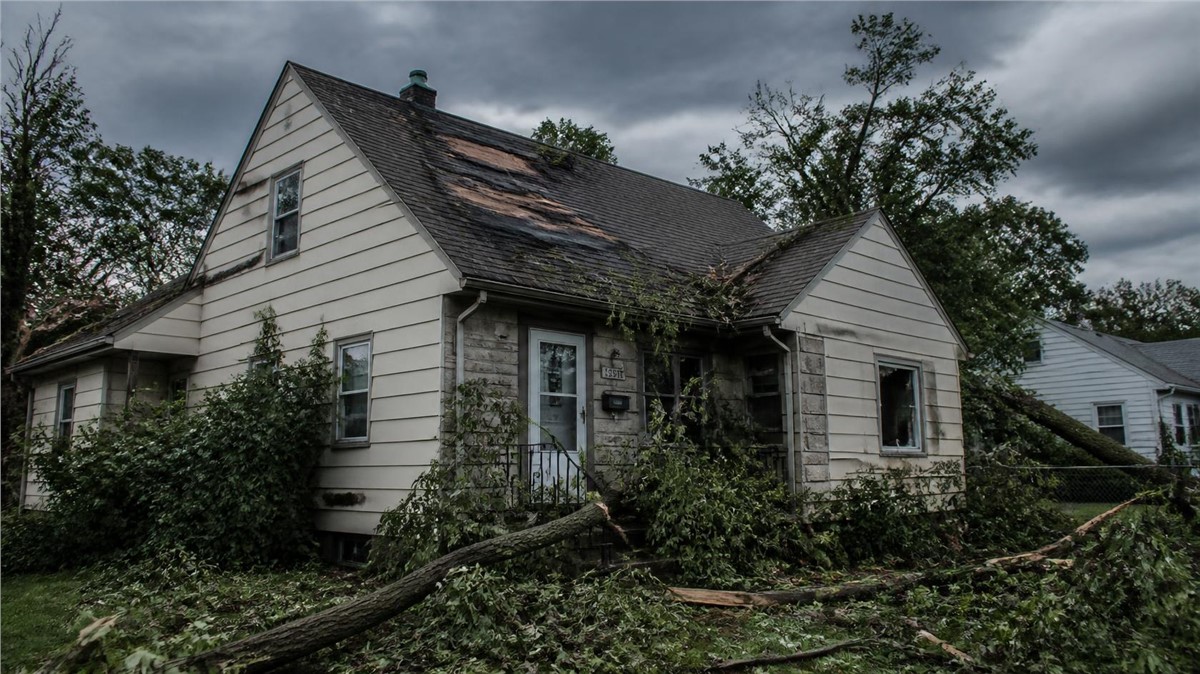
- Storm damage is widespread
- Flashing problems are recurring
- Ice dam issues keep returning
- Decking damage is present
- The roof looks uneven or worn
- Maintenance costs are increasing
A full replacement can help provide a more consistent roofing system across the property.
Multi-Unit Roof Replacement Planning
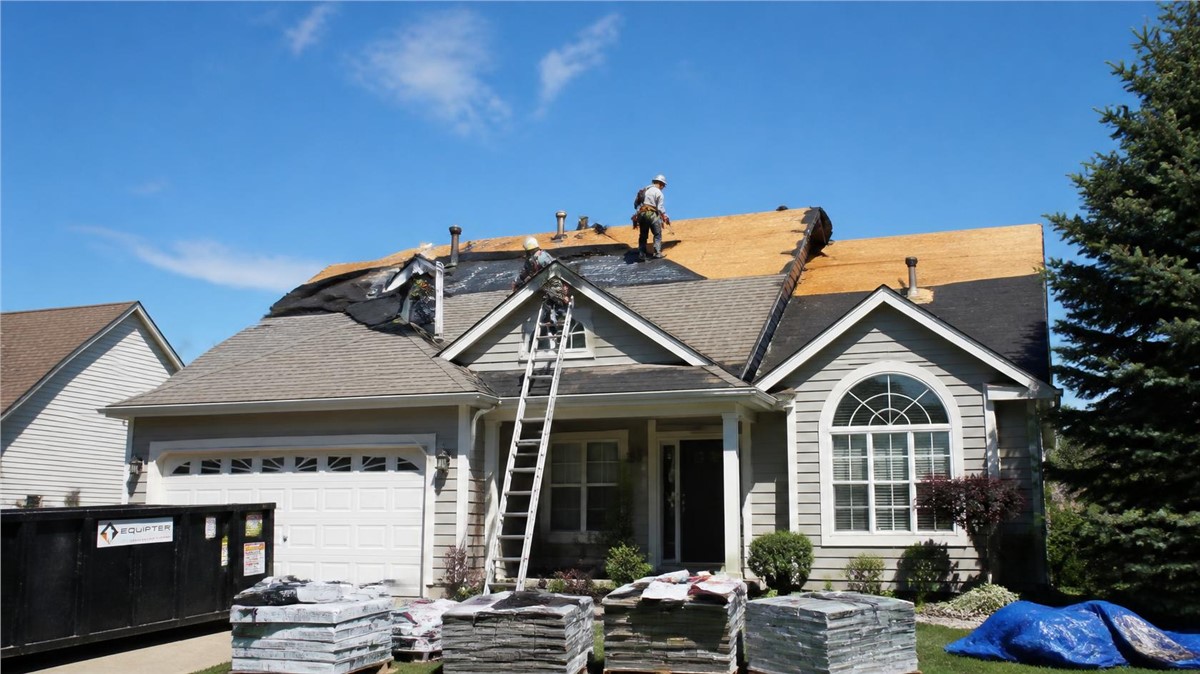
Roof replacement for a multi-unit property should be planned carefully before work begins. Communication and logistics are just as important as materials.
Planning should include:
- Project scope
- Material selection
- Work schedule
- Resident notices
- Parking restrictions
- Dumpster placement
- Material staging
- Safety barriers
- Access points
- Cleanup process
- Final walkthrough
Clear planning helps reduce complaints and keeps the project moving efficiently.
Budget and Approval Considerations
Multi-unit roofing projects often require approval from owners, board members, investors, property managers, or association leadership. A clear inspection report and estimate can help support the decision-making process.
Budget planning should consider:
- Immediate repair needs
- Long-term replacement needs
- Hidden decking repairs
- Gutter repairs
- Fascia and soffit work
- Ventilation improvements
- Storm damage documentation
- Warranty options
- Contingency funds
A detailed scope helps decision-makers compare repair and replacement options.
Material Options to Discuss
The right roofing material depends on the property type, roof slope, appearance goals, budget, and maintenance needs.
Options may include:
- Asphalt shingles
- Architectural shingles
- Low-slope roofing systems
- Metal roofing
- Flat roof membranes
- Roof coatings for qualified areas
Many multi-unit properties include more than one roof type, so the inspection should identify each roof section separately.
Resident Communication
Good communication can make a roofing project smoother for everyone. Residents should know what to expect before work starts.
Helpful notices may include:
- Project start date
- Expected work hours
- Parking instructions
- Noise expectations
- Safety reminders
- Entry or access restrictions
- Dumpster location
- Contact person for questions
- Cleanup reminders
Clear updates reduce confusion and help residents prepare.
Insurance Considerations
If roof damage may be storm-related, property managers or owners should contact their insurance provider to understand coverage, deductibles, documentation requirements, deadlines, and claim steps.
Helpful documentation may include:
- Storm date notes
- Roof damage photos
- Interior leak photos
- Resident reports
- Contractor inspection findings
- Temporary repair receipts
- Maintenance history
- Repair estimates
Every policy is different, so insurance guidance should come directly from the provider.
What Should Be Included in a Multi-Unit Roof Inspection?
A roof inspection should cover the full roofing system and related exterior areas.
A contractor may check:
- Shingles or roof membrane
- Flashing
- Roof valleys
- Roof vents
- Pipe boots
- Chimneys or skylights
- Gutters and downspouts
- Fascia and soffit
- Attic ventilation
- Interior moisture signs
- Storm damage areas
- Drainage around the building
This helps determine whether the property needs repair, replacement, or related exterior work.
Why a Full Exterior Inspection Helps
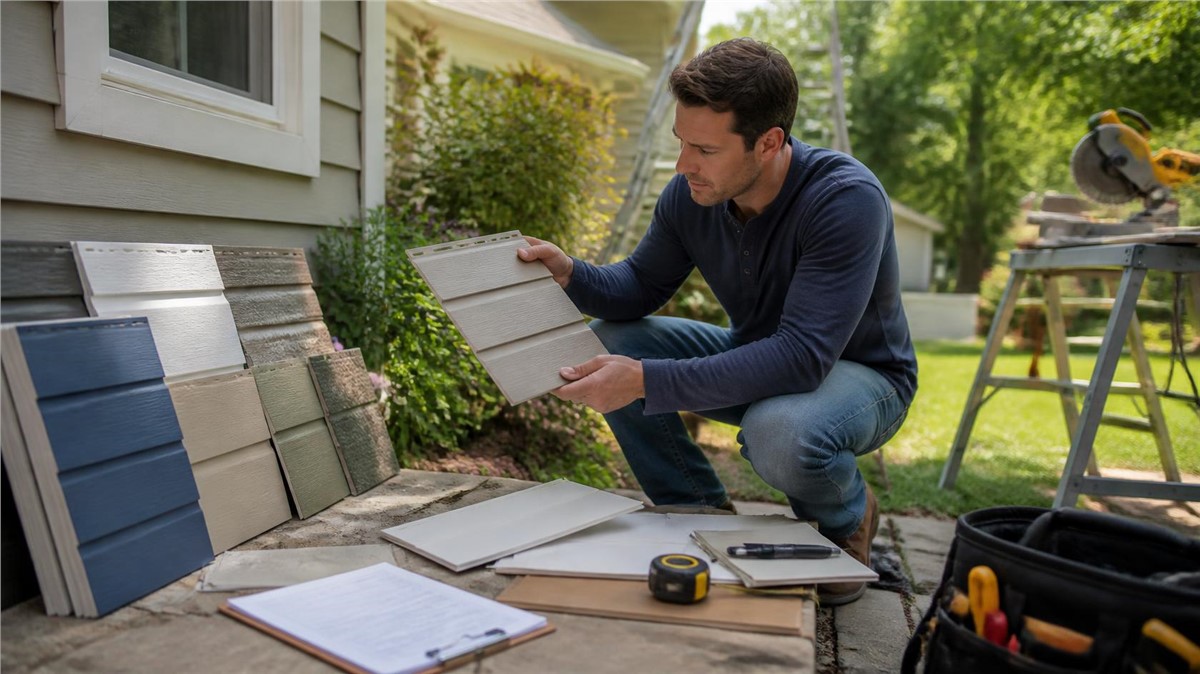
Roofing problems on multi-unit properties often involve more than the roof surface. Gutters, siding, windows, flashing, fascia, soffit, trim, drainage, and attic ventilation all work together to protect the building.
A full exterior inspection may include:
- Roofing and roof edges
- Gutters and downspouts
- Siding and trim
- Windows and doors
- Flashing
- Fascia and soffit
- Attic and interior moisture signs
- Foundation drainage
- Storm damage areas
Huskie Exteriors provides roofing, siding, window, gutter, and storm damage restoration services, helping property owners and managers evaluate the full exterior system.
Why Local Exterior Experience Matters
A local contractor understands how Wisconsin weather affects multi-unit properties. In Waukesha, WI, buildings need roofing and exterior systems that can handle heavy rain, wind, hail, snow, ice, humidity, sun exposure, and freeze-thaw cycles.
Local experience helps property managers determine whether problems are caused by aging materials, storm damage, poor drainage, flashing failure, ventilation issues, gutter problems, or hidden moisture.
Conclusion
Roofing for multi-unit properties in Waukesha, WI requires careful planning because roof problems can affect multiple units, residents, common areas, and building operations. Property managers and owners should watch for leaks, missing shingles, damaged flashing, gutter problems, ice dams, attic moisture, storm damage, and repeated repair needs.
If your multi-unit property has roof leaks, storm damage, aging shingles, gutter issues, flashing problems, or replacement needs, Huskie Exteriors can inspect the exterior and recommend the right next step.
Contact Huskie Exteriors for professional roofing, siding, window, gutter, and storm damage services in Illinois and Wisconsin.
Subscribe to Huskie Exteriors's Blog





Comments