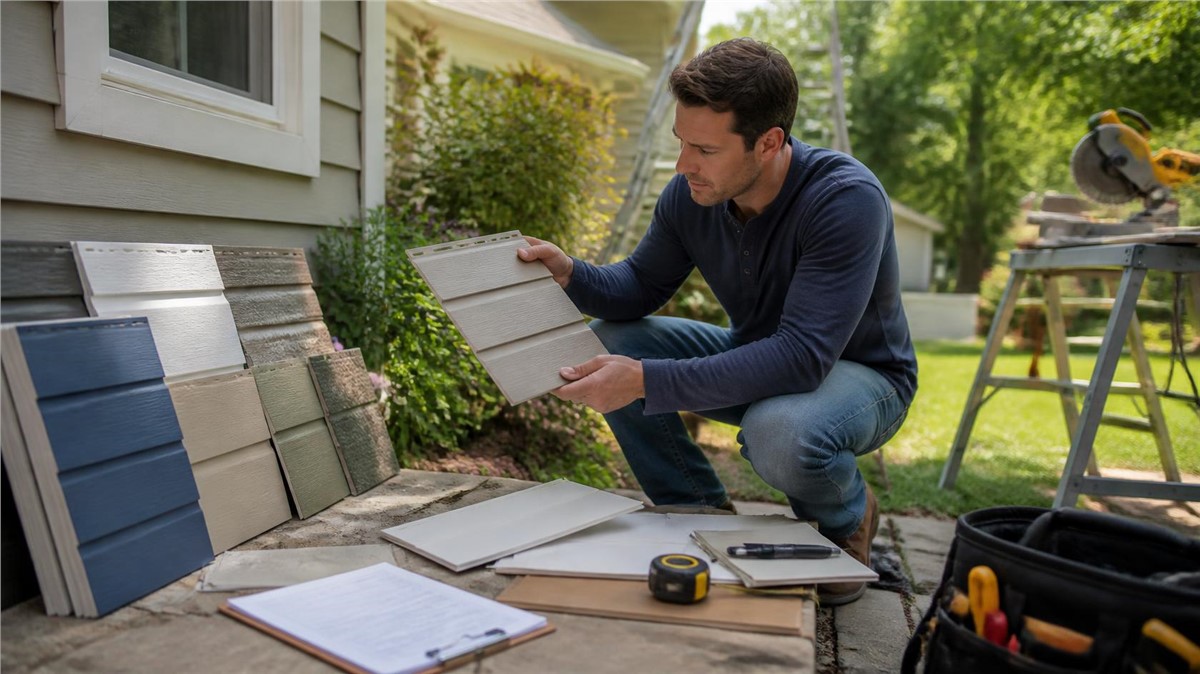
Siding replacement is one of the most noticeable exterior upgrades a homeowner can make. New siding can improve curb appeal, strengthen weather protection, reduce maintenance concerns, and help the home look cleaner and more updated. But before the crew arrives, a little preparation can make the project easier for everyone.
For homeowners in Muskego, WI, siding needs to handle wind, heavy rain, hail, snow, ice, humidity, sun exposure, and freeze-thaw cycles. Replacing old siding is not only about appearance. It is also a chance to check the wall system, trim, windows, gutters, fascia, soffit, and areas where moisture may be hiding.
This guide explains what homeowners should do before siding replacement begins.
Confirm the Project Details
Before installation starts, homeowners should confirm the major project details with the contractor. This helps avoid confusion once materials arrive and work begins.
Important details include:
- Siding material
- Color selection
- Trim color
- Accent areas
- Start date
- Estimated project timeline
- Work hours
- Dumpster location
- Material delivery location
- Cleanup expectations
- Warranty information
It is better to clarify details early than try to make changes after installation has started.
Review the Siding Material
Different siding materials have different benefits, maintenance needs, and appearance options. Before replacement begins, homeowners should make sure they understand what product is being installed.
Common siding options include:
- Vinyl siding
- Insulated vinyl siding
- Fiber cement siding
- Engineered wood siding
- Composite siding
- Metal siding
- Shake accents
- Board-and-batten accents
The right choice depends on the home’s style, budget, maintenance goals, and weather exposure.
Confirm the Color and Style
Siding color has a major impact on curb appeal. Once materials are ordered, changing color may cause delays or extra costs.
Before work begins, confirm:
- Main siding color
- Trim color
- Corner color
- Accent siding color
- Shutter color if applicable
- Soffit and fascia color
- Gutter color if included
- Door and window trim details
Homeowners should look at samples in natural light if possible, because colors can appear different outdoors than they do indoors.
Ask What Is Included in the Scope
A siding replacement estimate should clearly explain what is included. This is especially important if the project may involve trim, house wrap, flashing, gutters, fascia, soffit, windows, or hidden repairs.
The scope may include:
- Removal of old siding
- Disposal of old materials
- House wrap or moisture barrier
- Flashing details
- Trim replacement
- Corner posts
- Window and door trim
- Siding installation
- Cleanup
- Warranty details
If anything is unclear, ask before installation begins.
Discuss Hidden Damage
Sometimes damage behind old siding is not visible until the siding is removed. Moisture, rot, damaged sheathing, pest activity, or old repair issues may be discovered during the project.
Possible hidden issues include:
- Soft wall sheathing
- Moisture behind siding
- Rotted trim
- Damaged house wrap
- Mold or mildew concerns
- Insect damage
- Poor flashing
- Old water stains
- Gaps around windows
Homeowners should ask how hidden damage will be documented, priced, and approved before repairs are made.
Clear Access Around the Home
The crew will need room to work around the exterior. Clearing the area helps improve safety and efficiency.
Before installation, move:
- Patio furniture
- Grills
- Planters
- Garden decorations
- Toys
- Lawn equipment
- Trash bins
- Outdoor storage items
- Decorative lighting
- Hoses
A clear work area helps the crew remove old siding, install new materials, and clean up properly.
Protect Landscaping
Siding replacement work happens close to the home, so landscaping may be near the work area. Crews will usually take care to avoid damage, but homeowners can help by preparing delicate areas.
Consider:
- Trimming shrubs near the siding
- Moving potted plants
- Marking delicate landscaping
- Removing hanging baskets
- Clearing garden decorations
- Covering sensitive plants if appropriate
- Discussing tight access areas with the contractor
If there are special plants or garden areas you want protected, mention them before work begins.
Move Vehicles Away from the Work Area
Siding projects may involve material delivery, dumpsters, ladders, tools, and cleanup equipment. Vehicles should be moved away from the home and driveway areas where work will happen.
This helps protect vehicles from:
- Dust
- Debris
- Nails or fasteners
- Material movement
- Ladder access
- Dumpster placement
- Delivery traffic
Ask the contractor where vehicles should be parked during the project.
Remove Wall Decorations Inside
Siding replacement can create vibration on exterior walls. This may affect pictures, mirrors, shelves, or fragile items hanging inside the home.
Before work begins, remove or secure:
- Framed photos
- Mirrors
- Wall art
- Floating shelves
- Fragile decorations
- Items near exterior walls
- Loose objects on window sills
This simple step can help prevent accidental damage indoors.
Prepare for Noise
Siding replacement is an active construction project. Homeowners should expect noise from removing old materials, installing new siding, fastening panels, cutting materials, and moving equipment.
Noise may affect:
- Remote work
- Phone calls
- Children
- Pets
- Sleeping schedules
- Tenants or guests
- Neighbors
If someone in the home works remotely or has special schedule needs, discuss timing with the contractor ahead of time.
Plan for Pets and Children
Siding replacement involves tools, ladders, nails, debris, and crew movement around the property. Pets and children should stay away from the work area for safety.
Homeowners may want to:
- Keep pets indoors
- Use a separate room for pets
- Keep children away from doors and windows near work areas
- Avoid letting pets into the yard during work
- Check gates before releasing pets outside
- Communicate pet concerns to the crew
This helps keep everyone safe during the project.
Unlock Gates and Clear Access Points
If the crew needs access to all sides of the home, gates should be unlocked and pathways should be clear.
Before work begins, check:
- Side gates
- Backyard access
- Driveway access
- Exterior outlets
- Outdoor water spigots if needed
- Basement walkout areas
- Deck access
- Garage-side access
If access is limited in any area, let the contractor know early.
Check Outdoor Electrical Items
Exterior lights, outlets, cameras, cable lines, vents, and utility fixtures may need attention during siding replacement. These items are often attached to or pass through siding.
Discuss:
- Exterior light fixtures
- Security cameras
- Doorbells
- Cable lines
- Electrical outlets
- Dryer vents
- Hose bibs
- Utility boxes
- House numbers
- Mailboxes attached to siding
The contractor should explain how these items will be handled during installation.
Review Windows and Doors
Siding replacement is a good time to inspect windows and doors because these openings are important for weather protection. If window trim, caulking, flashing, or frames are already failing, new siding alone may not solve moisture problems.
Check for:
- Drafts
- Water stains
- Soft trim
- Fogged glass
- Failed caulking
- Loose window trim
- Peeling paint indoors
- Moisture around sills
If window replacement is being considered, it may be worth discussing before siding work begins.
Review Gutters, Fascia, and Soffit
Siding works closely with gutters, fascia, and soffit. If these areas are damaged, they may affect the final appearance and performance of the siding project.
Before siding replacement, inspect:
- Sagging gutters
- Leaking gutter seams
- Loose downspouts
- Water stains below gutters
- Soft fascia
- Loose soffit panels
- Peeling paint
- Ice damage
- Roof edge concerns
If gutter or fascia repairs are needed, it may be practical to coordinate them with siding work.
Check for Moisture Problems
Siding replacement is a chance to address moisture problems before they spread. Homeowners should tell the contractor about any known leaks, stains, or damp areas.
Mention if you have noticed:
- Interior wall stains
- Musty odors
- Water near windows
- Basement moisture
- Siding stains
- Mold or mildew growth
- Soft trim
- Peeling paint
- Repeated gutter overflow
Knowing these issues ahead of time helps the contractor inspect problem areas more carefully.
Ask About House Wrap and Flashing
House wrap and flashing are important parts of siding installation. They help manage moisture and protect vulnerable areas.
Ask about:
- Moisture barrier installation
- Window flashing
- Door flashing
- Wall penetrations
- Trim transitions
- Roofline transitions
- Corner details
- Manufacturer recommendations
Good siding performance depends on more than the visible panels.
Prepare for Material Delivery
Siding materials may be delivered before installation begins. Homeowners should ask where materials will be placed and how long they will remain on-site.
Material planning may include:
- Driveway space
- Yard space
- Garage access
- Dumpster location
- Walkway access
- Protection from damage
- Clear delivery paths
- Parking considerations
A planned delivery area keeps the property more organized.
Understand the Installation Timeline
Siding replacement timing depends on the size of the home, number of stories, weather, material type, trim details, hidden damage, and crew schedule.
Factors that affect timing include:
- Home size
- Existing siding removal
- Number of windows and doors
- Trim complexity
- Weather conditions
- Hidden repairs
- Material availability
- Gutter or soffit work
- Cleanup needs
A contractor should explain the expected schedule and what could cause delays.
Prepare for Weather Delays
Muskego weather can change quickly. Rain, high wind, snow, ice, or extreme temperatures may affect exterior work.
Ask the contractor:
- What weather conditions may delay work?
- How will exposed areas be protected?
- Will materials be covered?
- How will schedule changes be communicated?
- What happens if hidden damage is found?
- When will cleanup happen?
Clear communication helps homeowners know what to expect.
Ask About Cleanup
Siding replacement creates debris, old materials, fasteners, cut pieces, packaging, and dust. Cleanup should be part of the project plan.
Ask about:
- Daily cleanup
- Final cleanup
- Old siding disposal
- Nail and fastener pickup
- Dumpster removal
- Yard cleanup
- Driveway cleanup
- Landscaping cleanup
A clean worksite improves safety during and after the project.
Walk Around the Home Before Work Starts
Before installation begins, walk around the home and take photos. This creates a record of the exterior condition before the project.
Take photos of:
- Existing siding
- Landscaping
- Driveways
- Walkways
- Exterior lights
- Gutters
- Windows and doors
- Decks and patios
- Any existing damage
Photos can help with communication if questions come up later.
Plan for Final Walkthrough
After siding installation is finished, homeowners should do a final walkthrough with the contractor. This is the time to review details and ask questions.
During the walkthrough, check:
- Siding alignment
- Trim details
- Corners
- Window and door areas
- Caulking where appropriate
- Gutters and downspouts
- Cleanup
- Exterior fixtures
- Any remaining punch-list items
- Warranty paperwork
A final walkthrough helps confirm that the project is complete.
Repair vs Replacement
Some siding issues can be repaired, but replacement may be better when damage is widespread or the siding is aging.
Repair may make sense if:
- Damage is isolated
- Matching panels are available
- Siding is still flexible
- No hidden moisture is present
- Trim is in good condition
- The rest of the exterior is performing well
Replacement may be better if:
- Siding is faded or brittle
- Cracks appear throughout
- Panels are warped or loose
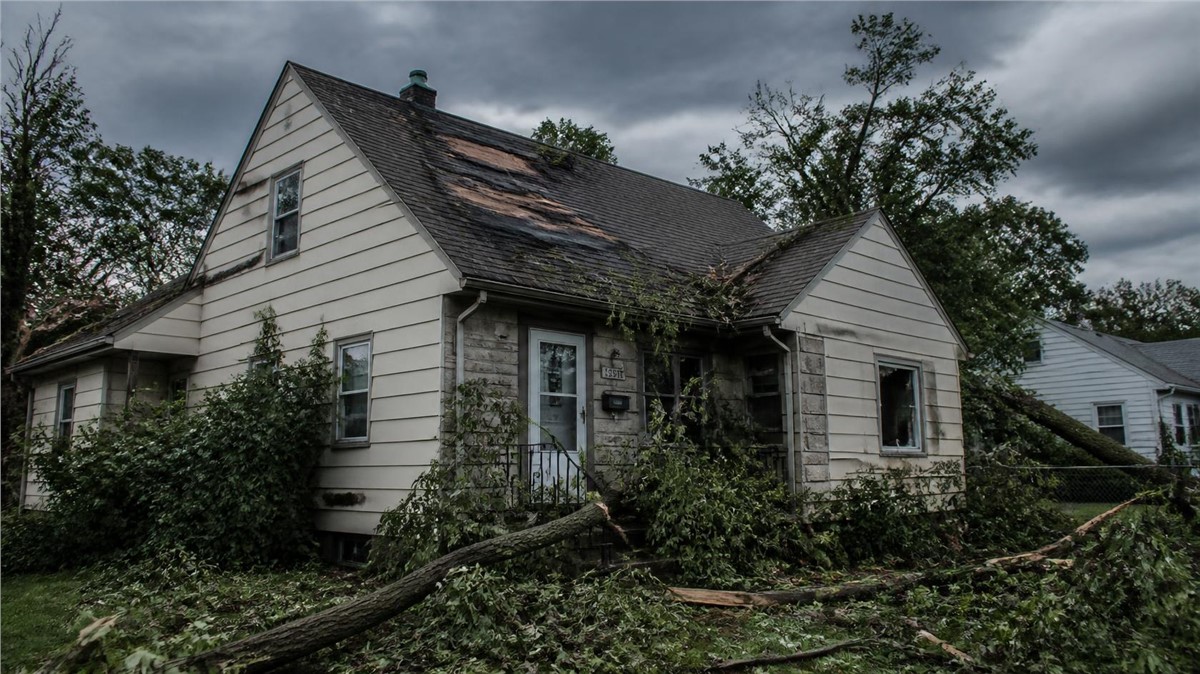
- Storm damage affects several walls
- Moisture is behind the siding
- Repairs no longer match
- The exterior needs a full update
A professional inspection can help determine the right option.
What Should Be Included in a Siding Inspection?
A siding inspection before replacement should look at both the visible exterior and connected systems.
A contractor may check:
- Siding panels
- Trim and corners
- Windows and doors
- Flashing
- House wrap condition if visible
- Gutters and downspouts
- Fascia and soffit
- Roofline areas
- Moisture signs
- Storm damage areas
This helps identify what should be included before the project starts.
Why a Full Exterior Inspection Helps
Siding replacement is a great time to evaluate the full exterior system. Roofing, gutters, windows, fascia, soffit, flashing, trim, and drainage all affect how the home handles weather.
A full exterior inspection may include:
- Siding and trim
- Roofing and roof edges
- Gutters and downspouts
- Windows and doors
- Flashing
- Fascia and soffit
- Interior moisture signs
- Foundation drainage
- Storm damage areas
Huskie Exteriors provides roofing, siding, window, gutter, and storm damage restoration services, helping homeowners prepare for siding replacement with the full exterior in mind.
Why Local Exterior Experience Matters
A local contractor understands how Wisconsin weather affects siding installation and long-term performance. In Muskego, WI, homes need siding that can handle wind, heavy rain, hail, snow, ice, humidity, sun exposure, and freeze-thaw cycles.
Local experience helps homeowners plan for proper materials, installation details, moisture protection, gutter coordination, window trim, and long-term exterior durability.
Conclusion
Siding replacement preparation in Muskego, WI helps homeowners keep the project organized, safe, and efficient. Before work begins, confirm materials and colors, clear access around the home, protect landscaping, move vehicles, remove fragile wall items, plan for pets and children, review windows and gutters, document existing conditions, and ask about cleanup and warranties.
If your siding is faded, cracked, loose, warped, storm-damaged, moisture-affected, or ready for replacement, Huskie Exteriors can inspect your exterior and recommend the right next step.
Contact Huskie Exteriors for professional roofing, siding, window, gutter, and storm damage services in Illinois and Wisconsin.
Subscribe to Huskie Exteriors's Blog





Comments