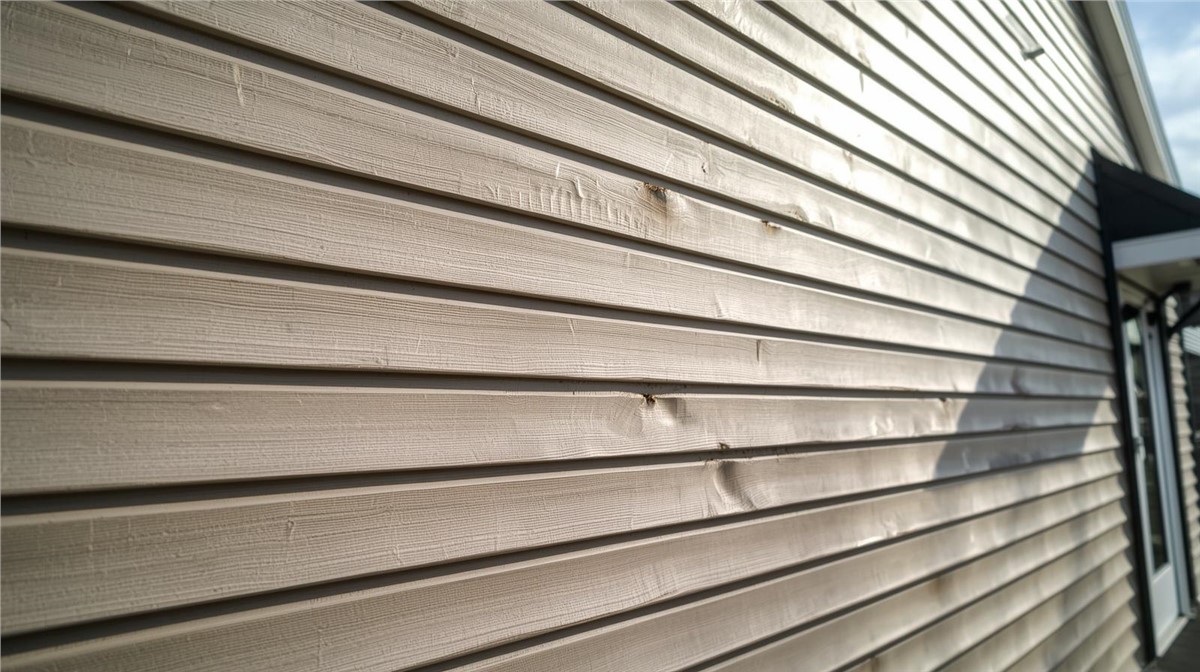
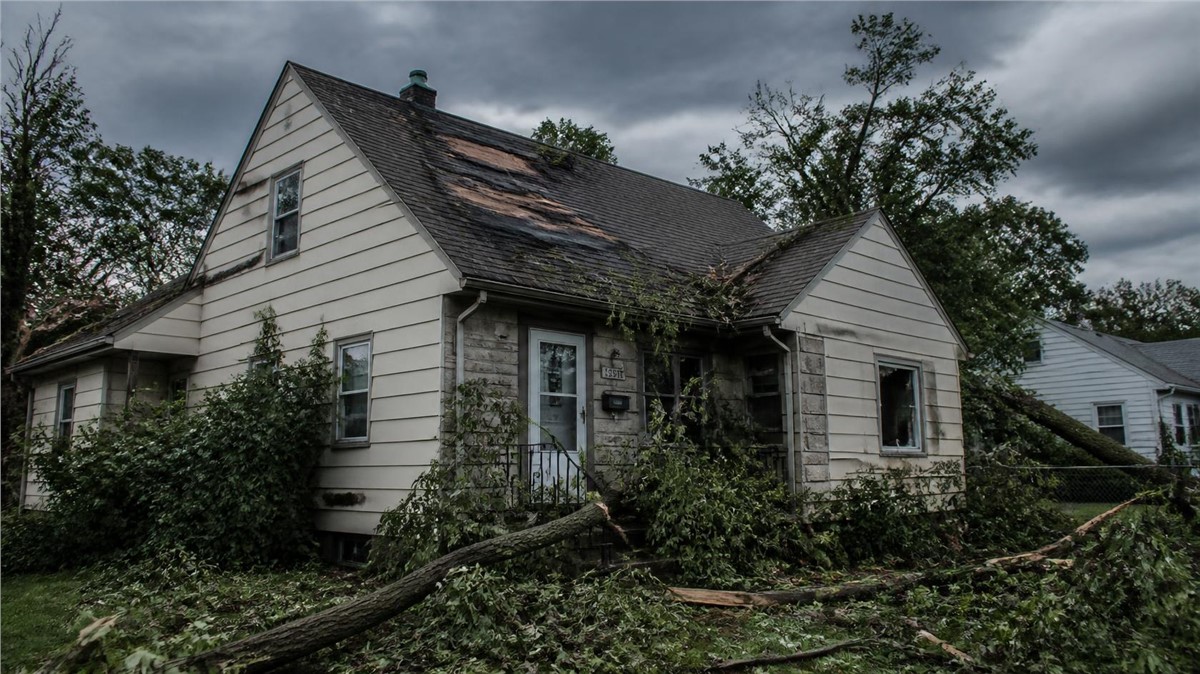
Hailstorms can cause sudden damage to a home’s exterior. While many homeowners think first about the roof, siding can also take a serious hit during severe weather.
For homeowners in Rockton, IL, siding repair after hail is important because damaged siding can allow moisture behind the exterior wall system. Small cracks, holes, loose panels, or damaged trim may not seem urgent at first, but they can lead to water intrusion during the next heavy rain.
Understanding what to look for after hail can help you know when to schedule an inspection and whether repair or replacement may be needed.
Why Hail Damage to Siding Matters
Siding protects your home from rain, wind, snow, ice, pests, and temperature changes. When hail damages siding, it can weaken that protection.
Hail-damaged siding may lead to:
- Moisture behind exterior walls
- Mold or mildew concerns
- Damaged insulation
- Soft or rotted trim
- Interior water stains
- Drafts near exterior walls
- Pest entry points
- Reduced curb appeal
- Higher repair costs later
In Rockton, storms may also bring strong wind and heavy rain. If hail creates openings in the siding, wind-driven rain can push water into those weak areas.
Common Signs of Hail Damage on Siding
Hail damage can look different depending on the siding material, hail size, wind direction, and age of the exterior.
Homeowners should look for:
- Cracked siding panels
- Holes or punctures
- Dents or impact marks
- Chipped edges
- Loose or shifted panels
- Warped or buckled sections
- Broken corner pieces
- Damaged trim
- Siding pieces on the ground
- Stains after rain
Some damage may be easier to see when sunlight hits the siding at an angle. However, homeowners should not rely only on a quick ground-level glance.
Vinyl Siding and Hail Damage
Vinyl siding is common because it is low maintenance and available in many colors and styles. However, hail can crack or puncture vinyl siding, especially if the material is older, brittle, or exposed to cold temperatures.
Vinyl siding hail damage may include:
- Small circular cracks
- Chips near panel edges
- Holes from direct impact
- Loose sections after wind
- Broken corners or trim pieces
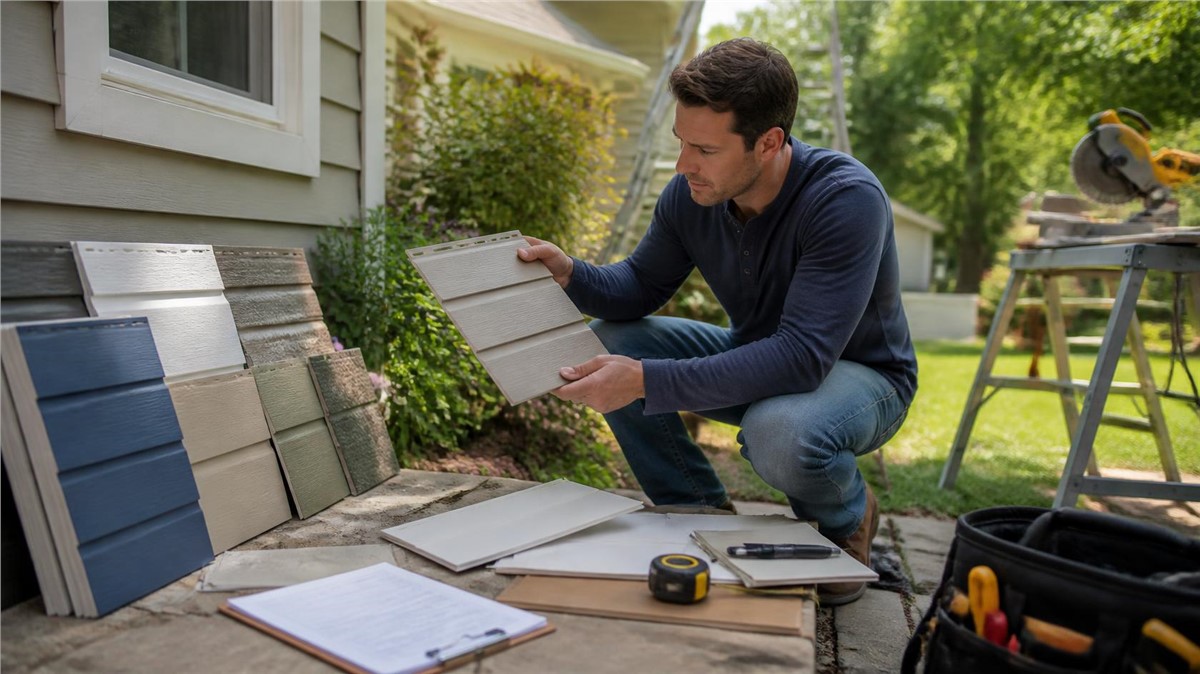
If only a few panels are affected and matching material is available, repair may be possible. If damage is widespread or the siding is older, replacement may be a better option.
Fiber Cement, Metal, and Other Siding Materials
Different siding materials respond differently to hail. Fiber cement siding may crack, chip, or show impact marks. Metal siding may dent. Wood or engineered siding may show splits, chips, or moisture concerns if the surface is damaged.
A contractor will look at the material type, damage pattern, and whether water could enter behind the siding.
Why Wind-Driven Rain Makes Hail Damage Worse
Hail damage often becomes more serious when followed by heavy rain or wind. A crack or hole in the siding may allow water to reach the wall system behind it.
Moisture can affect:
- House wrap
- Sheathing
- Insulation
- Framing
- Interior drywall
- Window and door trim
This is why siding damage should be inspected before the next storm creates a larger issue.
Check Windows, Trim, and Openings Too
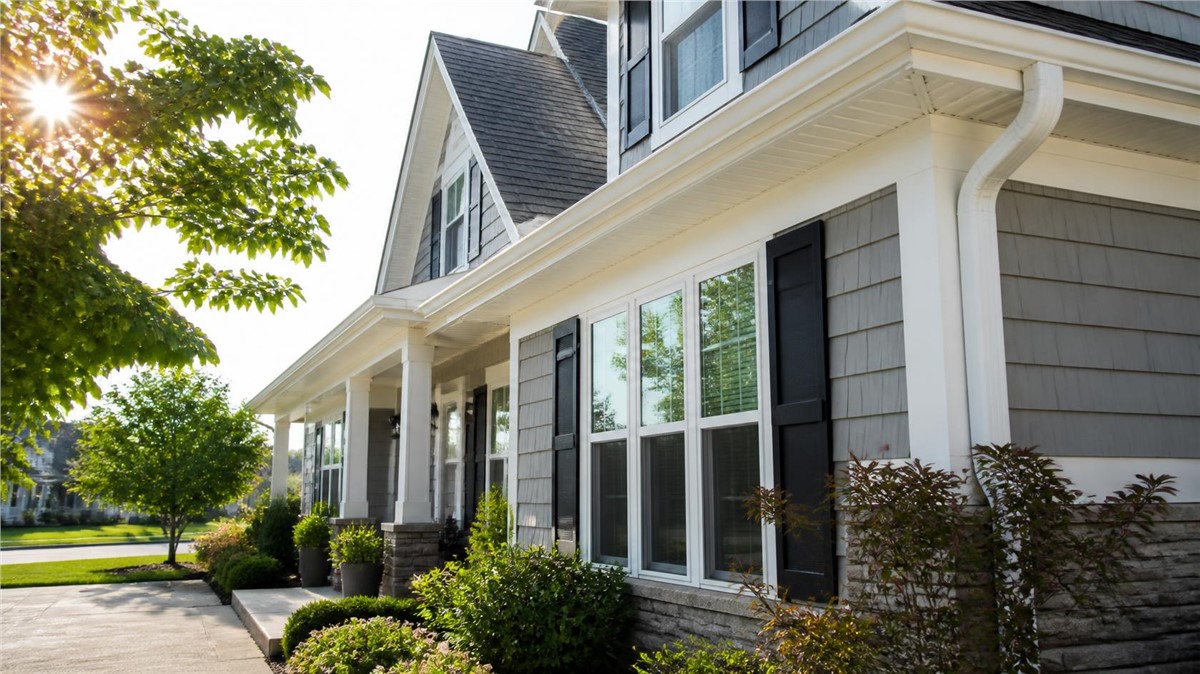
Siding damage often appears near windows, doors, corners, and trim. These areas have more seams and transitions, which makes them more vulnerable to leaks.
After hail, check for:
- Torn window screens
- Dented trim
- Cracked caulking
- Water stains below windows
- Loose corner posts
- Damaged door trim
- Gaps around openings
- Peeling paint near trim
A leak near a window may involve siding, flashing, trim, gutters, or roof edges, not only the window itself.
Gutters and Roofing Should Be Inspected
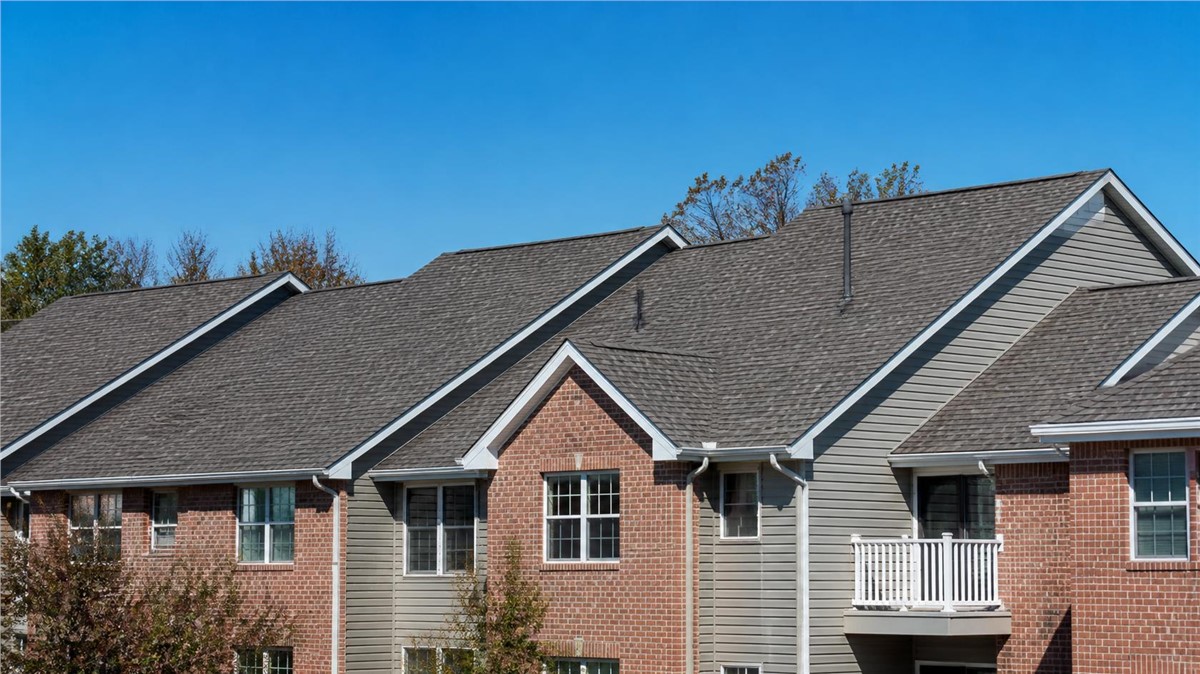
Hail rarely damages only one part of the home. If siding was hit, the roof, gutters, and downspouts may have damage too.
Look for:
- Dented gutters
- Loose downspouts
- Granules near downspouts
- Damaged roof vents
- Missing or lifted shingles
- Shingles in the yard
- Overflowing gutters after rain
- Fascia or soffit damage
A full exterior inspection helps identify all storm-related issues at once.
Repair vs Replacement After Hail
Siding repair may be enough if damage is isolated and the rest of the exterior is still in good condition.
Repair may make sense if:
- Only a few panels are damaged
- The siding material can be matched
- Trim damage is minor
- No moisture has entered the wall system
- The siding is not brittle or failing overall
Siding replacement may be better if:
- Hail damage affects multiple walls
- Panels are cracked throughout the exterior
- The siding is faded, brittle, or warped
- Matching materials are not available
- Water damage is present
- Repairs would look patchy
- Storm damage affected several exterior systems
A professional inspection can help determine the most practical next step.
What Happens During a Siding Inspection
During a siding inspection, a contractor may walk the property, document visible damage, and check related exterior components.
The inspection may include:
- Siding panels
- Corner posts
- Trim
- Windows and doors
- Gutters and downspouts
- Fascia and soffit
- Roof edges
- Interior moisture signs
- Areas most exposed to storm direction
The goal is to understand whether the damage is cosmetic, functional, or a sign that the exterior is no longer protecting the home properly.
What Homeowners Should Do After a Hailstorm
After hail, safety comes first. Do not climb ladders or inspect the roof yourself.
Helpful steps include:
- Walk around the home from the ground
- Take photos of visible damage
- Note the storm date
- Check for leaks or stains indoors
- Look for siding pieces on the ground
- Check gutters, screens, and trim
- Schedule a professional inspection
Even if damage looks minor, it is better to understand the condition of the exterior before more weather arrives.
How Rockton Weather Affects Damaged Siding
Rockton homes face seasonal weather that can make hail damage worse.
Heavy Rain
Rain can enter cracks, gaps, and punctures created by hail.
Wind
Wind can loosen damaged panels and drive water behind siding.
Snow and Ice
Winter moisture can collect around damaged trim, lower siding, and wall openings.
Freeze-Thaw Cycles
Water inside small cracks can freeze, expand, and widen the damage over time.
Early siding repair helps reduce these risks.
Why Local Exterior Experience Matters
A local contractor understands how northern Illinois storms affect siding and the full exterior system. In Rockton, hail damage may involve siding, roofing, gutters, windows, trim, fascia, soffit, and drainage areas at the same time.
Huskie Exteriors provides roofing, siding, window, gutter, and storm damage restoration services, helping homeowners evaluate the full exterior after severe weather.
Conclusion
Siding repair after hail in Rockton, IL should not be delayed when cracks, dents, holes, loose panels, or trim damage appear. Even small siding damage can allow moisture behind the exterior and lead to larger problems.
If your home has hail-damaged siding, dented gutters, torn screens, missing shingles, or signs of water intrusion, Huskie Exteriors can inspect the property and recommend the right next step.
Contact Huskie Exteriors for professional roofing, siding, window, gutter, and storm damage services in Illinois and Wisconsin.
Subscribe to Huskie Exteriors's Blog





Comments