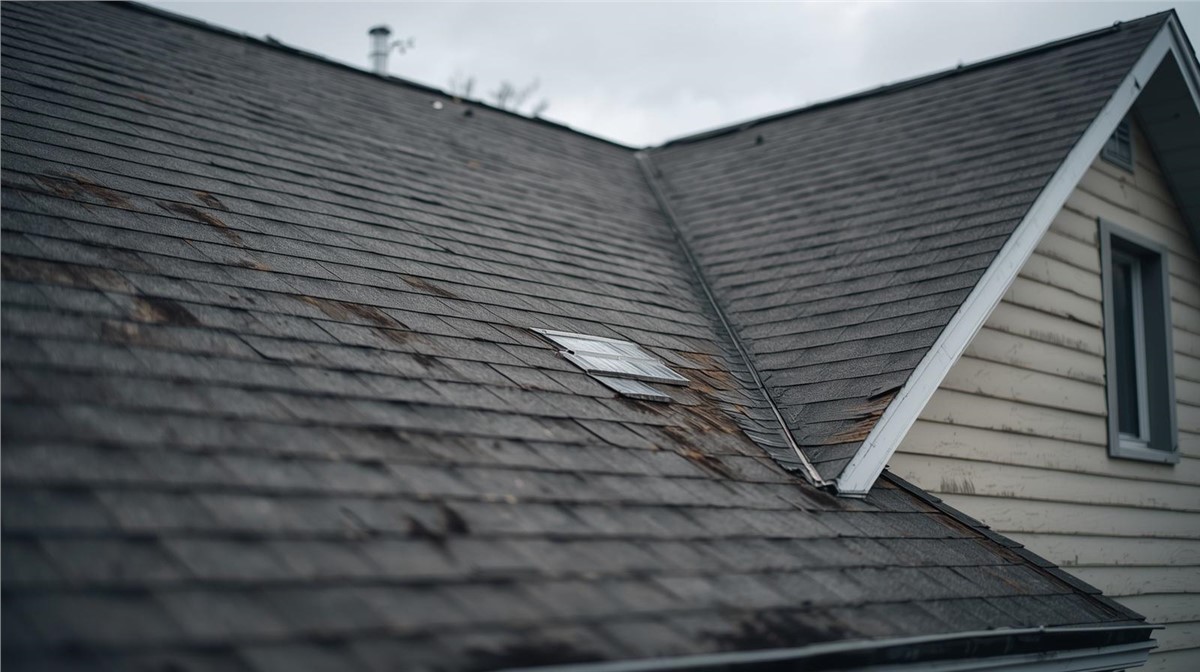
Your roof is one of the most important parts of your home’s exterior. It protects your house from rain, wind, snow, ice, hail, sun exposure, and seasonal temperature changes.
For homeowners in Prairie Ridge, IL, roof repair should not be delayed when warning signs appear. A small issue, such as one missing shingle or a loose flashing area, can become a larger leak during the next storm.
This guide explains common roof repair signs, what causes damage, when to call a contractor, and how to decide whether repair or replacement makes more sense.
Why Roof Repair Matters in Prairie Ridge, IL
Northern Illinois weather can be hard on roofing systems. Heavy rain can expose weak areas. Wind can lift shingles. Hail can damage roof surfaces. Snow and ice can create roof edge concerns. Freeze-thaw cycles can widen small cracks and gaps.
Roof problems can lead to:
- Ceiling stains
- Attic moisture
- Damaged insulation
- Mold or mildew concerns
- Soft roof decking
- Siding stains
- Fascia or soffit damage
- Gutter problems
- Interior water damage
- Higher repair costs later
A timely roof repair helps protect the home before the damage spreads.
Common Signs You Need Roof Repair
Some roof problems are easy to notice from the ground. Others may show up inside the home first.
Homeowners should watch for:
- Missing shingles
- Curled or cracked shingles
- Shingles in the yard
- Granules in gutters
- Loose flashing
- Dented roof vents
- Water stains on ceilings
- Damp attic insulation
- Leaks during rain
- Sagging or soft-looking roof areas
- Gutters pulling away from the home
If you notice any of these signs, schedule an inspection before the next round of severe weather.
Roof Leaks and Interior Warning Signs
A roof leak does not always appear directly below the damaged area. Water can travel through attic spaces, insulation, framing, and wall cavities before it becomes visible indoors.
Interior warning signs may include:
- Brown ceiling stains
- Bubbling paint
- Peeling drywall
- Musty odors
- Damp spots near walls
- Water around vents or chimneys
- Wet attic insulation
Even a small stain should be taken seriously. If water is entering the home, the source should be found and repaired quickly.
Missing or Damaged Shingles
Missing, lifted, cracked, or curled shingles are common roof repair issues. Shingles protect the roof from water, wind, and sun exposure. When they are damaged, the layers underneath become more vulnerable.
Shingle damage may be caused by:
- Wind
- Hail
- Aging materials
- Poor ventilation
- Tree branches
- Freeze-thaw cycles
- Previous storm damage
A few damaged shingles may be repairable if the surrounding roof is still in good condition. Widespread damage may require a larger repair or replacement.
Flashing and Roof Penetration Problems
Flashing protects vulnerable areas where the roof meets another surface. Many leaks happen around flashing, vents, chimneys, skylights, and roof-to-wall transitions.
A contractor may check:
- Chimney flashing
- Vent pipe boots
- Skylight edges
- Roof valleys
- Dormers
- Wall transitions
- Ridge caps
- Roof edges
Loose, cracked, rusted, or poorly sealed flashing can allow water into the roof system during heavy rain or wind-driven storms.
Storm Damage Roof Repairs
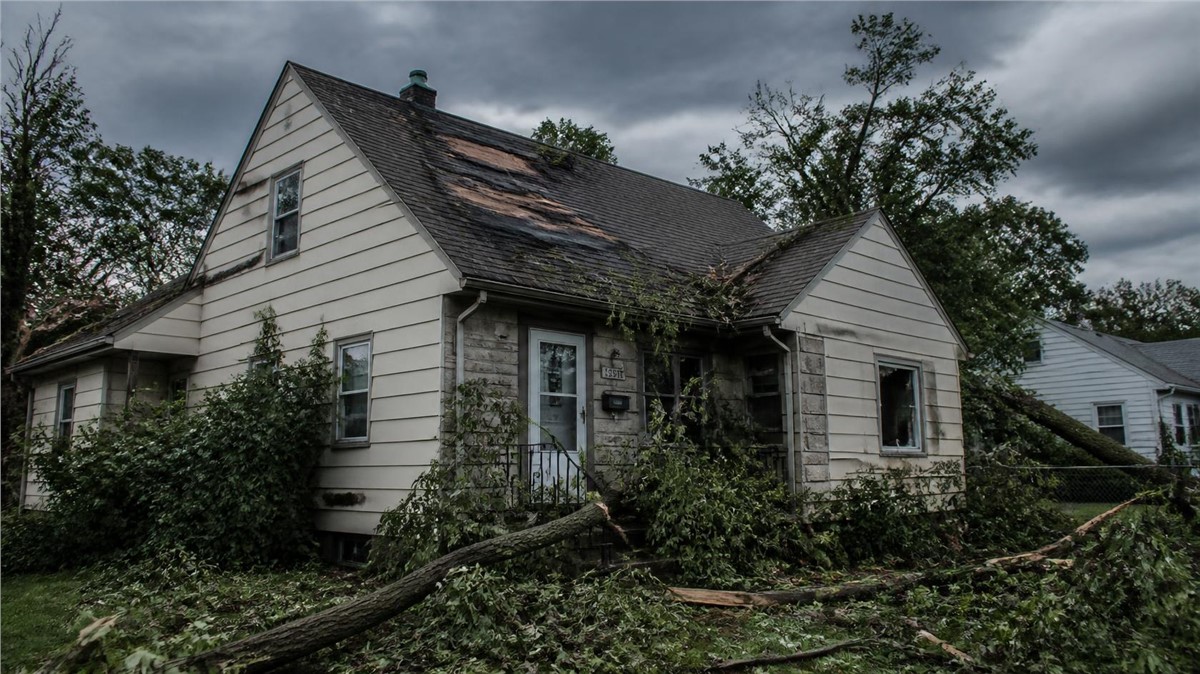
Prairie Ridge homeowners should inspect their exterior after severe weather. Hail, wind, and heavy rain can damage the roof even if there is no immediate leak.
Storm-related roof damage may include:
- Hail impact marks
- Granule loss
- Dented vents or gutters
- Lifted shingles
- Loose flashing
- Roof debris
- Damaged ridge caps
- Water stains after rain
Hail damage can weaken shingles over time. Wind damage can break the seal between shingles. Both issues should be inspected before they lead to water intrusion.
How Winter Weather Affects Roof Repairs
Winter weather creates additional roof concerns in northern Illinois. Snow and ice can add weight to the roof and gutters. Ice buildup near roof edges can create water backup. Freeze-thaw cycles can make small openings worse.
Winter-related roof issues may include:
- Ice dams
- Frozen gutters
- Water stains during thawing
- Loose shingles after high winds
- Damaged flashing
- Moisture in the attic
If your roof had problems before winter, those issues may become more serious once snow, ice, and freezing temperatures arrive.
Gutters and Roof Repair Are Connected
Gutters play an important role in roof performance. If gutters are clogged, sagging, leaking, or pulling away, water may back up near the roof edge or spill down the siding.
Gutter problems can lead to:
- Fascia damage
- Soffit damage
- Roof edge wear
- Siding stains
- Foundation moisture
- Ice buildup in winter
- Landscaping erosion
During a roof repair inspection, gutters and downspouts should also be checked to make sure water is draining away from the home properly.
Repair vs Replacement: How to Decide
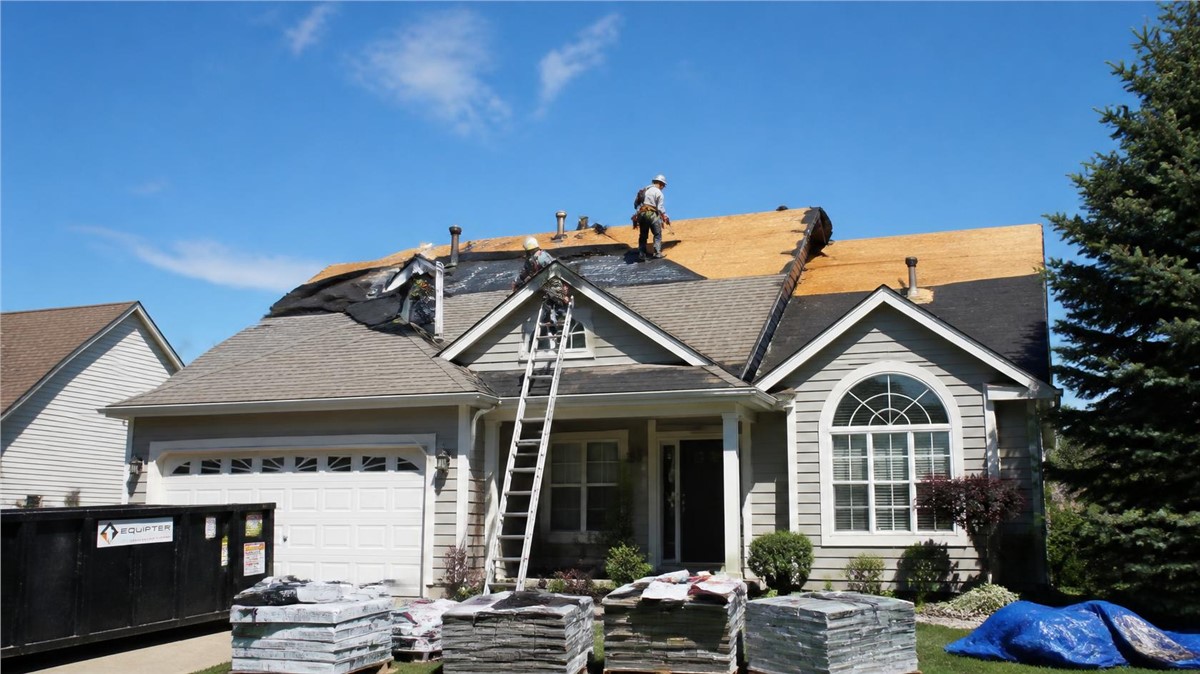
Roof repair may be enough when damage is small, isolated, and the roof is still in good condition overall.
Repair may make sense if:
- Only a few shingles are missing
- One flashing area is leaking
- Damage is limited to one roof section
- Gutters need minor adjustment
- The roof is not near the end of its life
- There is no widespread moisture damage
Roof replacement may be better if:
- Leaks keep returning
- Damage affects multiple roof slopes
- Shingles are brittle or heavily worn
- Granule loss is widespread
- Decking or insulation is damaged
- Storm damage is extensive
- Repairs are becoming frequent
A professional inspection can help determine the most practical next step.
What to Expect During a Roof Repair Visit
During a roof repair inspection, a contractor may check the roof surface, roof edges, flashing, vents, gutters, attic areas, and interior moisture signs.
The visit may include:
- Ground-level exterior review
- Roof surface inspection if safe
- Flashing and vent check
- Gutter and downspout review
- Attic or interior check if leaks are present
- Photos of visible damage
- Repair or replacement recommendations
A clear inspection helps homeowners understand the condition of the roof before making a decision.
Why the Full Exterior Should Be Checked
Roof damage may be connected to other exterior issues. A storm can damage roofing, siding, gutters, windows, fascia, soffit, and trim during the same event.
A full exterior review may include:
- Roofing
- Gutters and downspouts
- Siding
- Windows
- Fascia and soffit
- Flashing
- Trim
- Drainage areas
- Interior water stains
Huskie Exteriors provides roofing, siding, window, gutter, and storm damage restoration services, helping homeowners evaluate the full exterior system.
Why Local Exterior Experience Matters
A local contractor understands how Prairie Ridge and northern Illinois weather affects roofing systems. Hail, wind, heavy rain, snow, ice, and freeze-thaw cycles all create different repair concerns.
Local experience also helps homeowners decide whether a roof issue is minor, storm-related, weather-related, or part of a larger exterior problem.
Conclusion
Roof repair in Prairie Ridge, IL should be handled as soon as warning signs appear. Missing shingles, leaks, flashing issues, storm damage, gutter problems, and attic moisture can all lead to larger repairs if ignored.
If your roof is leaking, damaged, aging, or showing signs of storm wear, Huskie Exteriors can inspect your home and recommend the right next step.
Contact Huskie Exteriors for professional roofing, siding, window, gutter, and storm damage services in Illinois and Wisconsin.
Subscribe to Huskie Exteriors's Blog




Comments