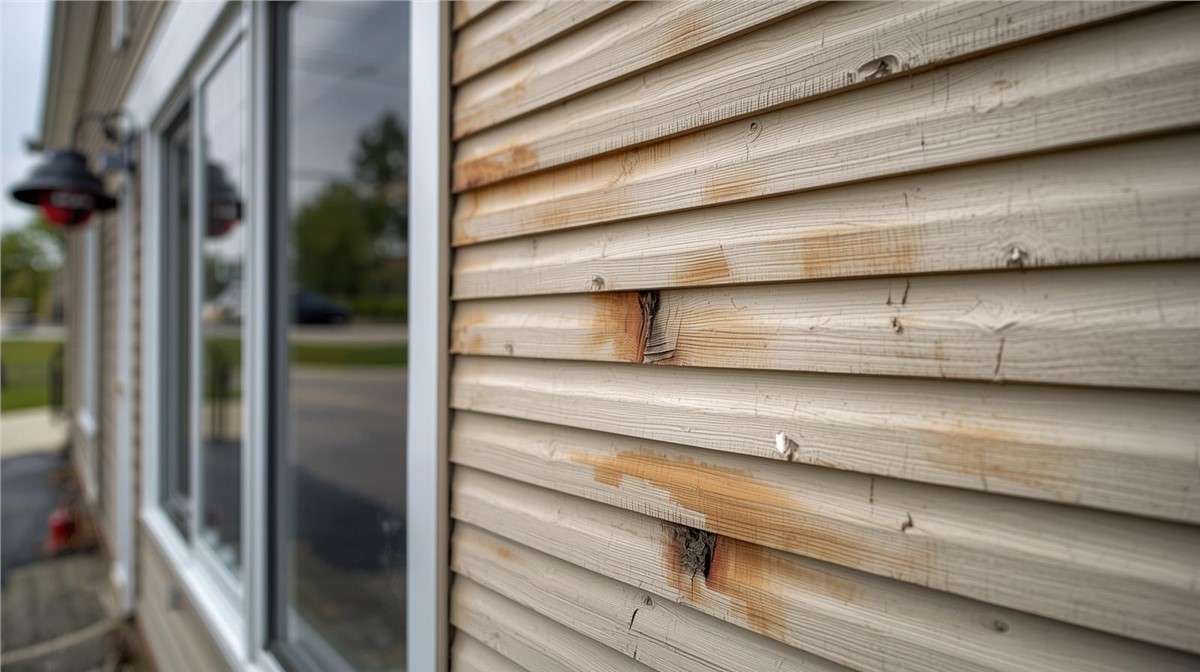
Siding is one of the most visible parts of a commercial building, but it does more than improve appearance. It helps protect the structure from wind, rain, snow, ice, pests, and moisture.
For commercial property owners and managers in Old Orchard, IL, siding problems should not be ignored. Cracks, loose panels, stains, impact damage, and water intrusion can lead to larger repair needs if they are not addressed early.
Knowing when to repair or replace commercial siding can help protect the building, reduce maintenance issues, and keep the property looking professional.
Why Commercial Siding Matters
Commercial siding helps protect the building envelope. When it is working properly, it helps keep moisture away from insulation, framing, sheathing, and interior spaces.
Damaged siding can lead to:
- Water behind exterior walls
- Interior stains
- Mold or mildew concerns
- Soft or damaged trim
- Tenant complaints
- Drafts or comfort issues
- Pest entry points
- Poor curb appeal
- Higher maintenance costs
- Business disruption
For businesses, exterior appearance also matters. Customers, tenants, employees, and visitors often notice worn or damaged siding before they ever step inside.
Signs Commercial Siding Needs Attention
Siding problems can start small. A single crack, loose section, or stain may not seem urgent, but it can point to a larger issue.
Watch for:
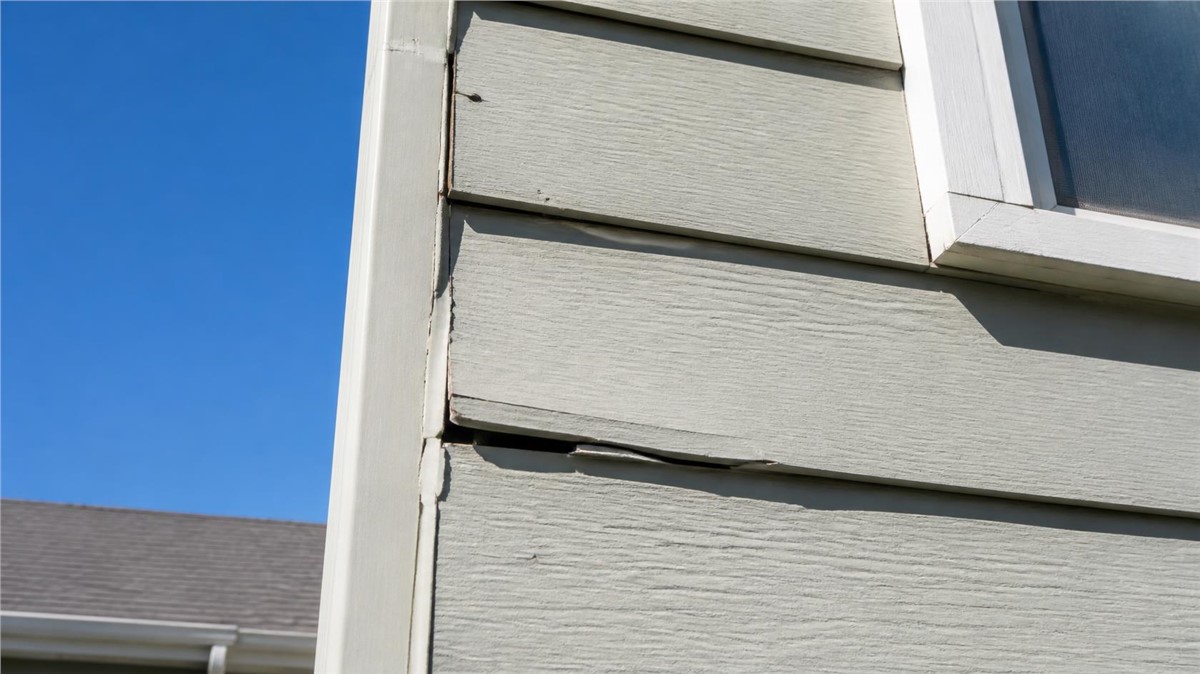
- Cracked siding
- Loose or missing panels
- Warped or buckled sections
- Holes or punctures
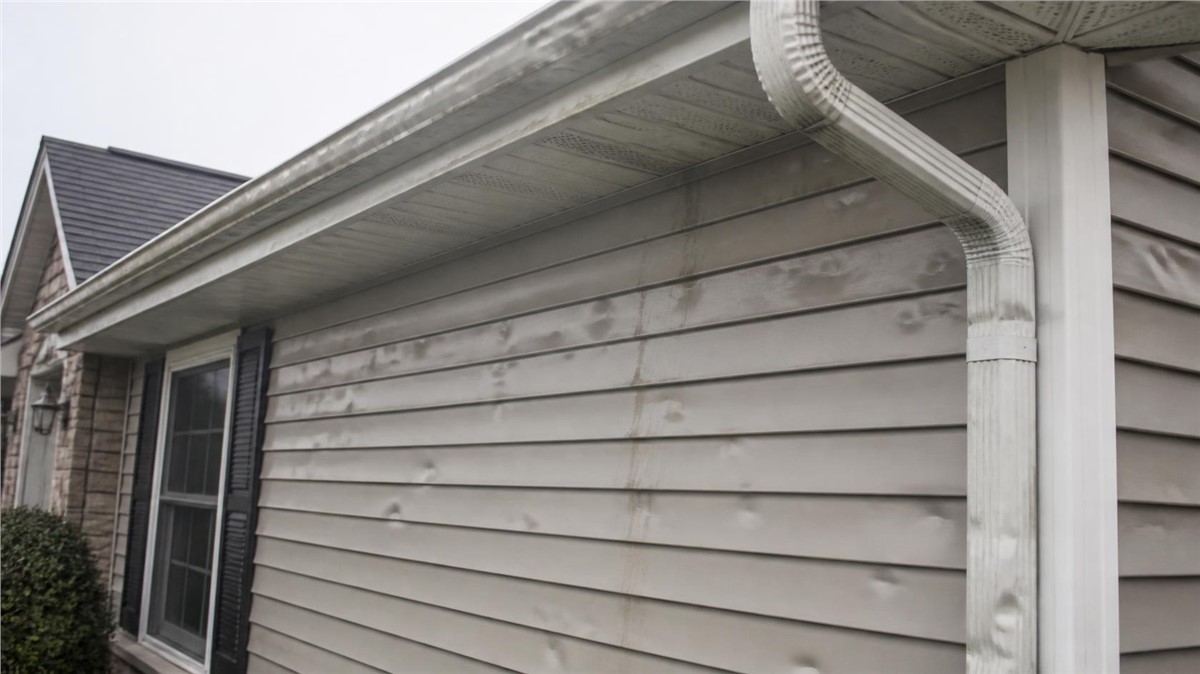
- Dents from hail or impact
- Water stains
- Soft trim around windows or doors
- Mold or mildew growth
- Peeling paint near siding edges
- Gaps around seams or corners
- Interior moisture near exterior walls
If these signs appear after a storm, a full exterior inspection is a smart next step.
When Siding Repair May Be Enough
Siding repair may be the right choice when the damage is limited and the rest of the exterior is still in good condition.
Repair may make sense if:
- Damage is isolated to one small area
- Only a few panels are cracked or loose
- Trim damage is minor
- The siding material is still available
- There is no hidden moisture damage
- The building exterior is performing well overall
- The siding color can be matched reasonably well
For example, if wind loosened one section of siding or hail damaged a small area, targeted repair may restore protection without replacing the entire system.
When Siding Replacement May Be Better
Replacement may be the better option when siding problems are widespread or when repairs would only be temporary.
Commercial siding replacement may make sense if:
- Multiple walls are damaged
- Siding is brittle, faded, or warped
- Storm damage is widespread
- Panels keep coming loose
- Water damage is present
- Repairs would not match the existing siding
- Maintenance costs keep increasing
- The building needs an updated appearance
- The siding is near the end of its useful life
If the siding can no longer protect the property consistently, replacement may provide better long-term value.
Storm Damage and Commercial Siding
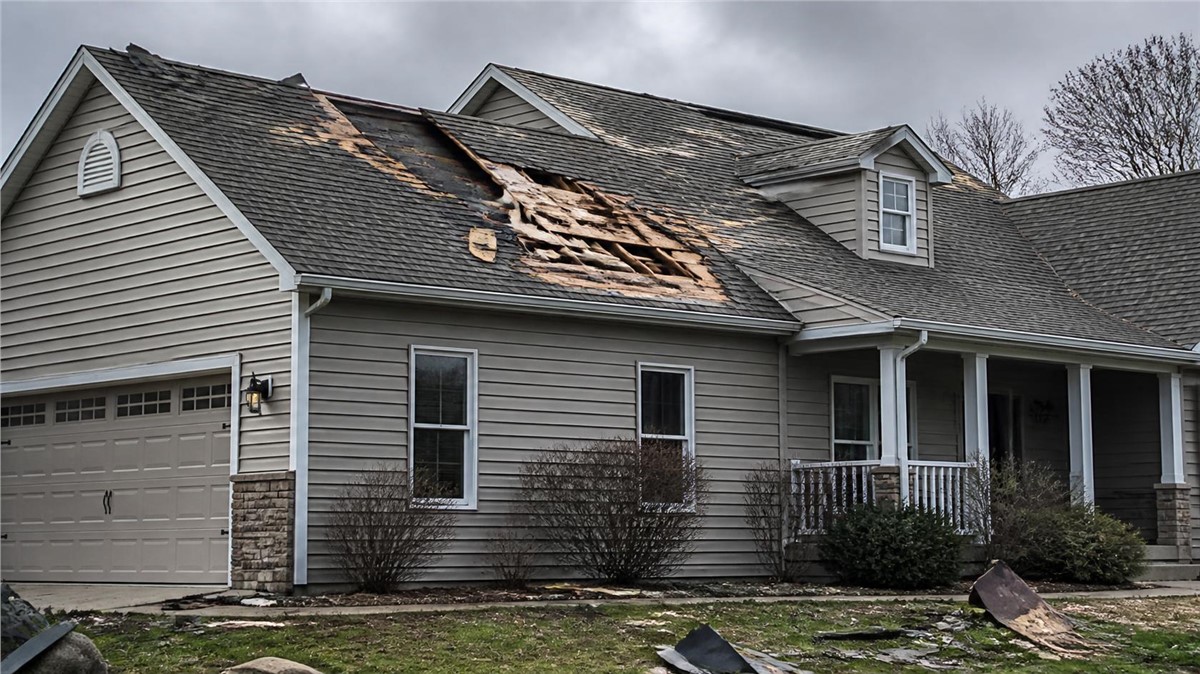
Storms can damage siding quickly, especially during hail, high winds, and heavy rain. Some damage is obvious, while other issues may require a closer inspection.
Storm-related siding concerns include:
- Hail cracks
- Dents or punctures
- Loose panels
- Wind-driven rain damage
- Damaged trim
- Torn window screens
- Water stains below siding seams
- Siding pieces found around the property
In Old Orchard, IL, severe weather can also affect roofing, gutters, windows, fascia, soffit, and drainage areas. If siding was damaged, other exterior systems should be checked too.
How Water Damage Affects the Decision
Water damage is one of the biggest factors in deciding between repair and replacement. If moisture has entered behind the siding, the project may require more than surface repairs.
Signs of moisture trouble include:
- Soft wall areas
- Dark stains
- Musty odors
- Bubbling paint
- Damp insulation
- Mold or mildew
- Interior wall discoloration
- Rot around trim or openings
If water damage is found behind the siding, the affected materials may need repair before new siding can be installed properly.
Siding Around Windows, Doors, and Trim
Commercial siding problems often show up near windows, doors, corners, and trim. These areas have more seams and transitions, which makes them more vulnerable to water intrusion.
Contractors may check:
- Window flashing
- Door trim
- Corner posts
- Exterior caulking
- Gaps around openings
- Soft or rotted trim
- Water stains below windows
- Siding movement near seams
A leak near a window does not always mean the window alone is the problem. Siding, trim, flashing, gutters, and roof edges may all be involved.
Commercial Property Considerations
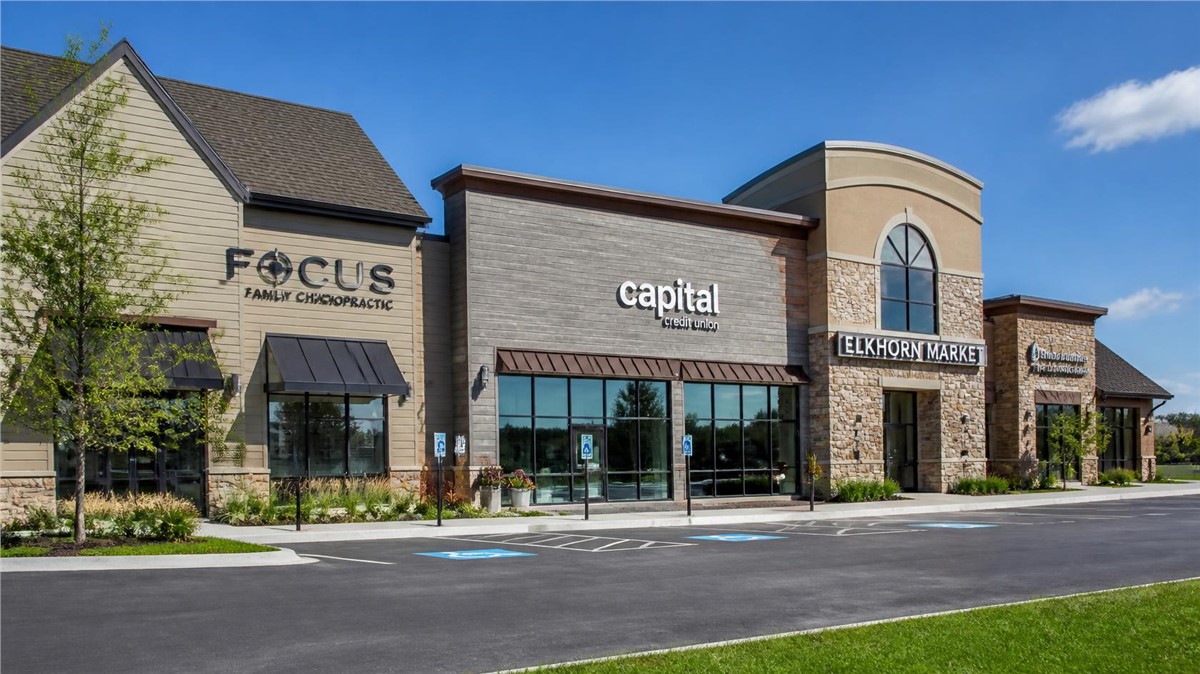
Commercial siding projects often require more planning than residential projects. Property managers may need to think about business hours, tenant access, customer entrances, signage, parking, safety, and scheduling.
Important planning details include:
- Building size
- Number of tenants
- Exterior access
- Material staging
- Work zones
- Customer traffic
- Noise concerns
- Weather timing
- Cleanup needs
- Coordination with other exterior repairs
A clear repair or replacement plan helps reduce disruption and keeps the project organized.
How Midwest Weather Impacts Siding
Commercial siding in Illinois needs to handle year-round weather changes.
Heavy Rain
Rain can reveal weak spots around seams, windows, doors, and trim. Poor drainage can also stain siding or push moisture behind exterior walls.
Wind
Strong wind can loosen siding panels, pull trim away, and drive rain into small gaps.
Hail
Hail can crack siding, dent trim, damage gutters, and affect window screens.
Snow and Ice
Snow and ice can collect near lower walls, roof edges, and entry areas. Moisture can damage trim and siding if drainage is poor.
Freeze-Thaw Cycles
Water that enters small cracks can freeze, expand, and make the damage worse over time.
Why Roofing and Gutters Should Be Checked Too
Siding does not work alone. Roofing, gutters, windows, fascia, soffit, and drainage systems all affect how well the exterior protects the building.
For example, clogged gutters can send water down siding. Roof edge issues can lead to staining near upper walls. Poor drainage can create moisture around lower siding sections.
A full exterior inspection may include:
- Siding
- Roofing
- Gutters and downspouts
- Windows and doors
- Fascia and soffit
- Flashing
- Trim
- Drainage areas
- Interior moisture signs
Huskie Exteriors provides roofing, siding, window, gutter, and storm damage restoration services, helping Illinois and Wisconsin property owners evaluate the full exterior system.
Repair vs Replacement: Key Questions to Ask
Before deciding, property owners should ask:
- Is the damage isolated or widespread?
- Is water getting behind the siding?
- Are repairs becoming frequent?
- Can the siding material and color still be matched?
- Did a storm affect multiple exterior areas?
- Is the building appearance hurting curb appeal?
- Would replacement provide better long-term value?
These questions can help guide the conversation during the inspection.
Why Local Exterior Experience Matters
A local contractor understands how Illinois weather affects commercial siding. In Old Orchard, IL, buildings need exterior materials that can handle hail, wind, heavy rain, snow, ice, and freeze-thaw cycles.
Local experience also helps property owners make practical decisions about repair timing, replacement planning, drainage concerns, and storm damage restoration.
Conclusion
Commercial building siding in Old Orchard, IL should be repaired or replaced based on the condition of the exterior, the extent of the damage, and whether the siding is still protecting the property properly.
If the damage is small and isolated, repair may be enough. If siding is cracked, warped, loose, storm-damaged, moisture-damaged, or failing across multiple areas, replacement may be the better long-term solution.
Contact Huskie Exteriors for professional roofing, siding, window, gutter, and storm damage services in Illinois and Wisconsin.
Subscribe to Huskie Exteriors's Blog





Comments