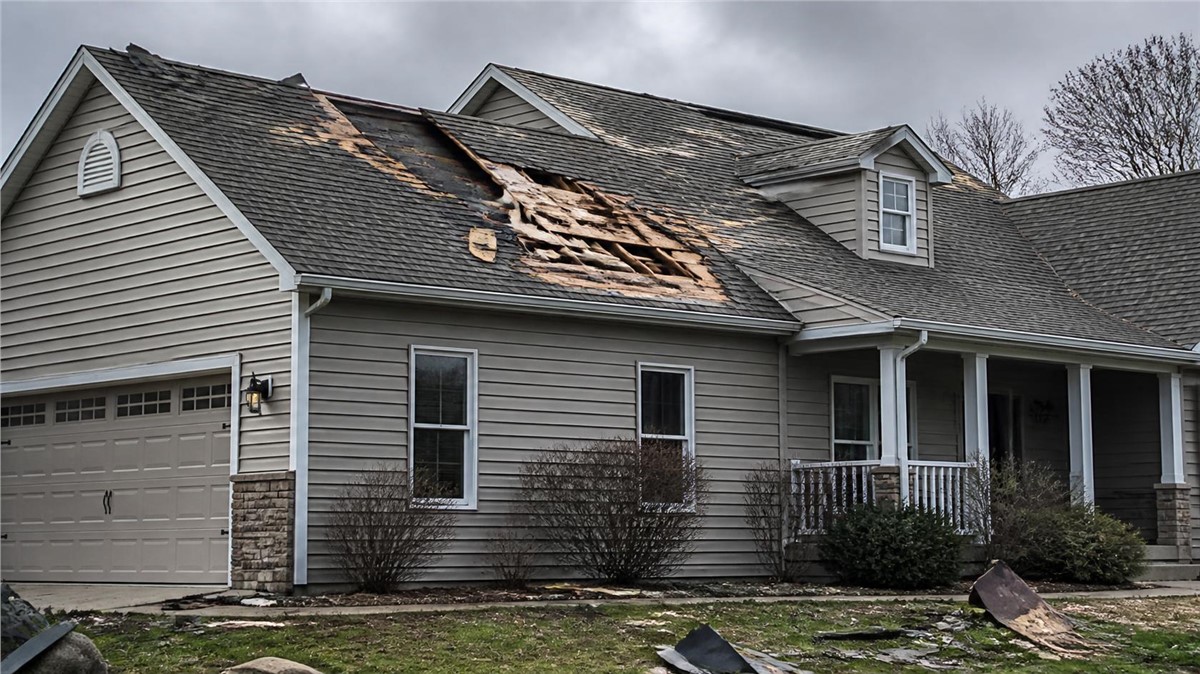
High winds can damage a roof even when there is no hail or heavy rain. A strong gust can lift shingles, loosen flashing, damage roof vents, pull gutters away, or expose weak areas near roof edges. Sometimes the damage is obvious right away. Other times, it may only show up later as leaks, stains, or missing shingles after the next storm.
For homeowners in Janesville, WI, roof repair after high winds is important because local homes face wind, rain, snow, ice, humidity, hail, and freeze-thaw cycles throughout the year. When wind damage is ignored, water may eventually enter through lifted shingles, flashing gaps, or damaged roof edges.
This guide explains what homeowners should look for after high winds and when to call a contractor.
Why High Winds Can Damage a Roof
Roofing materials are designed to stay secure, but strong wind can test weak spots. Older shingles, poor installation, aging seal strips, damaged flashing, and exposed roof edges may be more vulnerable.
High winds may affect:
- Shingles
- Ridge caps
- Flashing
- Roof vents
- Pipe boots
- Gutters
- Downspouts
- Fascia
- Soffit
- Siding near rooflines
- Attic areas
Even one lifted section can become a leak risk if rain follows the wind event.
Warning Sign 1: Missing Shingles
Missing shingles are one of the clearest signs of wind damage. If shingles are gone, the underlayment or roof deck may be more exposed to rain.
Look for:
- Bare spots on the roof
- Shingles in the yard
- Shingles on patios or driveways
- Exposed dark areas
- Missing ridge cap shingles
- Uneven roof sections
Missing shingles should be repaired quickly to reduce the chance of water damage.
Warning Sign 2: Lifted or Creased Shingles
Wind can lift shingles without tearing them off completely. These lifted shingles may settle back down, making the damage harder to see from the ground.
Lifted shingles may show:
- Raised edges
- Creased tabs
- Uneven shingle lines
- Shingles that flap during wind
- Gaps between rows
- Exposed nail areas
- Loss of seal
Lifted shingles can allow wind-driven rain underneath, so they should be inspected carefully.
Warning Sign 3: Damaged Ridge Caps
Ridge caps sit along the peak of the roof and are exposed to wind from multiple directions. If they loosen or blow off, water can enter near the highest point of the roof.
Check for:
- Missing ridge cap shingles
- Loose ridge pieces
- Exposed ridge areas
- Gaps along the roof peak
- Shingle pieces near the roofline
- Water stains in the attic below the ridge
Ridge cap damage can be easy to miss from certain angles.
Warning Sign 4: Loose Flashing
Flashing protects roof areas where water is more likely to enter. High winds can loosen flashing around chimneys, skylights, vents, valleys, roof edges, and wall transitions.
Flashing warning signs include:
- Bent metal
- Loose edges
- Open gaps
- Cracked sealant
- Rusted areas
- Water stains nearby
- Leaks after wind-driven rain
Flashing problems should be repaired before the next storm exposes the same area again.
Warning Sign 5: Damaged Roof Vents and Pipe Boots
Roof vents and pipe boots can be damaged or loosened during high winds. These areas create openings through the roof and need proper sealing.
Look for:
- Loose vent covers
- Dented vents
- Missing vent pieces
- Cracked pipe boots
- Gaps around penetrations
- Rusted metal
- Moisture below vents in the attic
A small gap around a vent can lead to noticeable leaks during heavy rain.
Warning Sign 6: Granules Near Downspouts
High winds can loosen aging shingles and wash granules into gutters and downspout areas during the next rain. Granules protect asphalt shingles from weather exposure.
Watch for:
- Heavy grit near downspout outlets
- Granules in gutters
- Bare-looking shingle patches
- Dark roof spots
- Uneven shingle texture
- Shingles that look worn after storms
Some granule loss is normal, but heavy buildup may indicate aging shingles or storm damage.
Warning Sign 7: Gutter Damage
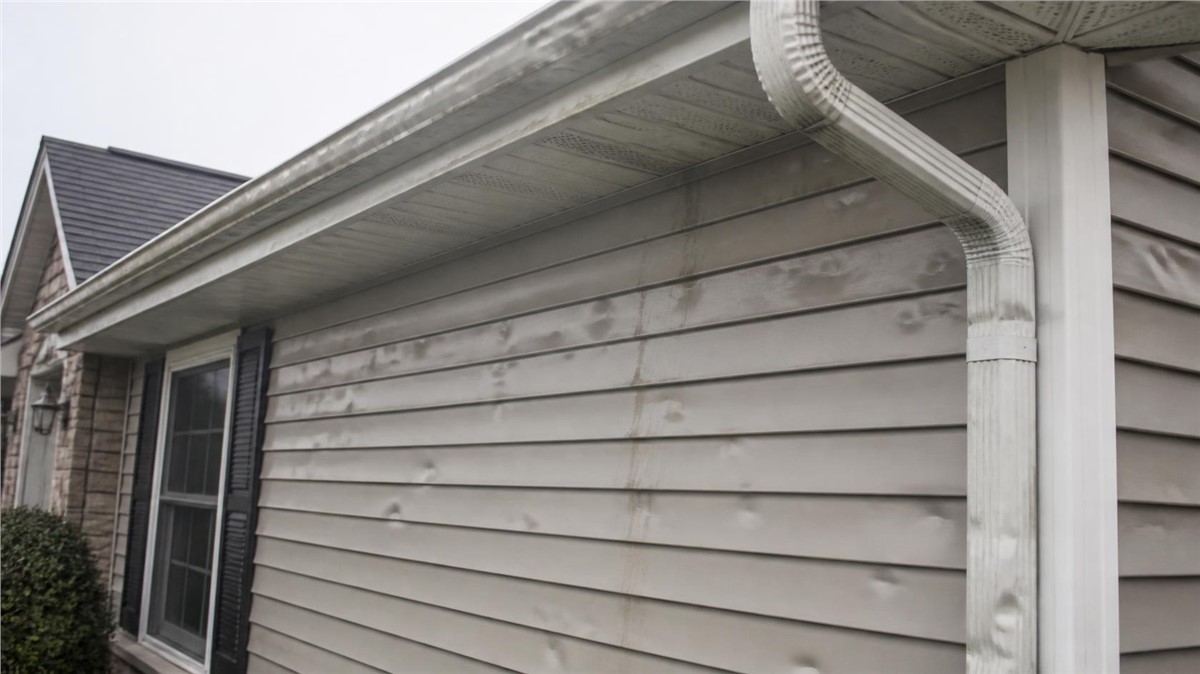
Wind can loosen gutters, pull downspouts away, or push debris into the gutter system. Damaged gutters can affect roof edges, fascia, soffit, siding, and foundation drainage.
Check for:
- Sagging gutters
- Loose hangers
- Gutters pulling away
- Leaking seams
- Bent downspouts
- Missing extensions
- Overflow marks
- Water behind gutters
Gutter problems should be addressed with roof repairs because they affect water movement around the home.
Warning Sign 8: Fascia and Soffit Damage
Fascia and soffit areas sit near the roof edge and can be affected when wind pulls gutters or roof edge materials loose.
Warning signs include:
- Loose soffit panels
- Soft fascia
- Peeling paint
- Water stains
- Gaps near the roof edge
- Dark streaks
- Pest entry points
- Sagging gutter attachments
If fascia or soffit is damaged, the roof edge should also be checked.
Warning Sign 9: Debris on the Roof
Branches, limbs, and storm debris can scratch shingles, puncture roofing materials, damage vents, or block valleys and gutters.
After high winds, look for:
- Branches on the roof
- Debris in valleys
- Leaves packed near gutters
- Damaged shingles below debris
- Scratches or impact marks
- Blocked downspouts
Avoid climbing onto the roof to remove debris. A contractor can inspect safely.
Warning Sign 10: Interior Ceiling Stains
Wind damage may not leak immediately, but water can enter during the next rain. Interior stains are a warning sign that moisture has already reached inside.
Look for:
- Brown ceiling stains
- Damp drywall
- Bubbling paint
- Peeling paint
- Musty odors
- Water near light fixtures
- Stains near exterior walls
- Moisture around chimneys or skylights
If water appears near electrical fixtures, avoid touching the area and contact a professional.
Check the Attic After High Winds
The attic can reveal hidden roof damage before it becomes visible inside living spaces. If the attic is safe and accessible, check for moisture after wind-driven rain.
Attic warning signs include:
- Wet insulation
- Dark roof decking
- Water trails
- Rusted nails
- Damp rafters
- Musty smells
- Daylight through roof gaps
- Mold or mildew concerns
Attic moisture should be inspected quickly because it can spread into insulation and framing.
Check Siding Near the Roofline
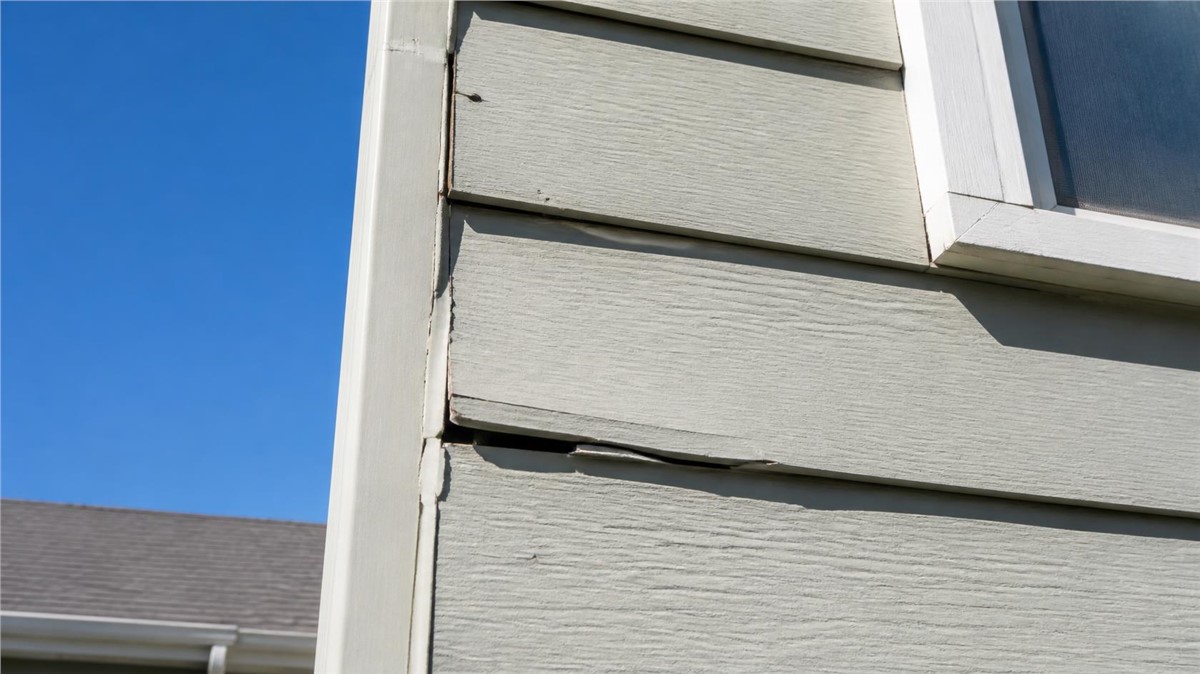
High winds can damage more than the roof. Siding near roof edges, gables, dormers, and upper walls may also loosen or crack.
Look for:
- Loose siding panels
- Gaps near trim
- Cracked siding
- Warped sections
- Missing trim pieces
- Water stains
- Siding pieces in the yard
- Damage near gables
Siding and roof damage often happen together during wind events.
Check Windows and Exterior Trim
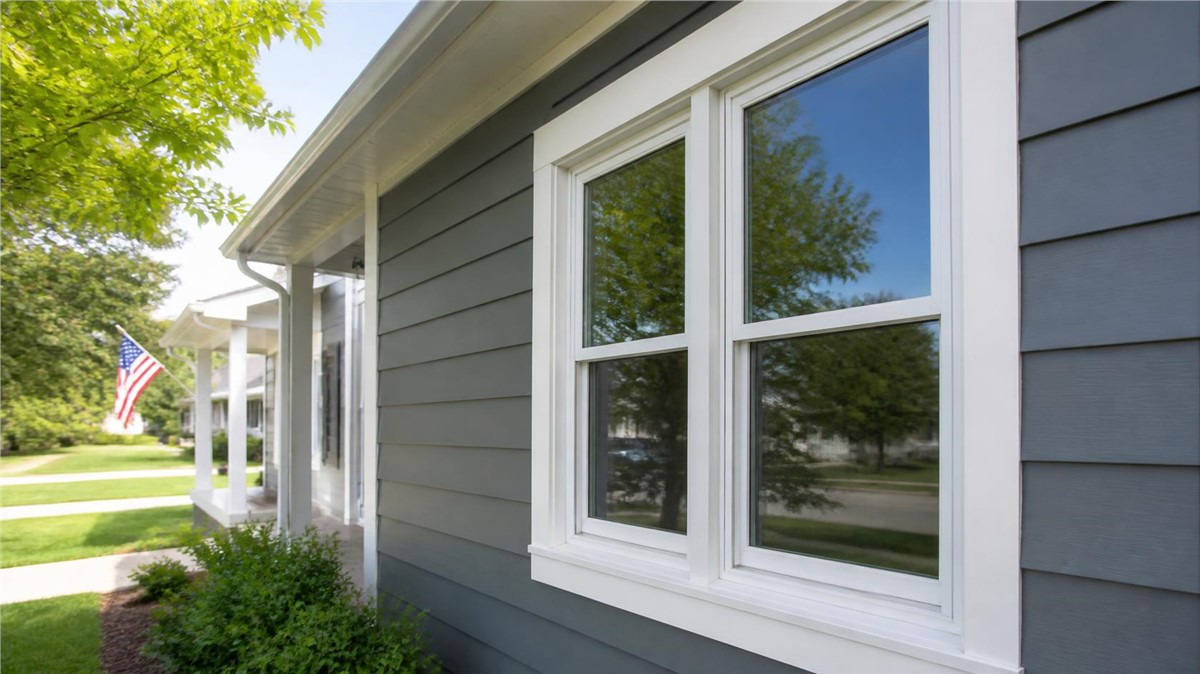
Wind-driven rain can enter around windows if caulking, trim, flashing, or siding is damaged. After high winds, check window areas for moisture or gaps.
Warning signs include:
- Water on window sills
- Stains below windows
- Loose trim
- Failed caulking
- Drafts
- Fogging between panes
- Damp drywall
- Soft exterior trim
If water appears around windows after a windstorm, the surrounding exterior should be inspected.
What Homeowners Can Check Safely
Homeowners can do a safe ground-level inspection after the wind has passed. Do not climb on the roof or use ladders during unsafe conditions.
From the ground, check for:
- Missing shingles
- Shingles in the yard
- Loose gutters
- Bent downspouts
- Debris on the roof
- Loose siding
- Damaged trim
- Water stains indoors
- Attic moisture if safely accessible
Take photos of anything unusual.
What to Document After High Winds
Documentation helps homeowners track damage and explain concerns to a contractor or insurance provider if needed.
Helpful documentation includes:
- Date of the wind event
- Photos of visible damage
- Photos of shingles in the yard
- Interior stain photos
- Gutter or siding damage photos
- Notes about leaks
- Temporary repair receipts
- Contractor inspection findings
If storm damage may be involved, contact your insurance provider for policy-specific guidance.
Temporary Protection Before Repairs
If wind damage has exposed part of the roof or water is entering the home, temporary protection may be needed before permanent repairs are completed.
Temporary steps may include:
- Moving belongings away from leaks
- Protecting flooring
- Placing buckets under drips
- Avoiding wet electrical areas
- Covering exposed areas if safe
- Marking slippery spots
- Taking photos before cleanup
Temporary protection helps reduce damage, but it should not replace a full repair.
Repair vs Replacement
Not every wind-damaged roof needs replacement. Some issues can be repaired if damage is isolated and the roof is otherwise in good condition.
Repair may make sense if:
- A few shingles are missing
- One flashing area is loose
- One vent or pipe boot is damaged
- Gutter damage is limited
- No hidden moisture is found
- The roof is not near the end of its life
Replacement may be better if:
- Shingles are lifted across several slopes
- Leaks keep returning
- The roof is aging
- Granule loss is heavy
- Storm damage is widespread
- Decking is damaged
- Repairs no longer last
A professional inspection can help determine the best option.
Insurance Considerations
If high winds caused roof or exterior damage, homeowners should contact their insurance provider to understand coverage, deductibles, deadlines, documentation requirements, and claim steps.
Helpful records may include:
- Wind event date
- Photos of roof damage
- Interior water stain photos
- Contractor inspection findings
- Temporary repair receipts
- Adjuster communication
- Repair estimates
Every policy is different, so claim guidance should come directly from the insurance provider.
What Should Be Included in a Wind Damage Inspection?
A roof inspection after high winds should review the full roofing system and connected exterior areas.
A contractor may check:
- Shingles
- Ridge caps
- Flashing
- Roof vents
- Pipe boots
- Roof valleys
- Gutters and downspouts
- Fascia and soffit
- Attic moisture
- Interior stains
- Siding near rooflines
- Storm damage areas
This helps determine whether damage is isolated or part of a larger exterior issue.
Why a Full Exterior Inspection Helps
High winds can affect the entire exterior system. Roofing, siding, gutters, windows, flashing, fascia, soffit, trim, and drainage all work together to keep water out.
A full exterior inspection may include:
- Roofing and roof edges
- Gutters and downspouts
- Siding and trim
- Windows and doors
- Flashing
- Fascia and soffit
- Attic and interior moisture signs
- Foundation drainage
- Storm damage areas
Huskie Exteriors provides roofing, siding, window, gutter, and storm damage restoration services, helping homeowners evaluate the full exterior after high winds.
Why Local Exterior Experience Matters
A local contractor understands how Wisconsin weather affects roofs and exterior systems. In Janesville, WI, homes need roofing that can handle high winds, heavy rain, hail, snow, ice, humidity, and freeze-thaw cycles.
Local experience helps homeowners determine whether roof damage is caused by wind, aging shingles, flashing failure, gutter problems, siding gaps, poor ventilation, or hidden moisture.
Conclusion
Roof repair after high winds in Janesville, WI should start with checking missing shingles, lifted shingles, ridge caps, flashing, roof vents, gutters, downspouts, fascia, soffit, siding, attic moisture, and interior stains. Wind damage is not always obvious, so small problems should be inspected before the next storm brings water into the home.
If your roof has missing shingles, lifted sections, damaged flashing, gutter problems, attic moisture, leaks, or storm damage concerns, Huskie Exteriors can inspect your exterior and recommend the right next step.
Contact Huskie Exteriors for professional roofing, siding, window, gutter, and storm damage services in Illinois and Wisconsin.
Subscribe to Huskie Exteriors's Blog






Comments