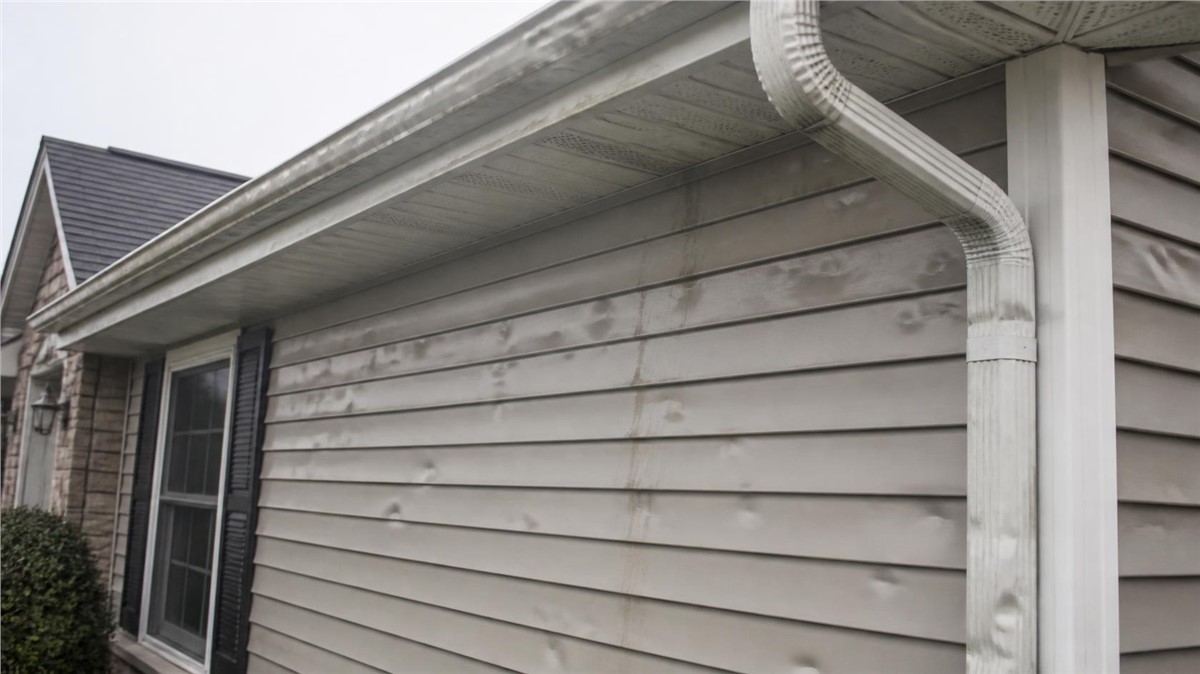
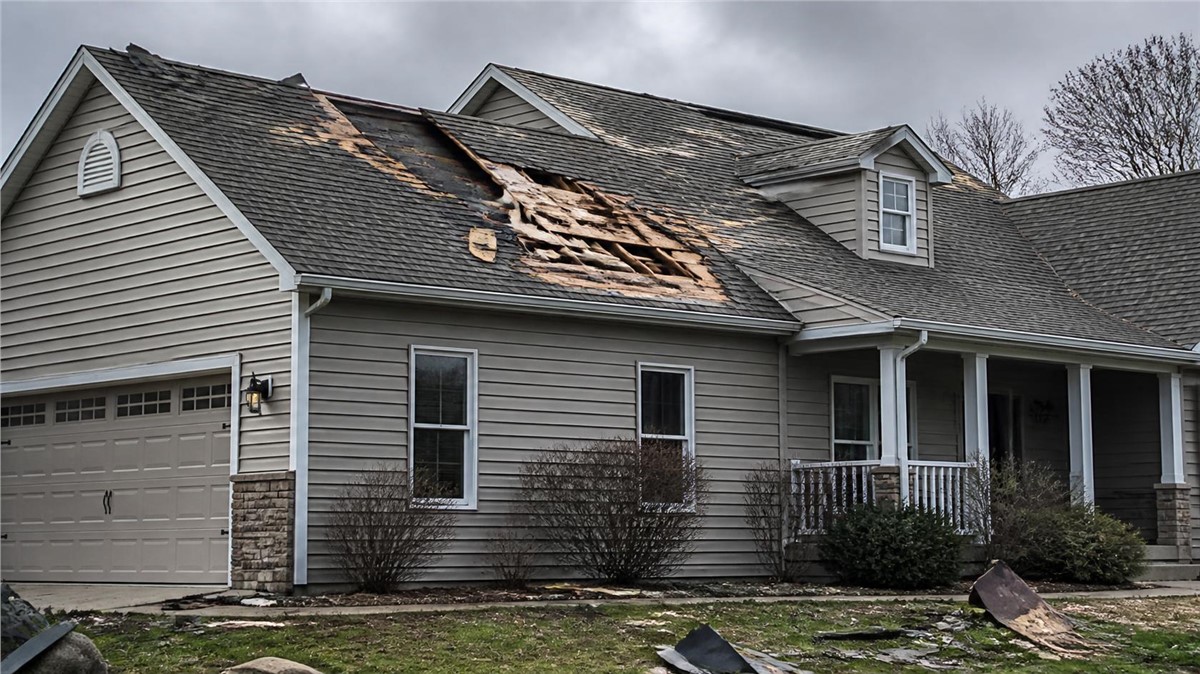
After a hailstorm, most homeowners think about roof damage first. While the roof is important, siding and gutters also take direct impact during severe weather. Hail can crack vinyl siding, dent metal components, damage trim, loosen panels, and affect how gutters move water away from the home.
For homeowners in Lake Geneva, WI, hail damage should be inspected carefully because local weather can include hail, wind, heavy rain, snow, ice, humidity, and freeze-thaw cycles. When siding or gutters are damaged, water may reach places it should not, including wall materials, fascia, soffit, foundation areas, windows, and basement spaces.
This repair guide explains what to check after hail and how to decide between repair and replacement.
Why Siding and Gutters Matter After Hail
Siding and gutters work together to protect the home. Siding shields exterior walls, while gutters move roof runoff away from the roof edge, siding, foundation, and landscaping.
After hail, these systems may be affected by:
- Direct impact
- Wind-driven debris
- Heavy rain
- Loose fasteners
- Cracked panels
- Dented metal
- Damaged trim
- Blocked drainage
- Water backing up near roof edges
Even if the home looks mostly fine from a distance, closer inspection may reveal hidden damage.
Signs of Hail Damage on Siding
Siding damage can vary depending on material, age, storm direction, and hail size. One side of the home may show more damage than another, especially the storm-facing wall.
Common siding damage signs include:
- Cracked panels
- Holes or punctures
- Chipped corners
- Loose siding
- Broken trim pieces
- Warped sections
- Impact marks
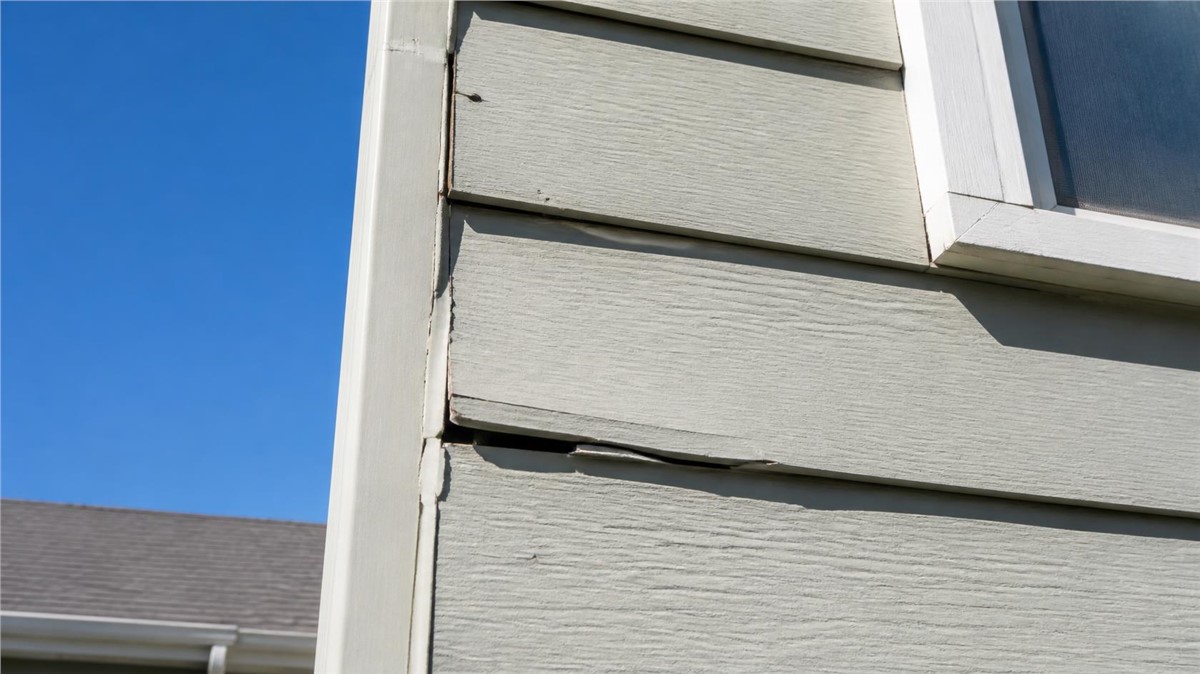
- Gaps near windows or corners
- Water stains after rain
Small cracks should not be ignored because they can allow moisture behind the siding.
Vinyl Siding Hail Damage
Vinyl siding can become brittle over time, especially after years of sun exposure and cold weather. Hail impact may crack or punch holes through older panels.
Vinyl siding damage may appear as:
- Half-moon cracks
- Round impact holes
- Broken lower edges
- Split panels
- Loose sections
- Damage near corners
- Chipped trim
If the siding is older, matching replacement panels may be difficult. That can affect whether repair or larger replacement makes more sense.
Fiber Cement, Composite, and Engineered Siding Damage
Other siding materials may respond differently to hail. Some may dent, chip, crack, or show impact marks depending on the product and storm severity.
A contractor may check for:
- Surface chips
- Cracks
- Exposed layers
- Loose fasteners
- Damaged paint or finish
- Moisture entry points
- Broken trim
- Gaps at seams
The repair approach depends on material type, damage depth, and whether water protection has been affected.
Signs of Hail Damage on Gutters
Gutters are often one of the easiest places to spot hail damage. Dents may appear on gutter faces, downspouts, elbows, or gutter guards.
Gutter hail damage may include:
- Dented gutter runs
- Dented downspouts
- Bent elbows
- Damaged gutter guards
- Loose hangers
- Leaking seams
- Gutters pulling away
- Water overflow during rain
Dents may seem cosmetic, but gutters should still be checked for drainage problems.
Downspout Damage
Downspouts help carry water away from the home. If hail dents, bends, loosens, or blocks them, water may not drain correctly.
Check for:
- Dents on downspouts
- Crushed sections
- Loose elbows
- Disconnected extensions
- Water pooling near the foundation
- Slow drainage during rain
- Soil erosion below outlets
- Ice buildup in winter
Downspout repairs are important because poor drainage can affect the foundation and basement areas.
Gutter Guard Damage
If your home has gutter guards, they should be inspected after hail. Guards can dent, bend, loosen, or block water flow if damaged.
Warning signs include:
- Bent guard panels
- Loose sections
- Debris trapped on top
- Water overshooting the gutter
- Overflow during rain
- Ice buildup during winter
- Gaps along the gutter line
Damaged gutter guards may prevent water from entering the gutter properly.
Water Stains After Hail
Water stains on siding, fascia, soffit, windows, or foundation areas may appear after hail and heavy rain. These stains can point to damaged gutters, loose siding, or water entering behind exterior materials.
Look for:
- Dark streaks on siding
- Stains below gutters
- Water marks around windows
- Soft trim
- Peeling paint
- Mildew growth
- Moisture near doors
- Basement dampness
If stains appear after a storm, the water source should be inspected.
Check Around Windows and Doors
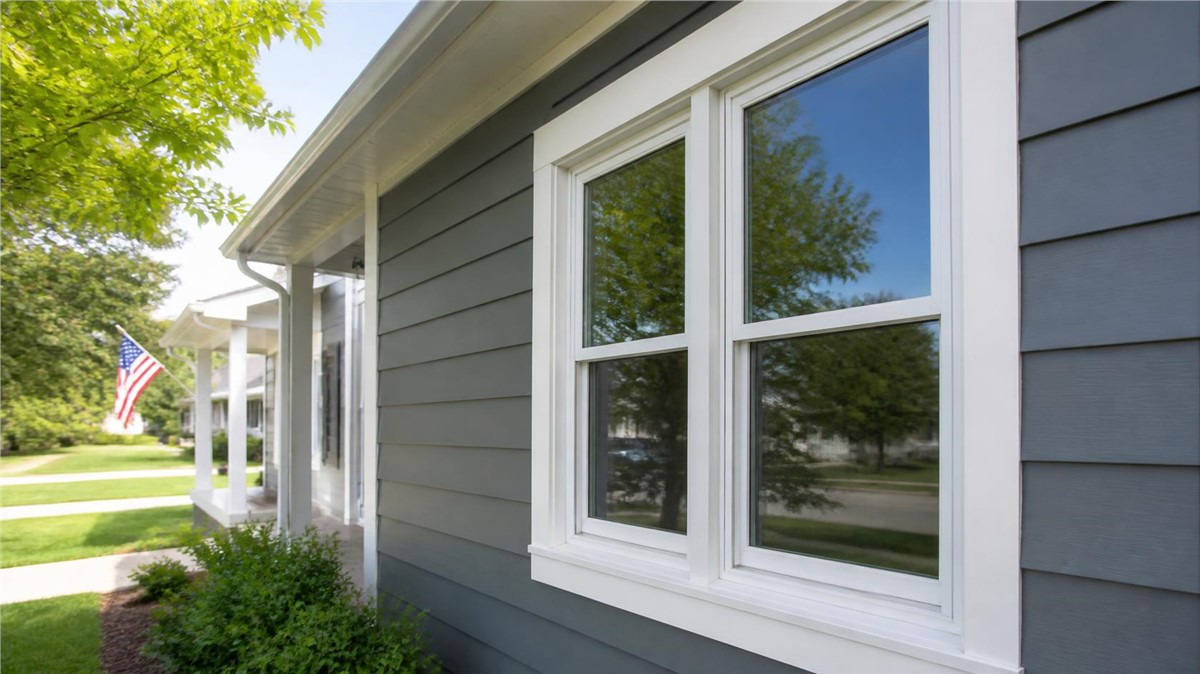
Siding and trim around windows and doors are common weak points after hail. Impact damage or wind-driven rain can loosen materials and create gaps.
Check for:
- Cracked siding near windows
- Loose trim
- Failed caulking
- Water stains below windows
- Torn screens
- Fogging between panes
- Drafts
- Damp drywall
Window areas should be included in the inspection because water can enter through small openings.
Check Fascia and Soffit
Gutters attach near fascia, and soffit areas sit under the roof edge. If hail or gutter damage affects these areas, water may reach roofline materials.
Warning signs include:
- Dented fascia wrap
- Soft fascia
- Loose soffit panels
- Water stains under eaves
- Peeling paint
- Gaps near gutters
- Pest entry points
- Sagging gutter sections
Fascia and soffit damage may need repair before gutters can be properly secured.
Why Damage May Not Be Obvious Right Away
Some hail damage is easy to see, but other damage may appear later. Small siding cracks may expand during freeze-thaw cycles. Gutter dents may affect pitch. Loose panels may allow water behind the siding during the next storm.
Delayed warning signs include:
- Leaks after later rain
- Siding stains
- Loose panels
- Gutter overflow
- Basement moisture
- Water near windows
- Worsening cracks
- Mold or mildew concerns
That is why a full exterior inspection after hail is helpful.
What Homeowners Can Check Safely
Homeowners can perform a basic ground-level check after the storm has passed. Avoid climbing ladders or walking on the roof in unsafe conditions.
From the ground, look for:
- Cracked siding
- Dented gutters
- Dented downspouts
- Loose siding panels
- Torn screens
- Broken trim
- Water stains
- Gutter overflow
- Debris near downspouts
- Hail damage on outdoor surfaces
Take photos of anything unusual before cleanup.
What to Document After Hail
Good documentation can help homeowners stay organized during repairs or if insurance may be involved.
Helpful records include:
- Storm date
- Photos of siding damage
- Photos of gutter dents
- Photos of downspout damage
- Interior water stains
- Window or screen damage
- Videos of gutter overflow
- Contractor inspection findings
- Temporary repair receipts
If storm damage may involve insurance, contact your insurance provider for policy-specific guidance.
Temporary Steps Before Repairs
If siding is open or gutters are not draining, temporary protection may help reduce additional damage before permanent repairs are made.
Temporary steps may include:
- Moving items away from leaks
- Directing downspouts away from the home
- Marking slippery areas
- Covering exposed siding if safe
- Keeping water away from foundations
- Taking photos before cleanup
- Avoiding damaged areas during storms
Temporary steps are helpful, but they should not replace a full repair.
Siding Repair Options
Siding repair may be possible when the damage is limited and matching material is available.
Repair options may include:
- Replacing cracked panels
- Reattaching loose siding
- Repairing trim
- Sealing small gaps where appropriate
- Replacing damaged corner posts
- Correcting flashing around openings
- Addressing moisture behind siding
Repair should focus on restoring protection, not just appearance.
Gutter Repair Options
Gutter repairs may be possible if damage is isolated and the system still drains well.
Repair options may include:
- Replacing damaged sections
- Reattaching loose gutters
- Replacing hangers
- Resealing seams
- Adjusting pitch
- Replacing damaged downspouts
- Clearing blocked outlets
- Adding extensions
If gutters are badly dented, sagging, leaking repeatedly, or no longer draining properly, replacement may be better.
When Replacement May Be Better
Replacement may be the better choice when damage is widespread or repairs would not provide lasting protection.
Siding replacement may be better if:
- Many panels are cracked
- Siding is brittle
- Damage appears on multiple walls
- Moisture is behind the siding
- Matching panels are unavailable
- Repairs would look patchy
Gutter replacement may be better if:
- Gutters are dented throughout
- Seams leak repeatedly
- Sections are bent or sagging
- Downspouts are damaged
- Water overflows often
- Fascia damage is present
A professional inspection can help determine the right scope.
Insurance Considerations
If hail damage may be storm-related, homeowners should contact their insurance provider to understand coverage, deductibles, deadlines, documentation requirements, and claim steps.
Helpful records may include:
- Storm date notes
- Exterior damage photos
- Interior water stain photos
- Contractor inspection findings
- Temporary repair receipts
- Adjuster communication
- Repair estimates
Every policy is different, so claim guidance should come directly from the insurance provider.
What Should Be Included in a Hail Damage Inspection?
A hail damage inspection should review more than one wall or one gutter section. Storm damage can affect several exterior systems at the same time.
A contractor may check:
- Siding panels
- Trim and corners
- Windows and screens
- Gutters and downspouts
- Gutter guards
- Fascia and soffit
- Roofing and roof edges
- Flashing
- Interior moisture signs
- Foundation drainage
This helps homeowners understand whether the damage is isolated or part of a larger exterior concern.
Why a Full Exterior Inspection Helps
Siding and gutter damage after hail can be connected to roof, window, trim, fascia, soffit, and drainage issues. Looking at only one area may miss related damage.
A full exterior inspection may include:
- Roofing
- Siding
- Gutters and downspouts
- Windows and screens
- Flashing
- Fascia and soffit
- Exterior trim
- Interior moisture signs
- Foundation drainage
- Storm damage areas
Huskie Exteriors provides roofing, siding, window, gutter, and storm damage restoration services, helping homeowners evaluate the full exterior after hail damage.
Why Local Exterior Experience Matters
A local contractor understands how Wisconsin storms affect home exteriors. In Lake Geneva, WI, homes need siding and gutters that can handle hail, wind, heavy rain, snow, ice, humidity, and freeze-thaw cycles.
Local experience helps homeowners determine whether damage is cosmetic, repairable, storm-related, moisture-related, or connected to a larger exterior system problem.
Conclusion
Siding and gutter damage after hail in Lake Geneva, WI should be inspected carefully because cracks, dents, loose panels, leaking seams, damaged downspouts, and water stains can affect how the home handles future storms. Some damage can be repaired, while widespread siding or gutter damage may require replacement.
If your home has cracked siding, dented gutters, damaged downspouts, loose trim, water stains, roof concerns, or storm damage, Huskie Exteriors can inspect your exterior and recommend the right next step.
Contact Huskie Exteriors for professional roofing, siding, window, gutter, and storm damage services in Illinois and Wisconsin.
Subscribe to Huskie Exteriors's Blog






Comments