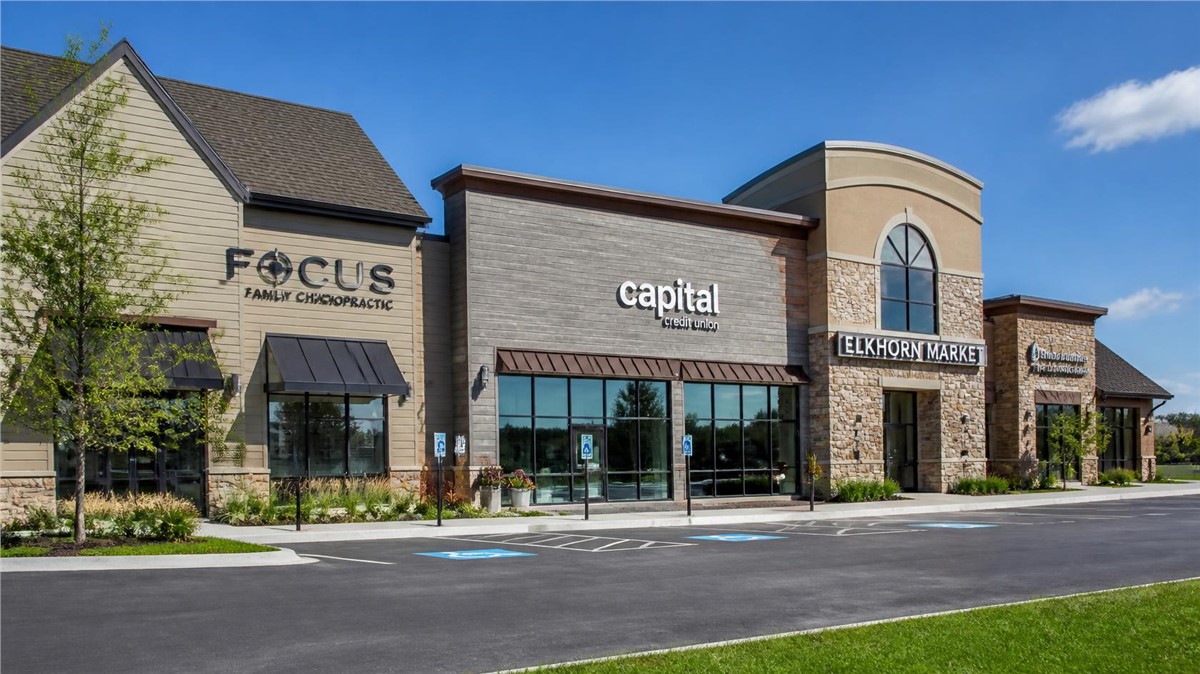
Commercial buildings need regular exterior maintenance to stay protected, functional, and professional-looking. The exterior is the first line of defense against wind, rain, snow, ice, hail, humidity, sun exposure, and freeze-thaw cycles. When roofing, siding, gutters, windows, or drainage systems are ignored, small issues can turn into leaks, tenant complaints, safety concerns, and larger repair bills.
For commercial property owners and managers in Elkhorn, WI, a maintenance budget should be practical and proactive. It should cover routine inspections, seasonal upkeep, minor repairs, emergency needs, and long-term replacement planning.
This guide explains what to include in a commercial exterior maintenance budget and why each item matters.
Why Exterior Maintenance Budgeting Matters
A commercial exterior maintenance budget helps property owners plan instead of reacting. Without a budget, exterior repairs often happen only after leaks, storm damage, drainage problems, or visible deterioration appear.
A good budget can help with:
- Reducing emergency repair costs
- Protecting tenants and employees
- Maintaining curb appeal
- Preventing water damage
- Extending roof and siding life
- Planning replacements early
- Improving property value
- Reducing business disruption
Preventive maintenance is usually easier to manage than urgent repairs during bad weather.
Include Routine Roof Inspections
The roof should be one of the first items in a commercial exterior maintenance budget. Commercial roofs often have large surface areas, drainage points, seams, rooftop equipment, and flashing details that need regular review.
Budget for inspections of:
- Roof surface condition
- Open seams
- Cracks or punctures
- Ponding water
- Flashing
- Roof drains
- Scuppers
- Gutters
- Rooftop equipment
- Previous repair areas
- Interior leak signs
Regular roof inspections help identify small problems before they become active leaks.
Include Roof Repairs
A commercial roof may need periodic repairs, especially after storms or heavy seasonal wear. Even if replacement is not needed yet, repairs should be part of the budget.
Common roof repairs may include:
- Sealing open seams
- Repairing flashing
- Fixing punctures
- Replacing damaged shingles or membrane sections
- Repairing roof edges
- Addressing leaks around HVAC curbs
- Correcting drainage issues
- Replacing pipe boots or vent details
A repair allowance helps property managers respond quickly when roof problems appear.
Include Roof Replacement Planning
Even a well-maintained roof will eventually need replacement. A maintenance budget should include long-term planning for roof replacement instead of waiting until leaks become frequent.
Replacement planning should consider:
- Roof age
- Repair history
- Leak frequency
- Drainage performance
- Wet insulation
- Material condition
- Warranty status
- Business operations
- Tenant needs
- Seasonal timing
Planning ahead helps avoid rushed decisions when the roof is already failing.
Include Gutter and Downspout Maintenance
Gutters and downspouts are essential for water management. If they clog, sag, leak, or overflow, water can damage roofing edges, siding, fascia, soffit, foundations, walkways, landscaping, and interior spaces.
Budget for:
- Gutter cleaning
- Downspout clearing
- Seam repairs
- Hanger replacement
- Pitch correction
- Downspout extensions
- Gutter guard inspection
- Ice damage repairs
- Drainage improvements
For commercial buildings, poor drainage can quickly create safety concerns near entrances, sidewalks, parking areas, and loading zones.
Include Roof Drain and Scupper Cleaning
Flat and low-slope commercial roofs often depend on internal drains and scuppers. If these areas are blocked, water may pond on the roof and increase leak risks.
Include maintenance for:
- Roof drains
- Scuppers
- Strainers
- Drain baskets
- Overflow outlets
- Debris removal
- Drainage path checks
- Ice buildup review
Drainage should be checked before heavy rain, fall debris, and winter freezing conditions.
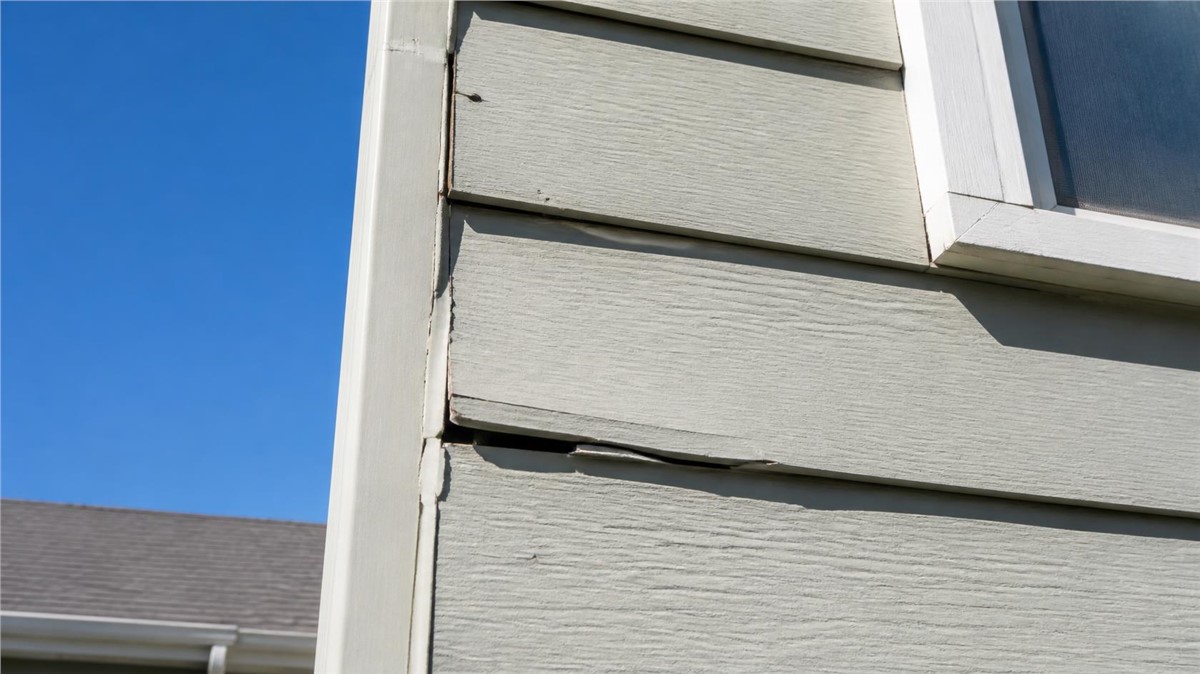
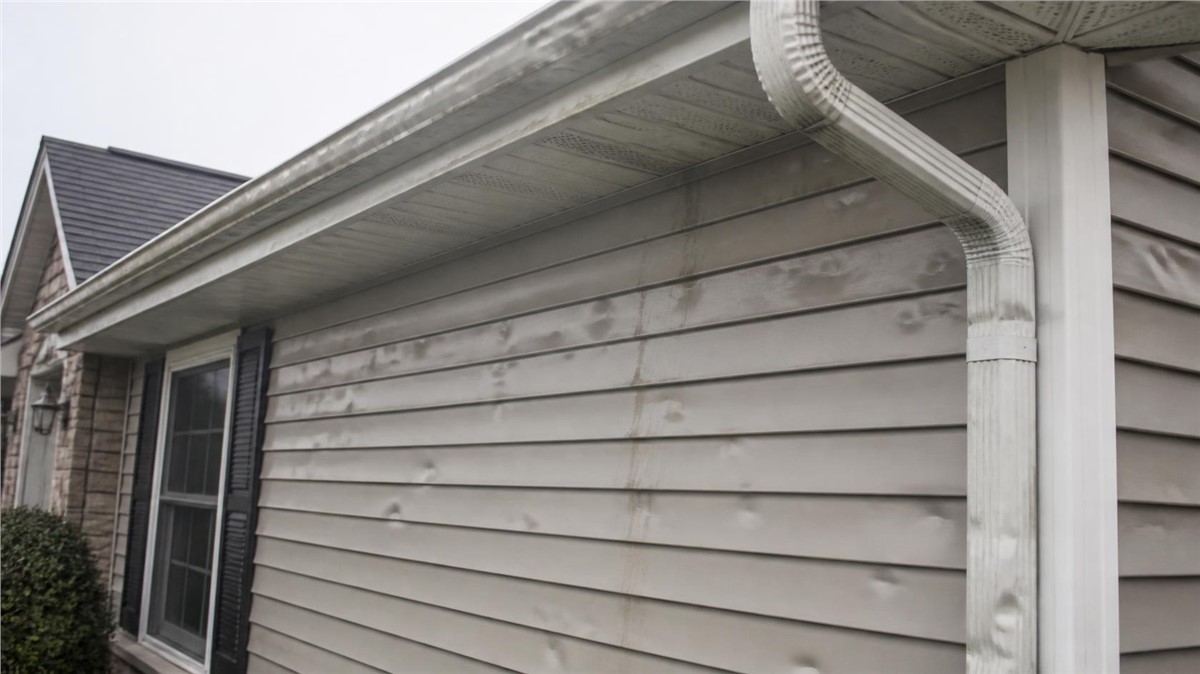
Include Siding and Wall Panel Repairs
Commercial siding and wall panels protect the building from wind, moisture, impact, and daily exposure. Damage may affect both appearance and weather protection.
Budget for:
- Loose siding panels
- Cracked siding
- Impact dents
- Open seams
- Warped sections
- Rust or corrosion
- Damaged trim
- Water stains
- Panel replacement
- Sealant or flashing concerns
Siding damage should be addressed early, especially if water can enter behind the exterior surface.
Include Window and Door Maintenance
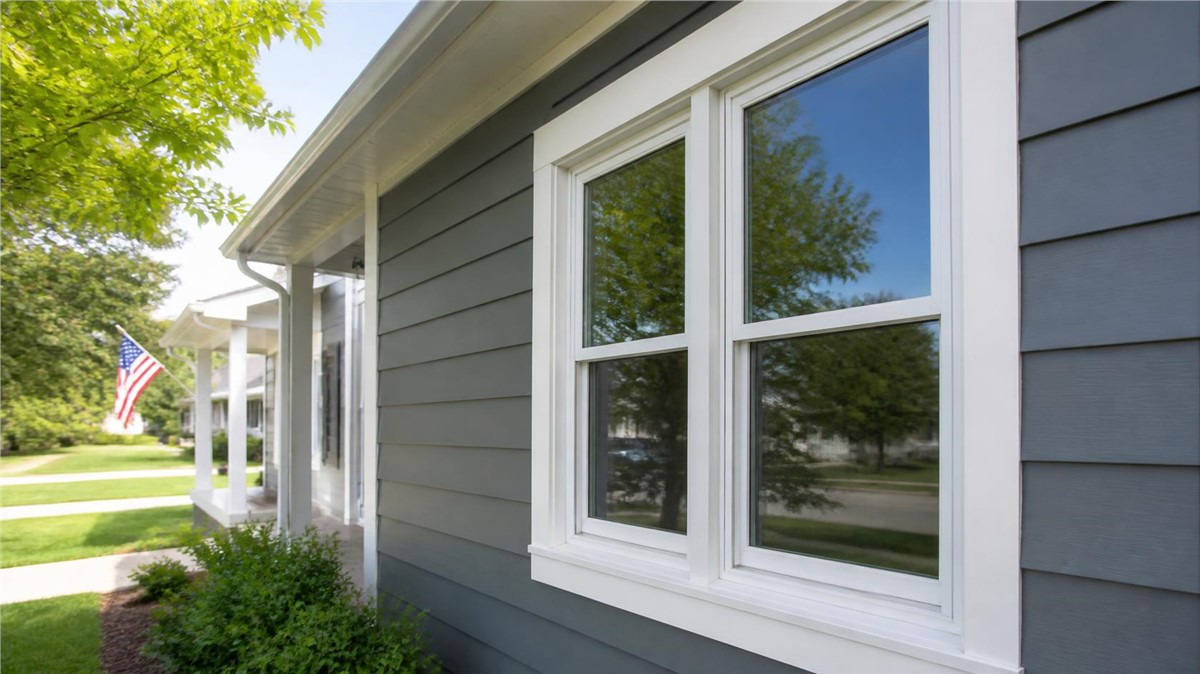
Windows and doors are common sources of drafts, leaks, and exterior wear. Commercial buildings may have storefront windows, office windows, service doors, overhead doors, and tenant entrances.
Budget for checking:
- Failed seals
- Fogged glass
- Cracked glass
- Drafts
- Loose trim
- Failed caulking
- Door thresholds
- Weatherstripping
- Frame damage
- Water stains
- Hardware problems
Well-maintained windows and doors help protect comfort, safety, and appearance.
Include Flashing and Sealant Review
Flashing and sealants protect vulnerable transition points. These areas are often small, but they can cause major leaks when they fail.
Important areas include:
- Roof-to-wall transitions
- Window trim
- Door openings
- Parapet walls
- HVAC curbs
- Pipe penetrations
- Roof edges
- Expansion joints
- Siding transitions
Budgeting for flashing and sealant maintenance can help prevent hidden moisture problems.
Include Fascia and Soffit Repairs
Fascia and soffit areas help protect roof edges and support certain drainage systems. If they are damaged, water may reach areas behind the exterior finish.
Budget for:
- Loose soffit panels
- Soft fascia
- Peeling paint
- Water stains
- Pest entry points
- Damaged ventilation areas
- Gutter attachment problems
- Roof edge repairs
Fascia and soffit repairs are especially important when gutter damage or roof edge leaks are present.
Include Storm Damage Inspections
Storms can affect the entire exterior of a commercial building. Wind, hail, heavy rain, snow, and ice may damage roofing, siding, gutters, windows, trim, and drainage systems.
Budget for inspections after:
- High winds
- Hailstorms
- Heavy rain
- Ice buildup
- Snow events
- Falling branches
- Freeze-thaw cycles
- Severe seasonal weather
A post-storm inspection can help identify damage before leaks or tenant complaints appear.
Include Emergency Repair Funds
Even with good maintenance, emergency repairs can still happen. A storm, falling branch, active leak, or sudden gutter failure may require fast action.
Emergency repair funds may cover:
- Temporary roof protection
- Active leak response
- Damaged gutter repair
- Loose siding repair
- Broken window protection
- Water diversion
- Interior protection
- Safety-related exterior repairs
Setting aside funds for emergencies helps property owners respond without delaying necessary work.
Include Seasonal Maintenance
Commercial exterior maintenance should change with the season. Elkhorn properties face different risks in spring, summer, fall, and winter.
Seasonal maintenance may include:
- Spring storm damage checks
- Summer siding and sealant review
- Fall gutter cleaning
- Winter ice damage checks
- Drainage inspections
- Roof debris removal
- Snow and ice monitoring
- Window and door sealing
A seasonal schedule keeps maintenance organized throughout the year.
Include Drainage and Site Water Management
Exterior maintenance is not only about the building surface. Water around the building also matters. Poor site drainage can lead to foundation moisture, basement concerns, walkway hazards, and landscape erosion.
Budget for checking:
- Downspout discharge areas
- Foundation pooling
- Exterior drains
- Low spots near entrances
- Parking lot drainage
- Loading dock drainage
- Soil erosion
- Basement moisture signs
- Ice-prone walkways
Water should move away from the building, not toward doors, walls, or foundations.
Include Exterior Safety Concerns
Commercial properties must consider safety for employees, tenants, customers, vendors, and visitors. Exterior maintenance can help reduce hazards.
Budget for addressing:
- Loose materials
- Falling gutter sections
- Icicles near entrances
- Slippery drainage areas
- Broken glass
- Loose siding panels
- Damaged trim
- Water pooling on walkways
- Debris near access points
Safety-related repairs should be prioritized because they can affect daily operations.
Include Tenant and Business Disruption Planning
Commercial exterior work can affect parking, entrances, deliveries, signage, tenant access, and customer traffic. The budget should allow for planning and coordination.
Consider costs related to:
- Work area setup
- Safety barriers
- Material staging
- After-hours scheduling
- Tenant communication
- Temporary access routes
- Cleanup
- Interior protection
Planning ahead helps reduce interruptions during maintenance or repair work.
Include Documentation and Inspection Reports
Good documentation helps property owners make better budget decisions. It also creates a record of maintenance, repairs, storm damage, and replacement planning.
Helpful documentation includes:
- Inspection reports
- Roof photos
- Siding photos
- Gutter condition notes
- Window and door records
- Repair invoices
- Warranty documents
- Storm damage photos
- Maintenance schedules
Documentation is also useful if insurance questions arise after storm damage.
Include Warranty and Maintenance Requirements
Some roofing, siding, window, or gutter systems may have warranty requirements. Maintenance records may be important if a warranty issue comes up.
Budget planning should include:
- Required inspections
- Cleaning requirements
- Repair documentation
- Approved materials
- Contractor guidelines
- Warranty registration
- Maintenance logs
Property owners should keep warranty paperwork organized and review what maintenance is expected.
Include Planned Replacement Reserves
A strong maintenance budget should separate routine repairs from future replacements. Major exterior systems may not fail all at once, but they should still be planned for.
Replacement reserves may include:
- Commercial roof replacement
- Siding replacement
- Window replacement
- Gutter replacement
- Fascia and soffit replacement
- Exterior trim updates
- Door replacement
- Drainage improvements
Planning replacement reserves helps avoid sudden financial pressure when a major system reaches the end of its service life.
Include Professional Inspections
A professional inspection can help property owners prioritize the budget. Instead of guessing, the inspection can identify what needs immediate repair, what should be monitored, and what may need replacement later.
A professional may evaluate:
- Roofing
- Gutters and downspouts
- Roof drains
- Siding and wall panels
- Windows and doors
- Flashing
- Fascia and soffit
- Interior moisture signs
- Storm damage
- Drainage concerns
This creates a clearer plan for maintenance spending.
How to Prioritize the Budget
Not every exterior issue has the same urgency. A practical budget should prioritize problems that can lead to water damage, safety risks, or operational disruption.
High-priority items may include:
- Active roof leaks
- Wet insulation
- Open flashing
- Severe gutter overflow
- Loose siding panels
- Broken windows
- Water near entrances
- Fascia damage
- Interior moisture
Lower-priority items may include cosmetic fading, minor staining, or future upgrades that do not affect protection yet.
Repair vs Replacement Budgeting
A maintenance budget should account for both small repairs and future replacement. Repairs may work when issues are isolated, but replacement may be more cost-effective when damage is widespread.
Repair may make sense if:
- Damage is limited
- The system is still performing
- Matching materials are available
- No hidden moisture is present
- The issue can be corrected safely
Replacement may be better if:
- Repairs keep recurring
- Leaks are frequent
- Materials are aging
- Moisture has spread
- Damage affects several areas
- Maintenance costs are increasing
A contractor can help compare repair and replacement options.
Insurance Considerations
If exterior damage may be storm-related, commercial property owners should contact their insurance provider to understand coverage, deductibles, documentation requirements, deadlines, and claim steps.
Helpful records may include:
- Storm date notes
- Exterior damage photos
- Interior leak photos
- Contractor inspection findings
- Maintenance records
- Temporary repair receipts
- Repair estimates
Every policy is different, so insurance guidance should come directly from the provider.
What Should Be Included in a Commercial Exterior Inspection?
A commercial exterior inspection should look at the full building envelope and water management system.
A contractor may check:
- Commercial roofing
- Roof drains and scuppers
- Gutters and downspouts
- Siding and wall panels
- Windows and doors
- Flashing and sealants
- Fascia and soffit
- Exterior trim
- Interior moisture signs
- Site drainage
- Storm damage areas
This helps property owners build a more accurate maintenance budget.
Why a Full Exterior Inspection Helps
Commercial exterior systems work together. A roof leak may involve flashing, gutters, rooftop equipment, or wall transitions. Siding stains may come from gutter overflow. Window leaks may involve trim, caulking, flashing, or siding.
A full exterior inspection helps connect the details and prevent missed problems.
Huskie Exteriors provides roofing, siding, window, gutter, and storm damage restoration services, helping commercial property owners evaluate the full exterior system and plan maintenance more effectively.
Why Local Exterior Experience Matters
A local contractor understands how Wisconsin weather affects commercial buildings. In Elkhorn, WI, properties need exterior systems that can handle wind, hail, heavy rain, snow, ice, humidity, sun exposure, and freeze-thaw cycles.
Local experience helps property owners determine whether maintenance needs are caused by age, storm damage, poor drainage, roof leaks, flashing failure, siding wear, gutter problems, window leaks, or winter damage.
Conclusion
A commercial exterior maintenance budget in Elkhorn, WI should include roof inspections, roof repairs, gutter and downspout maintenance, roof drain cleaning, siding repairs, window and door maintenance, flashing, fascia, soffit, drainage, storm inspections, emergency funds, seasonal upkeep, documentation, and long-term replacement planning.
If your commercial building has roof concerns, gutter problems, siding damage, window leaks, drainage issues, storm damage, or aging exterior materials, Huskie Exteriors can inspect the property and recommend the right next step.
Contact Huskie Exteriors for professional roofing, siding, window, gutter, and storm damage services in Illinois and Wisconsin.
Subscribe to Huskie Exteriors's Blog





Comments