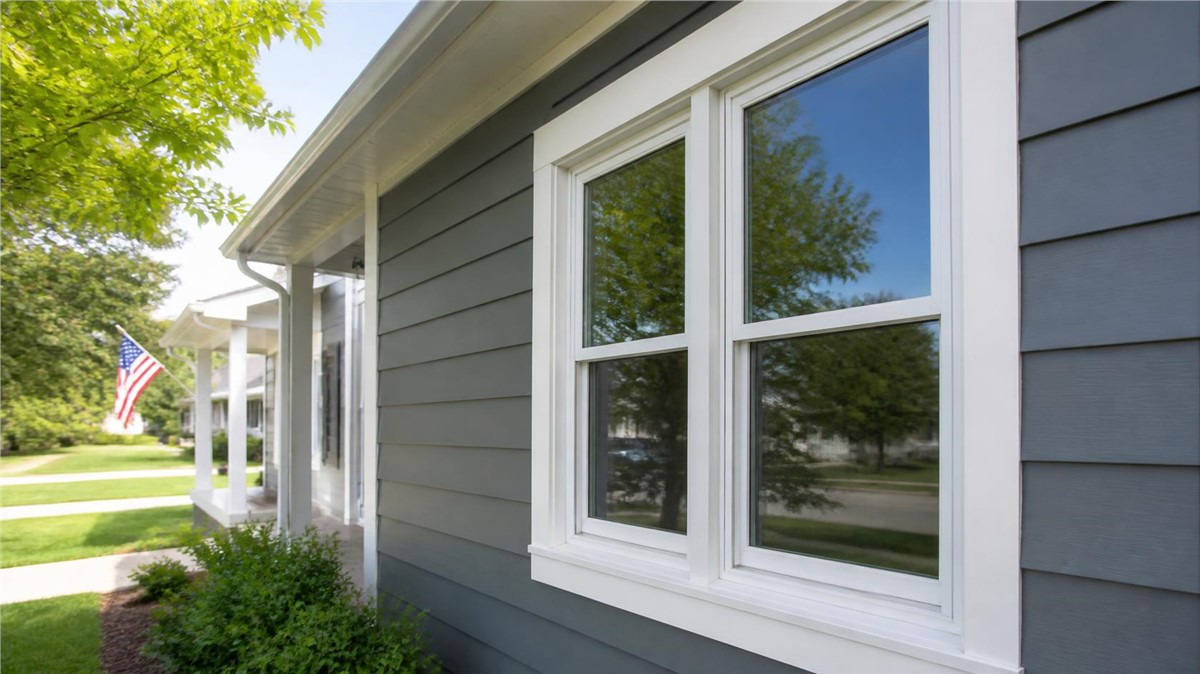
Windows do more than bring light into a home. They help with comfort, airflow, energy performance, curb appeal, safety, and protection from weather. When windows are old, damaged, poorly sealed, or no longer operating properly, they can affect the way a home feels and performs throughout the year.
For homeowners in Beloit, WI, windows need to handle Midwest weather, including heavy rain, wind, snow, ice, humidity, sun exposure, and freeze-thaw cycles. Over time, these conditions can affect glass seals, frames, trim, caulking, hardware, and surrounding siding.
This FAQ guide answers common questions homeowners ask when thinking about home window replacement.
When Should Home Windows Be Replaced?
Windows may need replacement when they no longer perform properly or when repairs are no longer practical.
Common signs include:
- Drafts near windows
- Fogging between glass panes
- Condensation problems
- Windows that are hard to open
- Windows that will not lock
- Rotting or soft trim
- Water stains nearby
- Cracked glass
- Warped frames
- Outdated appearance
- Repeated repair needs
If several windows have the same issues, replacement may be more practical than repairing one window at a time.
Are Drafty Windows a Big Problem?
Drafty windows can make a home feel less comfortable, especially during cold Wisconsin winters or windy days. Drafts may come from worn weatherstripping, old frames, poor installation, failed caulking, or gaps around the window opening.
Drafts may lead to:
- Cold spots near windows
- Uneven room temperatures
- More strain on heating and cooling systems
- Dust entering around gaps
- Moisture concerns
- Lower indoor comfort
If drafts continue after basic sealing, the window may need a closer inspection.
What Does Fog Between Window Panes Mean?
Fog between panes usually means the insulated glass seal has failed. When the seal fails, moisture can enter between the glass layers and create cloudy or foggy appearance.
You may notice:
- Fog that will not wipe away
- Cloudy glass
- Moisture between panes
- Mineral-like marks inside glass
- Reduced visibility
- Uneven appearance from window to window
Fogged glass may not always require full window replacement, but if the windows are older or several are affected, replacement may be worth considering.
Why Are My Windows Hard to Open?
Windows should open, close, and lock smoothly. If they stick, jam, scrape, or will not stay open, there may be an issue with the frame, balance system, hardware, swelling, or installation.
Common causes include:
- Warped frames
- Damaged hardware
- Painted-shut windows
- Foundation or settling movement
- Moisture swelling
- Broken balances
- Aging materials
A window that does not operate properly can affect ventilation, safety, and convenience.
Can Old Windows Cause Water Damage?
Yes. Old or damaged windows can allow water into the surrounding wall system if seals, flashing, trim, or caulking fail.
Warning signs include:
- Water stains below windows
- Peeling paint
- Soft drywall
- Damp trim
- Mold or mildew smell
- Bubbling paint
- Warped window sills
- Stains on siding below windows
If water is entering around a window, the surrounding siding, trim, and flashing should also be checked.
How Does Beloit Weather Affect Windows?
Beloit homes face changing weather throughout the year. Temperature swings, wind, rain, snow, ice, and humidity can all affect window performance.
Weather can contribute to:
- Failed seals
- Cracked caulking
- Drafts
- Moisture around trim
- Warped materials
- Sticking windows
- Exterior wear
- Condensation concerns
Windows should be installed and sealed properly to help handle seasonal changes.
What Window Styles Can Homeowners Choose?
Window style affects appearance, ventilation, cleaning, and function. The best option depends on room layout, home style, budget, and homeowner goals.
Common window styles include:
- Double-hung windows
- Casement windows
- Sliding windows
- Picture windows
- Bay windows
- Bow windows
- Awning windows
- Basement windows
- Specialty shape windows
A contractor can help match the window style to the room and exterior design.
Are Double-Hung Windows a Good Option?
Double-hung windows are common in many homes because both sashes can move, depending on the design. They are often used in bedrooms, living rooms, dining rooms, and other main areas.
Benefits may include:
- Classic appearance
- Flexible ventilation
- Easy operation
- Good fit for many home styles
- Practical replacement option
- Easier cleaning features on some models
Double-hung windows are often a strong choice for homeowners who want a familiar, versatile window style.
Are Casement Windows Good for Ventilation?
Casement windows open outward with a crank, allowing airflow through a wide opening. They are often used in kitchens, bedrooms, bathrooms, and areas where homeowners want more ventilation.
Casement windows may offer:
- Strong airflow
- Clear outdoor views
- Tight closure when locked
- Modern appearance
- Easy operation in certain spaces
They can be especially useful in rooms that need extra fresh air.
Should I Replace All Windows at Once?
Replacing all windows at once can create a consistent appearance and may be more efficient for larger exterior updates. However, some homeowners choose to replace windows in phases.
All-at-once replacement may make sense if:
- Most windows are old
- Several windows are drafty
- Many seals have failed
- The home needs a full exterior update
- Matching appearance matters
- Energy comfort is a priority
Phased replacement may make sense if only a few windows are damaged or budget needs to be spread out.
Can I Replace Only One or Two Windows?
Yes. If only one or two windows are damaged, replacement can sometimes be handled as a smaller project. This may be practical after storm damage, glass failure, or isolated frame problems.
However, homeowners should consider:
- Whether the new windows will match
- Whether surrounding trim is damaged
- Whether siding needs adjustment
- Whether other windows are near the same age
- Whether more windows may fail soon
A contractor can help determine whether single-window replacement is practical.
What Should Be Included in a Window Replacement Estimate?
A clear estimate helps homeowners understand the project and compare options.
A window replacement estimate may include:
- Number of windows
- Window style
- Frame material
- Glass package
- Trim details
- Removal of old windows
- Installation method
- Interior and exterior finishing
- Cleanup
- Warranty information
- Any related siding or trim work
The estimate should also explain what happens if hidden damage is found around the window opening.
Will Window Replacement Affect My Siding?
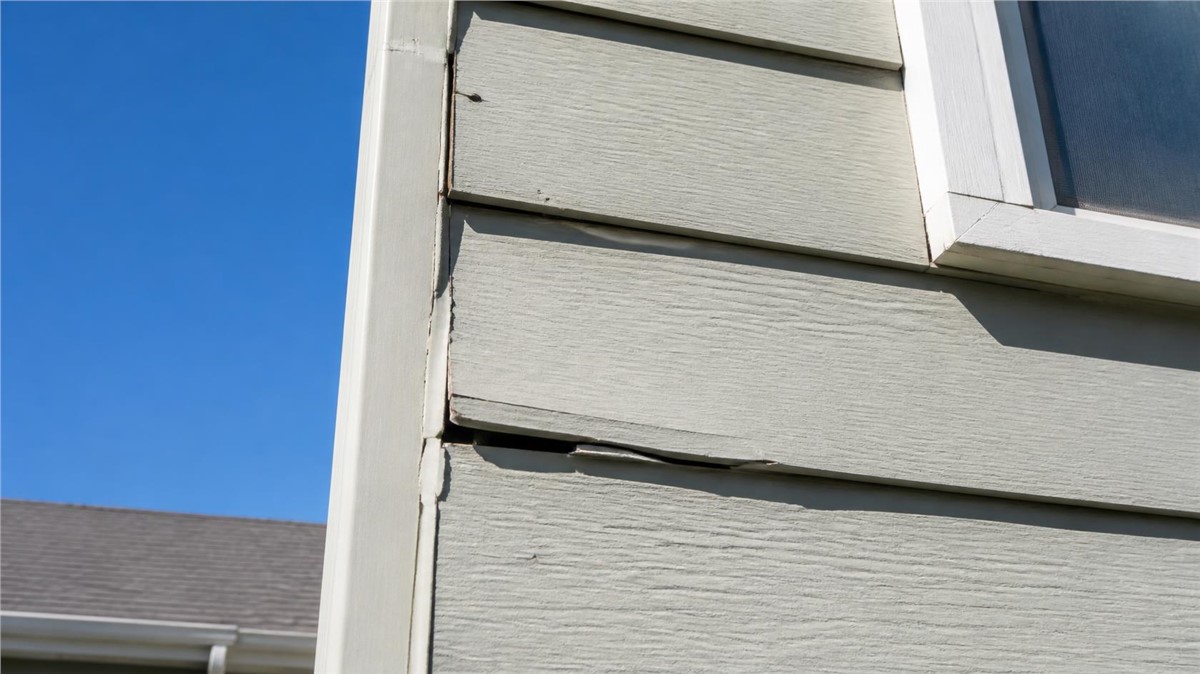
Sometimes window replacement involves surrounding siding or trim. If the window opening has moisture damage, poor flashing, or old trim, extra exterior work may be needed.
Siding or trim may need attention if:
- Water stains are present
- Trim is soft or rotted
- Siding is cracked near the window
- Flashing is missing or damaged
- Caulking has failed
- Window size changes
- Old installation details were incorrect
Checking siding and trim helps protect the new window installation.
What About Interior Trim?
Interior trim may need to be removed, adjusted, replaced, or touched up during window replacement. The amount of interior work depends on the installation method and window condition.
Interior details may include:
- Window casing
- Sill condition
- Paint touch-ups
- Drywall repairs
- Moisture stains
- Caulking
- Finish style
Homeowners should ask what interior finish work is included before the project begins.
Are Replacement Windows Energy Efficient?
Modern replacement windows can help improve comfort when they are properly selected and installed. Glass packages, frame materials, sealing, and installation quality all affect performance.
Energy-related features may include:
- Insulated glass
- Low-E glass options
- Multiple panes
- Gas fills
- Weatherstripping
- Improved locking systems
- Better sealing around the frame
The right windows can help reduce drafts and improve comfort, especially when paired with proper exterior sealing.
Can New Windows Reduce Condensation?
New windows may help reduce some condensation problems, especially when old windows are drafty or poorly sealed. However, condensation can also be affected by indoor humidity, ventilation, window coverings, and temperature differences.
Condensation may be connected to:
- Indoor humidity levels
- Poor ventilation
- Cold glass surfaces
- Failed glass seals
- Air leaks
- Heavy curtains blocking airflow
- Bathroom or kitchen moisture
If condensation is between panes, that usually points to glass seal failure.
How Long Does Window Replacement Take?
Project timing depends on the number of windows, window type, home condition, weather, material availability, and whether hidden damage is found. A small replacement may be quicker, while a full-home window project requires more planning.
Factors that affect timing include:
- Number of windows
- Window sizes
- Custom orders
- Exterior trim needs
- Interior finishing
- Weather conditions
- Siding adjustments
- Moisture repairs
A contractor should explain the expected schedule before work begins.
Can Windows Be Replaced in Cold Weather?
Windows can sometimes be replaced in colder seasons, but weather conditions matter. Extremely cold temperatures, snow, ice, wind, and active precipitation may affect scheduling and installation conditions.
Before winter work, ask:
- What weather conditions are acceptable?
- How will openings be protected?
- How long will each window be open?
- Will interior areas be covered?
- Are materials ready?
- What happens if weather delays the project?
Proper planning helps reduce disruption.
What Should Homeowners Do Before Installation?
A little preparation can make window replacement smoother.
Homeowners may be asked to:
- Move furniture away from windows
- Remove curtains or blinds
- Clear wall decorations nearby
- Protect valuables
- Keep pets away from work areas
- Provide driveway or access space
- Discuss interior protection
- Confirm project details before work starts
The contractor should explain what needs to be done before installation day.
Repair vs Replacement
Some window problems can be repaired, but replacement may be better when damage is widespread or the window no longer performs well.
Repair may make sense if:
- Hardware needs adjustment
- Caulking needs replacement
- One trim area is damaged
- One glass unit has failed
- The frame is still solid
- The window is newer
Replacement may be better if:
- Windows are drafty throughout the home
- Several seals have failed
- Frames are warped or damaged
- Windows are hard to operate
- Water damage is present
- The home needs an exterior update
- Repairs no longer last
A professional inspection can help determine the best option.
What Should Be Included in a Window Inspection?
A window inspection should look at the window and the surrounding exterior.
A contractor may check:
- Glass condition
- Window seals
- Frames
- Sashes
- Locks and hardware
- Weatherstripping
- Caulking
- Interior trim
- Exterior trim
- Siding near windows
- Flashing
- Moisture signs
This helps identify whether the issue is with the window itself or the surrounding exterior system.
Why a Full Exterior Inspection Helps
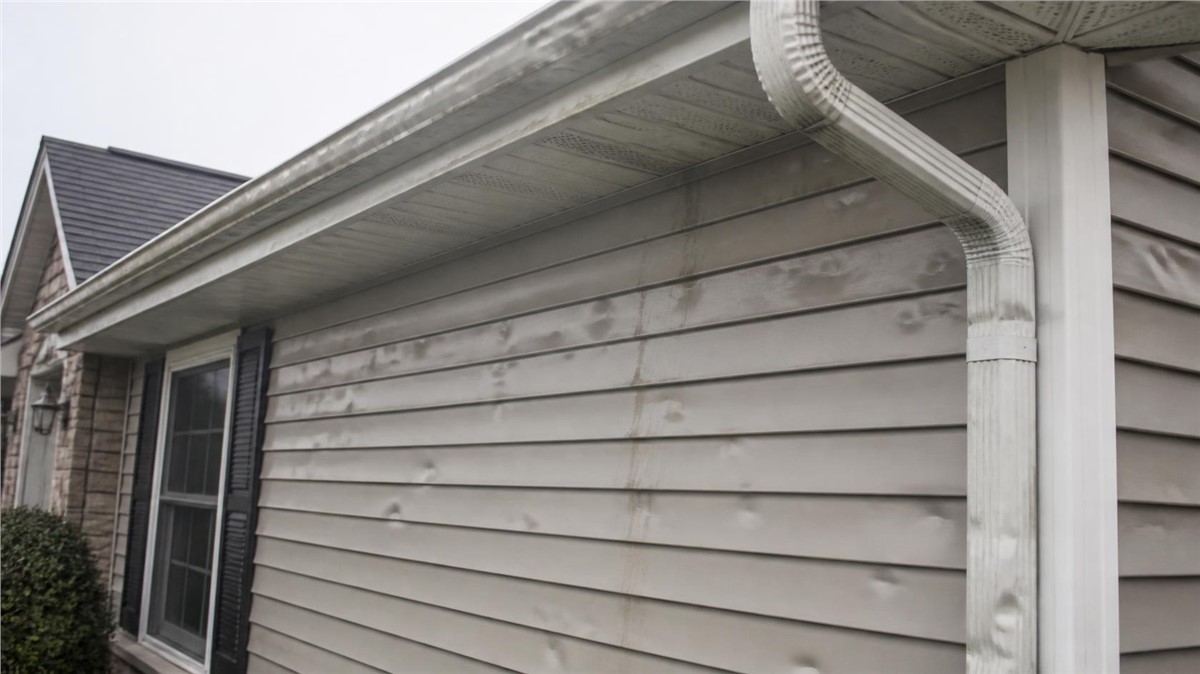
Windows are connected to siding, trim, flashing, gutters, roofing, fascia, soffit, and drainage. A window leak may not always start at the window itself. Water can travel from roof edges, gutters, siding seams, or flashing before showing around a window.
A full exterior inspection may include:
- Windows and doors
- Siding and trim
- Roofing and roof edges
- Gutters and downspouts
- Flashing
- Fascia and soffit
- Interior moisture signs
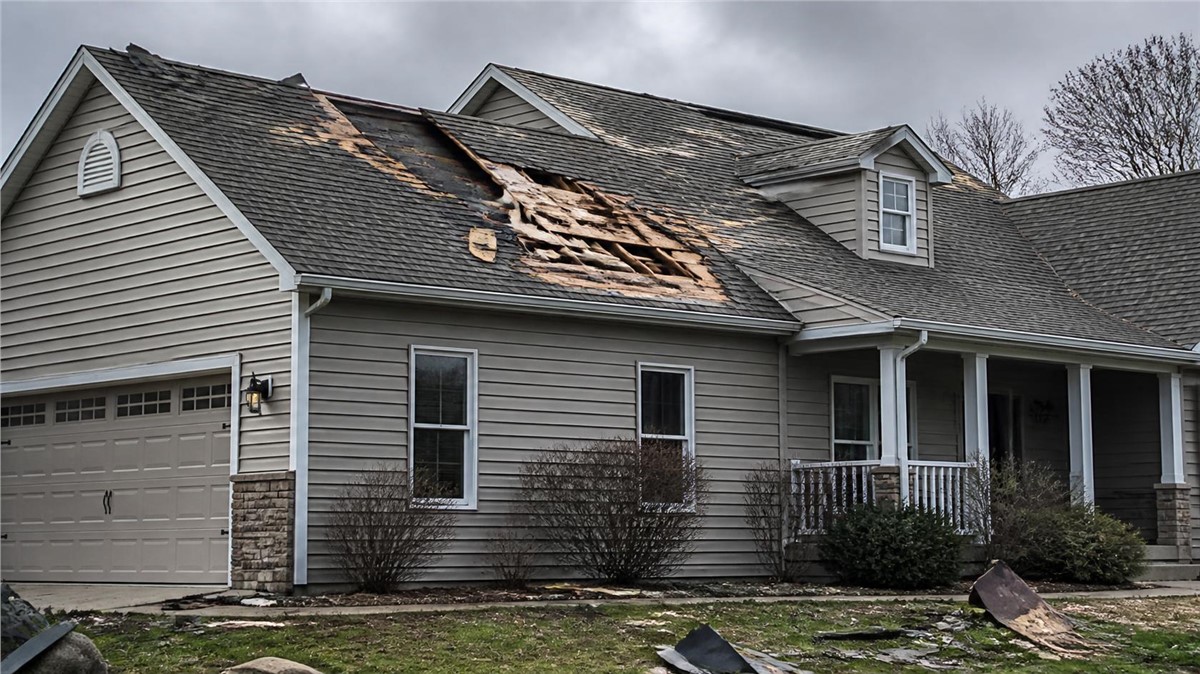
- Storm damage areas
Huskie Exteriors provides roofing, siding, window, gutter, and storm damage restoration services, helping homeowners evaluate the full exterior system.
Why Local Exterior Experience Matters
A local contractor understands how Wisconsin weather affects windows and exterior systems. In Beloit, WI, homes need windows and exterior details that can handle wind, heavy rain, snow, ice, humidity, sun exposure, and freeze-thaw cycles.
Local experience helps homeowners determine whether window problems are caused by age, poor sealing, failed glass seals, storm damage, siding issues, flashing problems, or moisture intrusion.
Conclusion
Home window replacement in Beloit, WI can improve comfort, appearance, ventilation, natural light, and weather protection. Homeowners should consider replacement when windows are drafty, fogged between panes, hard to operate, leaking, damaged, outdated, or showing signs of moisture around the frame.
If your windows are drafty, damaged, fogged, leaking, difficult to open, or no longer improving your home’s comfort and appearance, Huskie Exteriors can inspect your exterior and recommend the right next step.
Contact Huskie Exteriors for professional roofing, siding, window, gutter, and storm damage services in Illinois and Wisconsin.
Subscribe to Huskie Exteriors's Blog






Comments