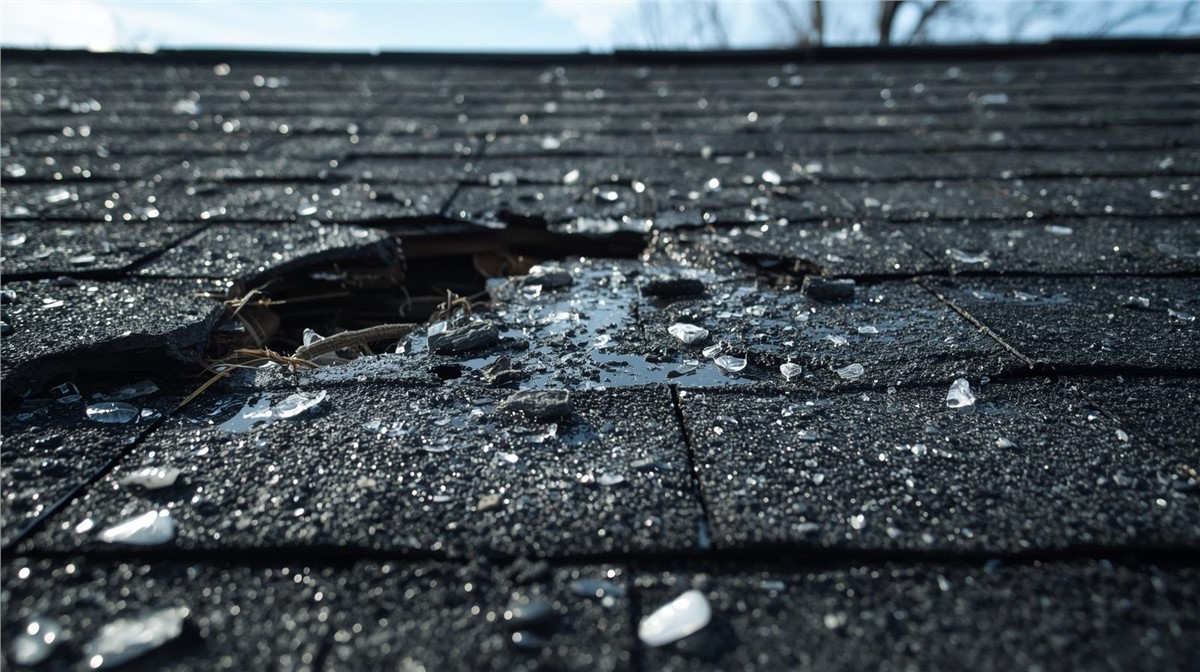
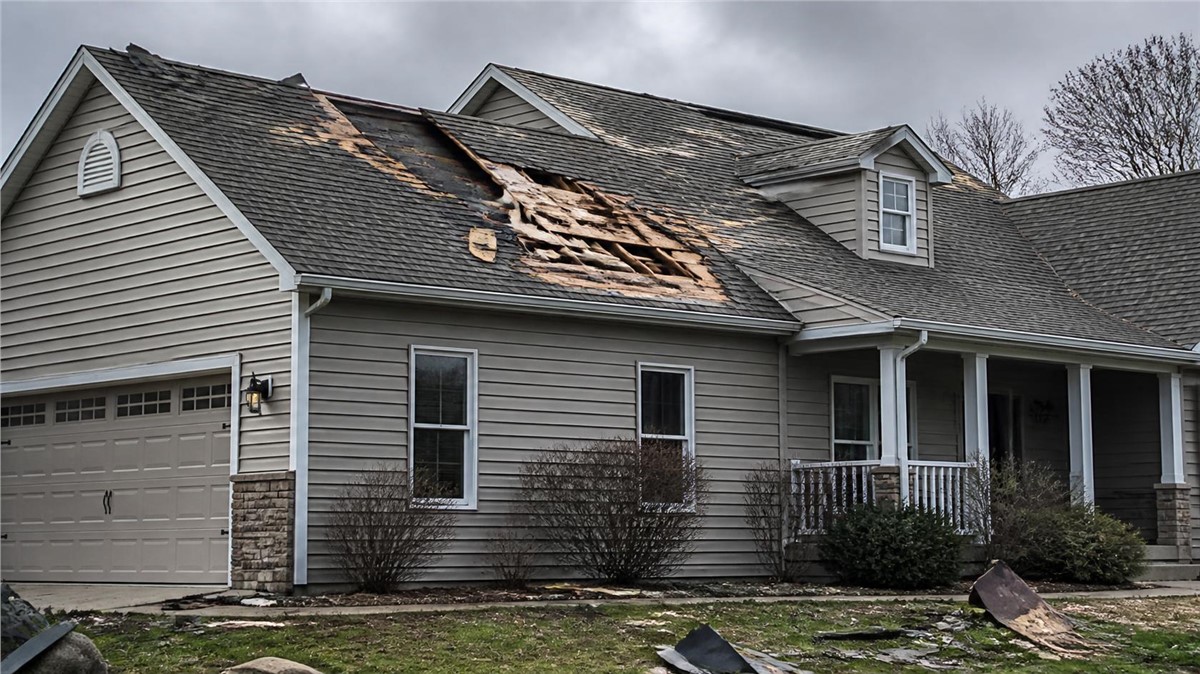
Hailstorms can leave behind damage that is easy to miss. Some signs, like dented gutters or torn window screens, may be visible right away. Other damage, such as bruised shingles, granule loss, lifted edges, or damaged flashing, may require a professional inspection.
For homeowners in Hampshire, IL, hail damage roof inspections are important because northern Illinois weather can be tough on roofing systems. Hail, wind, heavy rain, snow, ice, and freeze-thaw cycles can all weaken exterior materials over time.
Knowing what happens during a hail damage inspection can help you feel more prepared and understand what a contractor is looking for during the visit.
Why Hail Damage Roof Inspections Matter
Hail damage does not always cause an immediate leak. A roof may look fine from the street but still have damage that affects long-term performance.
Hail can damage:
- Asphalt shingles
- Roof vents
- Flashing
- Ridge caps
- Gutters and downspouts
- Siding
- Window screens
- Exterior trim
- Fascia and soffit
If damage is ignored, future rain, snow, and freeze-thaw cycles may make the problem worse. A professional inspection helps identify whether the roof needs repair, replacement, or continued monitoring.
When to Schedule a Hail Damage Inspection
It is smart to schedule a roof inspection after a strong hailstorm, especially if your neighborhood had visible storm impact.
You should consider an inspection if you notice:
- Dented gutters or downspouts
- Granules near downspouts
- Missing or lifted shingles
- Shingles in the yard
- Damaged roof vents
- Cracked siding
- Torn window screens
- Water stains indoors
- Debris on the roof
- Leaks after heavy rain
Even if you do not see obvious damage, hail can affect roofing materials in ways that are difficult to identify without a closer look.
What Happens Before the Inspection
Before the contractor arrives, it can help to note what you saw after the storm. You do not need to climb onto the roof or diagnose the issue yourself.
Helpful details include:
- Date of the hailstorm
- Areas where you noticed damage
- Whether leaks appeared
- Photos of visible dents, debris, or stains
- Rooms with ceiling or wall marks
- Any gutter, siding, or window concerns
This information gives the contractor a better starting point during the visit.
Step 1: Ground-Level Exterior Review
A hail damage roof inspection usually starts with a ground-level review. The contractor may walk around the property and look for signs of storm impact on visible exterior surfaces.
They may check:
- Gutters
- Downspouts
- Siding
- Window screens
- Trim
- Fascia and soffit
- Roof edges
- Landscaping or debris impact areas
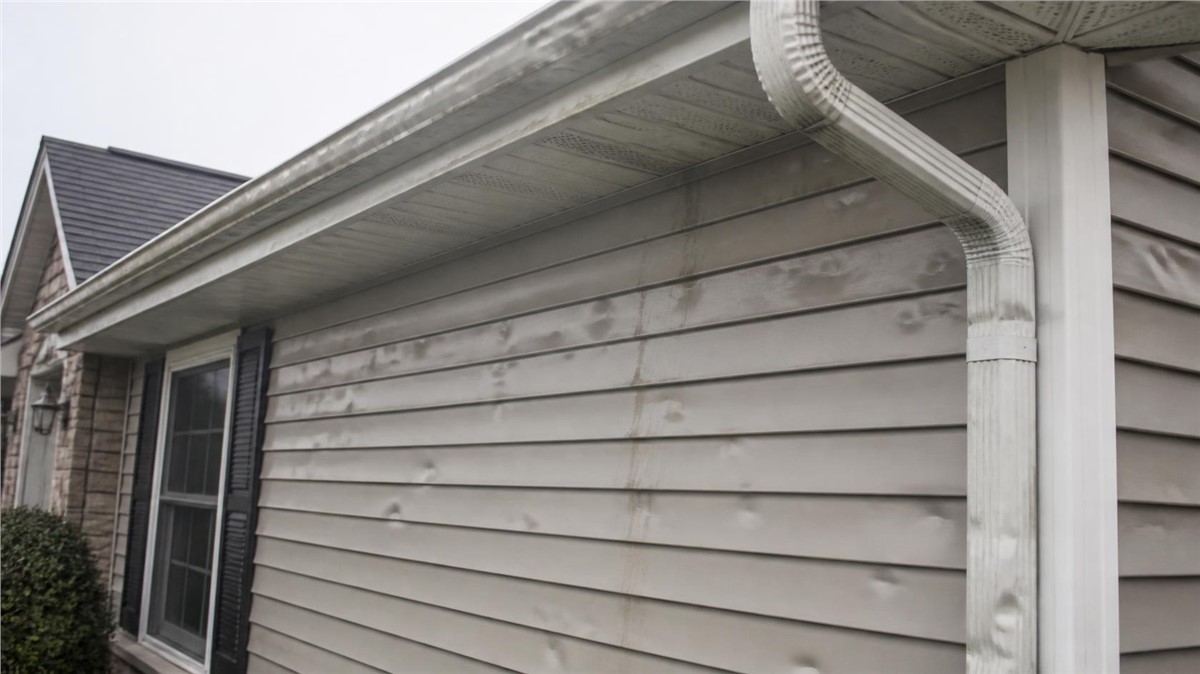
Dents on gutters, downspouts, or metal trim can be clues that hail may have also affected the roof.
Step 2: Roof Surface Inspection
If conditions are safe, the contractor may inspect the roof surface more closely. This is where many hail-related issues are identified.
The contractor may look for:
- Shingle bruising
- Granule loss
- Cracks or splits
- Soft impact marks
- Damaged ridge caps
- Loose or lifted shingles
- Exposed underlayment
- Damaged vents
- Flashing concerns
- Weak roof areas
Hail damage can vary depending on hail size, wind direction, roof slope, roofing material, and the age of the roof. One side of the roof may have more damage than another.
Step 3: Flashing, Vents, and Roof Penetration Check
Flashing and roof penetrations are common leak points. During the inspection, the contractor may check areas where the roof meets another surface or where something passes through the roof.
These areas may include:
- Chimneys
- Roof vents
- Pipe boots
- Skylights
- Valleys
- Dormers
- Wall transitions
- Ridge areas
Hail and wind can loosen or damage these components. Even small gaps around flashing or vents can allow water to enter during the next storm.
Step 4: Gutter and Downspout Inspection
Gutters are often affected during hailstorms. They may show dents, loose fasteners, leaks, or clogged areas from debris and shingle granules.
A contractor may check whether gutters are:
- Dented from hail
- Pulling away from fascia
- Leaking at seams
- Sagging
- Clogged with granules or debris
- Draining properly
- Sending water away from the foundation
Gutter damage matters because poor drainage can affect the roof edge, siding, foundation, and landscaping.
Step 5: Siding, Windows, and Trim Review
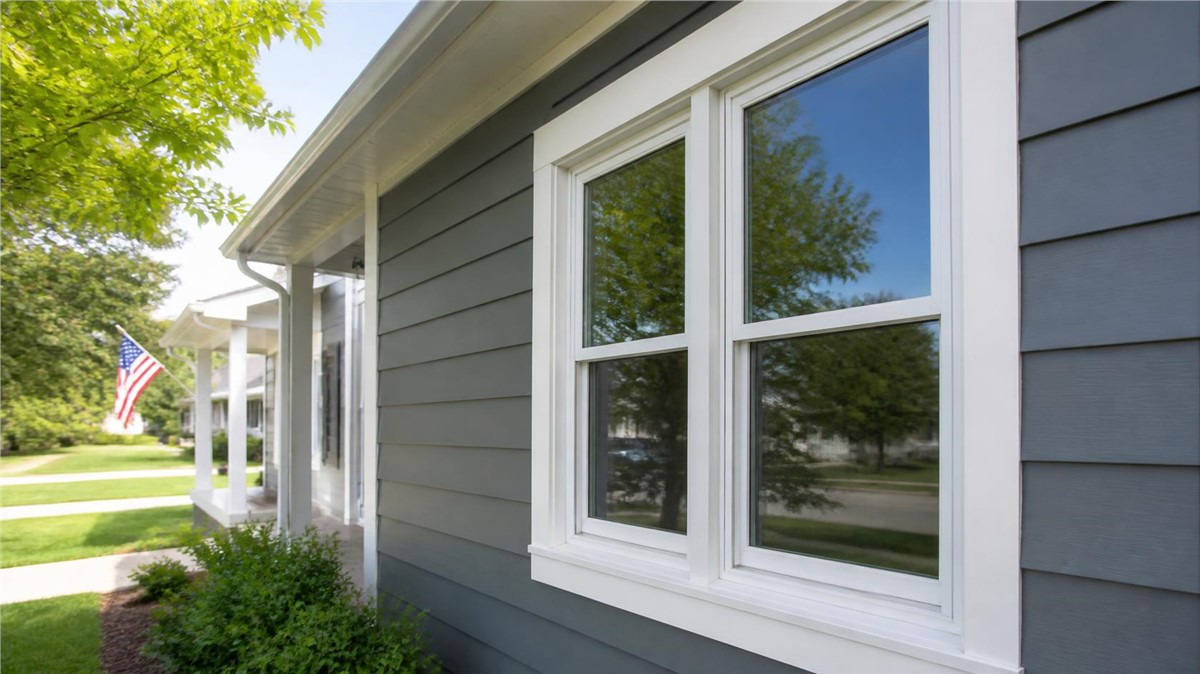
Hail rarely affects only the roof. A full exterior inspection should also include siding, windows, screens, and trim.
The contractor may look for:
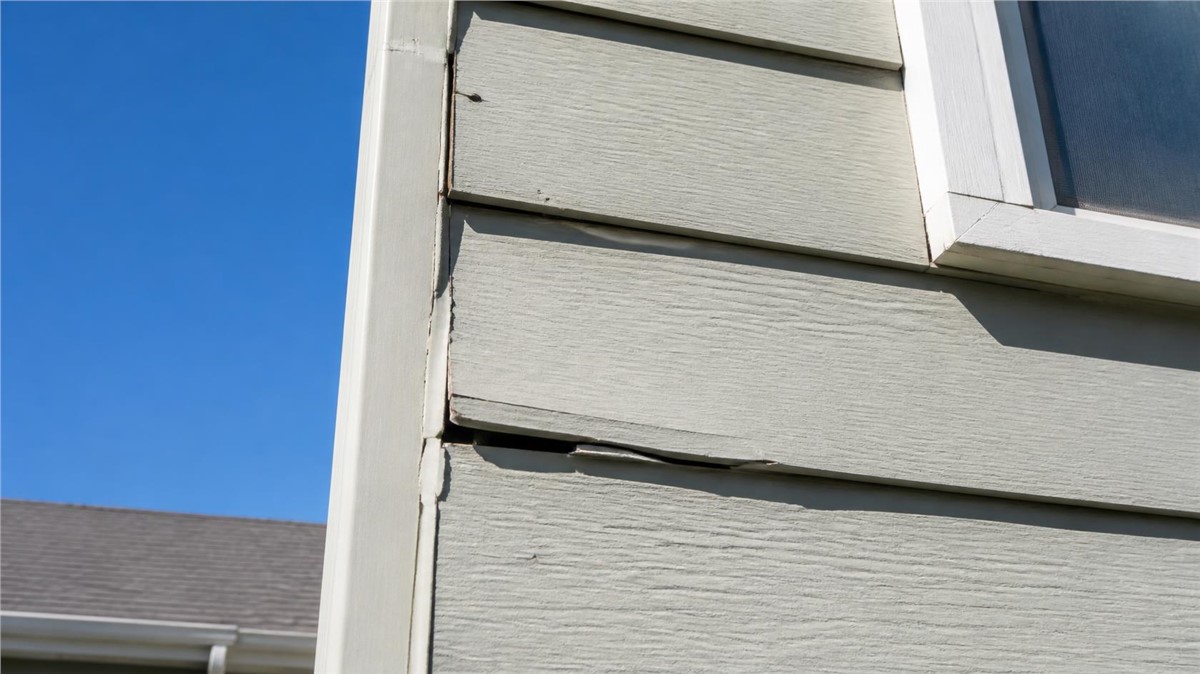
- Cracked siding
- Holes or punctures
- Dented trim
- Torn window screens
- Damaged caulking
- Water marks near windows
- Loose siding panels
- Signs of wind-driven rain damage
If hail damaged siding or window screens, the roof may have taken impact as well.
Step 6: Interior and Attic Check When Needed
If there are signs of leaks or water intrusion, the contractor may ask to check interior areas or attic spaces.
Interior warning signs may include:
- Ceiling stains
- Peeling paint
- Bubbling drywall
- Damp insulation
- Musty odors
- Water marks near exterior walls
- Moisture around vents or chimneys
Water may travel before becoming visible, so the stain may not be directly under the roof damage.
What the Contractor Explains After the Inspection
After the inspection, the contractor should explain what was found in clear terms. The goal is to help you understand the condition of your roof and exterior.
You may receive information about:
- Whether hail damage was found
- Which areas were affected
- Whether repair or replacement is recommended
- Any gutter, siding, or window concerns
- Signs of active or potential leaks
- Photos of visible damage
- Suggested next steps
A good inspection should help you make an informed decision without pressure.
Repair vs Replacement After Hail Damage
Not every hail-damaged roof needs full replacement. The right choice depends on how widespread the damage is and how well the roofing system is still performing.
Roof repair may be enough if:
- Damage is minor and isolated
- Only a few shingles are affected
- Flashing damage is limited
- The roof is otherwise in good condition
- There are no leaks or moisture concerns
Roof replacement may be better if:
- Hail damage affects multiple roof slopes
- Shingles are aging or brittle
- Granule loss is widespread
- Leaks are present
- Roof vents, flashing, and shingles are damaged together
- Repairs would only be temporary
A professional inspection helps determine the most practical next step.
How Midwest Weather Can Make Hail Damage Worse
Hampshire, IL homes face weather that can worsen hail damage over time.
Heavy Rain
Rain can expose weakened shingles, flashing gaps, and roof penetrations damaged by hail.
Wind
Wind can lift already-weakened shingles or push rain under damaged roof edges.
Snow and Ice
Winter snow and ice can add stress to damaged roofing and gutters.
Freeze-Thaw Cycles
Water can enter small cracks, freeze, expand, and make hail-related damage worse.
This is why early inspection is important after severe weather.
Why Local Exterior Experience Matters
A local contractor understands how northern Illinois storms affect homes. In Hampshire, hail damage may involve roofing, siding, windows, gutters, trim, and drainage at the same time.
Huskie Exteriors provides roofing, siding, window, gutter, and storm damage restoration services, helping homeowners evaluate the full exterior system instead of only one visible issue.
Conclusion
A hail damage roof inspection in Hampshire, IL helps homeowners understand whether a storm affected the roof and surrounding exterior. During the visit, a contractor may check shingles, flashing, vents, gutters, siding, windows, trim, attic areas, and signs of moisture.
If your home was recently hit by hail or you notice dents, granule loss, cracked siding, damaged screens, or roof leaks, it is smart to schedule a professional inspection before the next storm makes the damage worse.
Contact Huskie Exteriors for professional roofing, siding, window, gutter, and storm damage services in Illinois and Wisconsin.
Subscribe to Huskie Exteriors's Blog






Comments