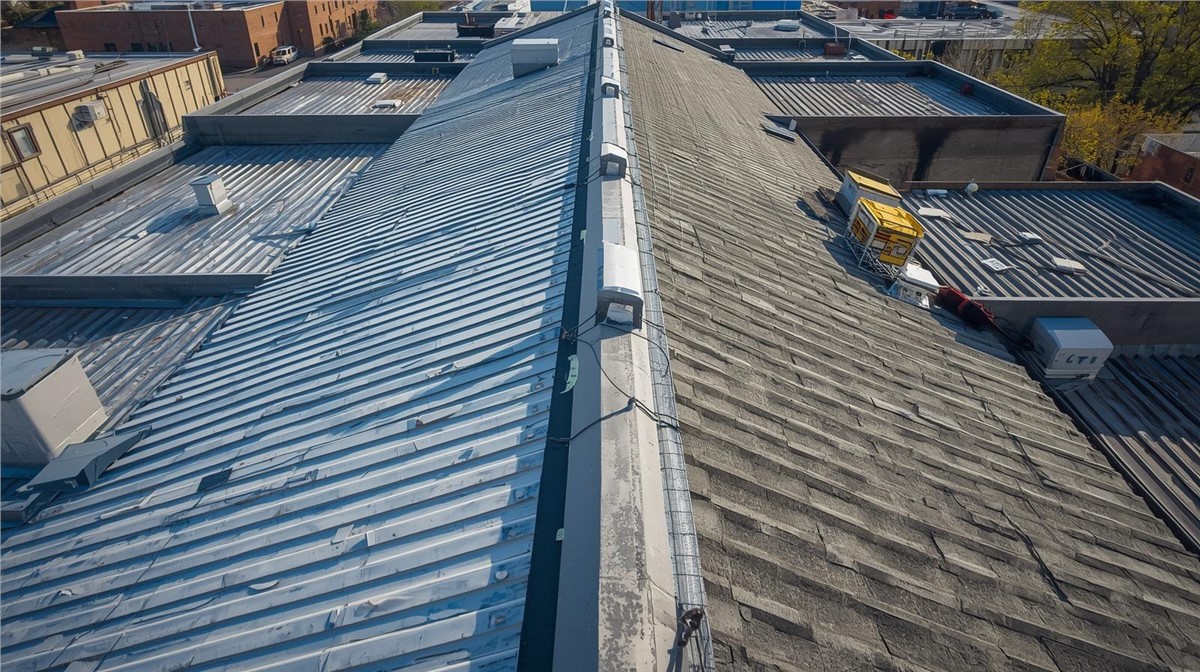
Industrial roofing is different from residential roofing. Industrial buildings often have larger roof surfaces, low-slope or flat roof areas, rooftop equipment, drainage systems, vents, skylights, and access points that all need to work together.
For facility owners and property managers in Elgin, IL, roof problems should never be ignored. A small leak can affect production areas, storage spaces, equipment, electrical systems, inventory, offices, and employee safety.
Because northern Illinois weather can bring hail, wind, heavy rain, snow, ice, and freeze-thaw cycles, industrial roofs need regular inspections and timely repair decisions.
Why Industrial Roofing Matters in Elgin, IL
Industrial buildings are built for function. They may support manufacturing, warehousing, distribution, storage, maintenance, or mixed commercial use. A roof issue can quickly become an operational issue.
Industrial roof damage may lead to:
- Interior leaks
- Wet insulation
- Damaged inventory or materials
- Equipment concerns
- Ceiling stains
- Mold or mildew issues
- Safety hazards
- Drainage problems
- Higher repair costs
- Business interruption
In Elgin, IL, storm damage and seasonal weather changes can make small roofing problems worse. A minor seam issue before winter may become a larger leak after snow, ice, and repeated freeze-thaw cycles.
Common Industrial Roofing Problems
Industrial roofs can develop problems from age, weather, foot traffic, drainage issues, and rooftop equipment.
Roof Leaks
Leaks are one of the most serious warning signs. Water may appear as active dripping, stains on ceilings, damp insulation, or moisture near walls and equipment.
A leak may come from damaged flashing, open seams, roof punctures, clogged drains, aging materials, or storm damage. On large industrial roofs, water can travel before it becomes visible indoors, so the source may not be directly above the stain.
Ponding Water
Many industrial buildings have flat or low-slope roofing systems. These roofs need proper drainage to move water away.
Ponding water after rain can point to clogged drains, blocked scuppers, poor slope, sagging areas, or roof surface damage. Standing water can increase wear and may lead to leaks if not addressed.
Damaged Seams or Membranes
Low-slope roofing systems often rely on seams, membranes, coatings, or panels to keep water out. If seams separate or the surface is punctured, moisture can enter the roof system.
Common causes include storm debris, foot traffic, equipment access, aging materials, and freeze-thaw movement.
Flashing and Roof Penetration Issues
Industrial roofs often have vents, pipes, drains, skylights, access hatches, and rooftop units. Each penetration needs proper flashing and sealing.
If flashing is loose, cracked, rusted, or poorly sealed, water can enter around the opening.
Metal Roof Wear
Some industrial buildings use metal roofing. Metal systems can develop loose fasteners, rust, panel movement, damaged seams, or sealant failure.
Hail and wind can also affect metal roofing, trim, gutters, and roof edges.
Storm Damage Concerns for Industrial Roofs
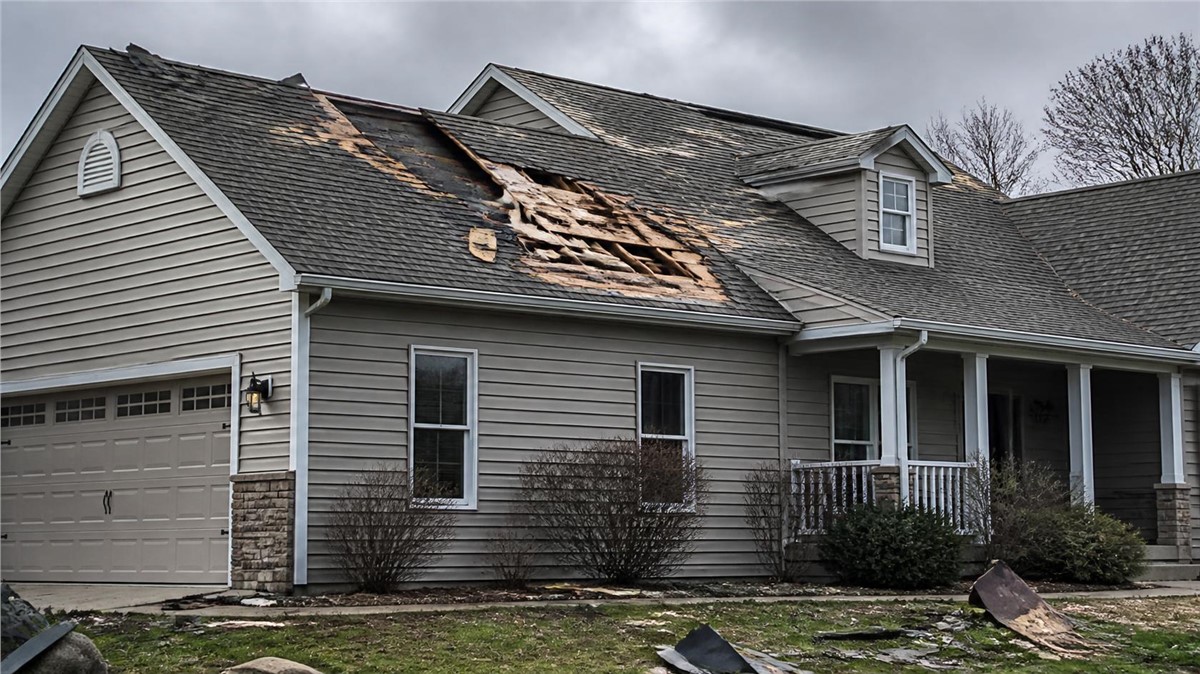
Elgin industrial properties can be affected by sudden Midwest storms. After severe weather, facility managers should watch for damage that may not be obvious from the ground.
Storm damage may include:
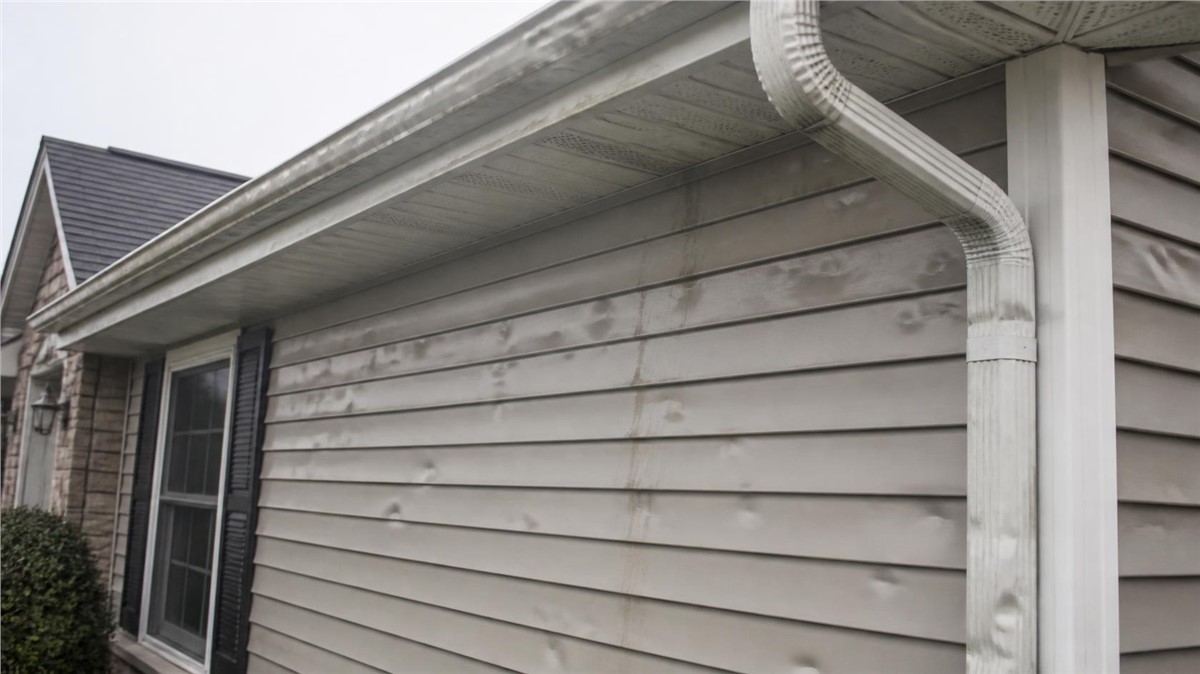
- Hail impact marks
- Dented gutters or metal panels
- Damaged roof vents
- Loose flashing
- Lifted roof edges
- Open seams
- Debris on the roof
- Interior leaks after heavy rain
- Clogged drains or downspouts
Hail damage may not cause an immediate leak, but it can weaken roof materials and create future problems.
Repair vs Replacement: How to Decide
Not every industrial roofing issue requires full replacement. The right choice depends on the roof’s age, condition, damage level, and how well it is still protecting the building.
Repair may make sense if:
- Damage is isolated
- The leak has one clear source
- Flashing damage is limited
- Drainage can be corrected
- Seams or punctures can be repaired
- The roof is still in good overall condition
- There is no widespread wet insulation
Replacement may be better if:
- Leaks keep returning
- Damage affects multiple roof areas
- Ponding water is widespread
- Roofing materials are aging or failing
- Wet insulation is present
- Seams are separating across the roof
- Storm damage is extensive
- Repairs are becoming frequent
- The roof no longer supports business needs
A professional inspection can help determine whether repair, restoration, or replacement is the best long-term option.
Cost Factors for Industrial Roofing
Industrial roofing costs vary based on building size, roof type, access, materials, drainage, and the scope of damage.
Common cost factors include:
- Roof size and layout
- Roofing material
- Amount of damaged area
- Roof height and access
- Drainage system condition
- Rooftop equipment
- Flashing and penetration details
- Wet insulation or decking
- Safety requirements
- Business operation needs
- Storm damage severity
A detailed inspection helps identify the real project scope before work begins.
Planning Roofing Work Around Operations
Industrial roofing projects often need careful planning to reduce disruption. Property owners may need to consider production schedules, employee access, loading zones, equipment protection, parking areas, and safety requirements.
A good repair or replacement plan should address:
- Active leaks first
- Interior protection
- Safe access points
- Material staging
- Weather timing
- Tenant or employee communication
- Noise and work zones
- Cleanup and debris control
For active facilities, planning is just as important as the repair itself.
How Midwest Weather Affects Industrial Roofing
Heavy Rain
Heavy rain can expose weak points around drains, seams, flashing, roof edges, and penetrations. If water cannot drain properly, leaks may develop quickly.
Hail
Hail can damage membranes, metal panels, vents, skylights, gutters, and rooftop components. Even minor-looking damage should be inspected.
Wind
Strong winds can lift roof edges, loosen flashing, move debris, and damage seams or panels.
Snow and Ice
Snow and ice add weight to the roof and can block drains. Melting snow may refreeze near roof edges, gutters, or drainage points.
Freeze-Thaw Cycles
Freeze-thaw cycles can expand small cracks and gaps. Water enters an opening, freezes, expands, and gradually worsens the damage.
Why Gutters, Siding, and Drainage Should Be Checked Too
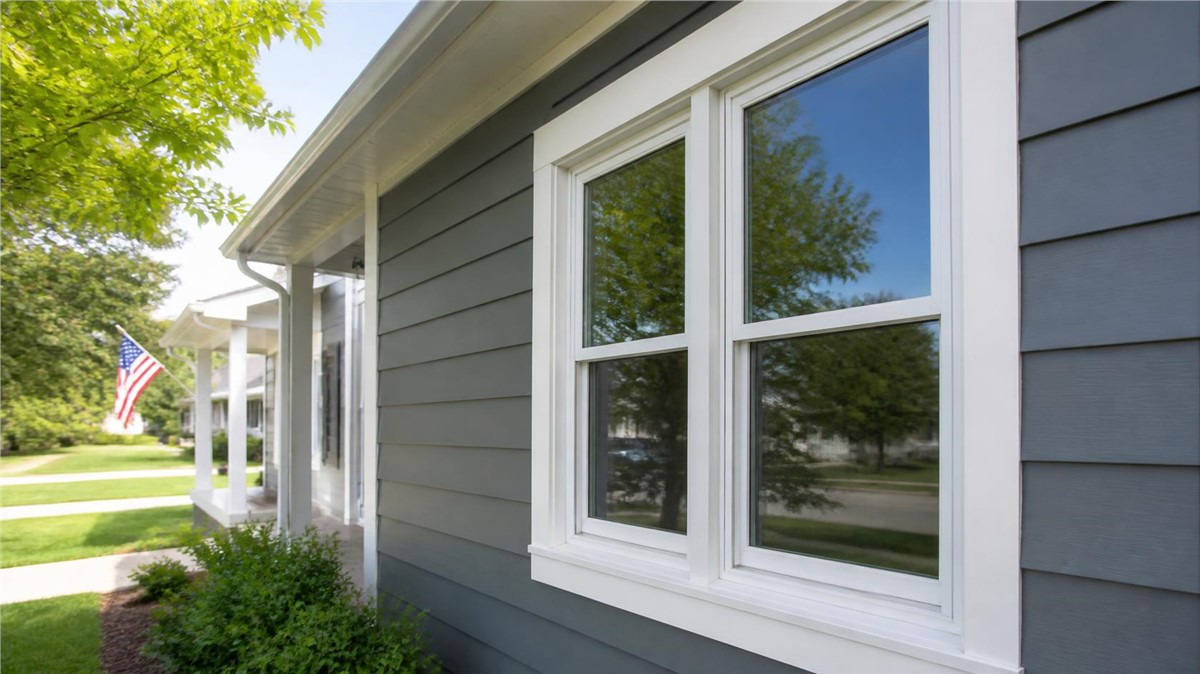
Industrial roofing does not work alone. Gutters, downspouts, siding, windows, flashing, and drainage areas all help protect the building.
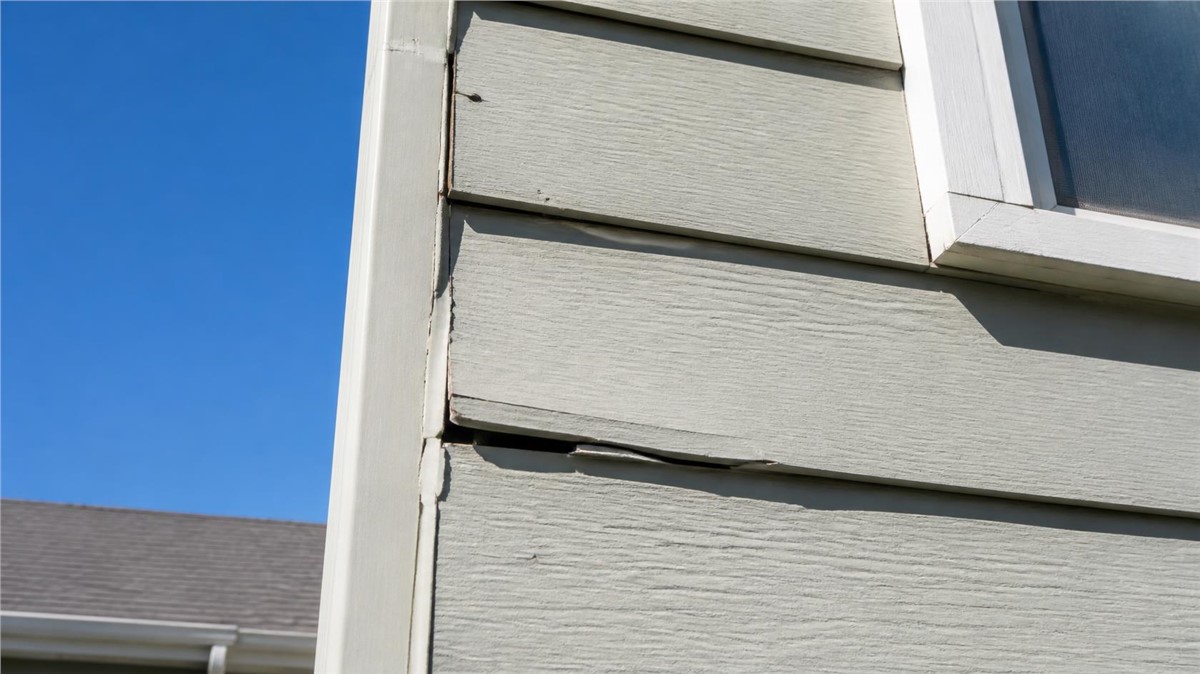
If gutters are clogged or damaged, water may back up near roof edges or spill down exterior walls. If siding is cracked or loose, moisture can enter wall systems. If drainage areas are blocked, water may collect near foundations, doors, sidewalks, or loading areas.
Huskie Exteriors provides roofing, siding, window, gutter, and storm damage restoration services, helping property owners evaluate the full exterior system.
Why Local Exterior Experience Matters
A local contractor understands how northern Illinois weather affects industrial buildings. In Elgin, IL, roofs need to handle hail, wind, heavy rain, snow, ice, and freeze-thaw cycles throughout the year.
Local experience also helps property owners make practical decisions about repair timing, replacement planning, storm damage concerns, drainage improvements, and long-term maintenance.
Conclusion
Industrial roofing in Elgin, IL requires careful attention because roof problems can affect more than the building exterior. Leaks, ponding water, damaged seams, flashing issues, storm damage, and drainage problems can all impact operations, safety, inventory, and maintenance costs.
If the damage is small and isolated, repair may be enough. If the roof has recurring leaks, widespread damage, aging materials, or wet insulation, replacement may be the better long-term choice.
If your industrial building has signs of roof damage or storm-related exterior issues, Huskie Exteriors can inspect the property and recommend the right next step.
Contact Huskie Exteriors for professional roofing, siding, window, gutter, and storm damage services in Illinois and Wisconsin.
Subscribe to Huskie Exteriors's Blog



Comments