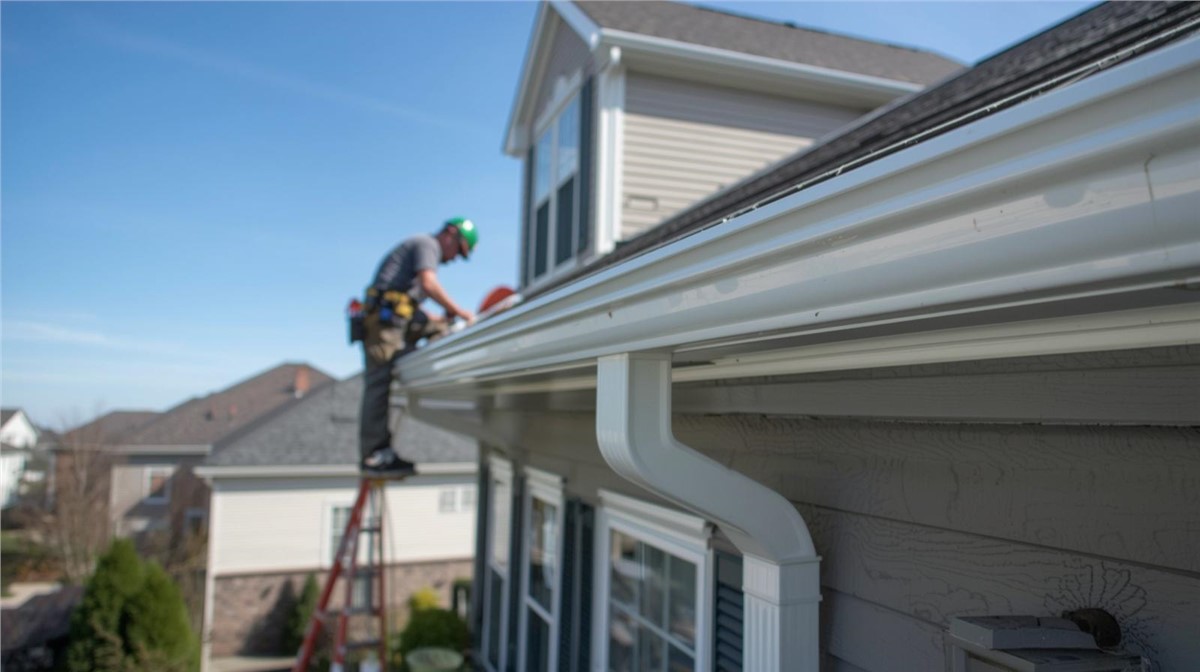
Rain gutters are one of the most important parts of your home’s exterior drainage system. When they are installed correctly, gutters collect water from the roof and direct it away from the home through downspouts.
For homeowners in DeKalb, IL, proper gutter installation matters because Midwest weather can be tough on exterior systems. Heavy rain, storms, falling leaves, snow, ice, and freezing temperatures can all affect how well gutters perform.
A poorly installed or damaged gutter system can lead to water pooling near the foundation, siding stains, basement moisture, roof edge issues, and landscape erosion. Understanding what to consider before installation can help you make a better long-term decision for your home.
Why Rain Gutters Matter for DeKalb Homes
Gutters help control where water goes after it leaves your roof. Without a properly working gutter system, rainwater may fall directly near the foundation or run down siding and trim.
This can contribute to:
- Foundation moisture
- Basement water concerns
- Soil erosion
- Damaged landscaping
- Stained siding
- Soft fascia or soffit
- Roof edge damage
- Water near walkways or entry areas
- Ice buildup in winter
In DeKalb, heavy rain and freeze-thaw cycles can make drainage problems worse. Water that pools near the home can freeze, expand, and create additional exterior concerns.
Signs You May Need New Gutters
Some gutter problems can be repaired. Others may point to the need for new gutter installation.
You may need new gutters if you notice:
- Gutters sagging or pulling away
- Water overflowing during rain
- Leaking seams or corners
- Rust, holes, or cracks
- Downspouts that drain too close to the home
- Water pooling near the foundation
- Stains on siding below the gutter line
- Fascia damage behind the gutters
- Gutters that are undersized for the roof
- Repeated clogs or drainage issues
If your current gutters are old, damaged, or no longer moving water properly, replacement may be the better long-term option.
What to Consider Before Gutter Installation
A gutter system should be planned around your home’s roofline, drainage needs, and surrounding property.
Roof Size and Layout
Larger roof areas collect more water. Homes with steep roof slopes, long rooflines, or multiple valleys may need a gutter system designed to handle heavier runoff.
Downspout Placement
Downspouts should move water away from the foundation. Poor downspout placement can cause water to collect near basement walls, landscaping, driveways, or walkways.
Gutter Size
The right gutter size depends on the home, roof design, and expected water volume. Undersized gutters may overflow during heavy rain, while properly sized gutters help manage stormwater more effectively.
Material and Style
Homeowners should consider gutter material, color, profile, and how the gutters will look with the roof, siding, trim, and fascia.
Existing Exterior Damage
Before installing new gutters, it is important to check fascia, soffit, siding, roof edges, and drainage areas. New gutters should not be installed over rotted or damaged materials without repairs.
Seamless Gutters vs Sectional Gutters
Many homeowners compare seamless gutters and sectional gutters when planning a project.
Seamless gutters are custom-formed to fit the home and have fewer joints along the run. Fewer seams can mean fewer potential leak points. Sectional gutters are made from shorter pieces connected together, which can be more prone to leaking at the joints over time.
For many DeKalb homes, seamless gutters are a practical option because they create a cleaner look and can reduce common seam-related issues.
How Midwest Weather Affects Gutters
DeKalb weather can put gutters under pressure throughout the year.
Heavy Rain
Heavy rain can quickly overwhelm clogged, undersized, or poorly sloped gutters. If water spills over the edge, it may collect near the foundation or run down siding.
Wind
Wind can blow leaves, sticks, and debris into gutters. Strong storms can also loosen gutter sections or damage downspouts.
Hail
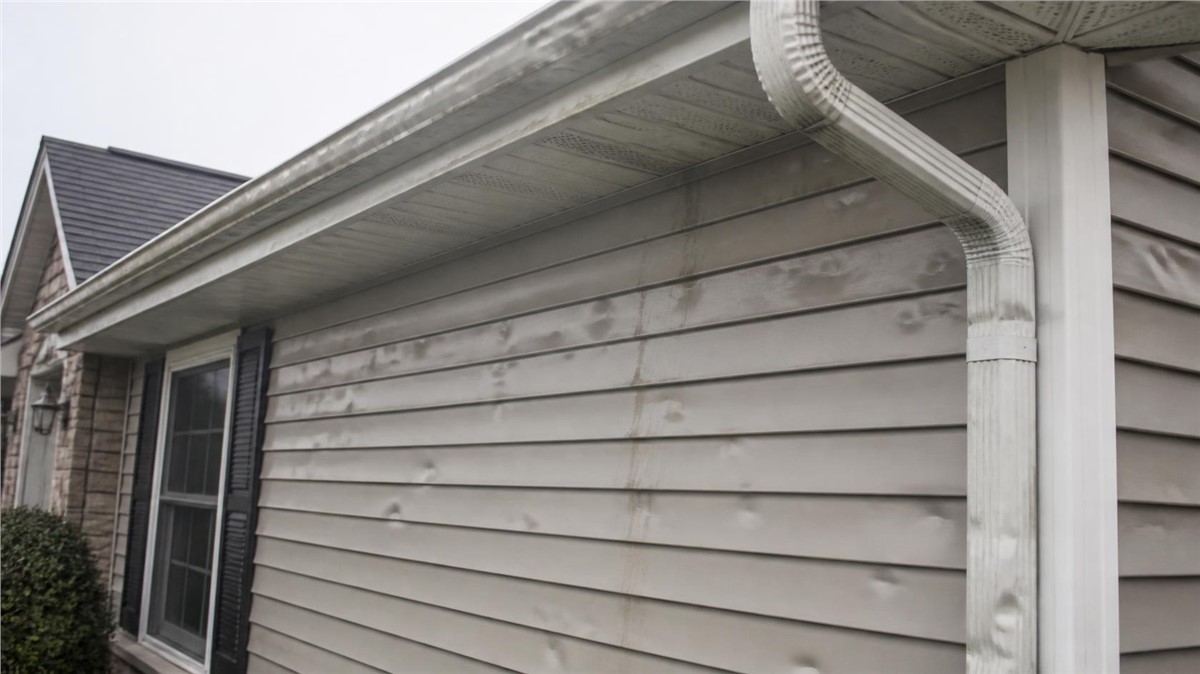
Hail can dent gutters, damage downspouts, and affect nearby roofing or siding. After a hailstorm, the full exterior should be checked.
Snow and Ice
Snow and ice can add weight to gutters. If gutters are loose or clogged, winter conditions may pull them away from the fascia.
Freeze-Thaw Cycles
Water trapped in gutters can freeze, expand, and stress seams, fasteners, and downspouts. Proper drainage helps reduce these concerns.
Should You Add Gutter Guards?
Gutter guards may be worth considering if your home has heavy tree coverage or frequent clogs. They help reduce leaves and larger debris from entering the gutter system.
However, gutter guards do not make gutters maintenance-free. Smaller debris, roof granules, and ice can still affect performance. Gutters with guards should still be inspected periodically.
Before adding guards, make sure the gutter system is properly installed, securely attached, and draining correctly.
Gutter Installation and Roof Protection
Gutters work closely with the roof. If gutters are installed poorly or not draining properly, water can back up near the roof edge, damage fascia, stain siding, or contribute to ice buildup.
A proper gutter installation should support the full exterior system, including:
- Roofing
- Fascia and soffit
- Siding
- Windows and trim
- Foundation drainage
- Landscaping
- Walkways and entry areas
Huskie Exteriors provides roofing, siding, window, gutter, and storm damage restoration services, helping homeowners evaluate how the full exterior system works together.
Repair vs Replacement: How to Decide
Gutter repair may be enough if the issue is minor and isolated.
Repair may make sense if:
- One section is loose
- A downspout needs reattachment
- One seam is leaking
- The gutters are still in good condition overall
- Drainage issues are easy to correct
New gutter installation may be better if:
- Gutters are sagging throughout the system
- Leaks appear in several areas
- Water frequently overflows
- Gutters are rusted, cracked, or damaged
- Fascia damage is present
- The current system is undersized
- The home needs a cleaner exterior update
A professional inspection can help determine which option is more practical.
Why Professional Installation Matters
Gutters need the right slope, secure fastening, proper downspout placement, and clean transitions to perform well. Even small installation issues can lead to overflow, leaks, or water collecting near the home.
Professional installation helps ensure the system is designed for the roofline and drainage needs of the property.
Why Local Exterior Experience Matters
A local contractor understands how Illinois weather affects gutter systems. In DeKalb, IL, gutters need to handle heavy rain, wind, hail, snow, ice, and freeze-thaw cycles.
Local experience also helps homeowners decide whether gutters should be installed, repaired, replaced, or paired with roof, siding, or fascia repairs.
Conclusion
Rain gutter installation in DeKalb, IL is an important part of protecting your home from water damage. Proper gutters help move rainwater and melting snow away from the roof, siding, foundation, landscaping, and walkways.
If your gutters are leaking, overflowing, sagging, or no longer draining correctly, Huskie Exteriors can inspect your home and recommend the right next step.
Contact Huskie Exteriors for professional roofing, siding, window, gutter, and storm damage services in Illinois and Wisconsin.
Subscribe to Huskie Exteriors's Blog






Comments