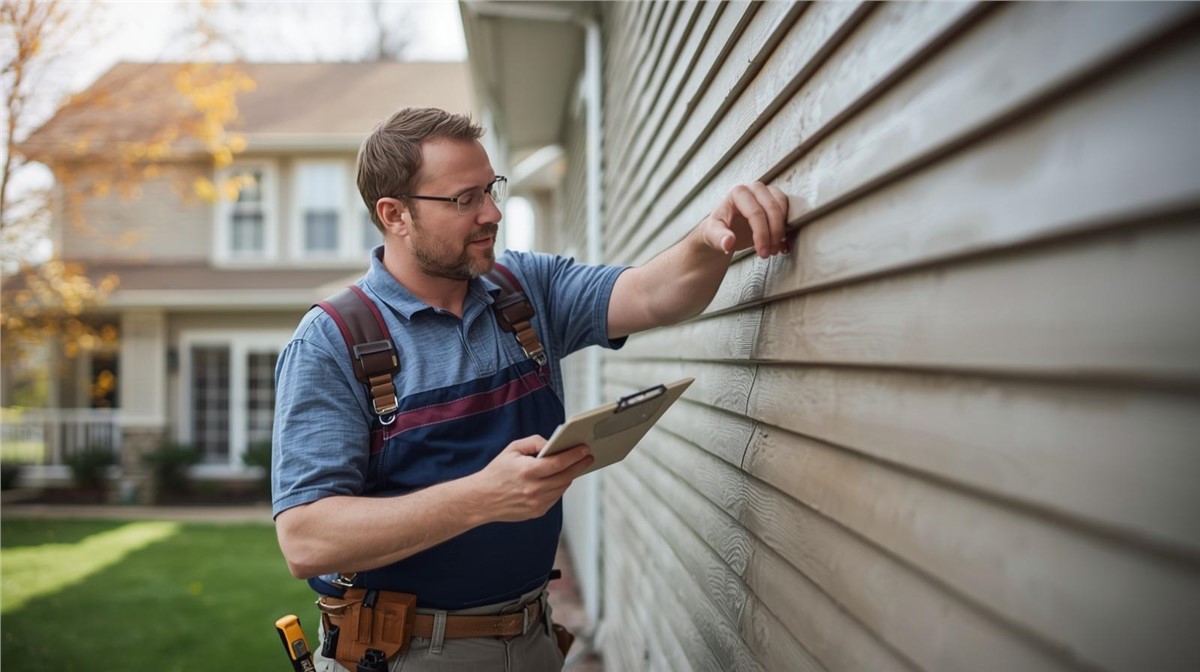
Siding plays a major role in protecting your home or commercial property from weather, moisture, pests, and exterior wear. When siding is damaged, loose, cracked, or poorly sealed, water can get behind the exterior and create larger problems.
For property owners in Crystal Lake, IL, siding inspections are especially important after storms, harsh winter weather, or years of normal wear. Midwest weather brings hail, wind, heavy rain, snow, ice, and freeze-thaw cycles that can affect how well siding performs.
A professional siding inspection helps identify visible and hidden issues before they turn into water damage, energy concerns, or more expensive repairs.
Why Siding Inspections Matter in Crystal Lake, IL
Siding is more than a surface finish. It helps protect the wall system behind it, including sheathing, insulation, framing, trim, and interior wall areas.
When siding problems are missed, they may lead to:
- Moisture behind exterior walls
- Mold or mildew growth
- Soft or rotted trim
- Damaged insulation
- Drafts near exterior walls
- Interior water stains
- Pest entry points
- Reduced curb appeal
- Higher repair costs later
In Crystal Lake, strong storms and seasonal temperature changes can make small siding issues worse. A small crack after hail or a loose panel after wind may allow water into the wall system during the next heavy rain.
What Contractors Look For During a Siding Inspection
A siding inspection should look at the full exterior, not just one damaged area. Contractors check siding condition, trim, openings, drainage, and nearby exterior components.
Cracks, Holes, and Impact Damage
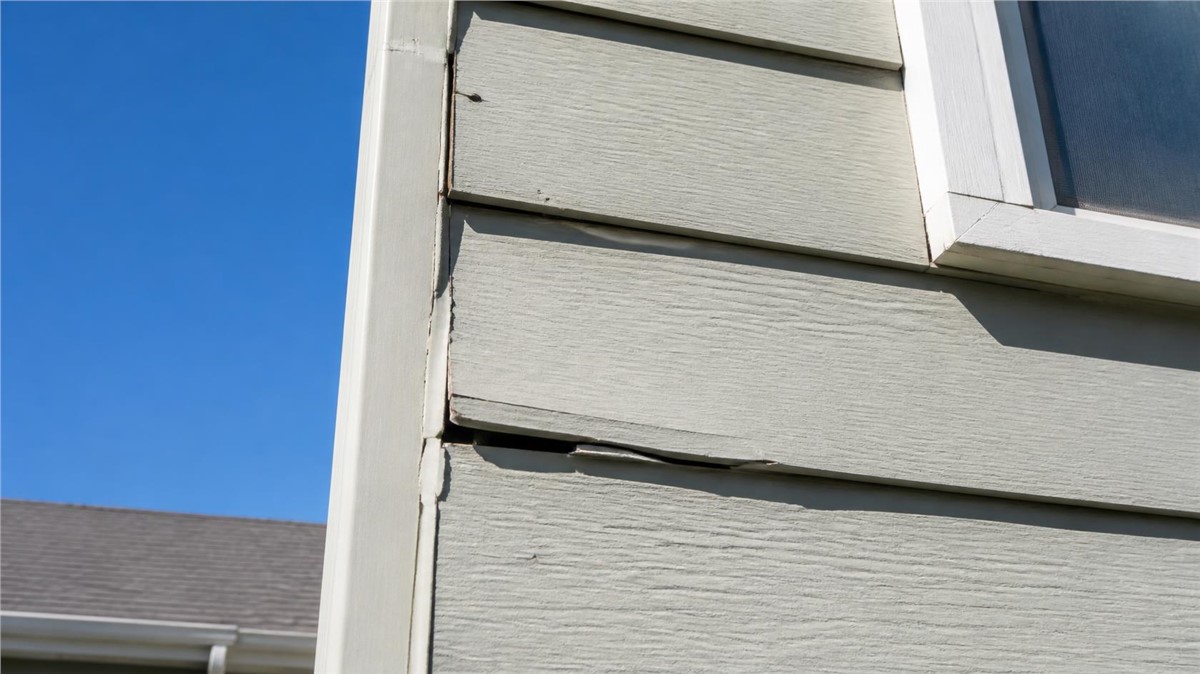
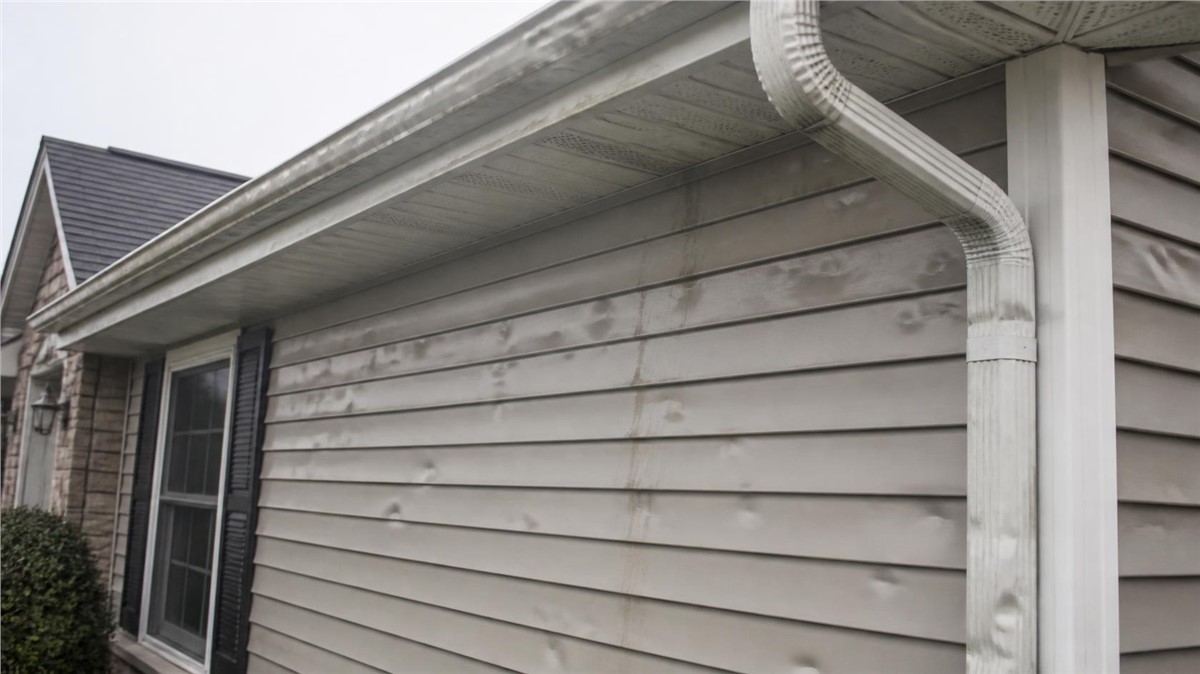
One of the first things contractors look for is visible damage to siding panels. Cracks, holes, dents, and punctures can happen from hail, wind-blown debris, branches, or accidental impact.
Even small openings matter because they can allow moisture to get behind the siding. During freeze-thaw cycles, water can enter a crack, freeze, expand, and make the damage worse.
Contractors may check:
- Cracked siding panels
- Hail impact marks
- Holes or punctures
- Dented trim or corners
- Broken siding edges
- Damage near high-exposure walls
Loose or Missing Panels
Strong winds can loosen siding panels or pull them away from the wall. Contractors look for sections that are rattling, shifted, bowed, or no longer locked into place.
Loose siding can allow wind-driven rain behind the exterior surface. If left alone, one loose section can lead to more damage during the next storm.
Missing siding sections should be addressed quickly because they leave the wall system exposed.
Warping, Buckling, or Uneven Areas
Siding should generally sit flat and even. Warping or buckling may point to moisture behind the panels, installation issues, heat exposure, or material movement.
A contractor may look closely at areas where siding appears:
- Wavy
- Bulging
- Pulling away
- Uneven near seams
- Swollen around trim
- Distorted near windows or doors
Warped siding may not shed water properly, which can increase the risk of moisture problems.
Water Stains and Moisture Warning Signs
Water stains, dark streaks, or recurring mildew can be signs that water is not draining properly. Sometimes the issue is caused by damaged siding. Other times, it may come from gutters, roof runoff, window leaks, or poor flashing.
Contractors look for:
- Dark streaks on siding
- Stains below windows
- Mildew or algae growth
- Soft trim
- Peeling paint near exterior walls
- Water marks indoors
- Moisture near corners or seams
If water has reached the materials behind the siding, repairs may need to go beyond the visible surface.
Gaps Around Windows, Doors, and Trim
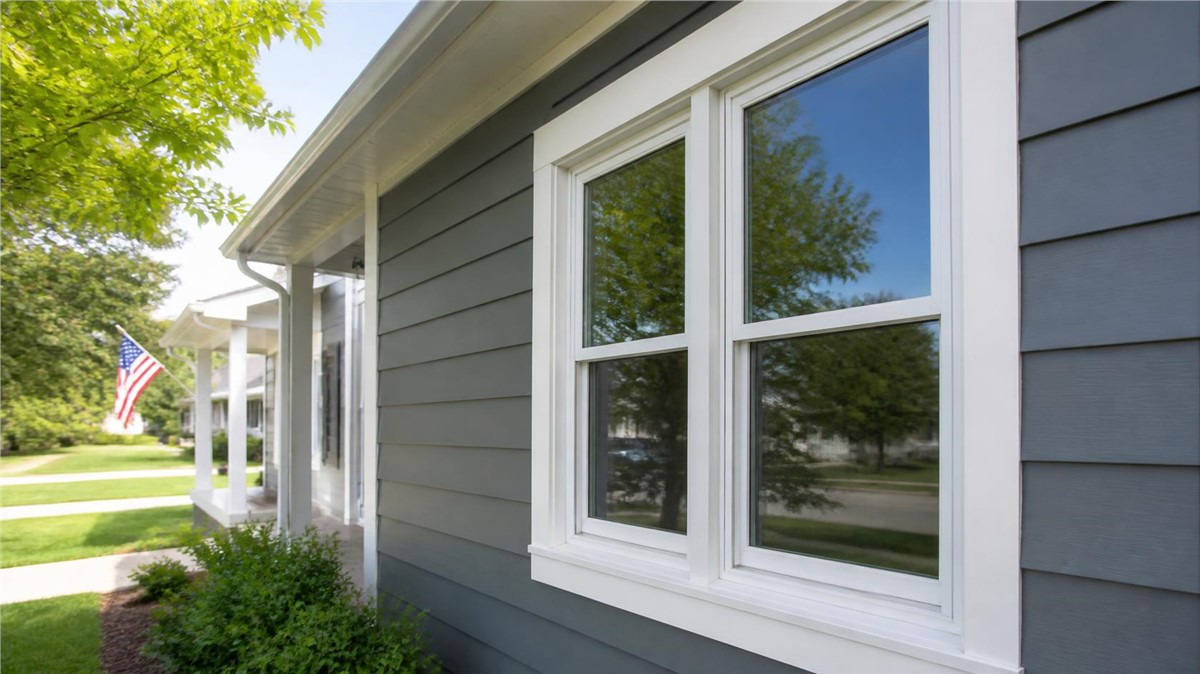
Windows, doors, corners, and trim areas are common places for water intrusion. Contractors inspect these areas carefully because small gaps can let moisture enter the wall system.
They may check for:
- Failed caulking
- Loose trim
- Gaps around windows
- Cracked seals
- Poor flashing
- Water stains below openings
- Soft or rotted wood
A leak near a window does not always mean the window itself is the only issue. Siding, flashing, gutters, and trim may all be involved.
Storm Damage From Hail, Wind, and Heavy Rain
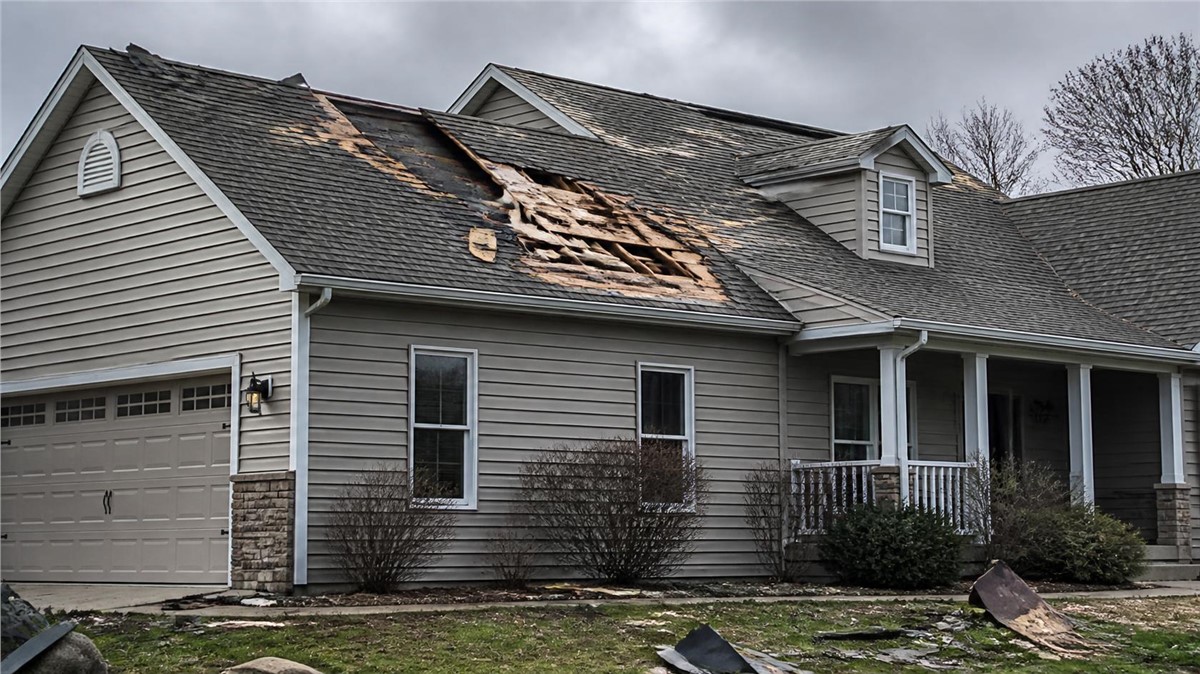
Crystal Lake properties can experience storm damage that affects multiple parts of the exterior at once. Contractors often inspect siding along with roofing, gutters, windows, fascia, soffit, and trim.
Storm-related siding concerns may include:
- Hail cracks or impact marks
- Loose panels from wind
- Wind-driven rain damage
- Dented metal trim
- Torn window screens
- Siding pieces in the yard
- Water stains after storms
If gutters, roof vents, or window screens show hail damage, siding may also need closer inspection.
How Winter Weather Affects Siding
Snow, ice, and freeze-thaw cycles can be hard on siding in northern Illinois. Contractors look for winter-related damage, especially around lower walls, roof edges, gutters, and shaded areas.
Winter siding concerns may include:
- Cracks from freezing temperatures
- Ice damage near rooflines
- Moisture trapped behind panels
- Loose sections after winter winds
- Stains from overflowing gutters
- Soft trim near snow buildup
- Gaps that widened over winter
Spring is a good time to schedule a siding inspection after winter weather has passed.
Repair vs Replacement: What Contractors Consider
After an inspection, a contractor may recommend siding repair or replacement depending on the condition of the exterior.
Siding repair may be enough if:
- Damage is isolated
- Only a few panels are affected
- Trim damage is minor
- Moisture has not reached the wall system
- Matching materials are available
- The siding is still performing well overall
Siding replacement may be better if:
- Damage affects multiple walls
- Siding is brittle, faded, or warped
- Storm damage is widespread
- Panels keep coming loose
- Water damage is present
- Repairs would not match well
- The property needs a full exterior update
A professional inspection helps property owners make a clear decision instead of guessing.
Residential and Commercial Siding Inspections
For homeowners in Crystal Lake, siding inspections help protect comfort, curb appeal, and long-term home value. Contractors often focus on areas around windows, doors, rooflines, garages, corners, decks, and shaded walls.
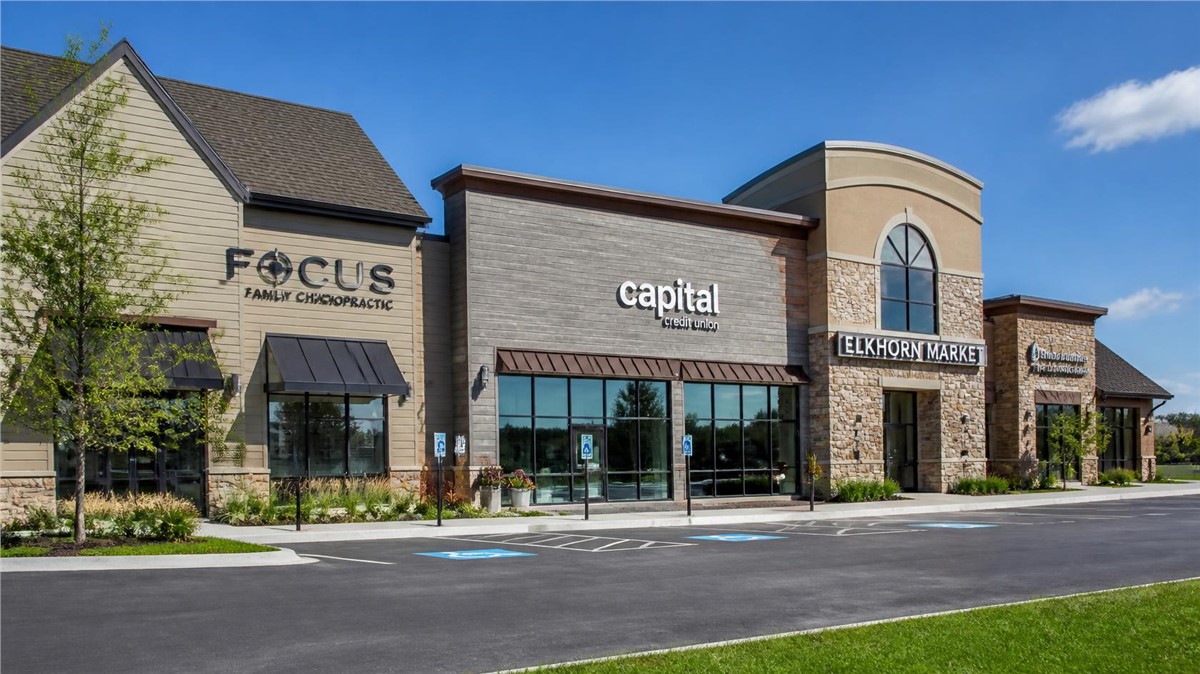
For commercial properties, siding inspections may also involve tenant areas, entrances, signage, loading zones, exterior wall penetrations, and areas exposed to customer traffic. Damaged siding on a business property can affect appearance, moisture protection, and maintenance costs.
Both residential and commercial properties benefit from regular inspections, especially after severe weather.
Why Contractors Check the Full Exterior
Siding problems are often connected to other exterior issues. A stain on siding may be caused by an overflowing gutter. A leak near a window may involve flashing or trim. Hail damage may affect siding, roofing, gutters, and window screens during the same storm.
A full exterior inspection may include:
- Siding
- Roofing
- Gutters and downspouts
- Windows
- Fascia and soffit
- Flashing
- Trim
- Interior moisture signs
- Storm damage areas
Huskie Exteriors provides roofing, siding, window, gutter, and storm damage restoration services, helping Illinois and Wisconsin property owners evaluate the full exterior system.
Why Local Exterior Experience Matters
A local contractor understands how Crystal Lake weather affects siding. Hail, wind, heavy rain, snow, ice, and freeze-thaw cycles all create different types of exterior wear.
Local experience also helps property owners understand whether siding damage is minor, storm-related, moisture-related, or part of a larger exterior problem.
Conclusion
A siding inspection in Crystal Lake, IL can help catch problems before they become larger repairs. Contractors look for cracks, holes, loose panels, warping, stains, gaps, soft trim, storm damage, and signs of moisture behind the siding.
If your siding looks damaged, worn, stained, or loose after storms or winter weather, Huskie Exteriors can inspect the exterior and recommend the right next step.
Contact Huskie Exteriors for professional roofing, siding, window, gutter, and storm damage services in Illinois and Wisconsin.
Subscribe to Huskie Exteriors's Blog





Comments