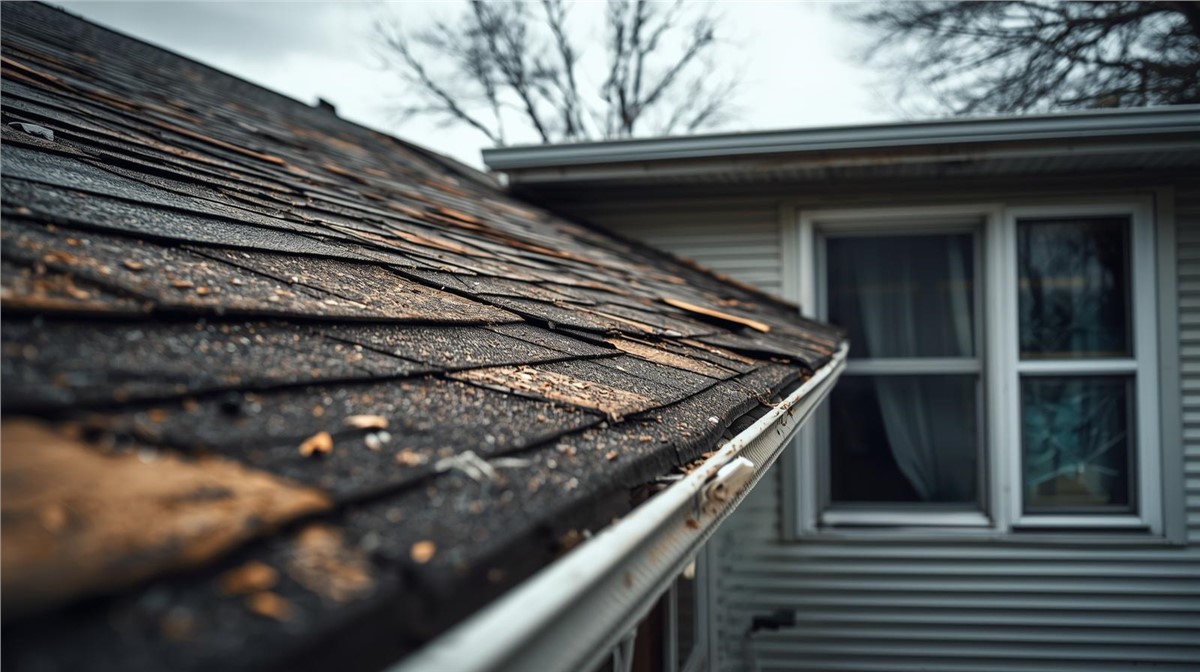
Storm damage is not always limited to one area of a property. A strong storm in Albany, WI can loosen shingles, crack siding, dent gutters, damage window screens, and expose weak points around flashing or trim.
For homeowners and commercial property owners, this matters because the exterior of a building works as one system. Roofing, siding, windows, gutters, fascia, soffit, flashing, and downspouts all help keep water away from the structure. When one part is damaged, the rest of the property may be affected too.
Understanding how storms impact each part of the exterior can help you catch warning signs early and prevent small problems from turning into larger repairs.
Why Storm Damage Matters in Albany, WI
Albany properties deal with a full range of Midwest weather. Spring and summer can bring hail, wind, and heavy rain. Fall can bring wet leaves, clogged gutters, and temperature swings. Winter can bring snow, ice buildup, and freeze-thaw cycles.
After severe weather, damage may not always be obvious from the ground. A roof may look fine but have lifted shingles. Siding may have small cracks that let moisture behind the panels. Gutters may be dented or pulling away. Windows may have damaged trim, screens, or seals.
Storm damage can lead to:
- Roof leaks
- Interior water stains
- Damaged siding
- Window leaks or drafts
- Overflowing gutters
- Soft fascia or soffit
- Foundation moisture
- Mold or mildew concerns
- Higher repair costs if delayed
That is why storm damage should be inspected as part of the full exterior, not just one visible problem.
How Storms Affect Roofing
Your roof takes the first hit during most storms. Hail, wind, rain, snow, and ice can all weaken roofing materials.
Common roof storm damage includes:
- Missing shingles
- Lifted or curled shingles
- Granule loss
- Hail impact marks
- Damaged flashing
- Loose ridge caps
- Cracked vents
- Leaks around chimneys or roof penetrations
- Soft or damaged decking
Hail can bruise shingles and knock away protective granules. Wind can lift shingles and break seals, even if the shingles do not fully detach. Heavy rain can expose weak points around valleys, flashing, vents, and roof edges.
In winter, snow and ice can create added weight and drainage concerns. Freeze-thaw cycles can make small cracks worse as trapped moisture freezes, expands, and opens the damage further.
How Storms Affect Siding
Siding protects the walls of your home or commercial building from wind, rain, moisture, and impact. During severe weather, siding can be cracked, punctured, loosened, or stained.
Storm-related siding damage may include:
- Cracks or holes from hail
- Loose or missing panels from wind
- Warping or buckling
- Dented trim or corner pieces
- Water stains
- Gaps around windows and doors
- Moisture behind siding
- Mold or mildew growth
Wind-driven rain is a major concern because it can push water into small openings. If siding is already loose or cracked, moisture can reach the wall system behind it.
For Albany property owners, siding damage should be addressed early. Water behind siding can affect insulation, sheathing, framing, and interior walls.
How Storms Affect Windows
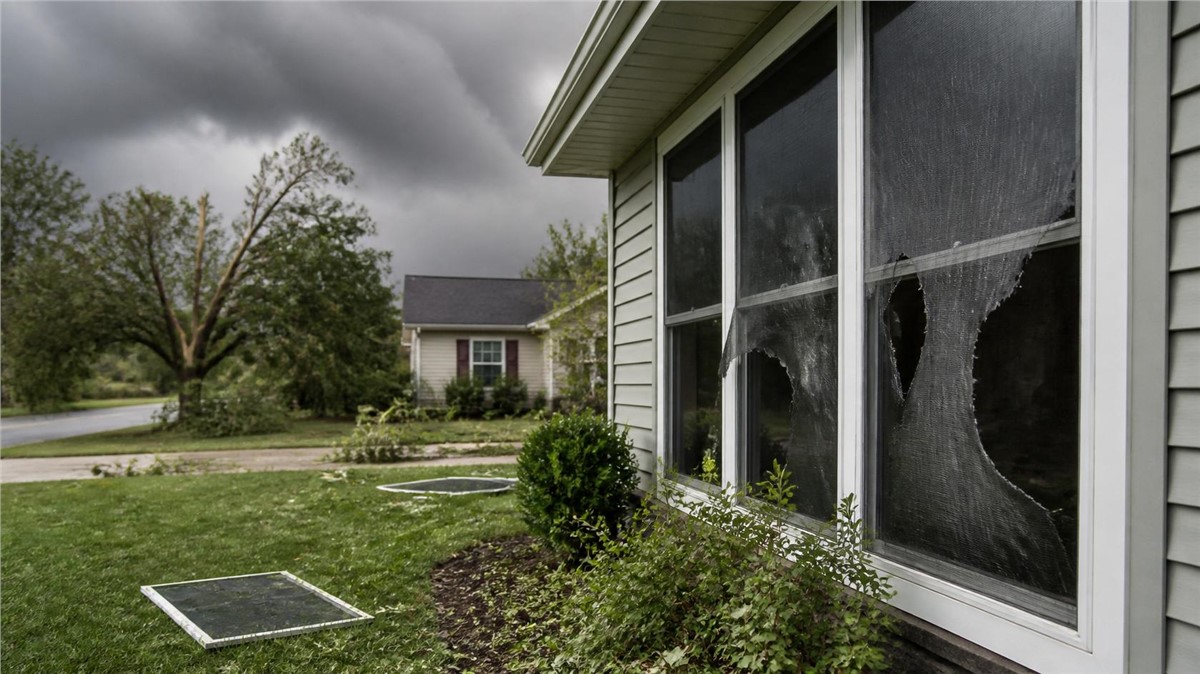
Windows are another vulnerable part of the exterior. Storms can damage glass, screens, seals, trim, and the areas around the window opening.
Common storm-related window issues include:
- Torn or dented screens
- Cracked glass
- Damaged exterior trim
- Moisture around window frames
- Drafts after high winds
- Failed seals
- Water stains below windows
- Loose caulking or flashing
Heavy rain can reveal leaks around windows. Wind can drive water into gaps. Hail can damage screens, trim, and nearby siding. Snow and ice can also affect lower window areas and exterior ledges when melting water refreezes.
If a window area shows signs of water damage after a storm, the issue may not be the window alone. Nearby siding, gutters, flashing, or roof edges may also be involved.
How Storms Affect Gutters
Gutters help move water away from the roof, siding, foundation, landscaping, sidewalks, and entrances. When storms damage gutters, water may no longer drain properly.
Storm-related gutter damage can include:
- Dents from hail
- Loose gutter sections
- Sagging from ice or debris
- Leaking seams
- Disconnected downspouts
- Clogged downspouts
- Overflow during rain
- Gutters pulling away from fascia
Heavy rain can quickly overwhelm clogged or damaged gutters. Wind can blow leaves, sticks, and debris into the system. Snow and ice can add weight and pull gutters loose.
When gutters fail, water may spill down siding, pool near the foundation, wash out landscaping, or freeze near walkways in winter. For commercial properties, this can create safety and maintenance concerns around entrances and parking areas.
Warning Signs to Watch After a Storm
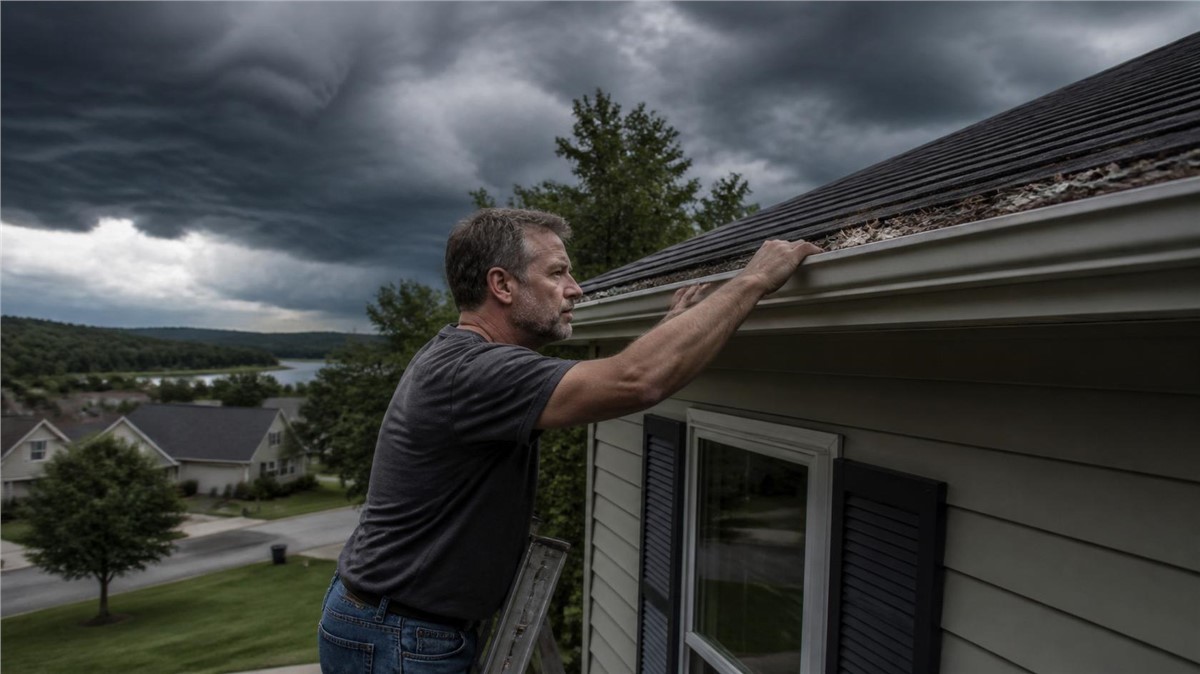
After severe weather in Albany, WI, walk around the property from the ground and look for visible signs of damage. Do not climb onto the roof.
Watch for:
- Shingles in the yard
- Dented gutters or downspouts
- Loose siding panels
- Cracked siding or trim
- Water stains indoors
- Wet insulation or attic moisture
- Broken or torn window screens
- Gutters overflowing during rain
- Debris on the roof
- Water pooling near the foundation
- Drips near windows or ceilings
If you notice damage in one area, it is smart to check the rest of the exterior too. Hail and wind often affect multiple systems during the same storm.
Residential and Commercial Property Concerns
For homeowners in Albany, storm damage can affect comfort, curb appeal, energy performance, and long-term protection. Roof leaks, siding cracks, damaged windows, and overflowing gutters can all create problems inside the home.
For commercial property owners, storm damage may affect tenants, customers, employees, inventory, equipment, walkways, and daily operations. Water near entrances, leaks in tenant spaces, or damaged exterior walls should be addressed quickly.
Commercial buildings may also have larger roofs, longer gutter runs, more windows, and more complex drainage needs. A full exterior inspection can help identify the most urgent repairs first.
Repair vs Replacement After Storm Damage
Some storm damage can be repaired. Other damage may require replacement if it is widespread or affecting the performance of the exterior system.
Repair may make sense when:
- Damage is limited to one area
- A few shingles or siding panels are affected
- One gutter section is loose
- Window trim damage is minor
- There is no moisture damage behind materials
Replacement may be better when:
- Damage affects multiple areas
- Leaks are recurring
- Siding is cracked or loose across several walls
- Gutters are sagging or leaking throughout the system
- Windows are drafty, leaking, or damaged
- Moisture has reached the wall or roof structure
A professional inspection can help determine the right next step.
Why a Full Exterior Inspection Matters
Storms often damage roofing, siding, windows, and gutters together. Looking at only one area can miss related problems.
A full inspection may include:
- Roofing materials
- Flashing and vents
- Siding panels and trim
- Windows and screens
- Gutters and downspouts
- Fascia and soffit
- Interior water stains
- Drainage around the property
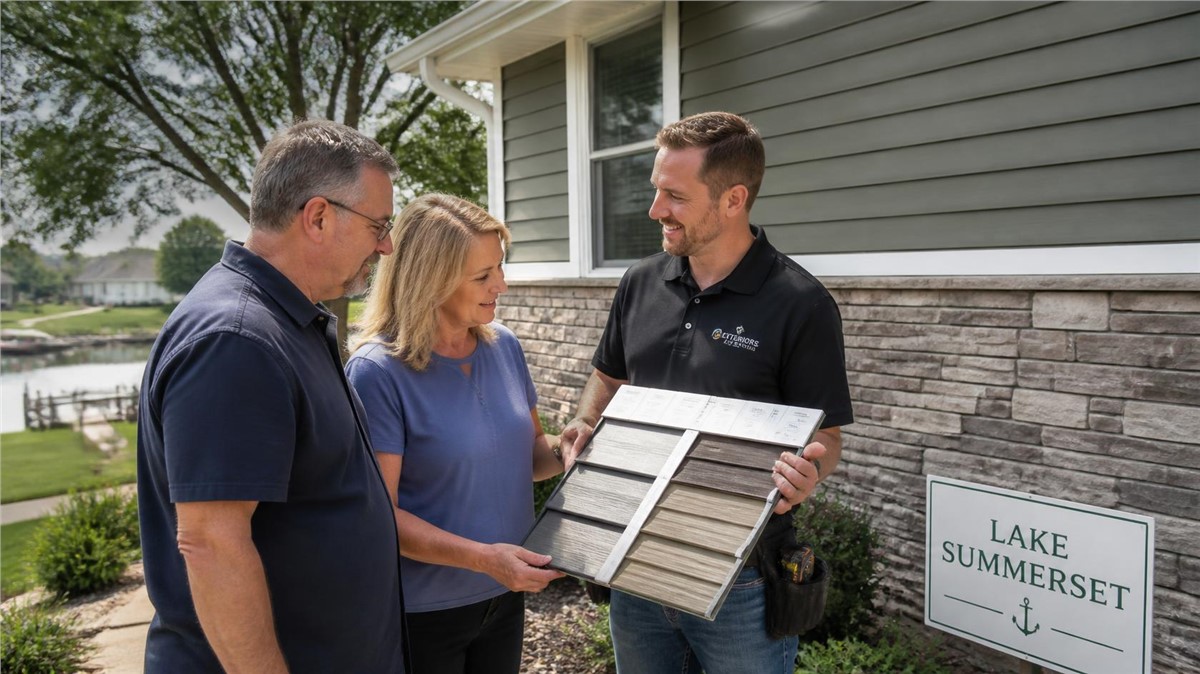
Huskie Exteriors provides roofing, siding, window, gutter, and storm damage restoration services, helping property owners evaluate the full exterior system after severe weather.
Why Working With a Local Exterior Contractor Matters
A local exterior contractor understands how Wisconsin and Illinois weather affects homes and commercial buildings. In Albany, hail, wind, heavy rain, snow, ice, and freeze-thaw cycles can all create different types of exterior damage.
Local experience also helps property owners make practical repair decisions based on weather exposure, building condition, and long-term protection.
Conclusion
Storms can affect every part of your exterior system. Roofing, siding, windows, and gutters all work together to protect your property from water, wind, and moisture damage.
For homeowners and commercial property owners in Albany, WI, it is important to look for warning signs after hail, wind, heavy rain, snow, ice, or freeze-thaw weather. Even minor damage should be inspected before it becomes a bigger issue.
If your property has storm damage or you are unsure what to check after severe weather, Huskie Exteriors can help evaluate the full exterior and recommend the right next step.
Contact Huskie Exteriors for professional roofing, siding, window, gutter, and storm damage services in Illinois and Wisconsin.
Subscribe to Huskie Exteriors's Blog






Comments