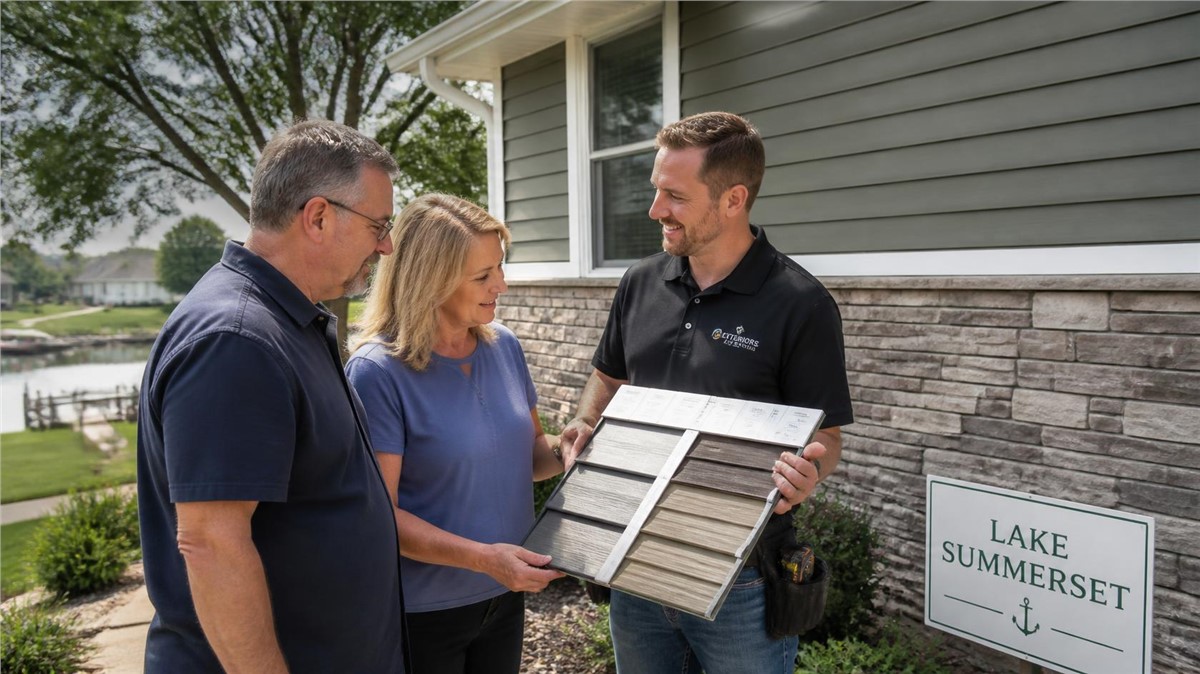
Commercial siding does more than improve the appearance of a building. It helps protect the structure from wind, rain, snow, ice, sun exposure, and moisture. When siding is damaged, loose, cracked, or poorly sealed, the building envelope may become vulnerable.
For commercial properties in Lake Carroll, IL, exterior maintenance is especially important because Midwest weather can shift quickly. Heavy rain, hail, wind, snow, ice, humidity, and freeze-thaw cycles can all affect siding, trim, windows, gutters, flashing, and drainage.
This guide explains why commercial siding maintenance matters, what warning signs to look for, and how property owners can protect the building envelope.
What Is the Building Envelope?
The building envelope is the protective barrier between the inside of the building and outdoor conditions. It includes exterior walls, siding, roofing, windows, doors, insulation, flashing, sealants, and drainage systems.
A strong building envelope helps manage:
- Water protection
- Air movement
- Indoor comfort
- Energy performance
- Moisture control
- Structural protection
- Exterior appearance
- Long-term maintenance costs
Commercial siding is a key part of that system.
Why Commercial Siding Maintenance Matters
Commercial buildings often have larger wall areas, more tenants, more foot traffic, and more exposed surfaces than residential properties. Small siding problems can affect offices, retail areas, storage rooms, entryways, equipment rooms, and tenant spaces.
Regular siding maintenance can help reduce:
- Water intrusion
- Interior wall damage
- Mold or mildew concerns
- Drafts
- Damaged insulation
- Pest entry
- Tenant complaints
- Emergency repairs
- Exterior deterioration
A consistent maintenance plan helps property managers catch issues before they spread.
Common Commercial Siding Problems
Commercial siding can wear down for many reasons, including weather exposure, age, impact damage, poor drainage, and failed sealants.
Common problems include:
- Cracked siding
- Loose panels
- Open seams
- Warped sections
- Rust or corrosion
- Fading
- Stains
- Damaged trim
- Failed caulking
- Water behind siding
- Impact dents
- Storm damage
These problems should be inspected early, especially if they appear near windows, doors, roof edges, or gutters.
Warning Sign 1: Cracked or Damaged Panels
Cracked siding can allow water and air behind the exterior surface. On commercial buildings, cracks may happen from hail, wind debris, vehicle contact, equipment impact, or aging materials.
Check for:
- Visible cracks
- Holes or punctures
- Broken corners
- Split panels
- Impact marks
- Damaged lower wall sections
- Cracks near doors or loading areas
Even small openings can become bigger problems during heavy rain or freezing weather.
Warning Sign 2: Loose or Missing Siding
Loose siding can move during strong winds and may allow moisture behind the wall system. If sections are missing, the underlying materials may be exposed.
Warning signs include:
- Panels pulling away
- Rattling during wind
- Open gaps
- Missing sections
- Loose trim
- Detached corner pieces
- Exposed wall areas
Loose materials should be repaired before storms make the damage worse.
Warning Sign 3: Water Stains or Discoloration
Stains on siding can point to drainage issues, gutter overflow, roof runoff, mildew growth, or moisture traveling behind materials.
Watch for:
- Dark streaks
- Brown stains
- Green or black growth
- Repeated stains after cleaning
- Stains below windows
- Stains under gutters
- Water marks near wall penetrations
If staining keeps returning, the source should be inspected instead of only cleaning the surface.
Warning Sign 4: Failed Caulking and Sealants
Caulking and sealants help close gaps around windows, doors, trim, and wall penetrations. Over time, they can crack, shrink, separate, or fail.
Failed sealants may appear around:
- Windows
- Doors
- Utility penetrations
- Wall joints
- Trim transitions
- Signage attachments
- Exterior lights
- Vents
Failed sealants can allow water and air into the building envelope.
Warning Sign 5: Moisture Around Windows and Doors
Windows and doors are common weak points in commercial exterior systems. If siding, trim, flashing, or caulking fails near openings, water may enter the wall.
Look for:
- Water stains below windows
- Soft trim
- Peeling paint
- Drafts
- Fogging between panes
- Damp drywall
- Musty odors
- Cracked caulking
- Loose exterior trim
Window and door areas should be included in every siding inspection.
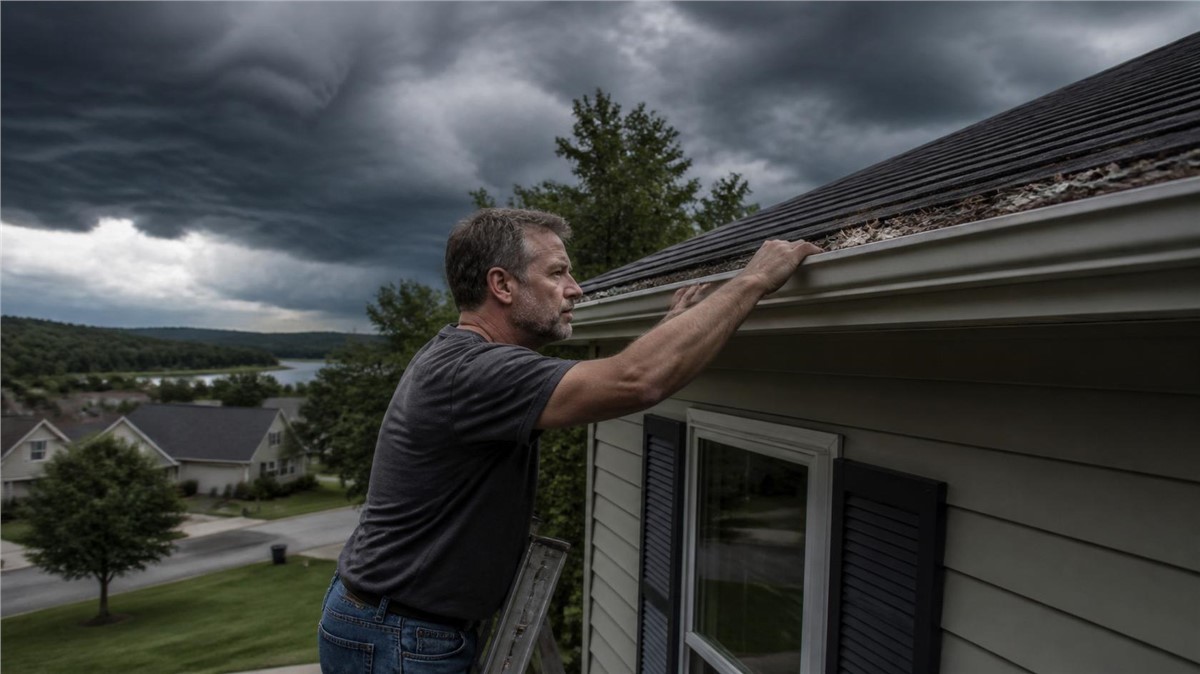
Warning Sign 6: Gutter and Downspout Problems
Gutters and downspouts help protect siding by directing water away from walls and foundations. If drainage fails, water can run down siding and damage the building envelope.
Gutter issues may include:
- Overflow during rain
- Leaking seams
- Sagging sections
- Loose downspouts
- Clogged outlets
- Water behind gutters
- Ice buildup
- Foundation pooling
Commercial siding maintenance should always include drainage review.
Warning Sign 7: Damage Near Loading Areas
Commercial buildings may have siding damage near loading docks, service entrances, dumpster areas, storage areas, or parking zones. These areas are more likely to experience impact damage.
Check for:
- Dents
- Scrapes
- Cracked panels
- Bent trim
- Loose lower siding
- Damaged corner guards
- Water entry near doors
- Exposed wall materials
These areas may need stronger materials or protective upgrades.
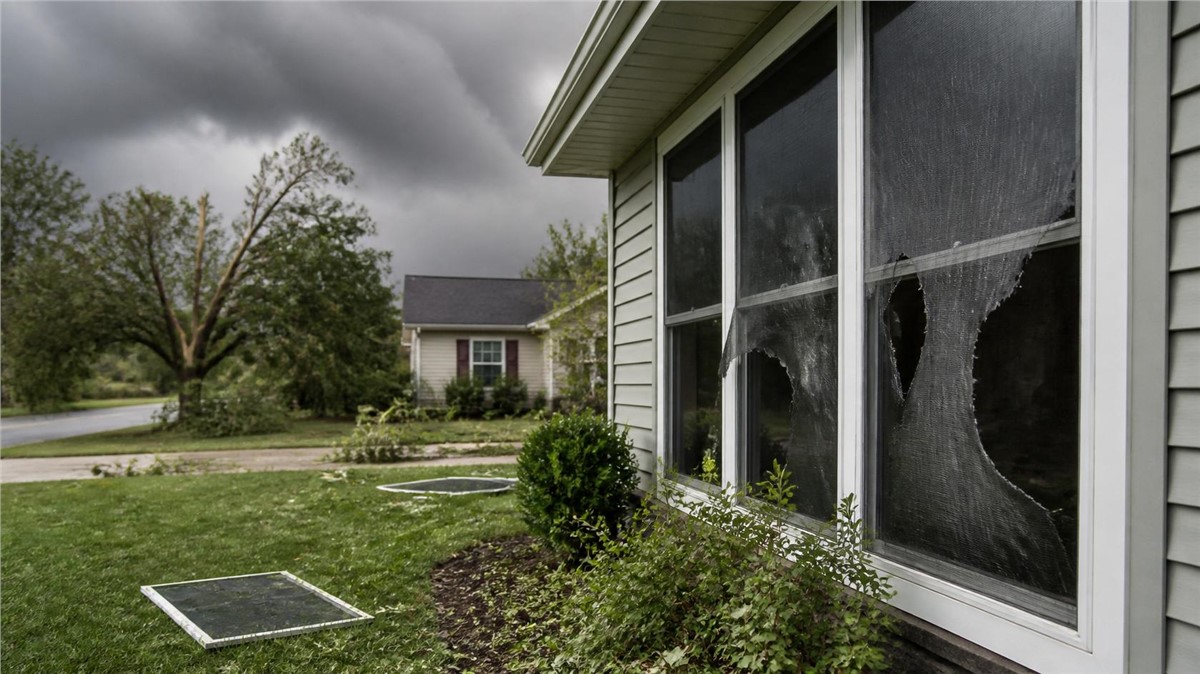
Warning Sign 8: Storm Damage
Lake Carroll buildings can be affected by hail, wind, heavy rain, snow, and ice. Storm damage may affect siding and other exterior systems at the same time.
Storm-related siding concerns include:
- Hail dents
- Cracks or punctures
- Loose panels
- Damaged trim
- Dented gutters
- Broken window seals
- Water stains after storms
- Debris impact marks
After severe weather, roofing, siding, gutters, windows, fascia, soffit, and flashing should be inspected together.
How Siding Protects Energy Performance
Commercial siding helps support the overall building envelope. If siding is damaged or gaps are open, air movement and moisture can affect comfort and performance.
Poor siding condition may contribute to:
- Drafts
- Uneven temperatures
- Higher heating or cooling demand
- Wet insulation
- Tenant comfort complaints
- Moisture inside walls
Siding maintenance works best when paired with window, roof, and insulation review.
Maintenance Tasks for Commercial Siding
A practical siding maintenance plan does not need to be complicated. The key is consistency.
Helpful maintenance tasks include:
- Inspect siding twice per year
- Check after major storms
- Clean stains and buildup
- Keep gutters clear
- Review downspout drainage
- Check caulking around openings
- Inspect trim and flashing
- Look for loose panels
- Document damage with photos
- Schedule repairs early
Spring and fall are good times to inspect commercial exteriors in Illinois.
What Property Managers Should Document
Good documentation helps property managers track changes over time and plan repairs before damage spreads.
Helpful records include:
- Photos of siding damage
- Storm dates
- Leak locations
- Tenant complaints
- Maintenance notes
- Contractor inspection findings
- Repair history
- Warranty information
- Drainage concerns
- Interior moisture signs
This makes future maintenance decisions easier.
Repair vs Replacement
Not every siding issue requires full replacement. The right choice depends on the extent of damage, material age, moisture concerns, and overall building condition.
Repair may make sense if:
- Damage is isolated
- Panels can be matched
- No hidden moisture is present
- Trim is mostly intact
- The siding is still performing well
- Storm damage is limited
Replacement may be better if:
- Siding is failing in many areas
- Moisture is behind the siding
- Panels are brittle or warped
- Repairs would look mismatched
- Storm damage is widespread
- Maintenance costs keep increasing
- The building exterior looks outdated
A professional inspection can help determine the right scope.
What Should Be Included in a Commercial Siding Inspection?
A commercial siding inspection should review visible siding and the surrounding systems that affect wall protection.
A contractor may check:
- Siding panels
- Wall seams
- Trim
- Flashing
- Windows and doors
- Caulking and sealants
- Gutters and downspouts
- Roof edges
- Wall penetrations
- Interior moisture signs
- Storm damage areas
- Drainage around the building
The goal is to identify both surface damage and possible building envelope concerns.
Planning Repairs Around Business Operations
Commercial siding work should be planned carefully to reduce disruption for employees, tenants, customers, and visitors.
Planning may include:
- Access points
- Parking areas
- Delivery schedules
- Tenant communication
- Safety zones
- Material staging
- Noise expectations
- Weather delays
- Cleanup schedule
Good planning helps keep the project organized and safer for everyone on-site.
Why a Full Exterior Inspection Helps
Siding does not work alone. Roofing, gutters, windows, doors, flashing, fascia, soffit, trim, and drainage all help protect the building envelope.
A full exterior inspection may include:
- Commercial siding
- Roofing and roof edges
- Gutters and downspouts
- Windows and doors
- Flashing and trim
- Fascia and soffit
- Interior moisture signs
- Storm damage areas
- Site drainage
Huskie Exteriors provides roofing, siding, window, gutter, and storm damage restoration services, helping commercial property owners evaluate the full exterior system.
Why Local Exterior Experience Matters
A local contractor understands how Illinois weather affects commercial buildings. In Lake Carroll, IL, exterior systems must handle wind, hail, heavy rain, snow, ice, humidity, sun exposure, and freeze-thaw cycles.
Local experience helps property owners and managers identify whether siding damage is caused by age, impact, storm damage, drainage problems, failed sealants, flashing issues, or hidden moisture.
Conclusion
Commercial siding maintenance in Lake Carroll, IL is an important part of protecting the building envelope. Cracked panels, loose siding, failed caulking, damaged trim, water stains, gutter problems, storm damage, and moisture concerns should be inspected before they create larger issues.
If your commercial building has siding damage, leaks, stains, drafts, storm damage, gutter issues, or exterior wear, Huskie Exteriors can inspect the property and recommend the right next step.
Contact Huskie Exteriors for professional roofing, siding, window, gutter, and storm damage services in Illinois and Wisconsin.
Subscribe to Huskie Exteriors's Blog





Comments