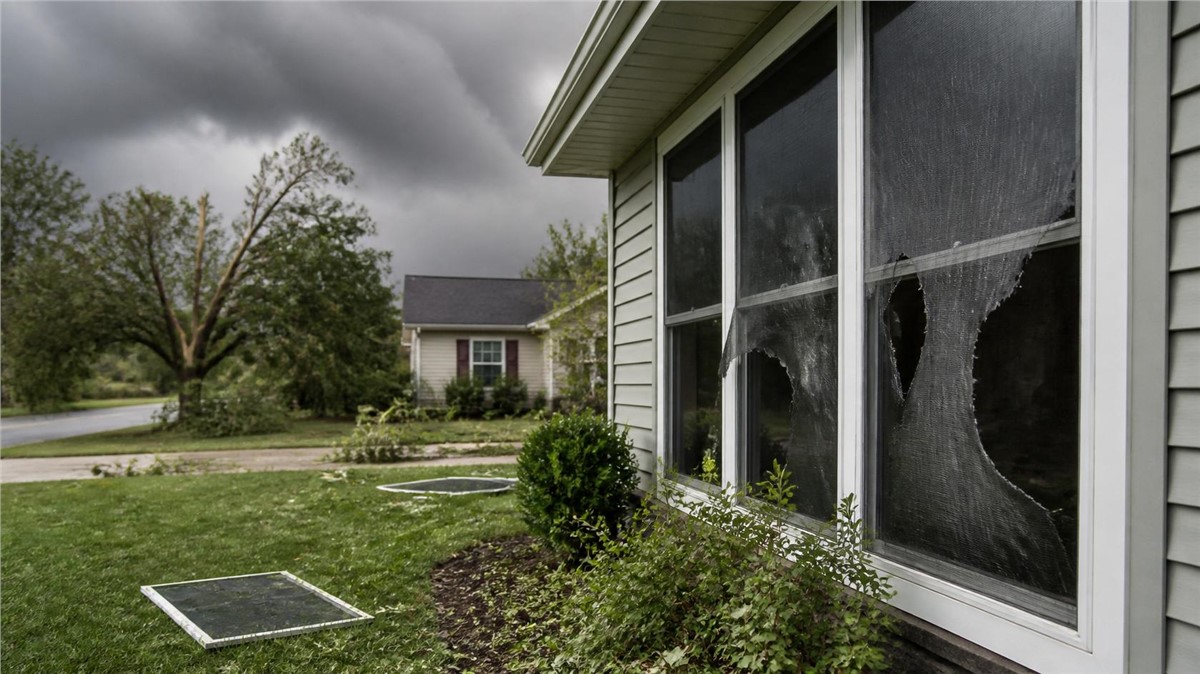
After a hailstorm, many homeowners immediately think about roof damage. That is important, but hail can also affect other parts of the home’s exterior. Siding can crack, gutters can dent, window screens can tear, and trim can loosen. Some damage is easy to see, while other problems may appear later as leaks, stains, drafts, or moisture.
For homeowners in Orangeville, IL, hail damage should be checked carefully because northern Illinois weather can bring hail, wind, heavy rain, snow, ice, humidity, and freeze-thaw cycles. When these conditions hit together, several exterior systems may be damaged during the same storm.
This guide explains signs of hail damage beyond the roof and what homeowners should check after severe weather.
Why Hail Damage Is Not Only a Roof Problem
The roof often takes the hardest hit during hail, but it is not the only exposed surface. Hail can strike siding, gutters, windows, screens, fascia, soffit, decks, vents, and exterior trim.
Hail damage may affect:
- Gutters and downspouts
- Siding
- Windows
- Window screens
- Exterior trim
- Fascia and soffit
- Roof vents
- Flashing
- Gutter guards
- Drainage systems
A full exterior inspection helps homeowners understand the complete storm impact.
Gutters and Downspouts
Gutters and downspouts are common places to find hail damage. Metal components may show dents, bending, loose sections, or leaks after a storm.
Check for:
- Dents on gutter runs
- Dents on downspouts
- Leaking seams
- Loose hangers
- Sagging sections
- Gutters pulling away
- Damaged gutter guards
- Water overflowing during rain
Dents may look cosmetic, but they can sometimes affect slope, drainage, and attachment points.
Siding Damage
Siding can crack, chip, loosen, or dent during hailstorms. The storm-facing side of the home may show more damage than other areas.
Siding hail damage may include:
- Cracked panels
- Holes or punctures
- Chipped corners
- Loose siding
- Warped areas
- Dented trim
- Stains after rain
- Gaps near windows or corners
Damaged siding should be inspected because openings can allow moisture behind the wall system.
Window and Screen Damage
Windows can be affected by hail impact, flying debris, wind pressure, and heavy rain. Some window damage is obvious, while seal failure may appear later.
Look for:
- Cracked glass
- Torn screens
- Bent screen frames
- Fogging between panes
- Loose window trim
- Failed caulking
- Water stains below windows
- Drafts after the storm
If windows show damage, the siding and trim around the opening should also be checked.
Fascia and Soffit Damage
Fascia and soffit protect roof edges and help complete the home’s exterior system. Hail and wind can damage these areas, especially near gutters.
Warning signs include:
- Dented fascia
- Loose soffit panels
- Cracked trim
- Water stains
- Soft fascia
- Peeling paint
- Gaps near roof edges
- Openings where pests can enter
These areas are important because they connect roofing, gutters, siding, and attic ventilation.
Roof Vents and Metal Components
Even if shingles are the main concern, metal roof components can also show hail impact. These dents can help indicate how strong the storm was.
Contractors may check:
- Roof vents
- Ridge vents
- Pipe boots
- Flashing
- Chimney caps
- Metal valleys
- Drip edge
- Vent covers
Dented metal does not always mean there is an active leak, but it should be reviewed during a storm damage inspection.
Flashing Around Openings
Flashing protects areas where water is more likely to enter. Hail, wind, and debris can damage or loosen flashing around roof and wall transitions.
Important flashing areas include:
- Chimneys
- Skylights
- Roof valleys
- Dormers
- Windows
- Wall transitions
- Pipe penetrations
- Roof edges
Damaged flashing can allow water to enter even if the surrounding materials look mostly intact.
Gutter Guards
If your home has gutter guards, they should also be inspected after hail. Guards can dent, bend, crack, or pull loose during a storm.
Damaged gutter guards may cause:
- Water to overshoot gutters
- Debris buildup
- Poor water entry
- Overflow during rain
- Ice buildup in winter
- Loose gutter sections
If the guard is damaged, the gutter beneath it should also be checked.
Exterior Trim and Corner Pieces
Trim helps protect siding edges, window openings, corners, and transitions. Hail can dent, crack, or loosen these pieces.
Trim damage may include:
- Cracked corner posts
- Dented trim wrap
- Loose trim pieces
- Gaps around windows
- Chipped edges
- Water stains near trim
- Open seams
Trim damage may seem minor, but it can create paths for water during future storms.
Signs Inside the Home
Hail damage outside may eventually show up indoors as moisture, stains, or drafts. Homeowners should check the inside of the home after a storm, especially near ceilings, windows, and exterior walls.
Interior warning signs include:
- Ceiling stains
- Wall stains
- Damp drywall
- Peeling paint
- Musty odors
- Water near windows
- Wet attic insulation
- Drafts around openings
Interior signs should be documented and inspected quickly.
Attic Moisture After Hail
The attic can show hidden storm damage that may not be visible from outside. If hail damaged shingles, vents, flashing, or roof edges, water may enter the attic during rain.
Attic warning signs include:
- Wet insulation
- Dark roof decking
- Rusted nails
- Water trails
- Musty odors
- Mold or mildew concerns
- Daylight through roof gaps
If attic moisture appears after a hailstorm, the roof and ventilation areas should be checked.
Drainage Problems After Hail
Hailstorms often come with heavy rain and wind. If gutters, downspouts, or drainage paths are damaged, water may collect where it should not.
Drainage warning signs include:
- Water pooling near the foundation
- Overflowing gutters
- Downspouts releasing little water
- Soil erosion
- Water stains on siding
- Wet landscaping beds
- Ice patches in winter
- Basement moisture after rain
Good drainage helps protect the roof, siding, foundation, and basement areas.
Hail Damage Can Be Hard to See
Not all hail damage is obvious. Some impact marks are small, and some damage may only become noticeable after the next storm.
Hidden or delayed signs may include:
- Leaks after later rain
- Fogging between window panes
- Loose siding panels
- Granules in gutters
- Moisture behind siding
- Drafts around windows
- Repeated gutter overflow
A professional inspection can help catch damage that homeowners may miss from the ground.
What Homeowners Can Check Safely
Homeowners can do a safe ground-level review after hail passes.
Look for:
- Dented gutters
- Dented downspouts
- Cracked siding
- Torn screens
- Broken glass
- Loose trim
- Shingles in the yard
- Granules near downspouts
- Water stains indoors
- Drainage problems after rain
Avoid climbing onto the roof or using ladders during unsafe conditions.
What to Document After Hail
Good documentation can help homeowners stay organized after a storm.
Helpful documentation includes:
- Storm date
- Photos of visible damage
- Photos of hail if available
- Interior stain photos
- Notes about leaks
- Photos of dents or cracks
- Videos of gutter overflow
- Contractor inspection findings
If insurance may be involved, homeowners should contact their insurance provider for policy-specific guidance.
Repair vs Replacement
Some hail damage can be repaired, while other damage may require replacement if it is widespread or affects performance.
Repair may make sense if:
- Damage is isolated
- One gutter section is dented
- A few siding panels are cracked
- One screen is torn
- Flashing damage is limited
- No hidden moisture is found
Replacement may be better if:
- Siding damage is widespread
- Gutters are dented throughout
- Roof damage affects multiple areas
- Windows or seals are failing
- Moisture has entered the home
- Repairs would not match well
- Materials are old or brittle
A professional inspection helps determine the right scope.
Insurance Considerations
If hail damage may involve insurance, homeowners should contact their insurance provider to understand coverage, deductibles, deadlines, documentation requirements, and claim steps.
Helpful records may include:
- Storm date notes
- Photos of visible damage
- Contractor inspection findings
- Interior water stain photos
- Temporary repair receipts
- Adjuster notes
Every policy is different, so claim guidance should come directly from the insurance provider.
What Should Be Included in a Hail Damage Inspection?
A hail damage inspection should look at the full exterior, not only the shingles.
A contractor may check:
- Roofing
- Gutters and downspouts
- Siding
- Windows and screens
- Flashing
- Fascia and soffit
- Roof vents
- Exterior trim
- Attic moisture signs
- Interior water stains
- Drainage areas
This helps identify both visible damage and hidden moisture risks.
Why a Full Exterior Inspection Helps
Hail damage often affects multiple parts of a home during the same storm. A roof-only inspection may miss siding cracks, gutter dents, damaged windows, loose trim, or drainage problems.
A full exterior inspection may include:
- Roof shingles and vents
- Gutters and downspouts
- Siding and trim
- Windows and screens
- Flashing
- Fascia and soffit
- Attic and interior moisture signs
- Foundation drainage
- Storm damage areas
Huskie Exteriors provides roofing, siding, window, gutter, and storm damage restoration services, helping homeowners evaluate the full exterior system after severe weather.
Why Local Exterior Experience Matters
A local contractor understands how Illinois hail affects homes. In Orangeville, IL, storms may bring hail with wind, heavy rain, snow, ice, and freeze-thaw cycles that damage roofing, siding, gutters, windows, and trim.
Local experience helps homeowners determine whether damage is cosmetic, repairable, storm-related, drainage-related, or connected to hidden moisture.
Conclusion
Hail damage around your home in Orangeville, IL can affect much more than the roof. Gutters, downspouts, siding, windows, screens, fascia, soffit, flashing, trim, vents, and drainage areas should all be checked after a hailstorm. Even small dents or cracks can become larger concerns if they affect water flow or allow moisture into the home.
If your home has hail damage, dented gutters, cracked siding, damaged windows, roof concerns, leaks, or drainage problems, Huskie Exteriors can inspect your exterior and recommend the right next step.
Contact Huskie Exteriors for professional roofing, siding, window, gutter, and storm damage services in Illinois and Wisconsin.
Subscribe to Huskie Exteriors's Blog








Comments