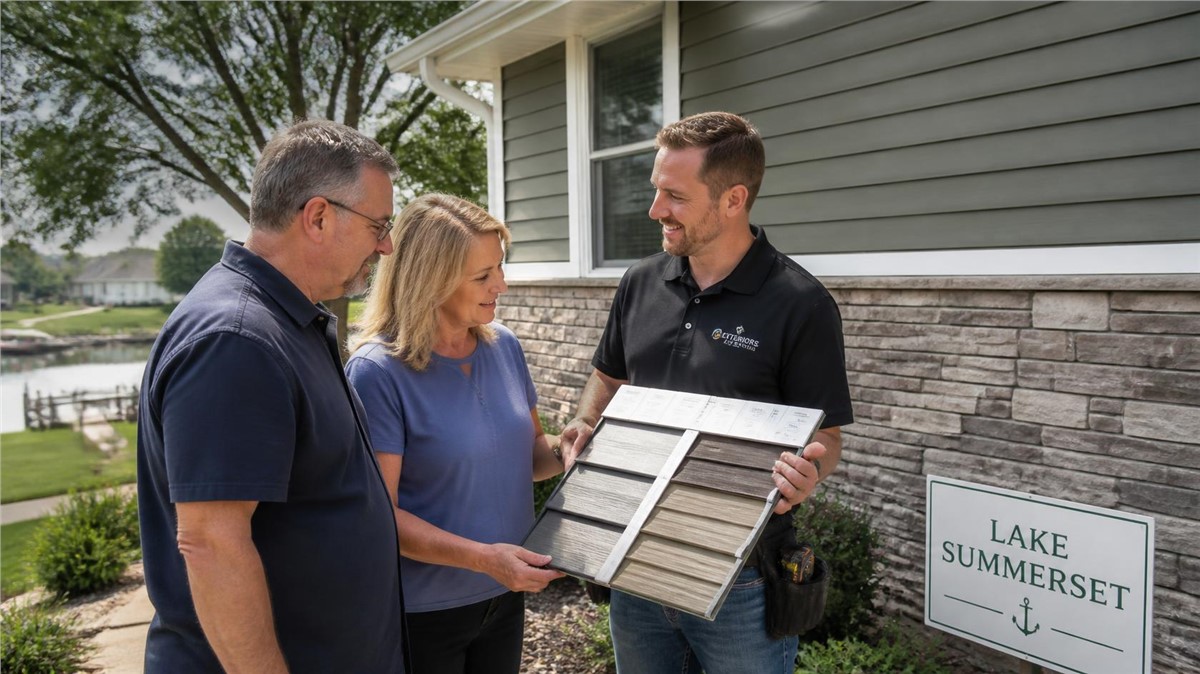
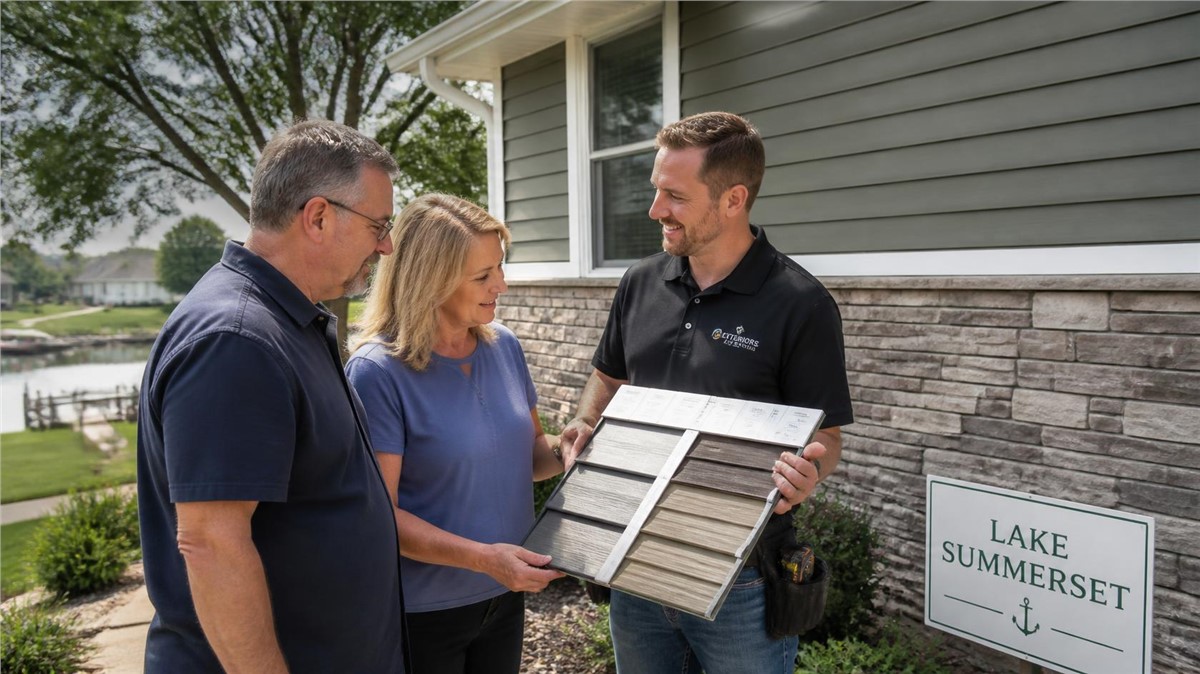
Siding installation is one of the biggest exterior updates a homeowner can make. New siding can improve curb appeal, protect against weather, reduce maintenance, and help the home feel more finished. But before the project starts, homeowners should understand what is included and what questions to ask.
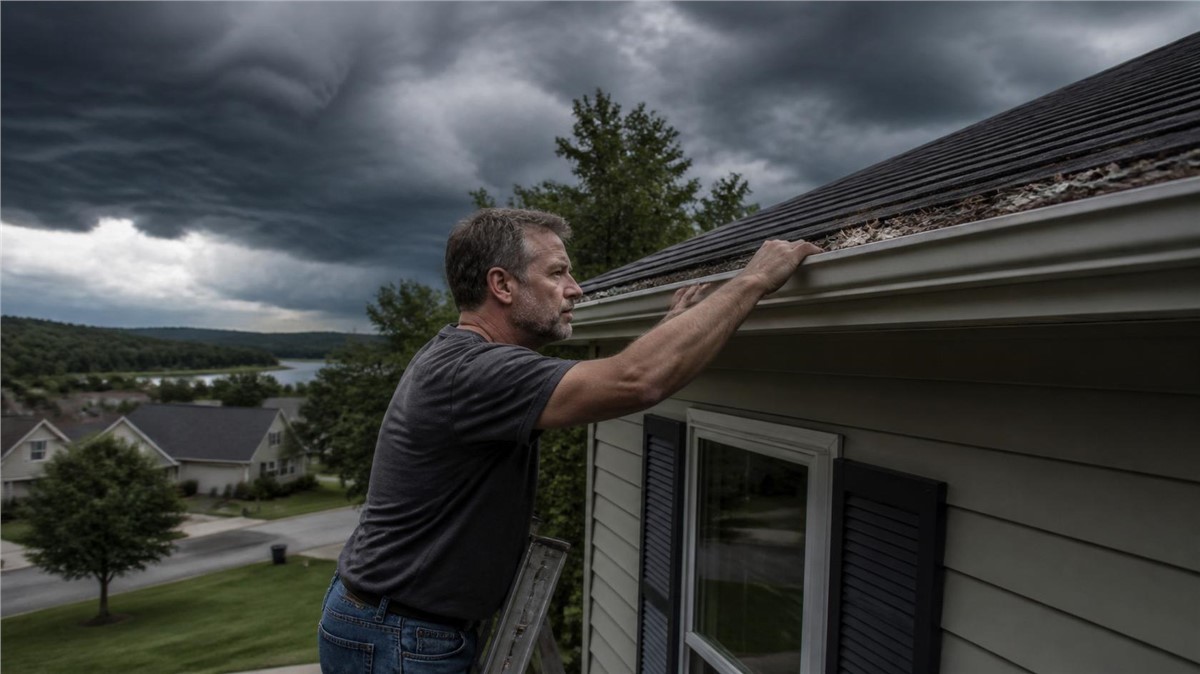
For homes in Lake Summerset, IL, siding needs to handle Midwest weather conditions such as wind, hail, heavy rain, snow, ice, humidity, and freeze-thaw cycles. Choosing the right material and installation approach matters because siding works with windows, gutters, roofing, trim, flashing, and drainage to protect the home.
This guide covers important siding installation questions homeowners should ask before hiring a contractor.
Why Asking Questions Matters
A siding installation estimate should do more than list a price. It should explain the material, preparation work, installation details, trim options, moisture concerns, cleanup, timeline, and warranty.
Asking questions helps homeowners understand:
- What material is being installed
- What existing damage may need repair
- How the home will be protected
- Whether old siding will be removed
- How windows and trim will be handled
- What is included in the estimate
- What may cost extra
- How long the project may take
Clear answers help prevent confusion once work begins.
What Siding Material Is Best for My Home?
One of the first questions to ask is which siding material makes the most sense for your home, budget, and maintenance goals.
Common siding options include:
- Vinyl siding
- Insulated vinyl siding
- Fiber cement siding
- Engineered wood siding
- Composite siding
- Metal siding
- Accent shakes or board-and-batten
Each material has different benefits for appearance, durability, maintenance, cost, and weather performance.
How Will the Material Handle Local Weather?
Lake Summerset homes are exposed to changing seasonal conditions. Siding should be selected with local weather in mind.
Ask how the siding performs against:
- Wind
- Hail
- Heavy rain
- Snow
- Ice
- Humidity
- Sun exposure
- Freeze-thaw cycles
A local contractor should explain how different materials perform in northern Illinois conditions.
Will the Old Siding Be Removed?
Homeowners should ask whether the existing siding will be removed or whether new siding will be installed over it. This is an important difference.
Removing old siding can help reveal:
- Moisture damage
- Rot
- Damaged sheathing
- Pest issues
- Poor past repairs
- Failed house wrap
- Hidden wall problems
Installing over old siding may seem faster, but it can hide problems that should be repaired first.
Will You Check for Moisture Damage?
Moisture behind siding can lead to serious problems if it is covered by new materials. Before siding installation, the contractor should inspect for signs of trapped water or damaged wall materials.
Moisture warning signs include:
- Soft trim
- Warped siding
- Water stains
- Mold or mildew concerns
- Musty odors
- Interior wall stains
- Peeling paint
- Damaged sheathing
New siding should not be installed over active moisture problems.
What Happens If Hidden Damage Is Found?
Some damage may not be visible until the old siding is removed. Homeowners should ask how hidden repairs will be handled.
Helpful questions include:
- How will damaged sheathing be identified?
- What repairs may be needed?
- How will extra work be approved?
- Is there a unit price for sheathing replacement?
- Will photos be provided?
- How will the timeline change?
This helps homeowners avoid surprises during the project.
What Is Included in the Siding Estimate?
A siding estimate should clearly explain the scope of work. If the estimate is vague, it may be difficult to compare with other options.
A good estimate may include:
- Siding material
- Color and style
- Removal of old siding
- House wrap or moisture barrier
- Trim details
- Flashing details
- Window and door transitions
- Fasteners
- Cleanup
- Disposal
- Warranty information
The more detailed the estimate, the easier it is to understand the project.
How Are Windows and Doors Handled?
Windows and doors are common areas where water and air can enter if siding is not installed correctly. Homeowners should ask how these transitions will be sealed and finished.
The contractor should review:
- Window trim
- Door trim
- Flashing
- Caulking
- J-channel
- Water stains below openings
- Loose trim
- Existing window damage
If windows are old, drafty, foggy, or leaking, it may make sense to discuss window replacement before or during siding work.
Will Flashing Be Inspected or Replaced?
Flashing helps direct water away from vulnerable areas. Poor flashing can lead to leaks, siding damage, and moisture behind the wall.
Important flashing areas include:
- Windows
- Doors
- Roof-to-wall transitions
- Deck connections
- Porches
- Chimneys
- Exterior penetrations
Ask whether flashing will be inspected, repaired, or replaced as part of the siding project.
How Will Trim Be Handled?
Trim affects both the appearance and protection of the home. It also helps finish corners, windows, doors, fascia areas, and transitions.
Trim questions to ask include:
- What trim material will be used?
- Will existing trim be replaced?
- Will corner posts be included?
- Are window and door trims included?
- How will trim color match the siding?
- Will damaged trim be repaired first?
Good trim details can make the siding project look cleaner and more complete.
Should Gutters Be Removed or Protected?
Gutters can affect siding installation, especially near roof edges, fascia, and downspouts. Homeowners should ask how gutters will be handled during the project.
Ask about:
- Gutter protection
- Downspout removal and reinstallation
- Fascia condition
- Gutter leaks
- Drainage issues
- Water stains on siding
- Downspout extensions
If gutters are damaged or overflowing, they should be reviewed before new siding is installed.
Will Fascia and Soffit Be Checked?
Fascia and soffit connect roofing, gutters, siding, and attic ventilation. Damage in these areas can affect the finished siding project.
A contractor should check for:
- Soft fascia
- Loose soffit panels
- Peeling paint
- Water stains
- Gutter damage
- Ventilation issues
- Open gaps
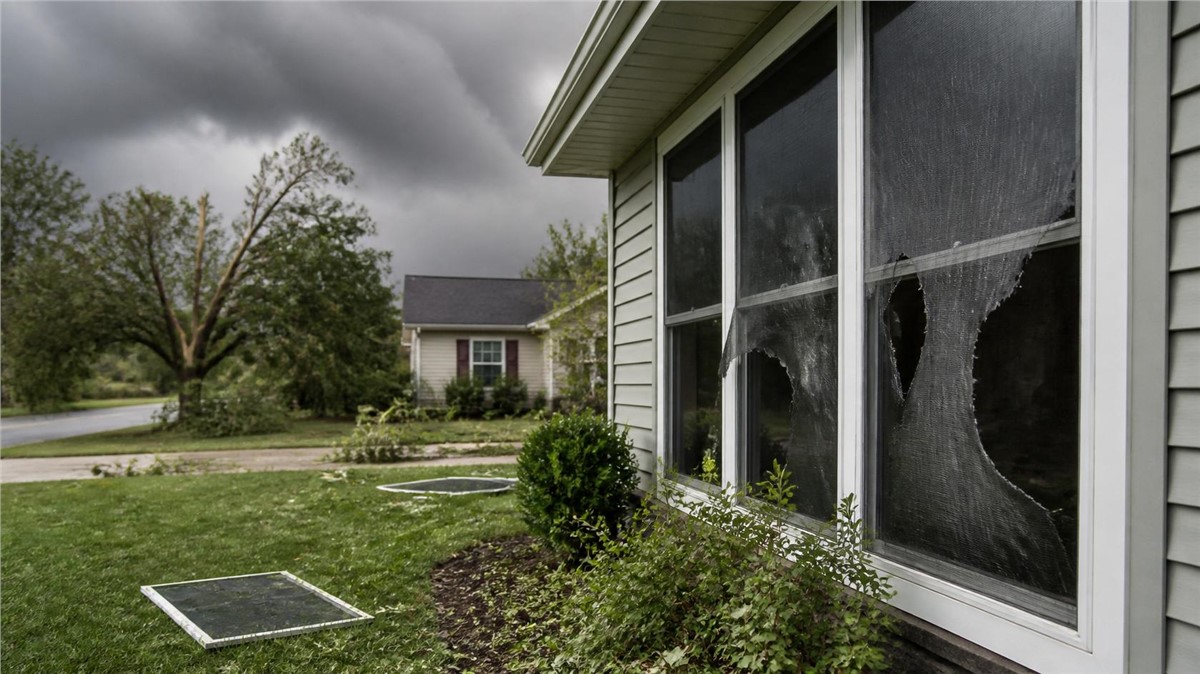
- Storm damage
If fascia or soffit repairs are needed, they should be planned before or during siding installation.
What Color and Style Should I Choose?
Siding color and style can change the full appearance of the home. Homeowners should think about more than personal preference.
Color and style should coordinate with:
- Roof color
- Window trim
- Gutters
- Front door
- Garage door
- Stone or brick accents
- Landscaping
- Neighborhood style
A balanced siding color can improve curb appeal without making the home look out of place.
Are Accent Areas Worth Considering?
Accent siding can add character when used carefully. Homeowners may consider accents around gables, front entries, dormers, porches, or upper levels.
Accent options may include:
- Board-and-batten
- Shake-style siding
- Vertical siding
- Contrasting trim
- Different siding profiles
The goal is to add interest without making the exterior look too busy.
How Long Will the Project Take?
The timeline for siding installation depends on the home size, material choice, weather, hidden repairs, crew schedule, and project complexity.
Ask about:
- Expected start date
- Estimated project length
- Weather delays
- Material delivery
- Home access needs
- Cleanup schedule
- Final walkthrough
In Illinois, rain, wind, heat, and cold weather can affect exterior project timing.
How Will the Property Be Protected?
Siding installation involves removing materials, moving equipment, cutting panels, and working around landscaping. Homeowners should understand how the property will be protected.
Ask how the contractor will protect:
- Landscaping
- Decks
- Patios
- Driveways
- Outdoor furniture
- Windows
- Doors
- Walkways
- Children’s play areas
Good jobsite planning helps reduce stress during the project.
What Cleanup Is Included?
Cleanup should be part of the siding estimate. Homeowners should know what happens to old siding, scraps, fasteners, packaging, and debris.
Cleanup questions include:
- Will old siding be hauled away?
- Will debris be removed daily?
- Will nails and fasteners be cleaned up?
- Will the yard be checked?
- Will the driveway be cleared?
- Will leftover materials be removed?
A clean finish matters just as much as the installation itself.
What Warranty Comes With the Siding?
Warranty details can vary by product and contractor. Homeowners should understand both the material warranty and workmanship coverage.
Ask about:
- Manufacturer warranty
- Workmanship warranty
- Warranty length
- What is covered
- What is excluded
- Maintenance requirements
- Transferability
- Registration requirements
A strong warranty is helpful, but it should be clearly explained in writing.
What Maintenance Will the New Siding Need?
Different siding materials have different maintenance needs. Homeowners should know what to expect before choosing a product.
Maintenance may include:
- Occasional cleaning
- Checking caulking
- Inspecting trim
- Watching for storm damage
- Keeping gutters clear
- Removing debris
- Checking for moisture stains
A contractor should explain how to care for the siding after installation.
Should Roofing or Windows Be Addressed First?
Sometimes siding installation should be coordinated with roofing, windows, or gutters. Doing projects in the right order can prevent extra work later.
Ask whether the contractor recommends checking:
- Roof condition
- Roof edges
- Windows
- Gutters
- Fascia
- Soffit
- Flashing
- Exterior trim
If multiple exterior systems are aging, a full plan may save time and reduce disruption.
How Do I Compare Siding Estimates?
Not all siding estimates include the same details. Homeowners should compare more than the final price.
Compare:
- Material type
- Removal of old siding
- Moisture barrier
- Trim details
- Flashing work
- Window and door transitions
- Hidden repair process
- Cleanup
- Warranty
- Timeline
- Communication
A cheaper estimate may leave out important work that affects long-term performance.
Repair vs Replacement
Before full installation, homeowners should confirm whether replacement is truly needed or if repairs may be enough.
Repair may make sense if:
- Damage is isolated
- Matching siding is available
- No hidden moisture is present
- Panels are not brittle
- The rest of the siding is in good condition
Replacement may be better if:
- Siding is cracked throughout
- Panels are warped or loose
- Moisture is behind the siding
- Storm damage is widespread
- Repairs would look mismatched
- The exterior is outdated
- Maintenance needs keep increasing
A professional inspection can help determine the best next step.
Why a Full Exterior Inspection Helps
Siding works with the full exterior system. Roofing, gutters, windows, fascia, soffit, flashing, trim, and drainage all affect how the home handles weather.
A full exterior inspection may include:
- Existing siding
- Windows and trim
- Gutters and downspouts
- Roofing and roof edges
- Flashing
- Fascia and soffit
- Moisture signs
- Storm damage areas
- Foundation drainage
Huskie Exteriors provides roofing, siding, window, gutter, and storm damage restoration services, helping homeowners evaluate the full exterior before siding installation.
Why Local Exterior Experience Matters
A local contractor understands how Illinois weather affects siding installation. In Lake Summerset, IL, homes need exterior materials and installation details that can handle wind, hail, heavy rain, snow, ice, humidity, sun exposure, and freeze-thaw cycles.
Local experience helps homeowners choose materials, colors, trim details, flashing solutions, gutter improvements, and installation methods that fit local conditions.
Conclusion
Siding installation questions homeowners in Lake Summerset, IL should ask include what material is best, whether old siding will be removed, how moisture damage will be handled, what trim and flashing are included, how windows and gutters affect the project, and what warranty applies.
If your siding is old, faded, cracked, loose, storm-damaged, moisture-affected, or ready for an upgrade, Huskie Exteriors can inspect your exterior and recommend the right next step.
Contact Huskie Exteriors for professional roofing, siding, window, gutter, and storm damage services in Illinois and Wisconsin.
Subscribe to Huskie Exteriors's Blog





Comments