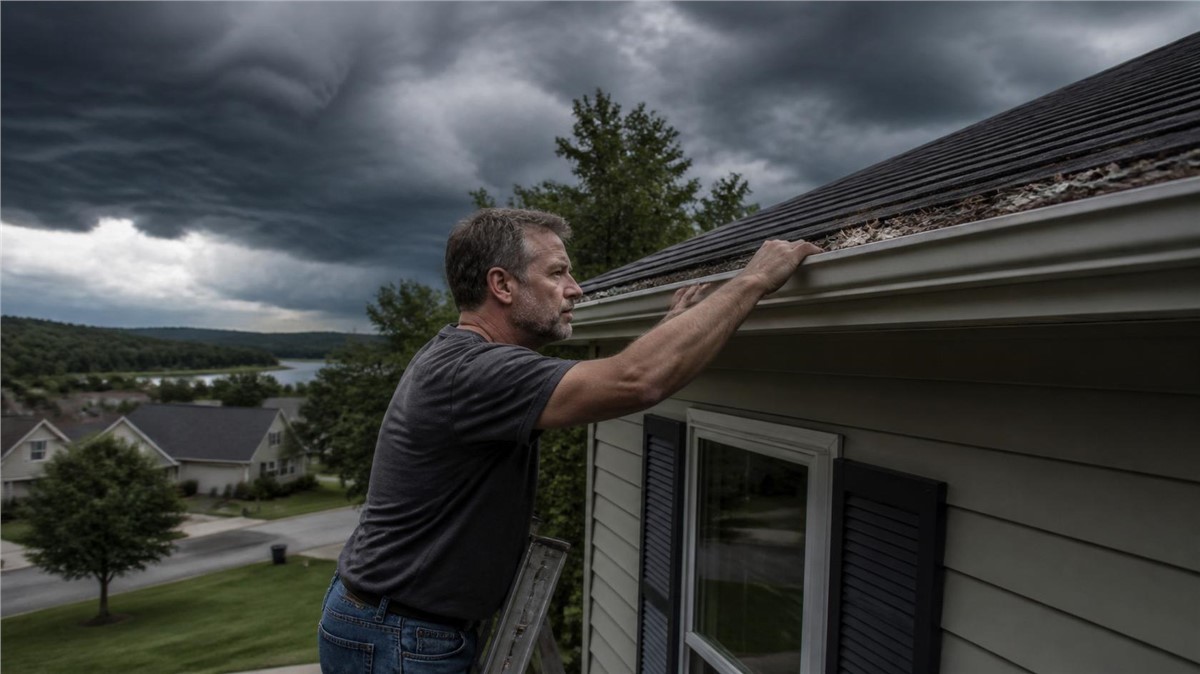
Heavy rain can quickly reveal problems with a home’s gutter system. If gutters are clogged, loose, leaking, or pitched incorrectly, water may overflow near the roof edge, run down siding, pool near the foundation, or enter areas where it should not.
For homeowners in Galena, IL, gutter maintenance is especially important because local homes deal with heavy rain, wind, snow, ice, humidity, and freeze-thaw cycles. When gutters are not draining properly, the rest of the exterior can be affected.
This checklist explains what homeowners should inspect before heavy rain and when it may be time to call a contractor.
Why Gutters Matter Before Heavy Rain
Gutters help move roof runoff away from the home. When they work properly, they help protect roofing, siding, fascia, soffit, windows, foundation areas, and landscaping.
When gutters fail, water may cause:
- Roof edge damage
- Siding stains
- Fascia rot
- Soffit damage
- Basement moisture
- Foundation pooling
- Landscape washout
- Ice buildup in winter
- Mold or mildew concerns
- Walkway or driveway hazards
A simple maintenance check before heavy rain can prevent bigger problems later.
Checklist Item 1: Remove Leaves and Debris
Clogs are one of the most common gutter problems. Leaves, twigs, shingle granules, seed pods, and dirt can block water flow.
Before heavy rain, check for:
- Leaves inside gutters
- Debris around downspout openings
- Shingle granules
- Mud buildup
- Bird nests
- Tree branches near the roofline
If water cannot move freely, it may overflow over the front or back of the gutter.
Checklist Item 2: Check Downspout Flow
Downspouts move water from the gutter to the ground. If they are clogged, disconnected, crushed, or too short, water may collect near the foundation.
Look for:
- Water backing up in gutters
- Downspouts releasing little water
- Loose elbows
- Crushed sections
- Missing extensions
- Water pooling near the home
- Splash marks on siding
- Soil erosion below outlets
Downspouts should direct water safely away from the foundation.
Checklist Item 3: Look for Gutter Overflow Marks
Overflow marks can show where gutters have failed during past rainstorms. These signs often appear before homeowners notice active problems.
Watch for:
- Dirt streaks on gutter faces
- Water stains on siding
- Mulch washed away below gutters
- Soil trenches under roof edges
- Stains on brick or stone
- Pooled water near foundation areas
- Basement moisture after storms
If overflow keeps happening in the same area, the gutter may be clogged, undersized, sagging, or pitched incorrectly.
Checklist Item 4: Inspect for Sagging Gutters
Gutters should sit securely along the roof edge. Sagging sections can hold water and prevent proper drainage.
Signs of sagging include:
- Gutter sections pulling away
- Uneven gutter lines
- Visible dips
- Loose hangers
- Standing water after rain
- Gaps between gutter and fascia
- Overflow near low spots
Sagging gutters should be repaired before heavy rain adds more weight.
Checklist Item 5: Check for Leaking Seams
Older gutters or sectional gutter systems may leak at seams, corners, and end caps. Even small leaks can send water onto siding or near the foundation.
Check for:
- Drips from seams
- Water stains below corners
- Rust or corrosion
- Separated joints
- Loose end caps
- Staining on fascia
- Water marks on walkways
Seam leaks may need sealing, repair, or replacement depending on the condition of the gutter system.
Checklist Item 6: Review Gutter Pitch
Gutters need the right slope to move water toward downspouts. If the pitch is wrong, water may sit in the gutter or flow in the wrong direction.
Pitch problems may cause:
- Standing water
- Overflow in the middle of a run
- Slow drainage
- Sagging sections
- Ice buildup during winter
- Debris collecting in low spots
- Water spilling near roof edges
If water remains in the gutter after rain, the pitch should be checked.
Checklist Item 7: Inspect Fascia and Soffit
Fascia and soffit areas are closely connected to gutter performance. If gutters leak or pull away, water may damage the wood or materials behind them.
Warning signs include:
- Soft fascia
- Peeling paint
- Water stains
- Loose soffit panels
- Dark streaks near roof edges
- Gaps behind gutters
- Pest entry points
- Rot or deterioration
Fascia and soffit problems should be addressed before they spread to nearby roof or siding areas.
Checklist Item 8: Look at Roof Edges
Gutter problems often affect roof edges. If water backs up or runs behind the gutter, it may damage shingles, drip edge, underlayment, or decking.
Roof edge warning signs include:
- Lifted shingles near gutters
- Damaged drip edge
- Water behind gutters
- Ice buildup in winter
- Soft roof edge areas
- Stains under eaves
- Missing shingle granules
- Loose gutter attachments
A roof edge inspection helps determine whether the issue is only the gutter or part of a larger exterior concern.
Checklist Item 9: Check Siding Near Gutters
Overflowing gutters can send water down siding. Over time, this can cause staining, mildew growth, moisture behind panels, or damage around windows and trim.
Look for:
- Stains below gutters
- Green or black buildup
- Loose siding panels
- Warped siding
- Water stains under windows
- Soft exterior trim
- Peeling paint
- Cracked caulking
If siding damage appears below gutter lines, drainage may be part of the problem.
Checklist Item 10: Check Around Windows and Doors
Water from overflowing gutters may travel toward windows and doors. These areas are vulnerable because they have trim, flashing, caulking, and openings in the wall system.
Warning signs include:
- Water stains below windows
- Soft trim
- Peeling paint
- Damp drywall
- Drafts
- Failed caulking
- Fogging between panes
- Musty odors
Window and door areas should be inspected if heavy rain repeatedly causes moisture concerns.
Checklist Item 11: Review Downspout Extensions
Downspout extensions help move water away from the home. Without them, water may collect near the foundation or basement walls.
Good drainage should direct water away from:
- Foundation walls
- Basement windows
- Walkways
- Driveways
- Landscaping beds
- Low spots near the home
- Neighboring structures
If extensions are too short, damaged, or missing, they should be replaced or adjusted.
Checklist Item 12: Look for Basement Moisture
Gutters are often connected to basement water problems. If water is not carried away from the home, it may collect near the foundation and increase moisture concerns.
Basement warning signs include:
- Damp walls
- Musty odors
- Water stains
- Moisture after storms
- Peeling paint
- Efflorescence on masonry
- Water near basement windows
- Mold or mildew concerns
If basement moisture appears after heavy rain, gutter drainage should be reviewed.
Checklist Item 13: Watch for Ice-Related Damage
Even though this checklist focuses on heavy rain, gutters also need to handle winter conditions. Poor drainage can lead to ice buildup when temperatures drop.
Ice-related gutter issues may include:
- Ice dams near roof edges
- Frozen downspouts
- Heavy ice pulling gutters loose
- Water backing under shingles
- Icicles near entrances
- Damaged fascia
- Overflow during snowmelt
Gutter maintenance before rainy seasons can also help reduce winter drainage problems.
Checklist Item 14: Inspect After Wind and Storms
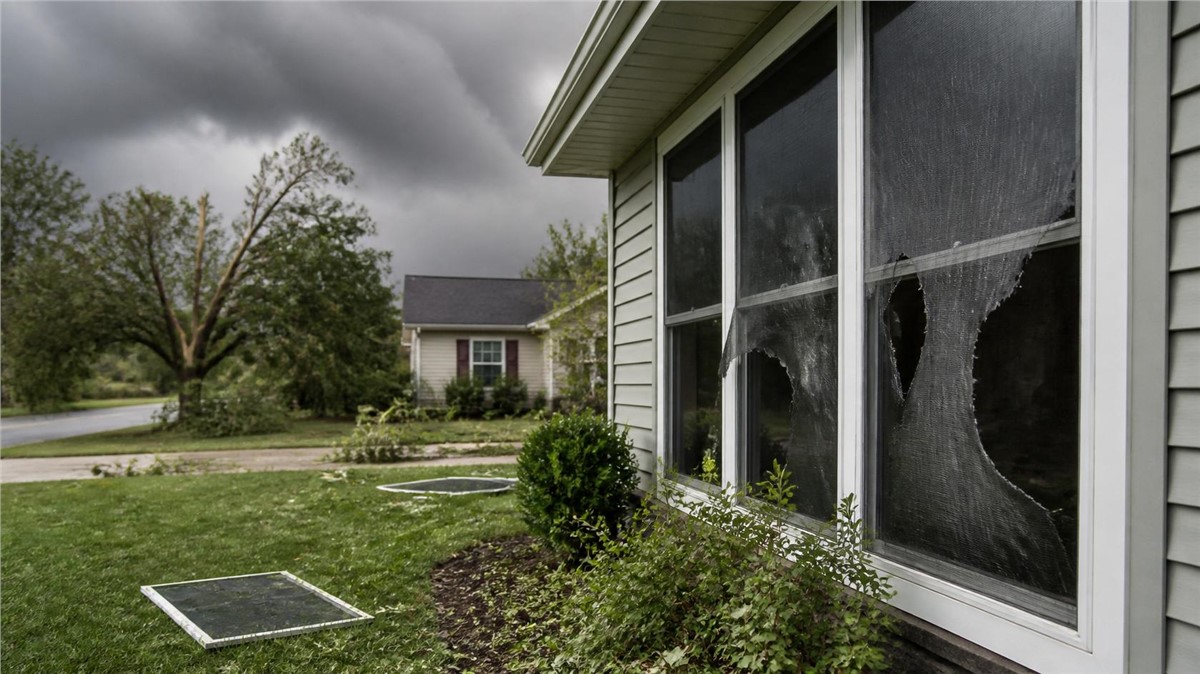
Wind can loosen gutters, pull downspouts away, drop branches into gutters, and damage roof edges. After strong wind or severe weather, homeowners should check the gutter system again.
Look for:
- Loose gutter sections
- Missing fasteners
- Branches in gutters
- Bent downspouts
- Detached extensions
- Damaged roof edges
- Dented gutters
- New siding stains
Post-storm inspections help catch damage before the next heavy rain.
Checklist Item 15: Know When Cleaning Is Not Enough
Cleaning gutters is important, but some problems need repair or replacement. If gutters continue to overflow after cleaning, another issue may be present.
Cleaning may not solve:
- Incorrect gutter pitch
- Sagging sections
- Undersized gutters
- Leaking seams
- Loose hangers
- Damaged fascia
- Short downspouts
- Poor drainage grade
- Roof edge damage
A contractor can inspect the system and identify what needs to be corrected.
Gutter Guards: Helpful or Not?
Gutter guards may help reduce debris buildup, but they do not eliminate all maintenance. Leaves, seeds, pine needles, granules, and roof debris can still collect on or around the system.
Homeowners should still check:
- Guard attachment
- Water flow during rain
- Debris sitting on top
- Downspout outlets
- Roof valleys above gutters
- Overflow areas
- Ice buildup in winter
Gutter guards work best when the overall gutter system is properly installed and maintained.
Repair vs Replacement
Some gutter problems can be repaired, while others may require replacement if the system is damaged, old, or no longer draining well.
Repair may make sense if:
- A small section is loose
- One seam is leaking
- A downspout needs adjustment
- A hanger needs replacement
- Debris is the main issue
- The fascia is still solid
Replacement may be better if:
- Gutters sag in several areas
- Seams leak repeatedly
- The system is undersized
- Rust or corrosion is widespread
- Fascia damage is present
- Downspouts are poorly placed
- Overflow keeps returning
A professional inspection can help homeowners decide what makes sense.
What Should Be Included in a Gutter Inspection?
A gutter inspection should review the full drainage path, not just the visible gutter opening.
A contractor may check:
- Gutter clogs
- Downspout flow
- Gutter pitch
- Seams and corners
- Hangers and fasteners
- Fascia and soffit
- Roof edges
- Downspout extensions
- Siding stains
- Foundation drainage
- Storm damage areas
This helps identify whether water is draining safely away from the home.
Why a Full Exterior Inspection Helps
Gutters work with the entire exterior system. Roofing, siding, windows, fascia, soffit, flashing, trim, and foundation drainage all affect how water moves around the home.
A full exterior inspection may include:
- Gutters and downspouts
- Roofing and roof edges
- Fascia and soffit
- Siding
- Windows and trim
- Flashing
- Foundation drainage
- Interior moisture signs
- Storm damage areas
Huskie Exteriors provides roofing, siding, window, gutter, and storm damage restoration services, helping homeowners evaluate the full exterior before heavy rain causes damage.
Why Local Exterior Experience Matters
A local contractor understands how Illinois weather affects gutter systems. In Galena, IL, homes need gutters and drainage systems that can handle heavy rain, wind, hail, snow, ice, humidity, and freeze-thaw cycles.
Local experience helps homeowners determine whether gutter issues are caused by clogs, pitch problems, storm damage, roof edge concerns, fascia damage, siding issues, or poor drainage around the foundation.
Conclusion
Gutter maintenance before heavy rain in Galena, IL is an important step in protecting your roof, siding, windows, foundation, basement, fascia, soffit, landscaping, and walkways. Clogs, sagging sections, leaking seams, loose downspouts, poor pitch, and drainage problems should be checked before storms expose bigger issues.
If your gutters overflow, leak, sag, drain too close to the home, or show signs of storm damage, Huskie Exteriors can inspect your exterior and recommend the right next step.
Contact Huskie Exteriors for professional roofing, siding, window, gutter, and storm damage services in Illinois and Wisconsin.
Subscribe to Huskie Exteriors's Blog








Comments