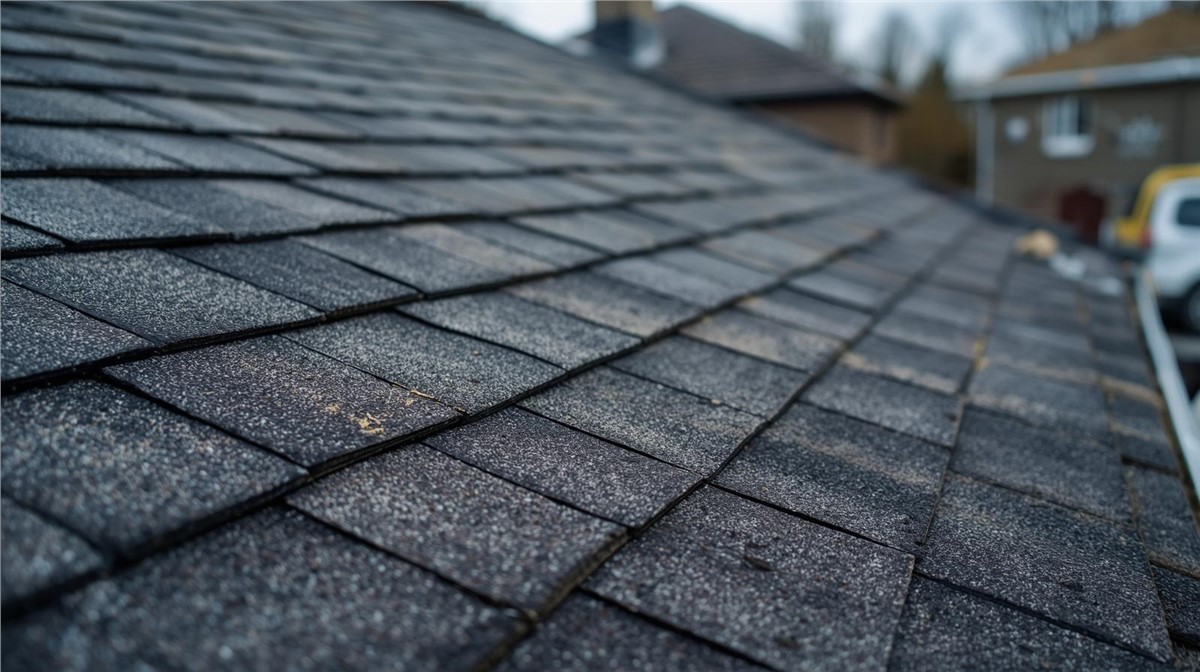
A small roof problem in Gilberts, IL rarely stays small for long. One missing shingle, one cracked flashing joint, or one overlooked soft spot can allow water into your home's structure for months before any interior damage becomes visible. This guide covers the roof issues most worth acting on quickly, why the Midwest climate makes prompt repair especially important, and how to tell when a repair is sufficient versus when replacement is the more honest conversation.
The Problem With "I'll Deal With It Later"
Roof problems have a way of disappearing from a homeowner's priority list the moment the rain stops and the ceiling dries out. The drip that had everyone scrambling for buckets on a Tuesday night becomes easy to rationalize by the following weekend when the sun is out and the attic looks dry.
This is how minor roof issues become major structural ones.
Water does not need a large opening to cause significant damage. A lifted shingle edge, a hairline crack in a flashing joint, or a small gap where a roof penetration meets the surrounding membrane can admit enough moisture — slowly, consistently, invisibly — to rot sheathing, soak insulation, and feed mold growth inside a wall cavity for a season or more before any visible sign appears inside the home.
Gilberts is a growing community in Kane County, with a mix of newer subdivisions and established neighborhoods that represent a wide range of roof ages and conditions. Whether your home was built in the 1990s or the last few years, the Midwest weather it has faced — or will face — makes regular attention to roofing details genuinely worthwhile.
Why Roof Problems Escalate Faster in the Midwest
Before getting into specific repair issues, it helps to understand why the climate around Gilberts and northern Kane County is particularly unforgiving on roofing systems.
Freeze-thaw cycling is the primary accelerant. Water that infiltrates a small crack or opening in fall will freeze when temperatures drop, expanding the gap as it does. When it thaws, a slightly larger opening is available for the next infiltration cycle. By late winter, what started as a hairline crack in flashing sealant can be a significant entry point. This process repeats dozens of times each season without any dramatic weather event to signal that something is happening.
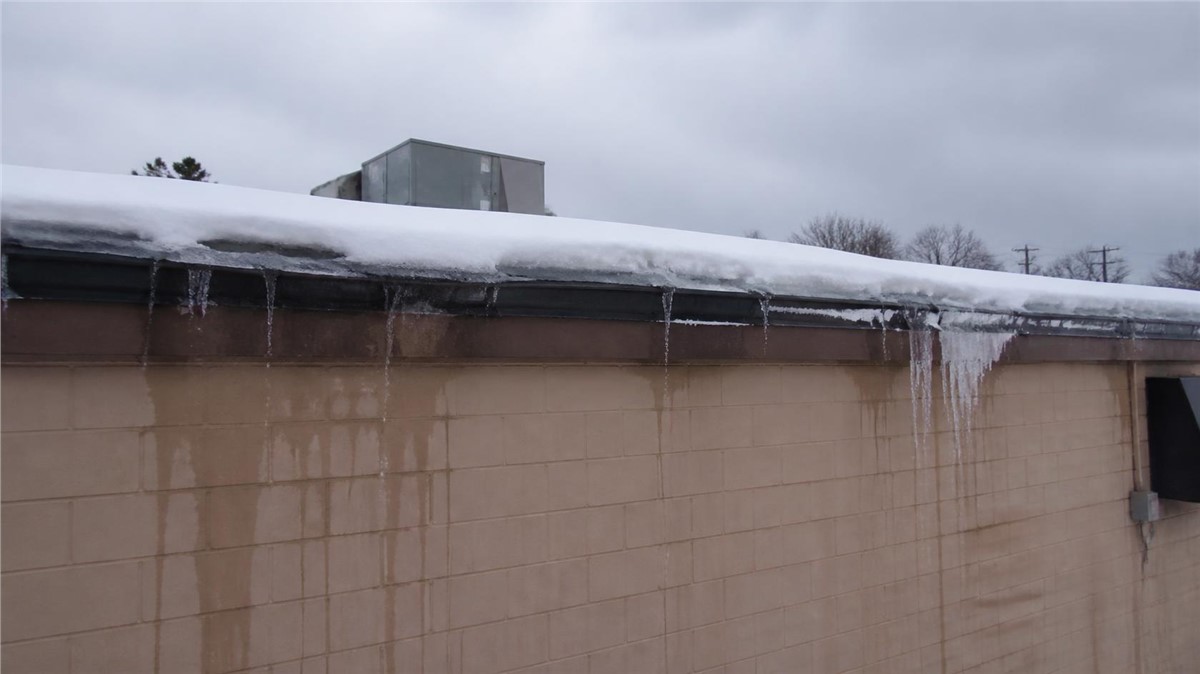
Ice damming compounds the problem. When attic heat escapes through an under-insulated or under-ventilated roof deck, it melts the base layer of snow. That water runs down the roof slope until it hits the cold eaves and refreezes, forming a dam. Subsequent meltwater backs up behind the dam and sits against — and eventually under — the shingles. The water does not need to find an existing gap; the pressure and duration of contact is enough to force infiltration through the shingles themselves.
Spring rainfall in northern Illinois is often prolonged and heavy, arriving when roofing components that were stressed by winter are at their most vulnerable. A storm that would be handled easily by an intact roof can expose every weakness in one that has been through a hard winter.
Summer hailstorms can damage a roof without leaving any obvious sign visible from the ground. Hail impact bruises shingle granules, weakening the UV protection layer and leaving the underlying mat exposed to accelerated weathering. The shingle may look intact for a year or two before the underlying damage translates into visible deterioration.
Small Roof Problems That Deserve Prompt Attention
Not every roof issue requires emergency action. But the following problems are worth addressing sooner rather than later — because each one has a reliable pattern of becoming more expensive the longer it waits.
Missing or Displaced Shingles
A single missing shingle exposes the underlayment beneath it to direct weather exposure. Underlayment is a secondary water barrier, not a primary one. It is not designed for long-term UV exposure or sustained rain contact. A missing shingle during a dry stretch of weather feels inconsequential. The same missing shingle during a week of heavy spring rain is actively allowing infiltration.
Replacement of individual shingles is one of the more straightforward roof repairs — when the surrounding shingles are in compatible condition. On an older roof where the existing shingles are brittle or the color has faded significantly, matching replacement panels becomes more difficult, and a contractor may recommend a broader assessment before proceeding.
Cracked or Separated Flashing
Flashing is the metal or rubberized material installed at every point where the roof surface meets a vertical element — chimneys, skylights, dormers, plumbing vents, and the wall transitions on dormers and additions. These are the highest-risk points on any roof, because they require sealants and mechanical fasteners to maintain a watertight connection across two surfaces that expand and contract at different rates.
Sealant around flashing joints dries out and cracks over time — in northern Illinois, often faster than the rated lifespan due to temperature extremes. A cracked flashing joint is not a visible problem from the ground. It is only found during a close inspection or when water begins appearing inside below the affected area. Regular inspection of flashing at every penetration and transition is one of the highest-value maintenance activities a homeowner can do.
Granule Loss on Asphalt Shingles
Granules are the gritty surface layer on asphalt shingles. They protect the underlying asphalt mat from UV degradation and give the shingle its weather resistance. Normal shingles shed a small number of granules over their service life — this is expected and not immediately concerning.
What is worth attention is accelerated granule loss: significant volumes in gutters after rain, bare patches visible on shingles from the ground, or shingles that look noticeably thinner or darker than the surrounding field. This is frequently caused by hail impact — which dislodges granules on contact — but also occurs as shingles age past their service life. Accelerated granule loss means the shingles are losing their primary defense against UV weathering, and the timeline to deterioration compresses significantly from that point.
Lifted or Improperly Sealed Shingle Tabs
Wind gets under shingle tabs when the factory-applied adhesive seal has failed or was never properly seated during installation. Lifted tabs allow water to run under the shingle during rain events rather than over and off. They also create the starting point for larger wind damage — a slightly lifted tab becomes a fully displaced shingle in a strong storm.
This type of damage is repairable with roofing sealant when caught early and when the shingles themselves are still structurally sound. It is worth looking for along the eaves, ridge, and any edges that face the prevailing wind direction after significant wind events.
Soft Spots in the Roof Deck
A soft or spongy feel underfoot when walking a roof — or visible deflection between rafters when viewed from the attic — indicates that the decking has absorbed moisture and begun to lose structural integrity. Soft spots can develop from a chronic slow leak that was never identified, from ice dam infiltration, or from condensation in an attic that is not properly ventilated.
This is one of the more serious repair categories because the damage has already moved past the roofing surface into the structural layer. Depending on the extent, repair may involve replacing sections of sheathing in addition to the overlying roofing material. Addressing the cause — whether that is a specific leak point or an attic ventilation deficiency — is as important as replacing the damaged material.
Damaged or Clogged Roof Drains and Valleys
Roof valleys — the V-shaped channels where two roof slopes meet — collect and concentrate a high volume of water and direct it to the gutters. They also collect debris: leaves, twigs, and granules from surrounding shingles. A valley that is partially obstructed by debris slows drainage, allowing water to back up under the valley flashing or shingles.
Keeping valleys clear is a maintenance task, not a repair — but neglected valleys create conditions for repair. If valley flashing is visibly damaged, lifted, or corroded, that is a repair item that deserves prompt attention given the volume of water those areas handle.
How to Tell If a Repair Is Enough
This is the question most homeowners really want answered, and the honest answer is that it depends on two things: the extent of the specific damage and the overall condition of the roof around it.
A repair is the right answer when the issue is genuinely isolated — one compromised flashing joint, a handful of missing shingles on an otherwise sound roof, a soft spot in a discrete area with a clear, fixable cause. In these cases, a targeted repair addresses the problem and extends the useful life of the overall system.
A repair becomes the wrong answer when it is being applied repeatedly to an aging roof that is failing in multiple areas simultaneously. At a certain point — typically when a roof is approaching or past 20 years old and showing widespread deterioration — each repair is simply buying a short deferral before the next problem emerges in an adjacent area. A contractor who is giving you honest advice will tell you when that threshold has been crossed.
The middle ground is a professional inspection with a candid assessment: here is what needs to be repaired now, here is what we are watching, and here is when replacement becomes the more cost-effective path. That conversation is more useful than either a reflexive repair quote or an immediate push toward full replacement.
What to Expect From a Professional Roof Inspection in Gilberts
A thorough inspection covers more than a visual scan from the ground. It includes:
- A close-up examination of all flashing points — chimney, vents, skylights, and wall transitions
- Assessment of shingle condition across the full roof surface, including granule retention, cracking, and tab adhesion
- Inspection of ridge cap and eave condition
- Gutter and downspout review for granule accumulation and drainage integrity
- Attic inspection for signs of infiltration, moisture damage to sheathing, and ventilation adequacy
- Documentation of any storm-related damage that may support an insurance claim
After a significant hail or wind event, having a professional inspection on record is also important for insurance purposes. Damage that is documented promptly is significantly easier to claim than damage reported weeks or months after the event.
Keeping a Small Problem Small
The roof issues described above are all manageable when caught early. The cost difference between a flashing repair and the water damage remediation that follows an ignored flashing failure is not marginal — it is an order of magnitude apart.
Gilberts homeowners who schedule a professional inspection every year or two, act on identified repairs promptly, and have a relationship with a local exterior contractor they trust are the ones who avoid the expensive surprises. The investment in attention is small. The cost of inattention is not.
Contact Huskie Exteriors for professional roofing, siding, window, gutter, and storm damage services in Illinois and Wisconsin. If your Gilberts home has a roof issue you have been watching — or one you suspect but haven't confirmed — our team is ready to take a look and give you a straight answer about what it needs.
Subscribe to Huskie Exteriors's Blog





Comments