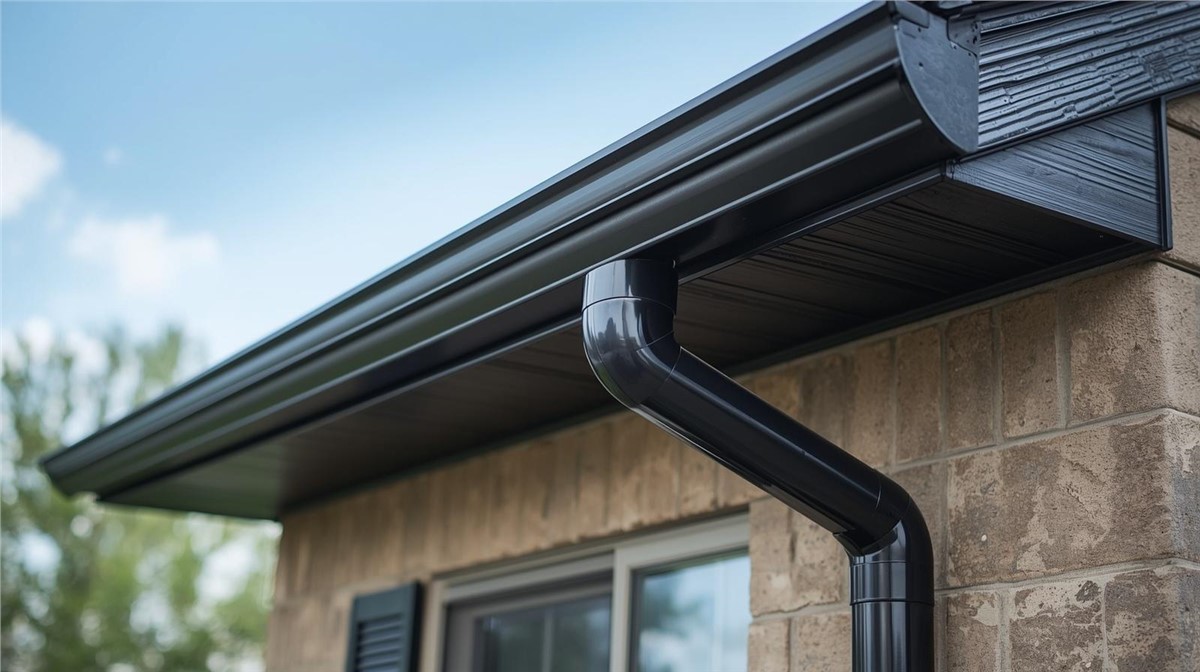
Gutters are one of the least glamorous parts of a home's exterior — and one of the most consequential. In DeKalb, IL, where spring rains are heavy and snowmelt can be sudden, a properly installed gutter system is the difference between a dry foundation and a costly water damage problem. This guide explains how gutters protect your home, what signs point to a failing system, and what to look for in a new installation.
The Unglamorous Truth About Gutters
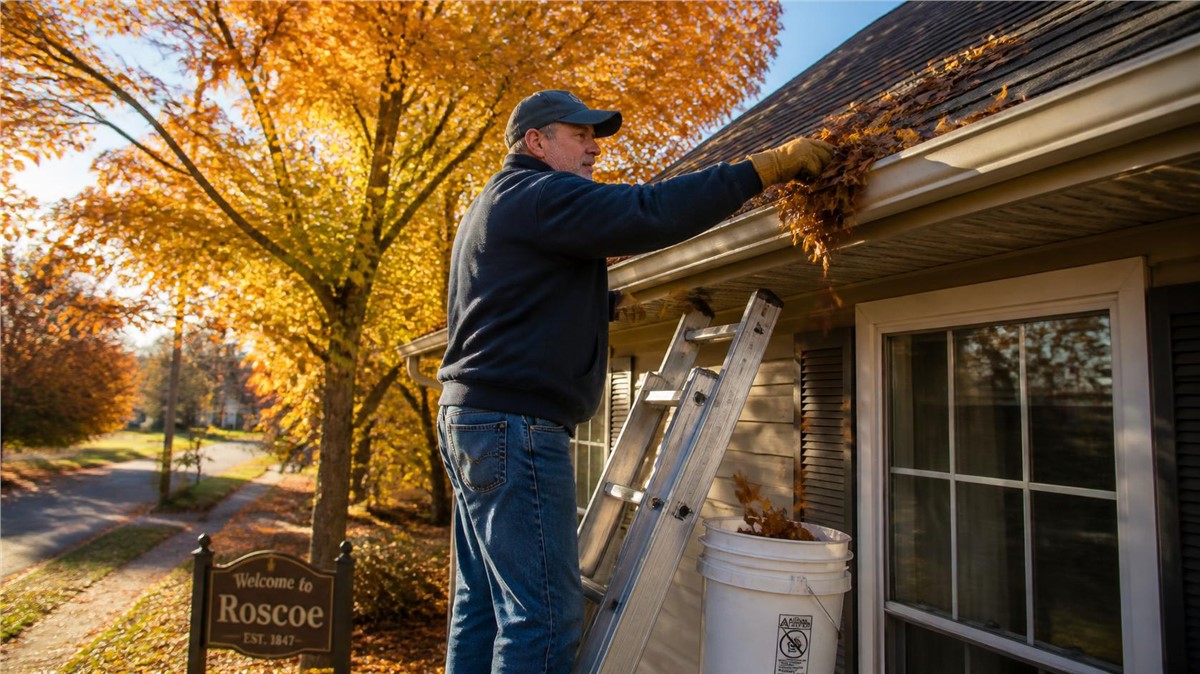
Nobody gets excited about gutters. They don't change the look of a home the way new siding or windows do. They're not something neighbors comment on. Most homeowners only think about them when they're clogged, sagging, or actively leaking during a rainstorm.
But gutters are doing critical work every time it rains or snows. They collect water from your entire roof surface and route it away from your home's foundation, siding, and landscaping. When they work well, you never notice them. When they fail — or when a home doesn't have an adequate system — the damage that follows can be expensive, slow to reveal itself, and easy to misattribute to something else entirely.
In DeKalb, IL, the combination of significant annual rainfall, heavy spring snowmelt, and occasional intense summer storms makes a functional gutter system genuinely important for protecting a home's long-term integrity.
What Gutters Actually Protect
Understanding what a gutter system does makes it easier to understand what goes wrong when it doesn't work. Here is what a properly functioning system protects:
Your foundation. This is the most significant concern. Water that pours off a roofline without gutters — or through an overwhelmed or failing system — pools at the base of the house. Over time, that saturation causes hydrostatic pressure against foundation walls, which leads to cracking, bowing, and eventual water infiltration into basements and crawl spaces. Foundation repairs are among the most expensive home repairs a property owner can face.
Your siding and exterior walls. Gutters without proper downspout extensions, or gutters that overflow regularly, allow water to run down the face of your siding repeatedly. That constant moisture exposure accelerates paint failure, promotes mold and mildew growth, and works its way behind panels over time.
Your fascia and soffit. The wood trim directly behind your gutters — the fascia — takes the most damage from a failing gutter system. Water sitting in a sagging or clogged gutter saturates the fascia board constantly, causing rot that can spread into the roof deck if left unaddressed.
Your landscaping and grading. Water cascading off an uncontrolled roofline erodes the soil alongside your foundation, flattening the outward grade that directs water away from the house. Once the grade flattens or reverses, water naturally flows toward the foundation rather than away from it.
Your basement and crawl space. Even homes with no visible foundation cracks can develop moisture problems in below-grade spaces when surface drainage is poorly managed. Damp basements are often traceable to inadequate or failing gutters before anything else.
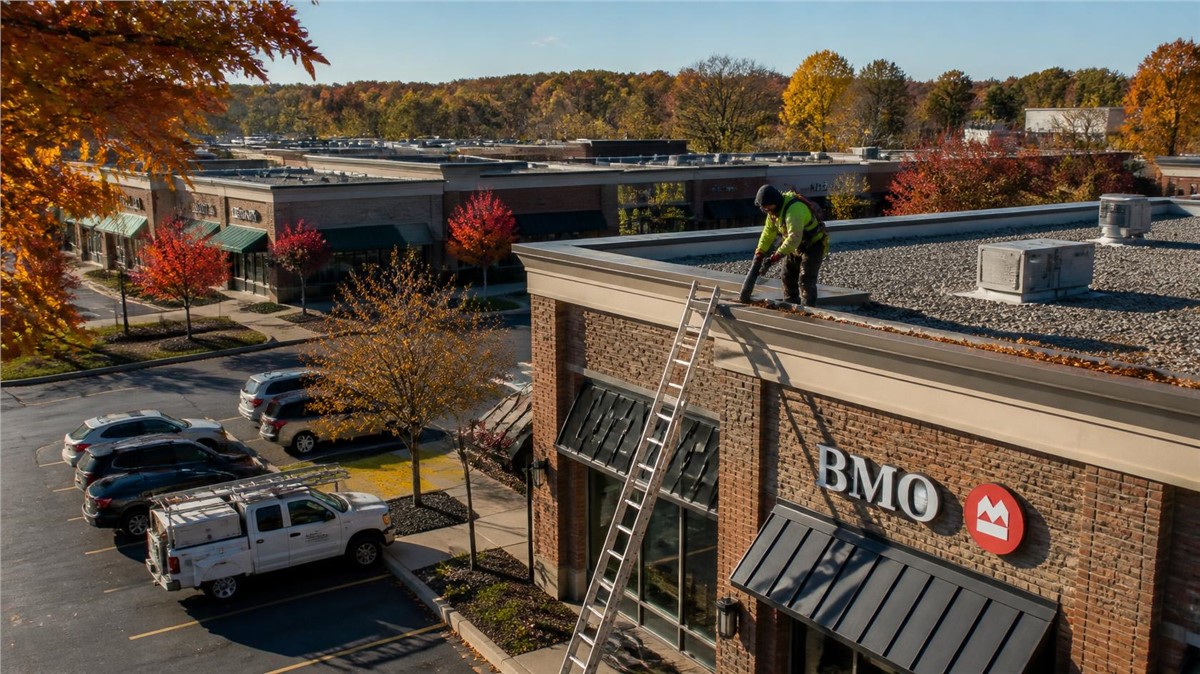
For commercial properties in the DeKalb area, these concerns scale up. Larger roof surfaces produce dramatically more water volume during a rain event, and clogged or undersized commercial gutters can cause rapid and significant damage to parking areas, building entries, and adjacent landscaping.
Signs Your Current Gutter System Is Failing
Before discussing what a new installation looks like, it helps to recognize when your current system has stopped doing its job.
Gutters pulling away from the roofline. When gutters sag or separate from the fascia, they are no longer capturing roof runoff effectively. This is often caused by failed gutter spikes or screws, rotted fascia that can no longer hold fasteners, or the gutters simply being overwhelmed by weight from standing water or debris.
Water damage on siding below the gutterline. Streaks, staining, or mildew growth on your siding immediately below the gutters is a reliable indicator that water is overflowing regularly rather than draining through the system properly.
Basement moisture or flooding after heavy rain. If basement water intrusion correlates with significant rain events and you haven't identified another cause, inadequate surface drainage — including gutter performance — is one of the first things worth investigating.
Pooling water at the foundation. After a rainstorm, walk the perimeter of your home. Water that consistently pools within three to four feet of the foundation wall suggests your downspouts are either too short, pointed in the wrong direction, or not moving enough volume away from the structure.
Peeling paint or rot on fascia boards. Soft or deteriorating fascia is almost always a sign that water has been sitting against it consistently, either from gutter overflow or from gutters that have pulled slightly away from the board and are allowing water to run behind them.
Gutters that overflow during moderate rain. If your gutters overflow during typical rain events — not just extreme storms — the system is undersized, improperly sloped, or clogged at the downspout. Any of these conditions means your roof runoff is not being managed effectively.
Visible rust, holes, or separated seams. Older sectional gutters develop leaks at the seams over time as the sealant ages and fails. Rust patches indicate the finish has been compromised and the metal underneath is actively corroding.
What a Proper Gutter Installation Involves
A gutter installation is not simply hanging a channel along the roofline. Done correctly, it requires careful attention to slope, sizing, downspout placement, and integration with the rest of the exterior system.
Sizing the system to your roof. The standard 5-inch K-style gutter is adequate for many residential applications, but larger homes, steeply pitched roofs, and properties in areas with high rainfall intensity may need 6-inch gutters and larger downspouts to handle peak water volume without overflowing. Undersizing is one of the most common mistakes in gutter installation.
Establishing correct slope. Gutters need to slope consistently toward downspouts — typically about a quarter inch of drop for every ten feet of run. Too little slope and water sits and stagnates. Too much and it rushes past the downspout opening or creates visible sagging at the high end.
Downspout placement and extension. Downspouts should be positioned to handle the volume of their gutter run without backing up. Extensions at the base should direct water at least four to six feet from the foundation, and ideally toward a slope that carries it further away. Burying downspout extensions underground with pop-up emitters is a cleaner solution for properties where above-ground extensions create tripping hazards or aesthetic concerns.
Seamless vs. sectional gutters. Sectional gutters — the kind sold at home improvement stores in pre-cut lengths — have seams every ten feet that require sealant and are the most common failure points in older systems. Seamless gutters are fabricated on-site from a continuous roll of aluminum to the exact length of each run, eliminating most seam-related leak points. For new installations, seamless gutters are the standard recommendation.
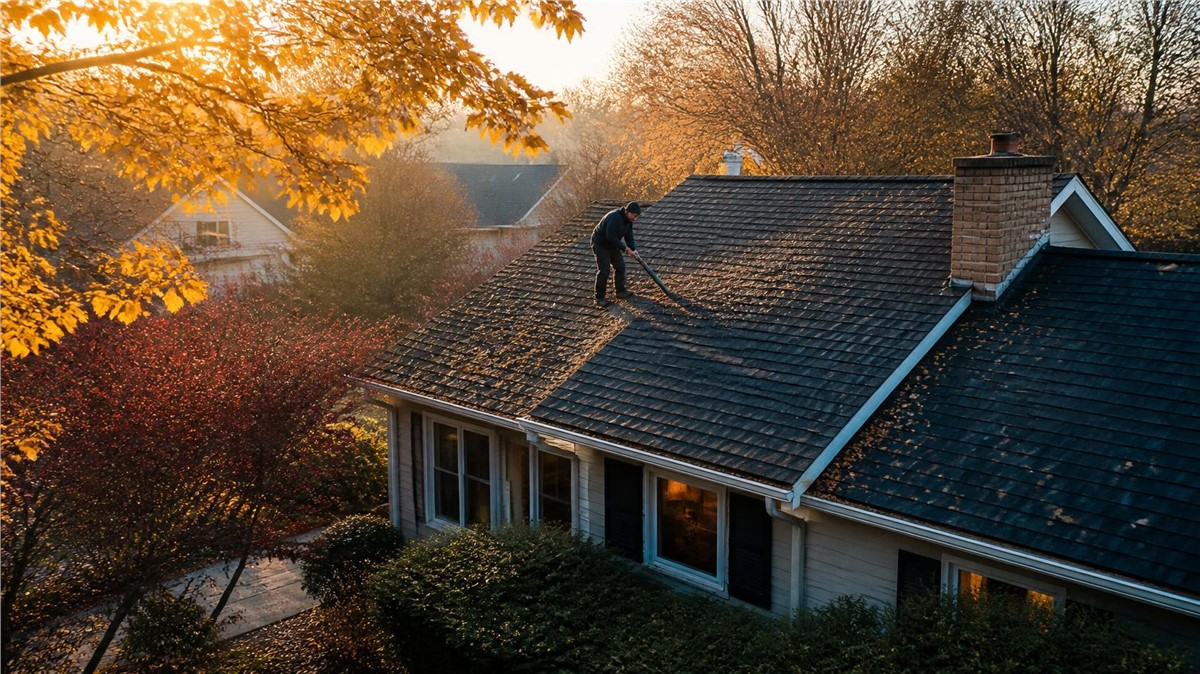
Gutter guards. Leaf guards and gutter protection systems are worth considering for DeKalb homes surrounded by mature trees, which are common throughout much of DeKalb County. Quality gutter guards do not make gutters maintenance-free, but they can dramatically reduce the frequency of cleaning and the risk of clogs that lead to overflow and fascia damage.
Material selection. Aluminum is by far the most common material for residential gutters in northern Illinois — it handles freeze-thaw cycling well, does not rust, and is available in a wide range of colors. Copper is a premium option with exceptional longevity and a distinctive appearance. Steel gutters are also available but less common in residential applications due to their weight and rust susceptibility over time.
DeKalb's Weather and Why It Demands a Well-Designed System
DeKalb sits in a part of northern Illinois that receives meaningful precipitation across all four seasons. Spring can bring extended rain periods and rapid snowmelt that send large volumes of water off rooflines in a short window. Summer thunderstorms are often intense and brief — exactly the conditions that overwhelm undersized or poorly maintained gutter systems fastest.
Winter presents its own challenges. Ice dams that form at the eaves can push back under shingles and into gutters simultaneously, stressing the hangers and causing sections to pull away from the fascia. Gutters that are already marginal in their attachment often fail outright during a significant ice event.
For homeowners in DeKalb who have older sectional systems or gutters that are undersized for their roof area, proactive replacement before winter is a reasonable preventive investment. A new seamless system installed with proper slope and adequate downspout capacity will handle DeKalb's seasonal precipitation load significantly better than an aging patchwork of repairs.
Gutters as Part of a Complete Exterior System
Gutters don't function in isolation. They connect to your roofline, attach to your fascia, and direct water away from your siding and foundation. When any of those adjacent systems have problems, gutter performance suffers — and when gutters fail, they create or worsen problems in those same systems.
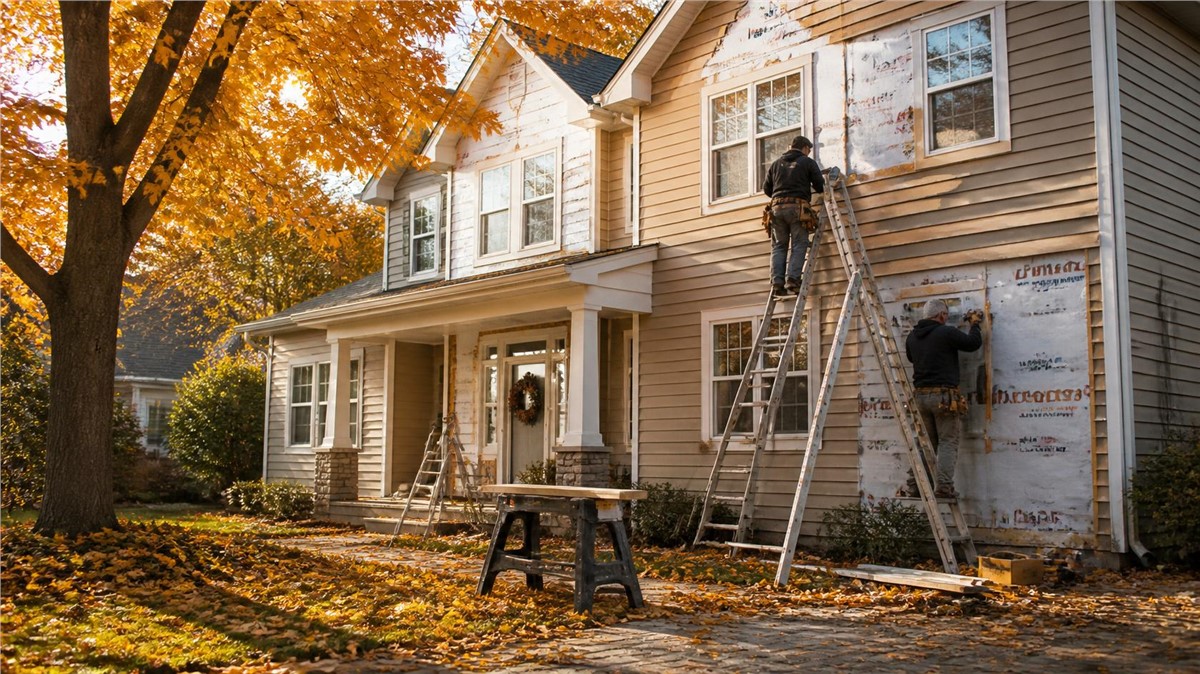
A gutter installation done alongside roofing, siding, or soffit and fascia work is often more efficient and produces better results than gutters installed in isolation. Proper flashing at the roof-to-gutter transition, for example, requires coordination between the roofing and gutter scopes of work. If those happen independently, details get missed.
Huskie Exteriors handles roofing, siding, windows, gutters, and storm damage restoration across Illinois and Wisconsin — which means a single contractor can assess and address your entire exterior system rather than leaving gaps between trades.
Giving Your DeKalb Home a Fighting Chance Against Water Damage
Water damage is patient. It works slowly and quietly, and by the time it becomes obvious — a wet basement, rotted fascia, cracked foundation — it has usually been accumulating for longer than most homeowners realize.
A properly installed, correctly sized gutter system is one of the most cost-effective investments a property owner can make in the long-term health of a building. It protects the foundation, the siding, the roofline, and everything below grade — all by simply moving water away from the structure before it has a chance to cause problems.
Contact Huskie Exteriors for professional roofing, siding, window, gutter, and storm damage services in Illinois and Wisconsin. If your DeKalb home's drainage system is overdue for an upgrade, our team is ready to assess what you have and recommend what will work best for your property.
Subscribe to Huskie Exteriors's Blog





Comments