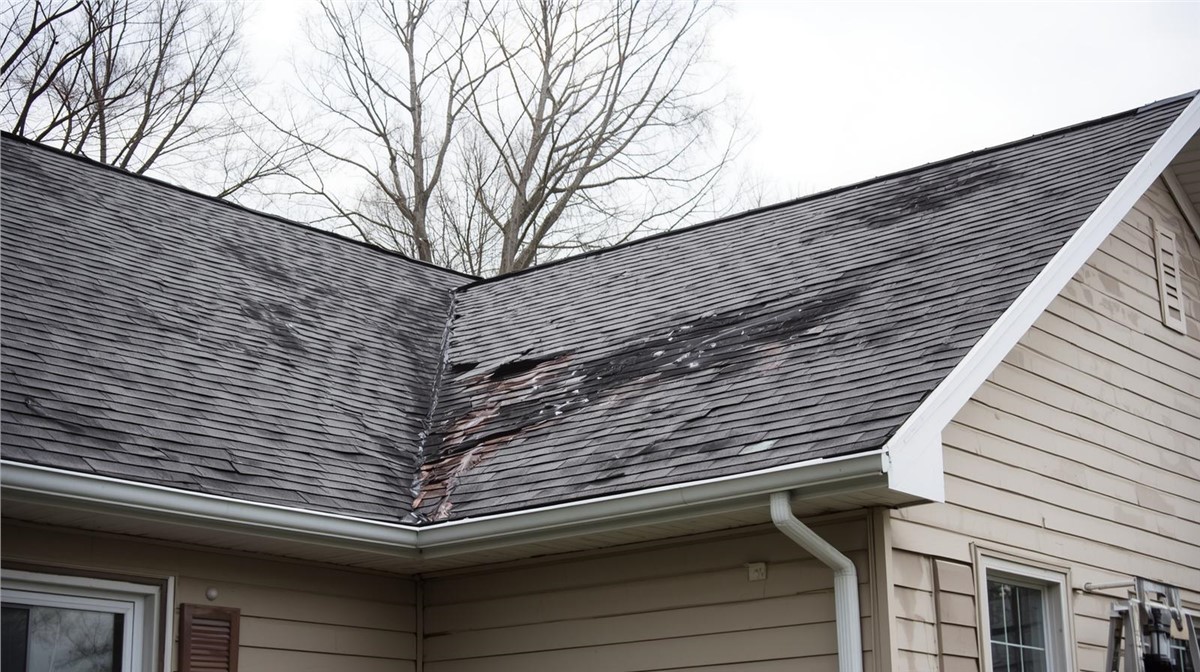
Your roof is the first line of defense between your home and the elements. Most homeowners don't think about it until something goes wrong — a water stain on the ceiling, a shingle in the yard after a storm, or a gutter pulling away from the fascia. But by the time the damage is obvious, it's often been building up for months or even years.
If you own a home or commercial property in Rockford, IL, understanding the warning signs of a failing roof can save you from serious structural damage and much larger repair bills down the road. This guide covers what to look for, when to repair versus replace, and why working with a local exterior contractor makes all the difference.
Why Rockford Homeowners Need to Take Roofing Seriously
Rockford sits squarely in a climate zone that is genuinely hard on roofs. Winters bring heavy snow loads, ice dams, and repeated freeze-thaw cycles that crack and lift shingles over time. Spring and summer bring severe thunderstorms, high winds, and hail — sometimes within the same week. Fall can arrive with early frosts before homeowners have had a chance to schedule seasonal inspections.
This combination of weather patterns means that a roof in Rockford ages faster than it might in a more temperate region. A standard asphalt shingle roof is rated for 20 to 30 years, but in the Midwest, the realistic lifespan often falls closer to the lower end of that range without proper maintenance.
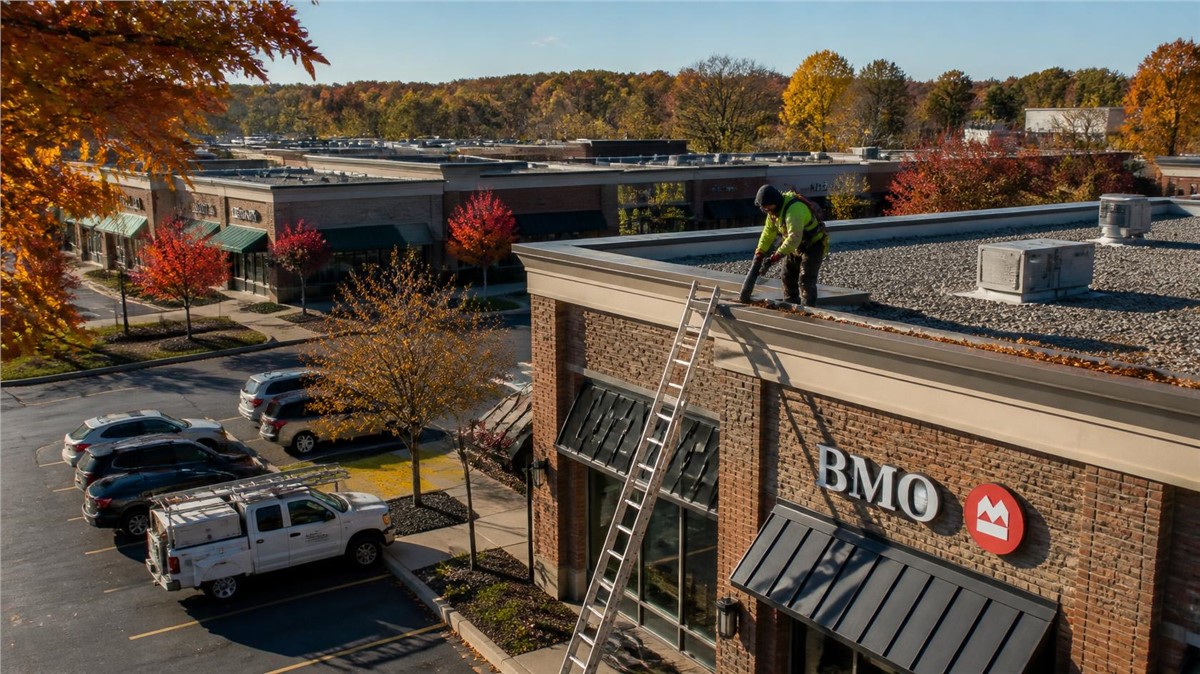
Commercial property owners in the Rockford area face additional challenges. Flat or low-slope roofs common in commercial construction are especially vulnerable to ponding water from snowmelt and heavy spring rains.
Warning Signs That Your Roof May Need to Be Replaced
Some signs are easy to spot from the ground. Others require a closer look. Here is what to watch for:
Exterior Warning Signs
- Missing or cracked shingles — Gaps in your shingle coverage leave the underlayment and decking exposed to moisture. One or two missing shingles might be a repair; widespread loss is a replacement conversation.
- Curling or buckling shingles — Shingles that curl at the edges or buckle upward in the middle are past their service life. This is a common sign of aging in Rockford homes that have endured many harsh winters.
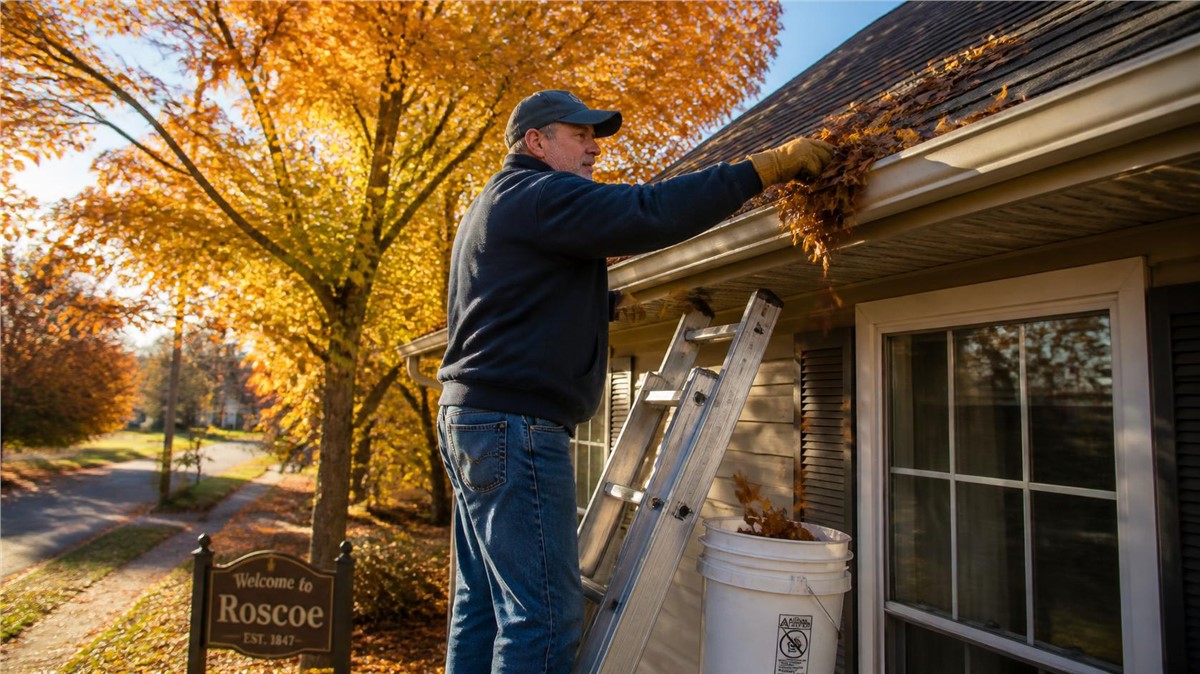
- Granule loss — Check your gutters after a rainstorm. If you're finding significant amounts of gritty granules, your shingles are deteriorating and losing the UV and weather protection they need.
- Sagging roof deck — Any visible sagging or dipping between rafters is a structural concern that needs immediate attention.
- Damaged or missing flashing — Flashing around chimneys, vents, and skylights is a common entry point for water. Rust, cracks, or missing sections are serious red flags.
- Moss or algae growth — While more of a cosmetic issue in early stages, significant biological growth can indicate trapped moisture and accelerate shingle breakdown.
Interior Warning Signs
- Water stains on ceilings or walls — Yellowed rings or soft spots in your drywall often trace back to a compromised roof.
- Daylight visible in the attic — If light is getting in, so is rain, cold air, and pests.
- Musty odors in upper floors or attic — Mold and mildew grow fast in a wet attic. If you notice a persistent smell, a roof leak may be the source.
- High energy bills — A failing roof often compromises insulation, causing your heating and cooling system to work harder than it should.
Age Matters More Than You Think
If your roof is 20 years old or older and you're calling a roofer for repairs, be prepared for the possibility that replacement is the smarter long-term investment. Patching an aging roof repeatedly adds up quickly, and each repair is only as good as the surrounding materials — which are also deteriorating.
How Midwest Weather Accelerates Roof Damage in Rockford
Living in northern Illinois means your roof is exposed to a full range of weather extremes throughout the year. Each season brings its own risks:
- Winter snow and ice — Heavy snow loads stress the roof structure. Ice dams form at the eaves when heat escapes through the attic, melting snow that refreezes at the cold edge. Water backs up under shingles and into the home.
- Freeze-thaw cycles — Temperatures in Rockford frequently swing above and below freezing in late fall, winter, and early spring. Water that seeps into small cracks expands when it freezes, widening those cracks with every cycle.
- Spring hailstorms — Hail is a major cause of insurance claims in the Rockford area and across northern Illinois. Even small hailstones can bruise shingles, damage flashing, and shorten roof life significantly.
- High winds — Strong wind events can lift shingle edges, break the adhesive seal, and strip sections of the roof in severe cases. Wind damage is not always dramatic — sometimes it's a slow, invisible process.
- Heavy summer rains — Prolonged rain events expose every vulnerability in your roof system, from flashing gaps to deteriorated sealant around vents and pipes.
Storm damage to roofing is often covered by homeowners insurance, but the window for filing a claim after a major weather event is limited. Having a local contractor document the damage promptly is an important step in the claims process.
Repair or Replace? How to Think Through the Decision
Not every roofing issue calls for a full replacement. Sometimes a targeted repair is the right and cost-effective answer. Here is a general way to think about it:
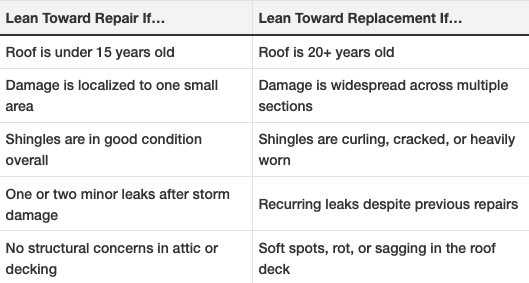
For commercial properties, the calculation often includes business continuity. A failing roof that disrupts operations can cost far more than the replacement itself. Many commercial building owners in the Rockford area find that proactive replacement — planned around business schedules — is more manageable than emergency repairs.
Why Working With a Local Rockford Exterior Contractor Matters
There is a meaningful difference between a contractor who has worked in Rockford for years and a storm-chaser who shows up after a major weather event with out-of-state plates and a short warranty.
A local contractor knows the specific challenges of Illinois climate, understands local building codes and permit requirements, and has a reputation in the community to protect. They are also available for follow-up service if a concern arises after the job is done.
When evaluating any roofing contractor, look for:
- Verified local business presence and references
- Licensing and insurance appropriate for Illinois
- Experience with both residential and commercial projects
- Transparency about materials, warranties, and timelines
- Willingness to help with the insurance claims process when storm damage is involved
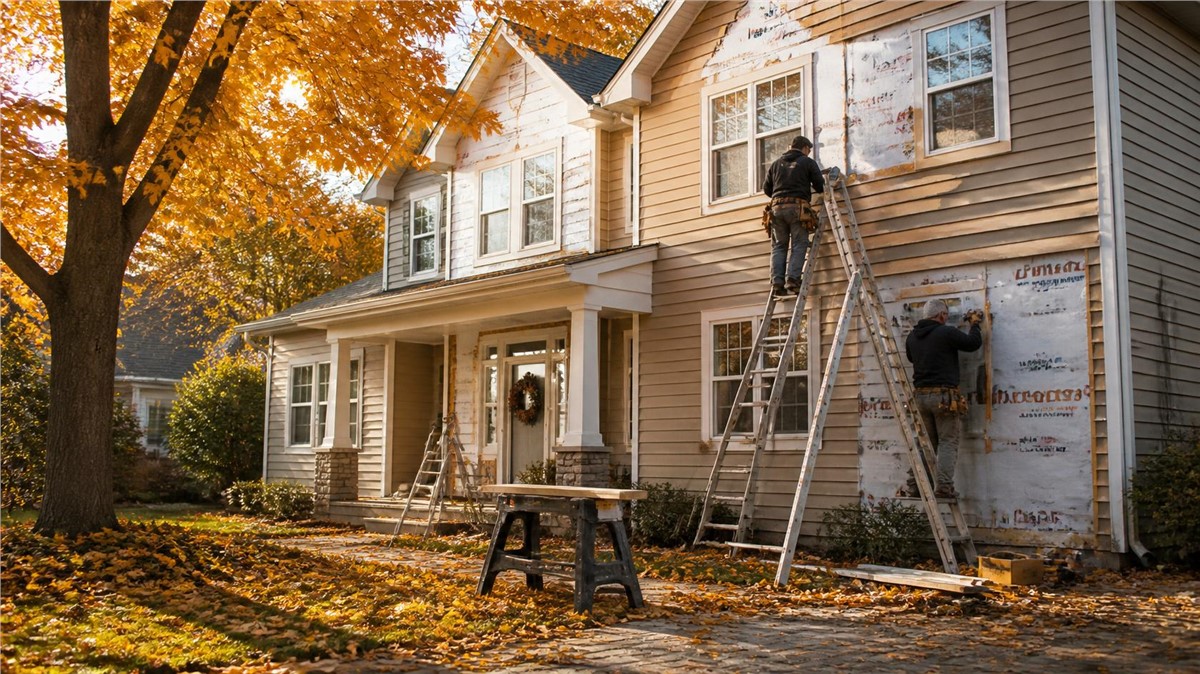
Huskie Exteriors serves homeowners and commercial property owners across Illinois and Wisconsin. The team handles roofing, siding, windows, gutters, and storm damage restoration — making it possible to address multiple exterior needs with a single trusted contractor rather than coordinating between several different companies.
Taking the Next Step for Your Rockford Property
Roof problems rarely announce themselves clearly until significant damage has already occurred. The most cost-effective approach is to pay attention to the early warning signs, schedule periodic inspections — especially after severe weather events — and work with a contractor who understands what Illinois roofs go through every year.
If you have noticed any of the warning signs described above, or if your roof is approaching the 20-year mark, a professional evaluation is a low-risk way to get clarity. In many cases, a thorough inspection provides peace of mind. In others, it gives you the information you need to plan a replacement before an emergency forces your hand.
Ready to Protect Your Home?
Contact Huskie Exteriors for professional roofing, siding, window, gutter, and storm damage services in Illinois and Wisconsin. Our team is ready to assess your property and walk you through your options — no pressure, just honest answers.
Subscribe to Huskie Exteriors's Blog





Comments