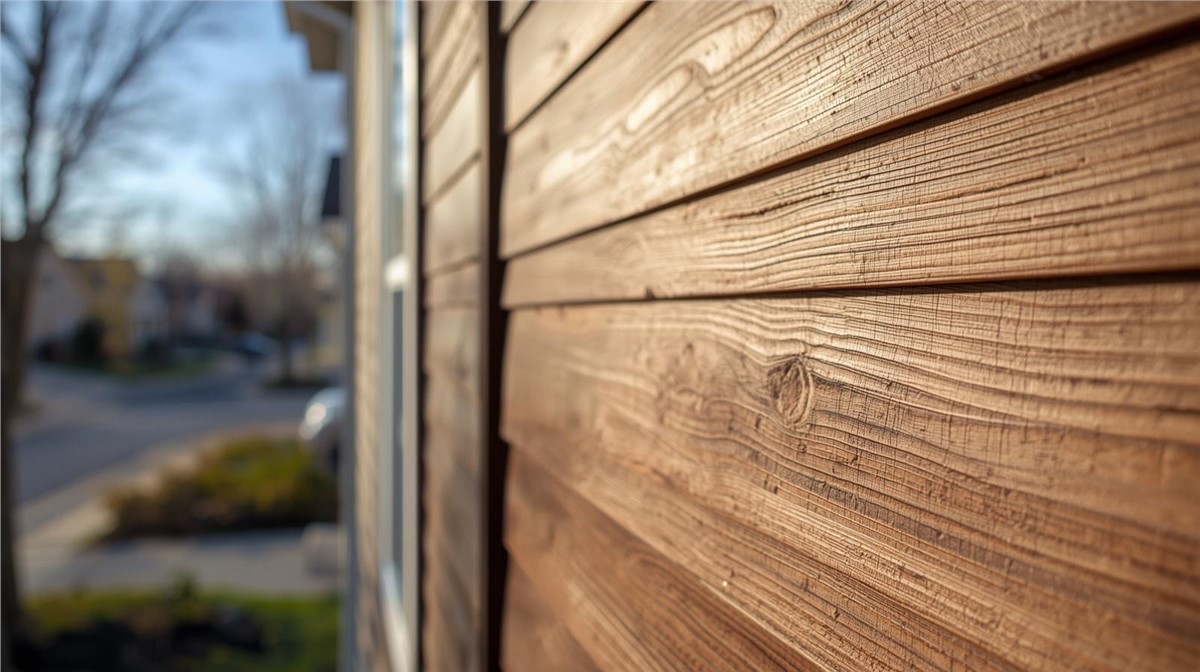
In Schaumburg, IL, siding lifespan depends on the material, installation quality, storm exposure, moisture control, and maintenance. In broad 2026 guidance, vinyl siding often lasts about 20 to 40 years, fiber cement siding about 30 to 50 years or more, wood siding about 20 to 40 years, engineered wood siding about 20 to 40 years, aluminum siding about 20 to 40 years, and stucco can last 50+ years with proper care. Schaumburg also requires homeowners to work through the village permit process for siding projects, and permit submittals must comply with adopted codes.
Why This Matters in Schaumburg, IL
Siding lifespan matters in Schaumburg because siding does more than change the look of the house. It helps protect the wall system from rain, snow, wind, hail, humidity, and seasonal temperature swings. In northern Illinois, exterior materials deal with real freeze-thaw cycles and storm exposure, which means the practical life of siding can be shorter than the best-case number homeowners see in a product brochure. That is one reason broad lifespan ranges matter more than a single “expected life” number.
The local process matters too. Schaumburg’s village resources are the official starting point for permit-related home projects, and the village states that permit submittals must comply with updated codes and referenced standards. For homeowners, that means larger siding work should be treated as a real construction project, not just a cosmetic change.
For most homeowners in Schaumburg, the better question is not just, “How long should siding last?” It is, “How long is my siding likely to last here, in its current condition, with the weather it has already gone through?” That is the question that usually leads to the right decision about repair, maintenance, or replacement.
Common Signs Siding May Be Nearing the End of Its Life
- Cracks, loose sections, or warping
Visible movement or breakage often means the siding is no longer holding up the way it should. - Repeated repairs in the same areas
If the same sections keep needing attention, the siding may be aging out. - Moisture signs behind or around the siding
Water staining, bubbling, or softness can signal that the exterior is no longer protecting the wall system well. - Fading and broad weather wear
Faded color alone does not always mean replacement is needed, but widespread aging often shows the material is moving deeper into its lifespan. - Difficulty matching old material
As siding gets older, partial repairs become harder when the original style or color is discontinued. - Storm damage on older siding
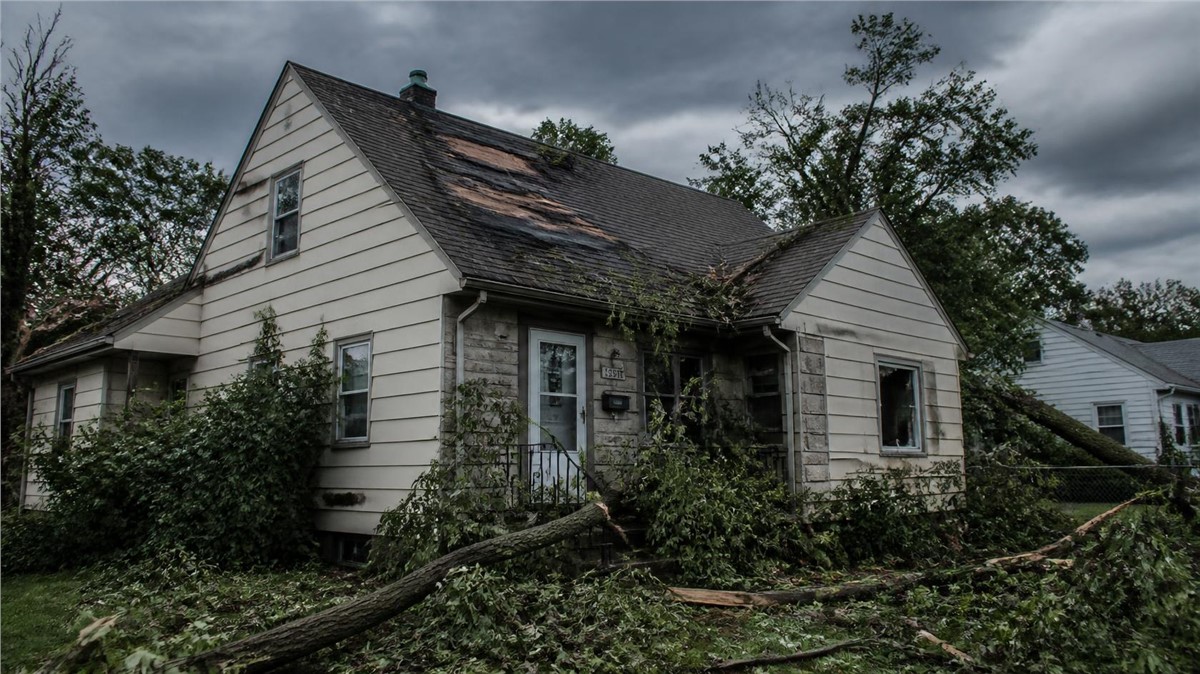
Wind and hail can shorten real-world lifespan, especially when the siding was already stressed.
Siding Lifespan by Material
Vinyl Siding Lifespan
Vinyl siding is one of the most common and budget-friendly options, and current 2026 guidance generally places its lifespan around 20 to 40 years. Some sources narrow the lower end closer to 20 to 30 years, while broader siding comparisons keep the full range at 20 to 40 years. In Schaumburg, vinyl can still be a strong value option, but colder winters and storm exposure can push brittle or aging panels toward the lower end of that range.
Fiber Cement Siding Lifespan
Fiber cement is usually treated as one of the longest-lasting common residential siding materials. Current guidance often places it around 30 to 50 years, and some product-focused guidance says it can last 30 to 50 years or more when installed correctly and maintained. That longer service life is one reason fiber cement is often seen as the stronger long-term option for Midwest climates.
Wood Siding Lifespan
Wood siding lifespan is commonly placed around 20 to 40 years, though some 2026 guidance says properly maintained wood can last 40 to 70 years or more depending on exposure and upkeep. That wider gap matters because wood performance depends heavily on maintenance and moisture management. In a place like Schaumburg, wood can last a long time, but only if it is maintained consistently.
Engineered Wood Siding Lifespan
Engineered wood is often placed in the 20 to 40 year range in current broad siding guides. It can offer a more natural look than vinyl and often lands in a middle cost range, but its lifespan still depends heavily on installation quality and weather exposure.
Aluminum and Metal Siding Lifespan
Aluminum siding is often placed around 20 to 40 years, while steel is commonly treated as a longer-life option and sometimes listed around 50 years. For homeowners comparing long-term durability, metal products can be strong performers, but they are less common than vinyl or fiber cement on many suburban homes.
Stucco Lifespan
Stucco often lasts 50+ years in current 2026 guidance, and some long-life exterior comparisons place it well above common siding materials like vinyl and wood. It is not the most common choice for standard homes in this area, but it belongs in the lifespan discussion because it performs very differently from panel-style siding.
What Affects Siding Lifespan in Schaumburg, IL
Material Type
This is the biggest factor. Vinyl, fiber cement, wood, engineered wood, and stucco all age differently and have very different expected service lives.
Weather Exposure
Midwest weather adds wear. Hot summers, freezing winters, wind, hail, and repeated moisture exposure all affect how long siding really lasts. Current siding guidance specifically frames fiber cement as extra durable where storms are common and notes climate affects material performance.
Installation Quality
Even a durable material can underperform if installed poorly. The longer-life estimates for fiber cement, wood, and other products generally assume proper installation. That means fastening, moisture detailing, and transitions all matter.
Maintenance History
Siding that is cleaned, checked, and repaired promptly usually lasts longer than siding that is ignored until visible failure appears. This is especially true for wood and engineered wood, but it also matters for vinyl and fiber cement.
Moisture Behind the Siding
Once water gets behind the cladding, the issue is no longer only about the visible siding surface. Hidden wall damage can make the siding’s remaining lifespan much shorter in practical terms. Replacement guidance specifically flags moisture intrusion as one of the key indicators that replacement may make more sense than repair.
When to Schedule an Inspection
The best time to check siding lifespan is before the house develops a bigger moisture or exterior problem. If your siding is older, showing visible wear, or has been through recent storm exposure, this is usually the right time to schedule an inspection.
First: Identify the Material
Start by figuring out whether your house has:
vinyl siding
fiber cement siding
wood siding
engineered wood siding
aluminum siding
stucco
You need that baseline before any lifespan estimate means much.
Next: Compare Age to Condition
Age matters, but condition matters more. A 20-year-old siding system in strong condition may still have useful life left. A younger exterior with repeated storm damage, moisture issues, or visible failure may already be moving toward replacement sooner than expected.
Then: Think About Your Ownership Timeline
If you plan to stay in the house for many more years, remaining siding life becomes more important. If you expect to move sooner, the decision may lean more toward localized repair or limited upgrades depending on condition.
What a Professional Siding Lifespan Inspection Includes
A proper siding inspection should do more than estimate age from the curb.
Typical checklist:
- visible siding condition
- cracks, loose sections, and warping
- trim, soffit, and transition review
- moisture warning signs
- storm-damage checks
- repair-versus-replacement guidance
- discussion of remaining useful life based on material and condition
At the end of that inspection, a homeowner should have a clearer answer to three questions: how much life the siding probably has left, whether the material is aging normally, and whether repair still makes sense.
Local Notes for Schaumburg, IL
Schaumburg’s official village resources are the right place to start for permit-related home projects, and the village says permit submittals must comply with adopted codes and standards. That matters because siding replacement is real exterior construction work, not just an appearance update.
FAQs
How long does vinyl siding last in Schaumburg, IL?
For many homes, vinyl siding lasts about 20 to 40 years, though colder weather and storm exposure can push weaker or older siding toward the lower end of that range.
How long does fiber cement siding last?
Fiber cement commonly lasts about 30 to 50 years, and some guidance says 30 to 50 years or more when installed correctly and maintained.
How long does wood siding last?
Wood siding is often placed around 20 to 40 years, though properly maintained wood can last longer in some cases.
Does Midwest weather shorten siding life?
Yes. Wind, hail, moisture, freeze-thaw cycles, and large temperature swings can all reduce real-world siding lifespan.
Do I need a permit for siding replacement in Schaumburg, IL?
Schaumburg directs homeowners to use the village permit process for home projects, and your contractor should verify the exact requirement before starting siding work.
Get a Free Estimate in Schaumburg, IL
If you are trying to figure out how much life your siding has left in Schaumburg, IL, Huskie Exteriors is here to help with honest exterior inspections and practical recommendations built for Midwest weather. We serve homeowners across Northern Illinois and Southern Wisconsin with siding, roofing, gutters, and windows designed for long-term performance.
Schedule your free estimate with Huskie Exteriors today. We will inspect your siding, explain its expected lifespan based on material and condition, and help you decide whether repair or replacement makes the most sense.
Subscribe to Huskie Exteriors's Blog





Comments