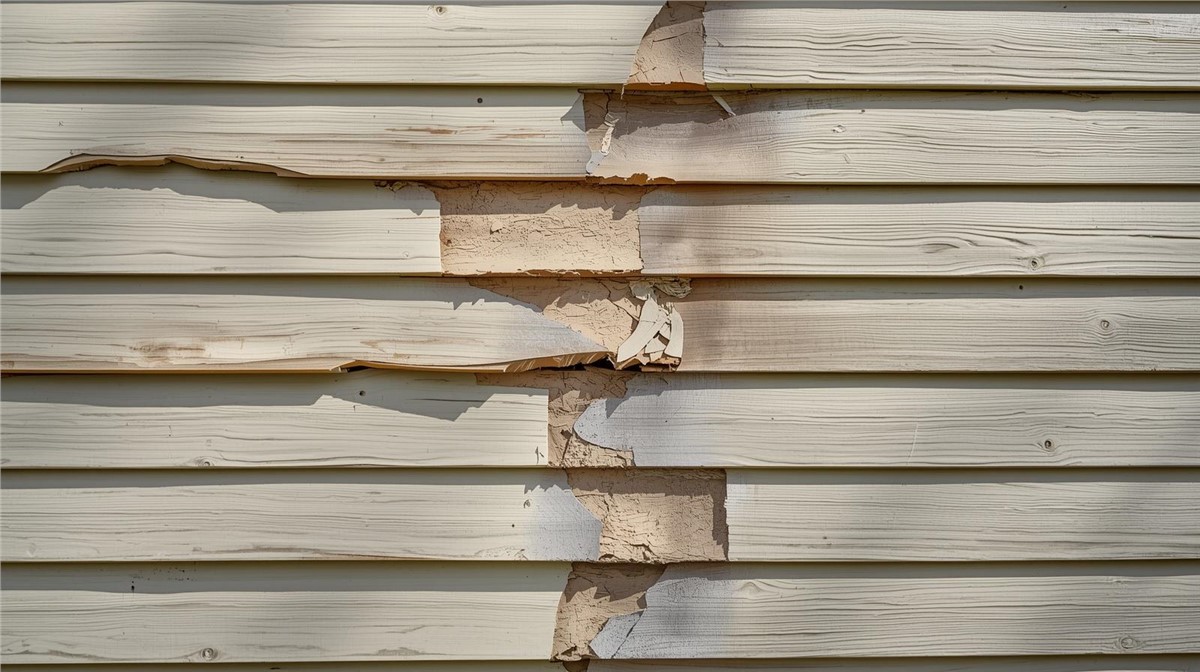
If your home in Schaumburg, IL has storm-damaged siding, the first steps are to document the damage, prevent more water from getting in if it can be done safely, and schedule a professional inspection quickly. Recent 2026 guidance puts professional siding repair broadly around $361 to $1,492 for many jobs, with added costs possible when hidden rot, moisture damage, or wall repairs are found behind the siding. Schaumburg also states that a Village Permit Application is required for siding installation and siding/soffit work, so contractors should verify permit requirements before starting repair or replacement.
Why This Matters in Schaumburg, IL
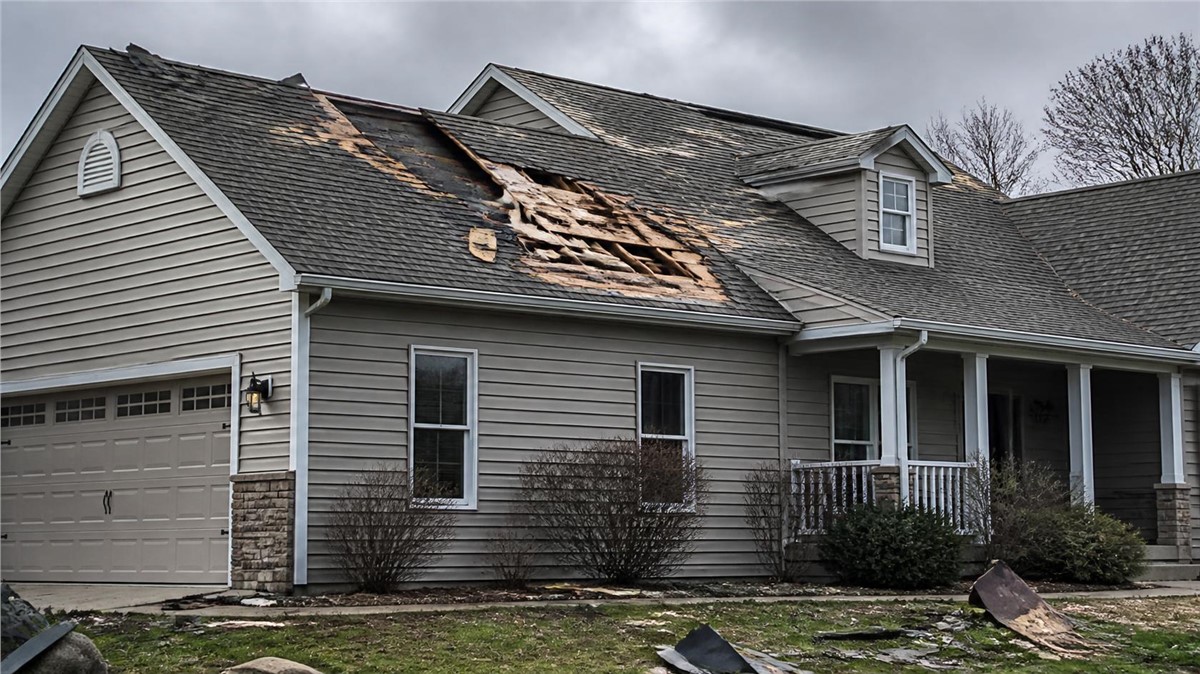
Storm damage to siding matters in Schaumburg because the problem is not only cosmetic. Once siding is cracked, loosened, punctured, or pulled away from the wall, wind-driven rain can get behind the exterior and reach house wrap, sheathing, or framing. That can turn a visible siding problem into a moisture problem. This is especially important after a very active 2026 severe-weather start in the Chicago forecast area, with damaging winds and hail affecting the region.
The local process matters too. Schaumburg’s Permit Services and siding-specific resource guidance make clear that siding work is regulated locally, not treated as an informal repair category. The village’s siding resource guide specifically says a Village Permit Application is required for installation of siding and soffit or gutter work, though gutters alone do not require a permit.
For homeowners in Schaumburg, the real issue is timing. Storm-damaged siding is often cheaper to fix when the damage is still limited to a few panels or sections. If it is left alone and water gets behind the wall, the project cost can rise because the repair may start involving hidden rot, mold cleanup, or substrate repair. Current repair guidance notes hidden damage behind the siding can add roughly $150 to $2,000.
Common Signs of Storm Damage on Siding
Cracked or Broken Panels
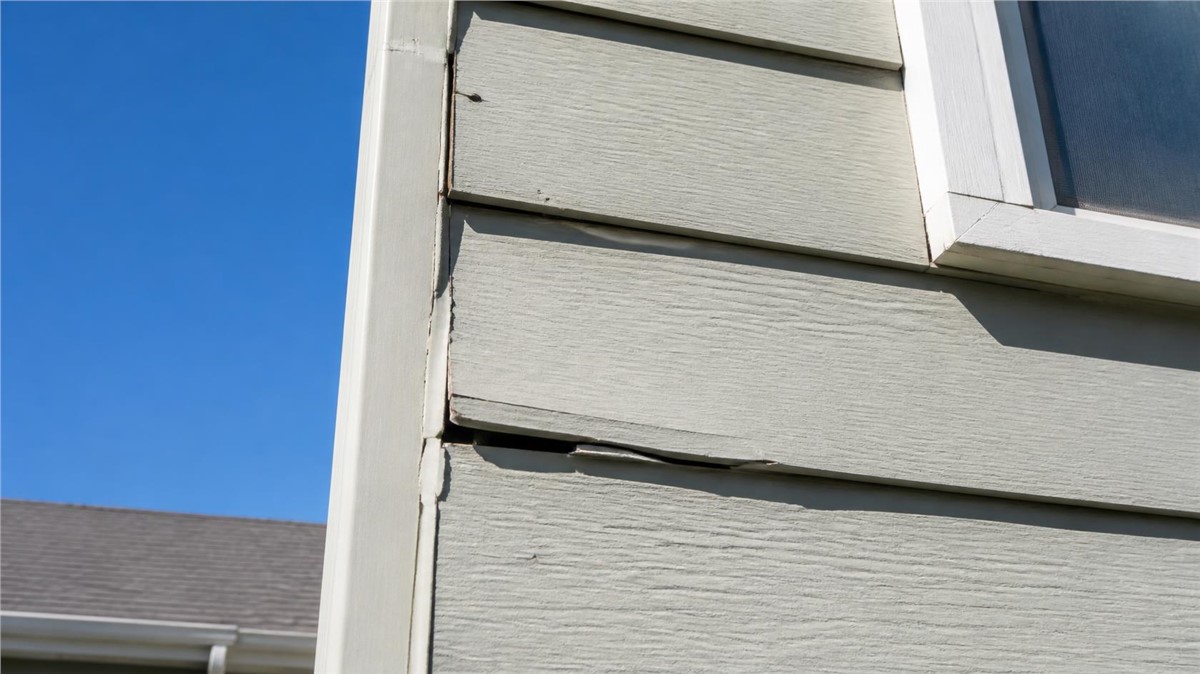
This is one of the most obvious signs after hail or impact from flying debris. Vinyl siding, in particular, can crack from storm strikes or become brittle with age and then fail during severe weather. Repair complexity depends heavily on siding type and damage severity.
Loose or Partially Detached Siding
Strong winds can pull siding loose, especially at edges, corners, or previously weakened fastener points. Once a panel shifts, water entry becomes more likely in later rain.
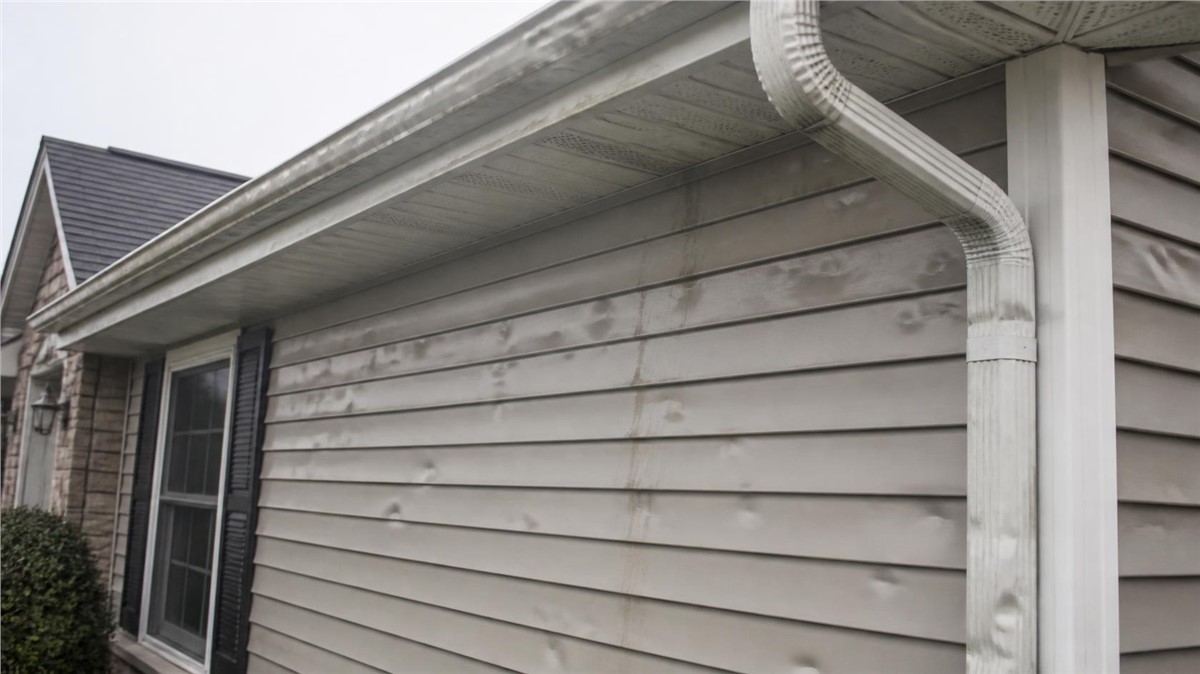
Dents, Chips, or Impact Marks
Hail and flying debris can leave dents or punctures, especially on softer or aging materials. Even when the mark does not look severe, it can still weaken the water-shedding surface.
Water Stains or Dampness Inside the Wall Area
If discoloration appears inside after a storm, that can mean the siding no longer protected the wall assembly. At that point, the issue may be more than surface repair.
Warping or Buckling After a Storm
Storm exposure can loosen already stressed material. This is especially worth checking if the siding was older before the wind event.
Damage to Soffit, Fascia, or Trim at the Same Time
Storms often hit more than one exterior component at once. If trim or soffit is loose, the siding system should be inspected as a whole, not panel by panel.
What to Do First
1. Document the Damage
Take photos of:
- cracked or loose siding
- any dented or punctured sections
- damaged trim, soffit, or fascia
- water stains inside the home
- debris on the ground
- the date of the storm and when the damage was noticed
This helps both the contractor and, if relevant, the insurance process.
2. Prevent More Water Entry if Safe
If a section is hanging loose or open to rain, temporary protection may help prevent more damage. Do not climb ladders or attempt higher exterior work in unsafe conditions.
3. Schedule a Professional Inspection
A contractor should determine whether the damage is:
- limited to a few panels
- spread across one elevation
- affecting multiple sides of the home
- likely hiding wall damage underneath
That distinction matters because storm-damage siding repairs can range from a simple panel replacement to a broader partial residing project.
4. Verify Permit Requirements Before Work Starts
Schaumburg’s siding resource guide says siding installation and related soffit or gutter work require a Village Permit Application. Contractors should confirm exactly how the village treats the repair scope before work begins.
What a Professional Storm Damage Siding Inspection Includes
A proper storm-damage siding inspection should focus on both visible damage and what may be happening behind the cladding.
Typical checklist:
- inspection of cracked, loose, or missing siding sections
- review of trim, corners, soffit, and fascia
- check for water entry points
- assessment of whether the damage is localized or widespread
- inspection for hidden substrate or moisture issues if suspected
- material-matching review
- repair versus replacement recommendation
This matters because current siding-repair guidance says the siding type drives both repair method and cost. Vinyl often requires panel replacement, while other materials can involve more complex patching or blending work.
What This Typically Costs in Schaumburg, IL (2026 Pricing)
For homeowners in Schaumburg, IL, realistic 2026 storm-damage siding repair pricing often starts from broader siding-repair guidance:
- professional siding repair: about $361 to $1,492 for many jobs
- hidden rot, mold cleanup, or water repairs behind siding: can add about $150 to $2,000
- major siding repair pricing by area: can scale sharply with damage severity, with some estimates ranging roughly $5,137 to $35,831 per 1,000 square feet depending on material and extent of repair
Top Cost Factors
Type of Siding
Vinyl repairs are usually less expensive than fiber cement, stucco, or more specialized cladding. Siding type is one of the biggest cost drivers.
Extent of the Damage
One cracked section costs much less than widespread damage across multiple elevations.
Hidden Moisture Damage
If water got behind the siding, the project may include sheathing, trim, or wall repairs in addition to exterior panel replacement.
Height and Access
Two-story work or difficult elevations increase labor and setup time.
Material Matching
Storm-damage repairs can become more complicated if the original siding color or profile is hard to match.
Insurance / Permits / Local Notes in Schaumburg, IL
For many homeowners, storm-damaged siding may be an insurance issue when the damage came from a covered event like wind or hail rather than gradual wear. Prompt documentation after storms is important.
A few local notes matter here:
- Schaumburg’s Permit Services page is the main starting point for permit-related project guidance.
- The village’s siding resource guide says a Village Permit Application is required for siding and soffit or gutter work, while gutters alone do not require a permit.
- The village’s Residential Permits page is also part of the local permit path homeowners and contractors should check before work begins.
How to Choose the Right Contractor in Schaumburg, IL
The right contractor should explain the storm damage clearly instead of only quoting a number.
Questions to ask:
- Is the damage limited to a few panels or more widespread?
- Do you suspect water got behind the siding?
- Can you match the existing siding, or will the repair be visible?
- Does the quote include trim, soffit, or related exterior repairs if needed?
- Are you insured for siding work in Illinois?
- Will you verify Schaumburg permit requirements before starting?
Red flags:
- quoting without inspecting the wall closely
- no discussion of hidden moisture damage
- vague scope with no material details
- no permit verification
- recommending full replacement immediately without explaining why spot repair is not enough
FAQs
How much does storm damage siding repair cost in Schaumburg, IL?
Many jobs fall around $361 to $1,492, but the total can go higher if hidden moisture damage, large repair areas, or difficult material matching are involved.
Is storm-damaged siding always obvious?
No. Some damage is easy to see, but storms can also loosen siding or create openings that only show up later as water intrusion or wall staining.
Can hail and wind both damage siding?
Yes. Damaging winds and hail are exactly the kinds of conditions that can crack, loosen, or dent siding.
Does hidden wall damage make the repair more expensive?
Yes. Hidden damage behind the siding can add roughly $150 to $2,000.
Do I need a permit for siding repair in Schaumburg, IL?
Possibly, and often yes depending on the scope. Schaumburg’s siding resource guide says a Village Permit Application is required for siding installation and related soffit or gutter work.
Get a Free Estimate in Schaumburg, IL
If you need storm damage siding repair in Schaumburg, IL, Huskie Exteriors is here to help with honest inspections and practical repair recommendations built for Midwest weather. We serve homeowners across Northern Illinois and Southern Wisconsin with siding, roofing, gutters, and windows designed for long-term performance.
Schedule your free estimate with Huskie Exteriors today. We will inspect the damage, explain what the storm likely affected, and help you decide on the right next step before more moisture causes bigger problems.
Subscribe to Huskie Exteriors's Blog





Comments