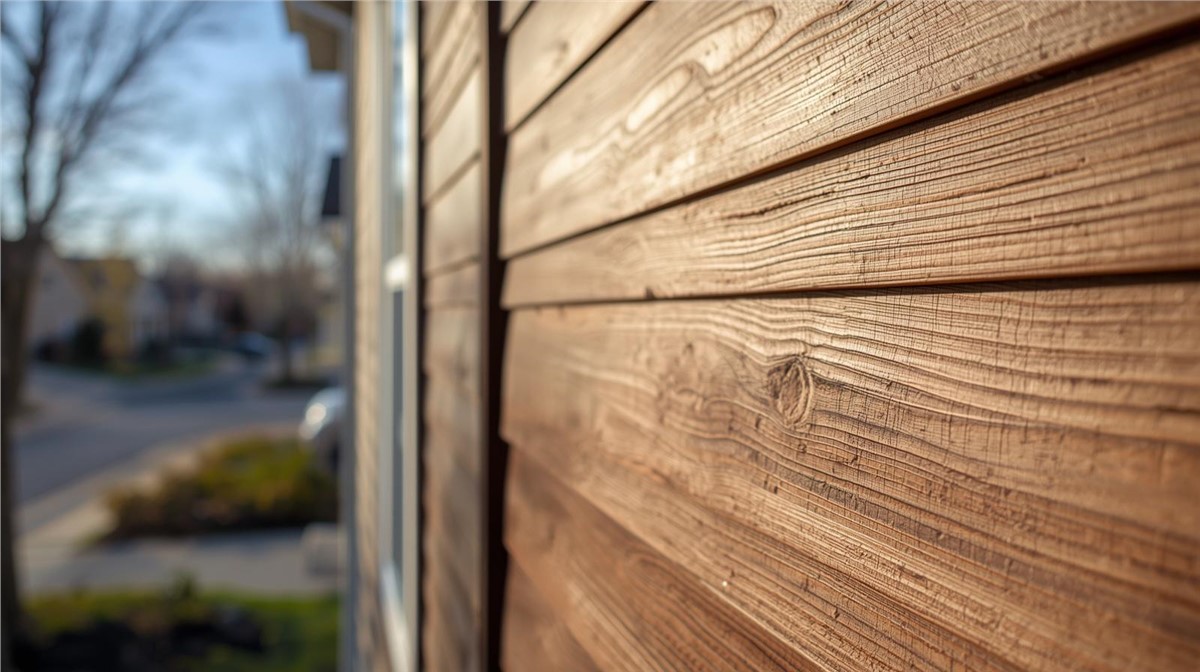
In Elgin, IL, siding lifespan depends on the material, installation quality, storm exposure, and how well the exterior is maintained over time. For many homes, vinyl siding lasts about 20 to 40 years, fiber cement often lasts about 30 to 50 years, wood and engineered wood commonly fall around 20 to 40 years, and aluminum siding is often in the 30 to 50 year range.
Why This Matters in Elgin, IL
Siding lifespan matters in Elgin, IL because homes here deal with real Midwest weather. Exterior walls are exposed to cold winters, freeze/thaw cycles, hot summers, strong wind, hail, and heavy rain. Even a good siding product can wear out faster when storms are frequent, moisture gets behind the panels, or repairs are delayed too long.
That local climate makes siding age more than just a number. A house may still have siding attached to the walls, but that does not always mean the siding is still performing well. Once panels crack, warp, loosen, fade heavily, or let water behind the wall system, the practical lifespan may be shorter than the best-case estimate.
For homeowners in Elgin, IL, understanding siding lifespan helps with planning. It gives you a better sense of when repair is still worthwhile, when replacement becomes more practical, and which materials are likely to hold up better if you are already thinking about an upgrade.
Common Signs Your Siding May Be Nearing the End of Its Life
- Cracked or broken panels
This is one of the clearest signs that older siding is no longer handling weather and impact stress well. - Loose, warped, or bowed sections
Movement over time can point to age, storm wear, or moisture problems behind the siding. - Fading, chalking, or worn surface appearance
Heavy weather exposure often shows up visually before deeper failures become obvious. - Repeated siding repairs
If the same areas keep needing patchwork, the siding may be aging out. - Moisture stains near exterior walls
Water marks can suggest the siding is no longer protecting the wall system as effectively as it should. - Soft spots in trim or wall areas
This may point to hidden moisture issues behind the siding. - Storm damage after hail or strong wind
In Elgin, even a single storm can shorten the useful life of already aging siding.
When to Schedule It (Best Timing + What to Do First)
The best time to think about siding lifespan in Elgin, IL is before damage becomes a wall repair issue. If your siding is getting older, showing visible wear, or has already seen multiple storm-related repairs, it is smart to schedule an inspection before the next season of harsh weather.
First: Identify What Material You Have
Start by figuring out which siding is currently on the house:
- vinyl
- fiber cement
- wood
- engineered wood
- aluminum
- another specialty exterior material
This matters because lifespan expectations are very different depending on the material. Vinyl and wood often have shorter ranges than fiber cement or aluminum, and that affects whether repair still makes sense.
Next: Compare Age to Actual Condition
Age matters, but condition matters more. A younger siding system may still fail early if installation was poor or storm damage was never handled properly. On the other hand, older siding that has been maintained well may still have useful life left.
Then: Think About Your Long-Term Plan
If you plan to stay in the home for many years, siding lifespan becomes a bigger financial factor. A shorter-term owner may choose repair or a lower-cost replacement material. A longer-term owner may care more about durability and fewer future replacement cycles.
What a Professional Siding Inspection Includes
A professional siding lifespan inspection should do more than estimate how old the material looks. It should help determine how much useful life the siding likely has left and whether the wall system is still well protected.
Typical checklist:
- Panel condition review
Contractors check for cracks, chips, warping, loose areas, and general wear. - Corner and trim inspection
Corners, window trim, and door trim often show early signs of movement or moisture issues. - Moisture-risk review
The contractor should look for signs that water may already be getting behind the siding. - Storm-damage review
Hail marks, wind-related shifting, and impact damage can shorten real-world lifespan. - Matching and repair potential
If the siding is older, the contractor may assess whether limited repairs still make practical sense. - Repair vs replacement guidance
The homeowner should get a clear opinion on whether the siding still has meaningful life left.
At Huskie Exteriors, the goal is to help homeowners understand not just the age of the siding, but how well it is actually performing on the home today.
What This Typically Means by Material in Elgin, IL
For homeowners in Elgin, IL, these are realistic general lifespan ranges for common siding materials when installed correctly and maintained reasonably well:
- Vinyl siding: about 20 to 40 years
- Fiber cement siding: about 30 to 50 years
- Wood siding: about 20 to 40 years
- Engineered wood siding: about 20 to 40 years
- Aluminum siding: about 30 to 50 years
These are broad ranges, not guarantees. Real-life performance depends heavily on weather exposure, repair history, installation quality, and how well water is kept out of the wall system.
Top five factors that affect how long siding really lasts:
Material Type
This is the biggest factor. Some materials naturally last longer and handle exposure better than others.
Installation Quality
Even premium siding can fail early if it was installed incorrectly. Poor fastening, weak trim details, and bad moisture control can shorten service life fast.
Weather Exposure
Wind, hail, freezing temperatures, and repeated temperature swings all affect siding lifespan in the Midwest.
Maintenance History
Siding that is cleaned, inspected, and repaired promptly usually lasts longer than siding that is ignored after visible damage starts.
Moisture Control
Once water gets behind the siding, the problem often grows beyond the panels themselves. That can shorten the practical life of the entire exterior system.
Insurance / Permits / Local Notes in Elgin, IL
In Elgin, siding lifespan also matters when homeowners are deciding between one more repair and a full replacement. If the siding is already near the expected end of life for its material, replacement often becomes the more practical long-term move.
A few local notes matter here:
- Elgin-area homes face real storm exposure, including hail and strong wind.
- The city includes siding work within its local permit framework.
- Local building fees include a siding or residing fee, which reinforces that larger siding work is part of the city’s normal exterior project process.
That local process is one more reason to plan ahead. If your siding is clearly aging out, it is usually easier to schedule a controlled replacement than to wait for a storm-driven emergency or growing moisture damage.
How to Choose the Right Contractor in Elgin, IL
The right contractor should help you evaluate siding lifespan honestly instead of automatically pushing full replacement.
Questions to ask:
- Based on condition, how much useful life does this siding still have?
- Is this siding aging normally for its material?
- Are storm damage and age both affecting it?
- Is repair still worth doing, or would replacement be the smarter value?
- Are you insured for exterior work in Illinois?
- Will you verify Elgin permit requirements if replacement is needed?
- Will you provide photos and a written summary of the condition?
Red flags:
- estimating lifespan without a real inspection
- ignoring moisture risk behind the siding
- recommending replacement with no explanation of condition
- no photo documentation
- vague answers about why the siding is wearing out
Mistakes Homeowners Make (And How to Avoid Them)
- Assuming all siding lasts about the same length of time
- Looking only at age and not at actual condition
- Waiting until moisture damage shows up inside
- Ignoring hail or wind history around the home
- Comparing materials only by first cost
- Replacing too early without inspection
- Waiting too long when the siding is already clearly failing
FAQs
How long does vinyl siding last in Elgin, IL?
Vinyl siding often lasts about 20 to 40 years, depending on installation quality, maintenance, and storm exposure. In a Midwest climate, its real lifespan can be shortened by hail, strong wind, and cold-weather brittleness over time.
How long does fiber cement siding last in Elgin, IL?
Fiber cement often lasts about 30 to 50 years and is commonly chosen for its stronger long-term durability. That longer expected lifespan is one reason homeowners compare it against vinyl when planning a replacement.
Does hail or wind shorten siding life?
Yes. Storm exposure can reduce the practical lifespan of siding by cracking panels, loosening edges, damaging trim, and increasing the chance that moisture gets behind the wall system.
What siding material lasts the longest on most homes?
Among common residential siding options, fiber cement and aluminum are often described as longer-lasting than vinyl, wood, and engineered wood. Actual lifespan still depends on installation and maintenance.
How do I know if my siding needs replacement instead of repair?
If the siding is already near the expected end of life for its material, has widespread damage, or keeps needing repairs, replacement often makes more sense. A professional inspection should determine that based on actual condition, not age alone.
Get a Free Estimate in Elgin, IL
If you are not sure how much life your siding has left in Elgin, IL, Huskie Exteriors is here to help with honest inspections and practical recommendations built for Midwest weather. We serve homeowners across Northern Illinois and Southern Wisconsin with siding, roofing, gutters, and windows designed for long-term performance.
Schedule your free estimate with Huskie Exteriors today. We will inspect your exterior, explain the expected lifespan of your siding material, and help you decide whether repair or replacement makes the most sense.
Subscribe to Huskie Exteriors's Blog





Comments