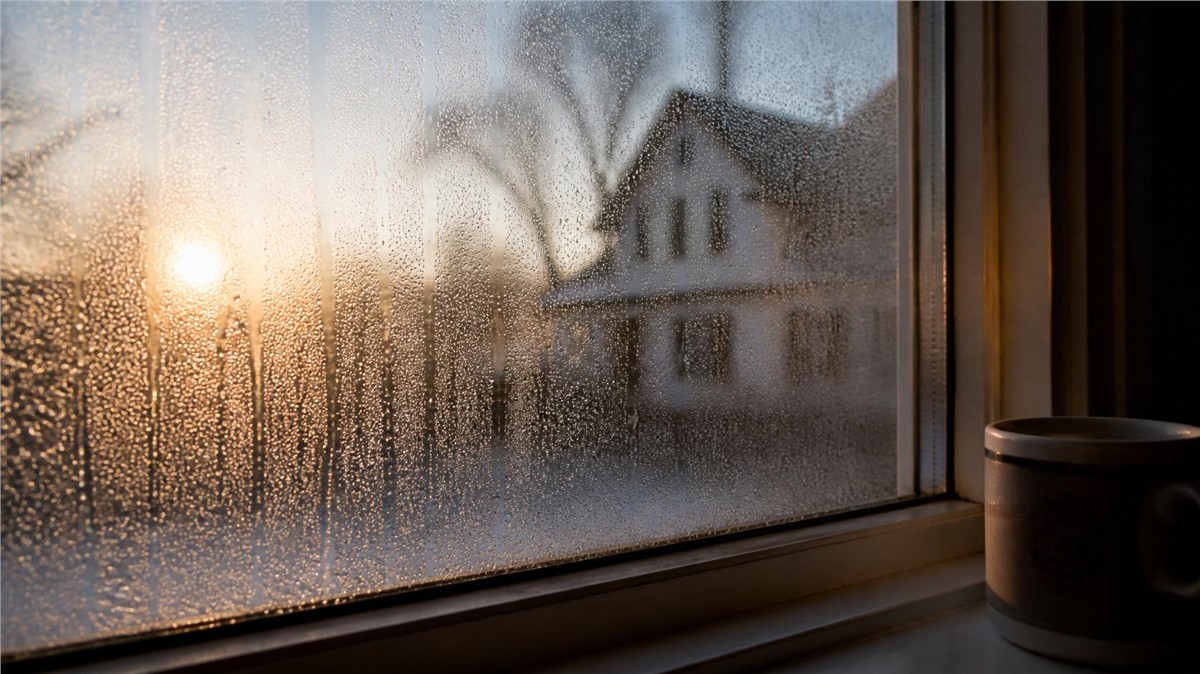
Seeing moisture on your windows can be confusing. Sometimes condensation is a normal reaction to temperature differences between indoor and outdoor air. Other times, it may be a warning sign that your windows, seals, trim, ventilation, or exterior protection need attention.
For homeowners in Harvard, IL, window condensation is especially common during cold winters, humid summers, heavy rain, snow, ice, and freeze-thaw cycles. The key is knowing where the moisture appears and whether it is causing damage.
This guide explains when window condensation is normal, when it may signal a bigger problem, and what homeowners should check.
What Is Window Condensation?
Window condensation happens when warm, moist air meets a colder surface. The moisture in the air turns into water droplets on the glass or nearby surfaces.
Condensation may appear:
- On the inside glass
- On the outside glass
- Between window panes
- Along window frames
- On window sills
- Near trim or drywall
Where the condensation appears is one of the biggest clues.
When Interior Condensation Can Be Normal
Interior condensation can happen during cold weather when warm indoor air touches cold window glass. This is often more noticeable in winter.
It may be normal if:
- Moisture appears only occasionally
- It happens during very cold weather
- It clears quickly
- No trim damage is present
- No mold or mildew appears
- The window is not leaking
- The glass is not foggy between panes
A small amount of short-term condensation does not always mean the window is failing.
Common Causes of Interior Condensation
Indoor humidity is one of the most common causes of condensation. Daily activities can add moisture to the air.
Moisture sources include:
- Cooking
- Showers
- Laundry
- Humidifiers
- Houseplants
- Wet shoes or clothing
- Poor bathroom ventilation
- Poor kitchen ventilation
If indoor humidity is too high, condensation may appear on several windows throughout the home.
Condensation Between Glass Panes
Condensation between panes is different from surface condensation. If fog, haze, or moisture appears inside the insulated glass unit, the window seal may have failed.
Seal failure may look like:
- Fog between panes
- Cloudy glass
- Moisture that cannot be wiped away
- Streaks inside the glass
- Haze that returns after cleaning
- Reduced visibility
When moisture is trapped between panes, cleaning the surface will not fix the issue. Glass replacement or full window replacement may be needed depending on the window condition.
Exterior Condensation
Moisture on the outside of the window can be normal, especially during certain weather conditions. Exterior condensation may happen when outdoor humidity is high and the glass surface is cooler than the surrounding air.
This is usually less concerning if:
- Moisture is only on the outside
- It clears as temperatures change
- No water is entering the home
- Frames and trim are dry
- The window operates normally
Exterior condensation does not always mean there is a problem with the window.
When Condensation Becomes a Concern
Condensation may become a bigger issue when it causes damage or appears with other warning signs.
Homeowners should pay attention if they notice:
- Peeling paint
- Soft window trim
- Mold or mildew
- Musty odors
- Water stains below windows
- Wet drywall
- Fogging between panes
- Drafts around windows
- Windows that are hard to lock
- Recurring moisture in the same area
These signs may point to more than normal humidity.
Drafty Windows and Condensation
Drafty windows can make condensation problems worse because cold air enters around the frame or sash. This can create colder interior surfaces where moisture collects.
Draft signs include:
- Cold air near windows
- Curtains moving during wind
- Rattling glass
- Whistling sounds
- Uneven room temperatures
- Gaps around trim
- Windows that do not lock tightly
If condensation appears near a drafty window, the window seal, frame, weatherstripping, or installation should be checked.
Failed Caulking Around Windows
Caulking helps seal certain areas around window trim and siding transitions. Over time, caulking can crack, shrink, or pull away.
Failed caulking may cause:
- Air leaks
- Water entry
- Stains near trim
- Moisture around window edges
- Peeling paint
- Drafts
- Recurring condensation nearby
Recaulking may help in some cases, but it should not be used to cover hidden water damage or flashing problems.
Window Frame and Trim Damage
Condensation that collects repeatedly on sills, trim, or frames can lead to damage over time.
Watch for:
- Soft wood
- Swollen trim
- Peeling paint
- Cracked paint
- Stained sills
- Dark spots
- Mold or mildew concerns
- Loose trim pieces
If window trim is damaged, the issue should be inspected before it spreads into nearby wall materials.
Window Leaks vs Condensation
Not every wet window area is caused by condensation. Sometimes moisture around windows comes from leaks during rain or snowmelt.
Window leaks may show up as:
- Water after storms
- Stains below the window
- Wet drywall
- Moisture on one side of the window
- Soft trim
- Water marks near siding
- Dampness during wind-driven rain
Leaks may involve the window, flashing, siding, trim, gutters, or roofline above the opening.
Siding and Flashing Around Windows
Windows rely on nearby exterior materials to keep water out. If siding, trim, or flashing is damaged, moisture may enter around the window area.
Exterior warning signs include:
- Loose siding near windows
- Cracked siding
- Gaps around trim
- Failed flashing
- Water stains below windows
- Missing caulking
- Damaged J-channel
- Soft exterior trim
If condensation appears with stains or leaks, the surrounding exterior should be inspected.
Gutters Can Affect Window Moisture
Gutter problems can send water down siding and toward window openings. If gutters overflow above windows, moisture issues may appear indoors or around trim.
Gutter-related warning signs include:
- Overflow during rain
- Water stains below gutters
- Clogged downspouts
- Leaking seams
- Sagging gutters
- Water running behind gutters
- Ice buildup near roof edges
Gutters should be checked when window moisture appears below roof edges.
Attic Ventilation and Indoor Humidity
Window condensation can also be connected to overall home ventilation. If moist indoor air has nowhere to go, condensation may appear more often on cold surfaces.
Ventilation issues may include:
- Bathroom fans not working well
- Kitchen exhaust not venting properly
- High indoor humidity
- Poor attic ventilation
- Moisture trapped in upper rooms
- Condensation during winter
- Musty odors
Improving ventilation may reduce surface condensation, but failed window seals or leaks still need separate attention.
Winter Condensation in Harvard, IL
Cold winters can make window condensation more noticeable. When the outdoor temperature drops, glass and frames become colder, increasing the chance of moisture forming indoors.
Winter condensation may be more likely if:
- Indoor humidity is high
- Windows are older
- Weatherstripping is worn
- Frames are drafty
- Curtains trap moisture near glass
- Bathroom or kitchen ventilation is poor
- The home is tightly sealed
Small amounts may be normal, but recurring moisture that damages trim should be addressed.
Can Condensation Damage Windows?
Yes, repeated condensation can damage window frames, sills, trim, and nearby walls over time. The risk is higher when moisture sits for long periods.
Possible damage includes:
- Peeling paint
- Stained trim
- Soft wood
- Mold or mildew concerns
- Damaged drywall
- Warped materials
- Musty odors
- Reduced window performance
Wiping condensation may help short-term, but the source should still be understood.
Repair vs Replacement
The right solution depends on where the moisture appears and what is causing it.
Repair may make sense if:
- Weatherstripping is worn
- Caulking has failed
- Trim damage is minor
- One glass unit has failed
- Ventilation can be improved
- The window frame is still solid
Replacement may be better if:
- Moisture is between panes
- Several seals have failed
- Frames are warped or rotted
- Drafts continue after repair
- Windows are hard to lock
- Water leaks keep returning
- Old windows no longer perform well
A professional inspection can help homeowners choose the right option.
What Homeowners Can Check
Homeowners can safely check several warning signs before calling a contractor.
Look for:
- Which side of the glass has moisture
- Whether moisture is between panes
- Soft or stained trim
- Drafts around windows
- Cracked caulking
- Loose siding nearby
- Gutter overflow above windows
- Water stains after rain
- Musty odors
- Windows that do not lock tightly
Take photos and note when condensation happens most often.
What Should Be Included in a Window Inspection?
A window inspection should look at the window and the surrounding exterior.
A contractor may check:
- Glass condition
- Seal failure signs
- Frame condition
- Weatherstripping
- Window operation
- Locks and hardware
- Caulking
- Trim
- Flashing
- Siding around the window
- Interior moisture signs
- Gutter or roofline concerns
The goal is to identify whether the issue is humidity, window failure, exterior water entry, or a combination of problems.
Why a Full Exterior Inspection Helps
Window condensation may be connected to more than the glass. Roofing, siding, gutters, flashing, fascia, soffit, trim, drainage, and ventilation can all affect moisture around a home.
A full exterior inspection may include:
- Windows and frames
- Siding around windows
- Gutters and downspouts
- Roofing and roof edges
- Flashing
- Fascia and soffit
- Interior moisture signs
- Storm damage areas
- Drainage concerns
Huskie Exteriors provides roofing, siding, window, gutter, and storm damage restoration services, helping homeowners evaluate the full exterior system.
Why Local Exterior Experience Matters
A local contractor understands how Illinois weather affects windows and home exteriors. In Harvard, IL, homes need windows and exterior systems that can handle cold winters, humid summers, wind, rain, snow, ice, and freeze-thaw cycles.
Local experience helps homeowners determine whether condensation is normal seasonal moisture or a sign of seal failure, drafts, leaks, siding issues, gutter problems, or hidden water damage.
Conclusion
Window condensation in Harvard, IL can be normal when it appears briefly on interior or exterior glass during certain weather conditions. However, condensation may point to a bigger issue if moisture appears between panes, damages trim, creates mold or mildew concerns, causes stains, or appears with drafts or leaks.
If your windows are foggy, drafty, leaking, moisture-damaged, hard to operate, or showing signs of seal failure, Huskie Exteriors can inspect your exterior and recommend the right next step.
Contact Huskie Exteriors for professional roofing, siding, window, gutter, and storm damage services in Illinois and Wisconsin.
Subscribe to Huskie Exteriors's Blog









Comments