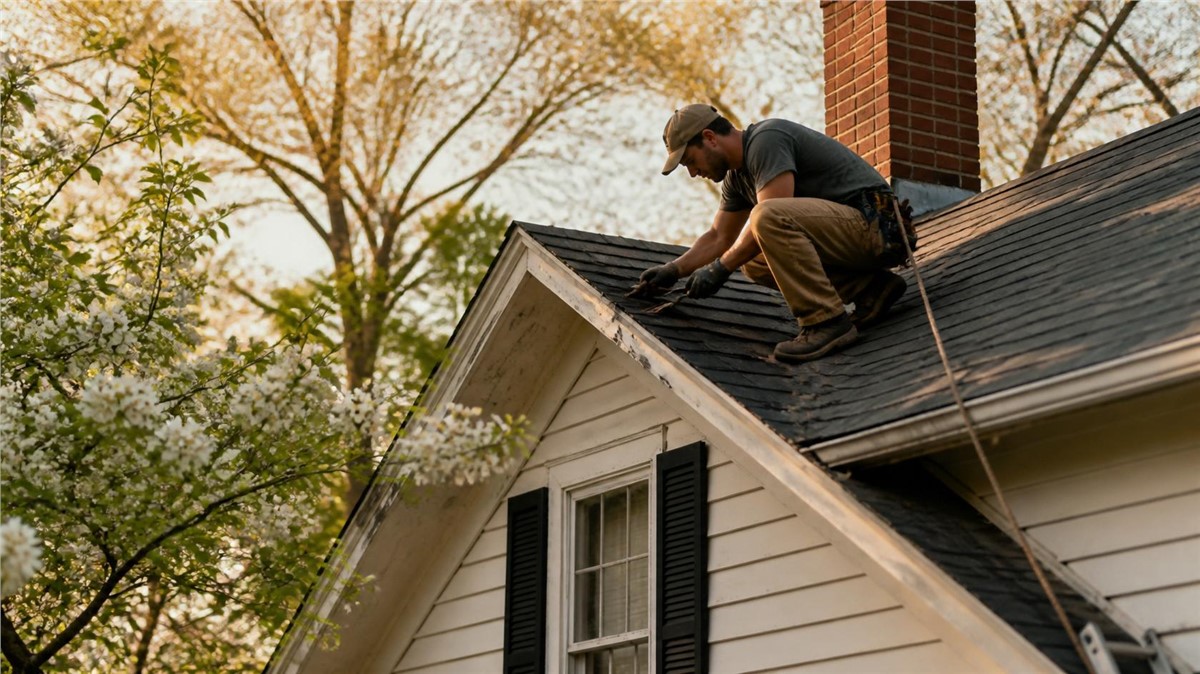
Older homes often have character, history, and strong curb appeal. But they can also come with roofing issues that newer homes may not have yet. Over time, shingles wear down, flashing loosens, gutters sag, roof decking weakens, and ventilation problems become more noticeable.
For homeowners in Kingston, IL, roof repair is especially important because northern Illinois weather can bring wind, hail, heavy rain, snow, ice, humidity, and freeze-thaw cycles. These conditions can expose weaknesses in an older roof and make small problems worse.
This guide explains common roof repair issues in older homes and what homeowners should watch for.
Why Older Homes Need Careful Roof Inspections
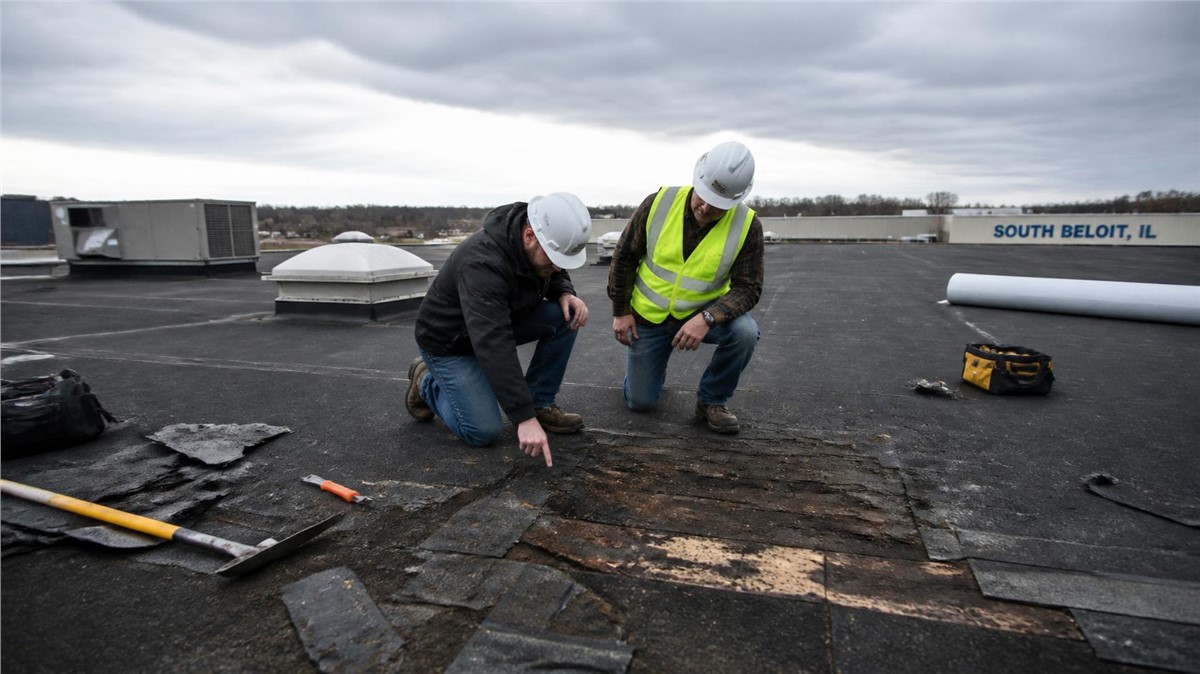
Older homes may have roofing problems that are not obvious from the ground. A roof may look acceptable from the street but still have hidden leaks, soft decking, poor ventilation, or worn flashing.
A roof inspection can help identify:
- Aging shingles
- Missing or lifted shingles
- Flashing leaks
- Soft roof decking
- Chimney issues
- Poor attic ventilation
- Gutter problems
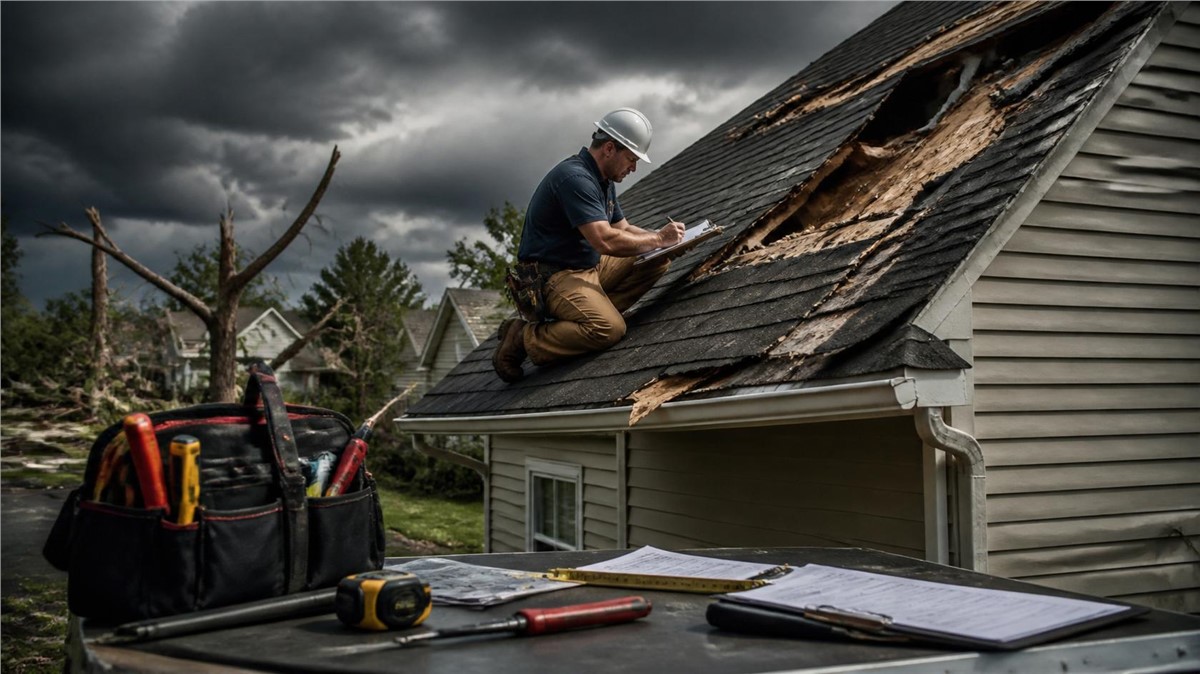
- Storm damage
- Interior water stains
- Previous repair concerns
A careful inspection helps homeowners avoid guessing about roof condition.
Aging Shingles
Shingles wear down over time from sun, wind, rain, snow, ice, and seasonal temperature changes. Older shingles may no longer protect the roof as well as they once did.
Signs of aging shingles include:
- Curling edges
- Cracked shingles
- Missing tabs
- Heavy granule loss
- Bald spots
- Brittle shingles
- Uneven color
- Exposed underlayers
If shingle wear is limited, repair may be possible. If damage is widespread, replacement may be more practical.
Missing or Lifted Shingles
Older roofs may be more vulnerable to wind damage. Once shingles become brittle or loose, strong wind can lift or remove them.
Missing or lifted shingles can allow water to reach the underlayment and roof deck. Homeowners should watch for shingles in the yard, bare roof spots, or raised shingle edges after storms.
These issues should be inspected quickly before the next rain or snowmelt.
Flashing Problems
Flashing protects roof areas where leaks commonly start. On older homes, flashing may be rusted, loose, cracked, poorly sealed, or outdated.
Important flashing areas include:
- Chimneys
- Roof valleys
- Skylights
- Dormers
- Vent pipes
- Wall transitions
- Roof edges
Even if shingles are in decent condition, damaged flashing can still cause leaks. Flashing repairs are common on older homes because these areas handle a lot of water movement.
Chimney-Related Roof Leaks
Many older homes have chimneys that require close inspection. Water can enter around chimney flashing, cracked mortar, chimney caps, or nearby roof materials.
Chimney-related warning signs include:
- Water stains near the fireplace
- Stains on ceilings near the chimney
- Loose flashing
- Cracked sealant
- Damaged mortar
- Rusted chimney components
- Moisture in the attic near the chimney
If leaks appear around a chimney, the roof and chimney area should be inspected together.
Roof Valley Wear
Roof valleys carry a large amount of water during rain and snowmelt. On older homes, valleys may wear faster than other roof areas.
Valley problems may include:
- Missing granules
- Cracked shingles
- Open seams
- Rusted metal valleys
- Debris buildup
- Water stains below the valley
- Leaks during heavy rain
Because valleys move so much water, damage in these areas should not be ignored.
Soft or Damaged Roof Decking
The roof deck is the wood layer beneath the shingles. If water has entered the roof system over time, decking may become soft, stained, or weakened.
Signs of roof deck problems may include:
- Sagging roof areas
- Soft spots found during inspection
- Attic stains
- Wet insulation
- Musty odors
- Repeated leaks
- Uneven roof surfaces
Roof deck damage may require removing roofing materials to replace damaged wood before new roofing can be installed.
Poor Attic Ventilation
Older homes may not have modern attic ventilation. Poor ventilation can trap heat and moisture, which may affect shingles, insulation, roof decking, and indoor comfort.
Ventilation warning signs include:
- Hot attic air
- Rusted nails
- Dark roof decking
- Musty smells
- Wet insulation
- Mold or mildew concerns
- Ice buildup near eaves
- Premature shingle wear
Ventilation should be reviewed during roof repair, especially if the home has recurring moisture problems.
Interior Water Stains
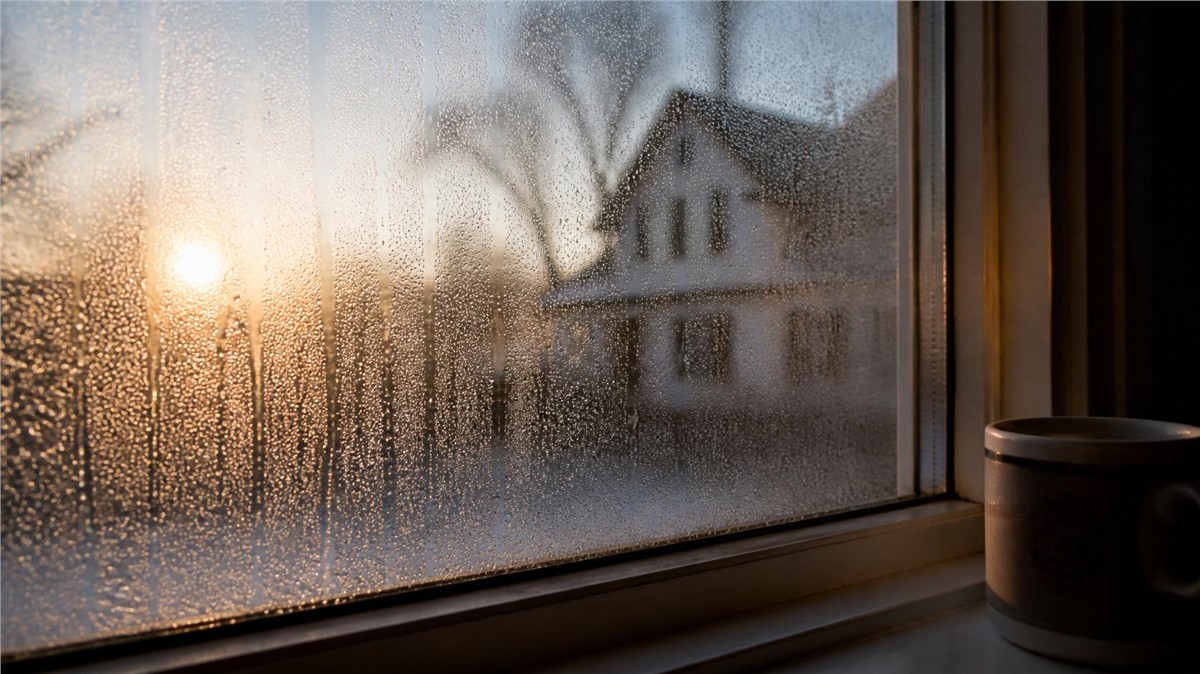
Ceiling stains can point to roof leaks, flashing problems, ventilation issues, or condensation. In older homes, water may travel before it appears indoors, so the stain may not be directly below the leak source.
Interior warning signs include:
- Brown ceiling stains
- Bubbling paint
- Damp drywall
- Peeling paint
- Musty odors
- Stains near exterior walls
- Water marks after storms
Even small stains should be inspected before they spread.
Gutter Problems on Older Homes
Gutters help move water away from the roof edge and foundation. Older homes may have gutters that are sagging, leaking, undersized, clogged, or pulling away.
Gutter issues may include:
- Overflow during rain
- Leaking seams
- Sagging sections
- Loose hangers
- Short downspouts
- Water behind gutters
- Fascia damage
- Foundation pooling
Gutter problems can contribute to roof edge damage, siding stains, basement moisture, and fascia deterioration.
Fascia and Soffit Damage
Fascia and soffit protect roof edges and help complete the exterior system. On older homes, these areas may show moisture damage from gutter overflow, ice buildup, or roof edge leaks.
Watch for:
- Soft fascia
- Peeling paint
- Loose soffit panels
- Water stains
- Gaps near gutters
- Rot or deterioration
- Pest entry points
- Mold or mildew concerns
If fascia or soffit is damaged, gutter repair may not hold properly until the underlying material is fixed.
Ice and Winter Roof Issues
Kingston homes face winter snow, ice, and freeze-thaw cycles. Older roofs may be more vulnerable to winter damage if shingles, gutters, ventilation, or insulation are not performing well.
Winter roof concerns include:
- Ice near roof edges
- Icicles on gutters
- Leaks during thawing
- Frozen downspouts
- Wet attic insulation
- Damaged fascia
- Water backing up under shingles
Winter-related leaks should be inspected because they may involve roofing, gutters, ventilation, and insulation working together.
Storm Damage on Older Roofs
Older roofs may not handle hail and wind as well as newer systems. Shingles that are already brittle can crack, lift, or lose granules more easily during storms.
Storm damage signs include:
- Missing shingles
- Lifted shingles
- Hail marks
- Dented vents
- Dented gutters
- Damaged ridge caps
- Loose flashing
- Granules in gutters
After severe weather, older homes should be checked even if no leak is visible right away.
Previous Repairs That No Longer Work
Older homes may have past roof repairs that are no longer performing well. Patchwork repairs can sometimes hide larger issues.
Warning signs include:
- Mismatched shingles
- Repeated repairs in the same area
- Old sealant buildup
- Flashing patched with caulk
- Uneven roof sections
- Leaks returning after repair
- Temporary fixes that became permanent
A professional inspection can determine whether a repair is still reliable or if a better long-term solution is needed.
Repair vs Replacement
Not every older roof needs replacement. Some issues can be repaired if the roof is still in reasonable condition.
Repair may make sense if:
- Damage is isolated
- Shingles are still flexible
- Flashing can be corrected
- Decking is solid
- Leaks have a clear source
- Gutters can be repaired
- No widespread storm damage is present
Replacement may be better if:
- Shingles are failing throughout
- Leaks keep returning
- Decking is damaged
- Flashing problems are widespread
- Storm damage affects multiple areas
- The roof is near the end of its life
- Repairs would not last
A contractor can help homeowners compare repair and replacement options.
What Homeowners Can Check Safely
Homeowners can check many warning signs without climbing onto the roof.
Look for:
- Shingles in the yard
- Ceiling stains
- Gutters overflowing
- Granules near downspouts
- Sagging roof areas
- Damaged siding near roof edges
- Musty attic smells
- Ice buildup in winter
- Water pooling near the foundation
Avoid walking on an older roof, especially if it may have soft decking or brittle shingles.
What Should Be Included in a Roof Repair Estimate?
A roof repair estimate should clearly explain what was found and what work is recommended.
A good estimate may include:
- Shingle condition
- Flashing condition
- Roof deck concerns
- Gutter and roof edge notes
- Attic moisture findings
- Ventilation concerns
- Storm damage findings
- Repair or replacement recommendation
- Cleanup details
- Warranty information
The estimate should help homeowners understand whether the repair solves the real cause.
Why a Full Exterior Inspection Helps
Roof problems in older homes are often connected to other exterior systems. Gutters, siding, windows, flashing, fascia, soffit, trim, attic ventilation, and drainage all affect how the home handles water.
A full exterior inspection may include:
- Roofing
- Gutters and downspouts
- Siding
- Windows and trim
- Flashing
- Fascia and soffit
- Attic moisture signs
- Interior water stains
- Storm damage areas
- Foundation drainage
Huskie Exteriors provides roofing, siding, window, gutter, and storm damage restoration services, helping homeowners evaluate the full exterior system.
Why Local Exterior Experience Matters
A local contractor understands how Illinois weather affects older homes. In Kingston, IL, roofs must handle wind, hail, heavy rain, snow, ice, humidity, heat, and freeze-thaw cycles.
Local experience helps homeowners determine whether roof repair issues are caused by age, storm damage, flashing problems, gutter overflow, poor ventilation, soft decking, or hidden moisture.
Conclusion
Roof repair for older homes in Kingston, IL often involves aging shingles, missing or lifted materials, flashing problems, chimney leaks, soft decking, poor ventilation, gutter issues, winter damage, and storm-related wear. Because older roofs may have hidden issues beneath the surface, a careful inspection is important before deciding on repair or replacement.
If your older home has roof leaks, missing shingles, ceiling stains, damaged gutters, soft decking concerns, or storm damage, Huskie Exteriors can inspect your exterior and recommend the right next step.
Contact Huskie Exteriors for professional roofing, siding, window, gutter, and storm damage services in Illinois and Wisconsin.
Subscribe to Huskie Exteriors's Blog



Comments