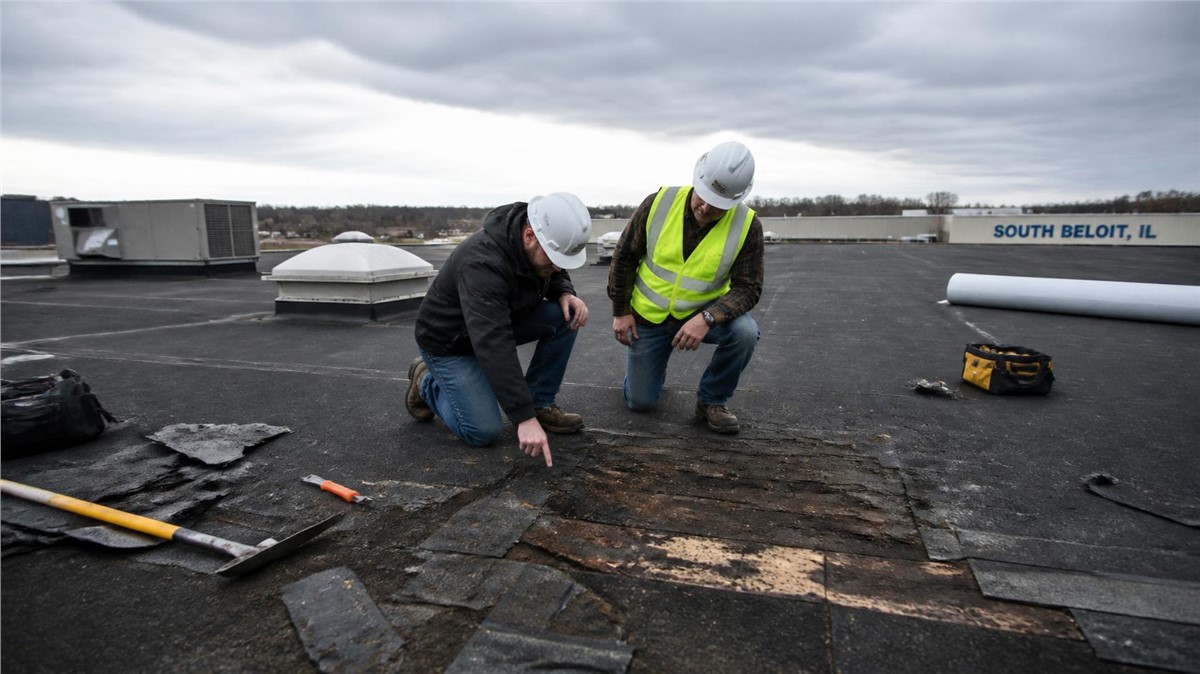
Warehouse roofs protect more than the building. They help protect inventory, equipment, employees, operations, insulation, electrical systems, loading areas, and interior workspaces. When a warehouse roof starts leaking or showing damage, the issue can quickly affect daily operations.
For warehouse owners and facility managers in South Beloit, IL, roof repair is especially important because northern Illinois weather can bring wind, hail, heavy rain, snow, ice, humidity, and freeze-thaw cycles. These conditions can damage roofing materials, flashing, drains, gutters, roof edges, and rooftop equipment areas.
This guide explains common warning signs of warehouse roof problems and what steps to take after damage is found.
Why Warehouse Roof Repair Matters
Warehouse roofs are often large, low-slope, and exposed to constant weather. Because of their size, even a small drainage issue or open seam can affect a large area over time.
Roof problems can lead to:
- Interior leaks
- Damaged inventory
- Wet insulation
- Mold or mildew concerns
- Ceiling stains
- Slip hazards
- Electrical concerns
- Disrupted operations
- Higher repair costs
- Shortened roof lifespan
Prompt inspection and repair can help reduce damage before it spreads.
Warning Sign 1: Active Roof Leaks
An active leak is one of the clearest signs that the roof needs attention. Even a small drip can point to a larger problem above the ceiling or roof surface.
Look for:
- Water dripping during rain
- Damp ceiling areas
- Wet floors
- Water near racks or inventory
- Stains on walls
- Moisture near roof penetrations
- Leaks around rooftop equipment
- Recurring leaks in the same area
Leaks should be documented and inspected as soon as possible.
Warning Sign 2: Ceiling Stains
Ceiling stains may appear before active dripping begins. In warehouses, stains can develop around roof drains, seams, vents, flashing, or low areas where water collects.
Warning signs include:
- Brown stains
- Yellow marks
- Damp ceiling tiles
- Bubbling paint
- Musty odors
- Water marks near exterior walls
- Stains after storms
Even if the stain is dry, the roof should be checked to confirm whether the leak source is still active.
Warning Sign 3: Ponding Water
Many warehouse roofs are flat or low-slope. These roofs need proper drainage to prevent water from sitting too long on the surface.
Ponding water may be caused by:
- Clogged roof drains
- Blocked scuppers
- Low roof areas
- Compressed insulation
- Poor slope
- Debris buildup
- Damaged drainage paths
- Aging roofing materials
Standing water can stress the roof system and increase the risk of leaks.
Warning Sign 4: Clogged Roof Drains or Scuppers
Roof drains and scuppers help move water off flat or low-slope roofs. If they become clogged, water can back up and spread across the roof.
Drainage problems may include:
- Debris around drains
- Slow drainage after rain
- Overflow near roof edges
- Water stains below scuppers
- Ice buildup in winter
- Ponding around drain areas
- Leaks near drainage points
Drainage should be checked regularly, especially after storms and leaf fall.
Warning Sign 5: Damaged Flashing
Flashing protects roof transitions and openings. On warehouse roofs, flashing is often found around rooftop units, vents, walls, edges, and penetrations.
Flashing problems may include:
- Loose flashing
- Cracked sealant
- Rusted metal
- Open gaps
- Separated seams
- Water stains nearby
- Damage around HVAC curbs
- Leaks near wall transitions
Flashing issues are common leak sources and should not be ignored.
Warning Sign 6: Open Seams or Membrane Damage
Many commercial and warehouse roofs use membrane systems. If seams open or the membrane is punctured, water can enter the roof assembly.
Contractors may check for:
- Open seams
- Punctures
- Tears
- Blisters
- Cracks
- Loose edges
- Surface wear
- Exposed underlayers
Small membrane problems can grow if water enters beneath the surface.
Warning Sign 7: Wet Insulation
Wet insulation is a serious concern because it can reduce roof performance and spread moisture across the roof system.
Signs may include:
- Soft areas on the roof
- Persistent leaks
- Musty odors
- Stains indoors
- Higher heating or cooling demand
- Ponding in the same area
- Moisture found during inspection
If insulation is wet, repair may involve more than sealing the surface.
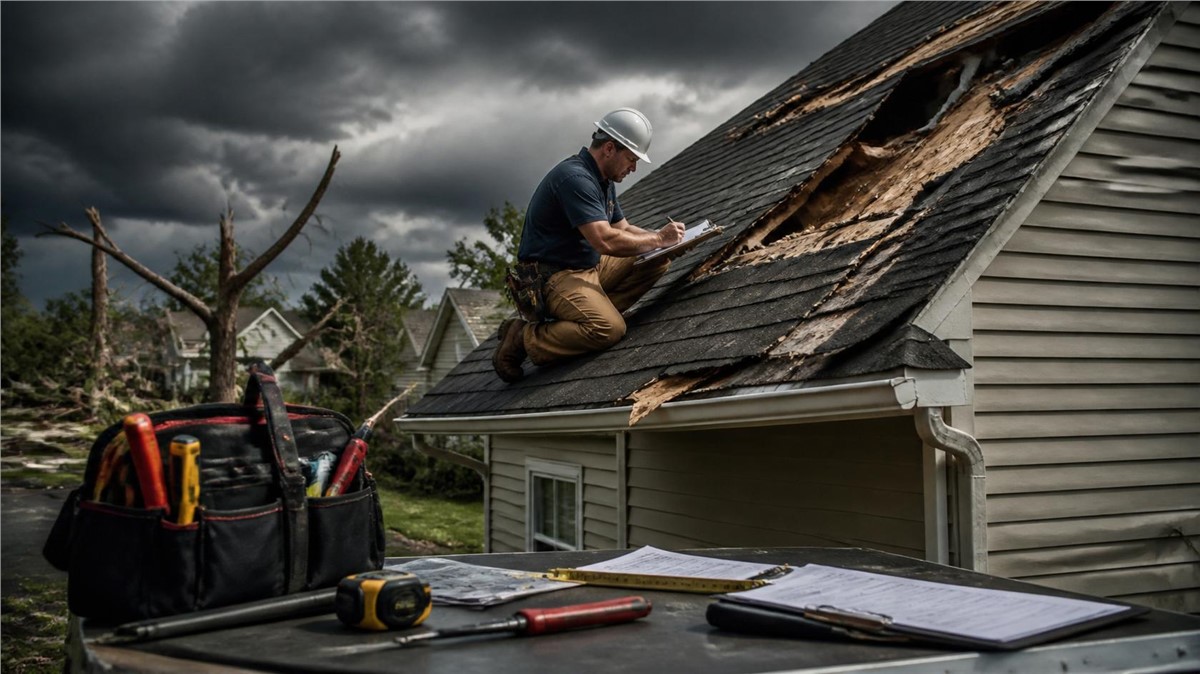
Warning Sign 8: Storm Damage
South Beloit warehouses can be affected by hail, wind, heavy rain, snow, and ice. Storm damage may be visible right away or appear later as leaks.
Storm-related roof concerns include:
- Hail impact marks
- Dented roof vents
- Damaged flashing
- Loose roofing materials
- Open seams
- Damaged gutters
- Debris on the roof
- Interior water stains
After severe weather, a professional inspection can help identify damage before it worsens.
Warning Sign 9: Damaged Gutters and Downspouts
Warehouse roof drainage may include gutters, downspouts, scuppers, and roof drains. If gutters or downspouts fail, water may damage roof edges, siding, foundations, walkways, and loading areas.
Gutter warning signs include:
- Overflow during rain
- Dented gutters
- Leaking seams
- Sagging sections
- Loose downspouts
- Water near the foundation
- Ice buildup near entrances
- Water running down exterior walls
Drainage problems should be corrected before they affect building access or interior spaces.
Warning Sign 10: Loose Roof Edge Materials
Roof edges are exposed to wind, rain, and ice. Loose edge materials can allow water to enter and may become a safety concern during storms.
Watch for:
- Loose metal edging
- Gaps near roof edges
- Damaged fascia
- Water behind gutters
- Missing trim
- Wind-lifted materials
- Open seams near edges
Roof edge repairs should be handled before strong wind or heavy rain makes the damage worse.
Rooftop Equipment Concerns
Warehouses often have HVAC units, vents, pipes, exhaust equipment, or other rooftop components. These areas need careful inspection because leaks often start around penetrations.
Contractors may check:
- HVAC curbs
- Pipe boots
- Vents
- Exhaust fans
- Sealant around equipment
- Flashing around units
- Drainage near equipment
- Impact damage nearby
Rooftop equipment areas should be included in any warehouse roof inspection.
Interior Warning Signs Facility Managers Should Track
Interior clues can help contractors locate roof problems faster.
Facility managers should note:
- Leak location
- Time and date of leak
- Weather during the leak
- Whether the leak appears during wind-driven rain
- Whether the leak appears during snowmelt
- Nearby rooftop equipment
- Affected inventory or equipment
- Photos of stains or moisture
Good records help identify patterns and speed up repair planning.
What to Do When You Notice a Leak
If a warehouse roof leak appears, focus first on safety and damage control.
Helpful steps include:
- Move inventory away from the leak
- Mark wet floor areas
- Protect equipment
- Take photos
- Note the leak location
- Avoid sending staff onto the roof
- Check for electrical concerns
- Schedule a professional inspection
Temporary protection may be needed if water is actively entering the building.
Temporary Protection vs Permanent Repair
Temporary protection may help reduce damage until permanent repairs can be completed. However, it should not replace a full roof repair plan.
Temporary steps may include:
- Covering exposed areas
- Redirecting water
- Securing loose materials
- Marking unsafe interior areas
- Removing debris from safe areas
- Protecting inventory
Permanent repair should address the actual cause, such as flashing failure, membrane damage, clogged drains, wet insulation, or storm damage.
Repair vs Replacement
Some warehouse roof problems can be repaired. Others may require larger replacement work if the damage is widespread or the roof is near the end of its service life.
Repair may make sense if:
- Damage is isolated
- One flashing area failed
- One seam is open
- Drainage can be corrected
- No widespread wet insulation is found
- The roof is otherwise performing well
Replacement may be better if:
- Leaks keep returning
- Damage affects large roof areas
- Insulation is wet in several places
- The roof surface is aging
- Storm damage is widespread
- Repairs no longer last
- Drainage problems are severe
A professional inspection helps determine the correct scope.
Maintenance Helps Reduce Emergency Repairs
Warehouse roofs should be inspected regularly, not only after leaks appear. Preventive maintenance can help catch small issues early.
A maintenance plan may include:
- Spring roof inspection
- Fall roof inspection
- Post-storm inspections
- Drain and scupper cleaning
- Gutter and downspout checks
- Flashing review
- Rooftop equipment inspection
- Interior moisture monitoring
Consistent maintenance helps facility managers plan repairs before emergencies happen.
Insurance Considerations
If roof damage may be storm-related, warehouse owners should contact their insurance provider to understand coverage, deductibles, documentation requirements, claim deadlines, and next steps.
Helpful documentation may include:
- Storm date notes
- Photos of roof or exterior damage
- Interior leak photos
- Contractor inspection findings
- Temporary repair receipts
- Inventory or equipment impact notes
- Adjuster communication
Every policy is different, so claim guidance should come directly from the insurance provider.
What Should Be Included in a Warehouse Roof Inspection?
A warehouse roof inspection should review the roof surface and the full drainage system.
A contractor may check:
- Roof membrane or roofing surface
- Seams
- Flashing
- Roof drains
- Scuppers
- Gutters and downspouts
- Roof edges
- Rooftop equipment
- Ponding water areas
- Interior moisture signs
- Storm damage areas
The inspection should identify the cause of the issue and recommend the next step.
Why a Full Exterior Inspection Helps
Warehouse roof problems can be connected to gutters, siding, windows, trim, fascia, soffit, flashing, and drainage. A full exterior inspection helps identify related damage that may otherwise be missed.
A full exterior inspection may include:
- Roofing
- Roof drains and scuppers
- Gutters and downspouts
- Siding or wall panels
- Windows and trim
- Flashing
- Fascia and soffit
- Interior moisture signs
- Drainage around the building
Huskie Exteriors provides roofing, siding, window, gutter, and storm damage restoration services, helping warehouse owners and facility managers evaluate the full exterior system.
Why Local Exterior Experience Matters
A local contractor understands how Illinois weather affects warehouse roofs. In South Beloit, IL, commercial roofs must handle wind, hail, heavy rain, snow, ice, humidity, and freeze-thaw cycles.
Local experience helps facility managers determine whether roof problems are caused by storm damage, drainage issues, aging materials, flashing failure, rooftop equipment leaks, wet insulation, or hidden moisture.
Conclusion
Warehouse roof repair in South Beloit, IL should be addressed quickly when there are leaks, ponding water, damaged flashing, open seams, clogged drains, wet insulation, damaged gutters, loose roof edge materials, or storm damage concerns. Because warehouse roofs are large and often low-slope, small problems can spread if they are not inspected early.
If your warehouse has roof leaks, drainage problems, storm damage, damaged gutters, wet insulation concerns, or signs of exterior wear, Huskie Exteriors can inspect the building and recommend the right next step.
Contact Huskie Exteriors for professional roofing, siding, window, gutter, and storm damage services in Illinois and Wisconsin.
Subscribe to Huskie Exteriors's Blog





Comments