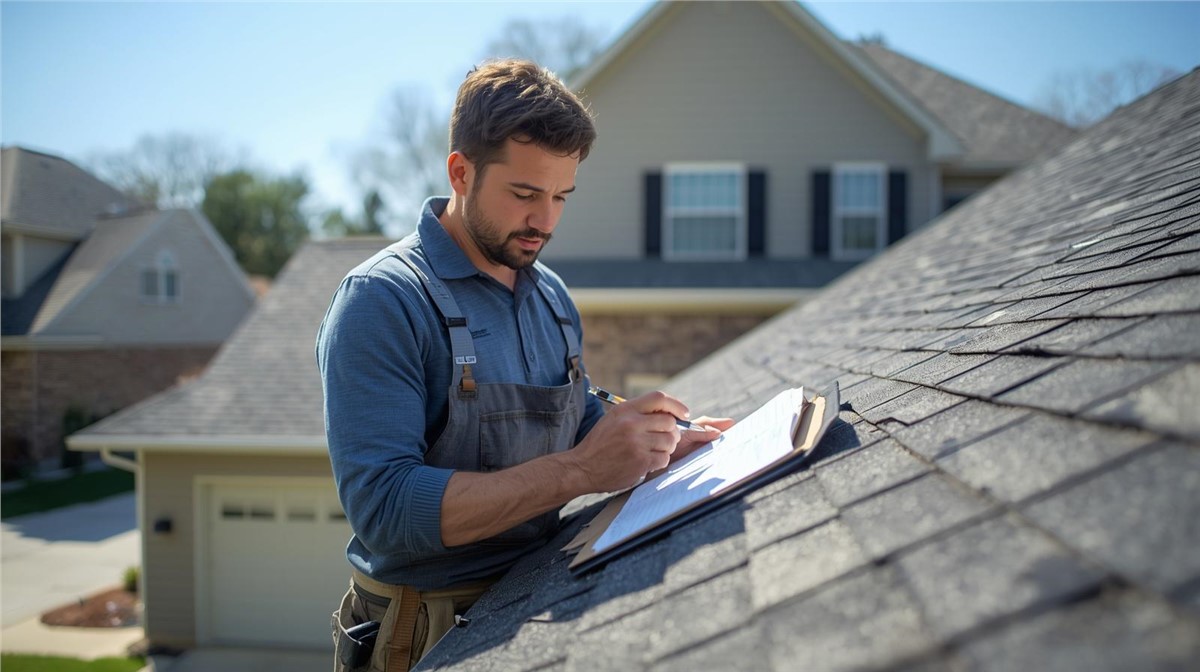
A roof inspection in Rockford, IL helps catch storm damage, aging materials, flashing failures, and moisture issues before they turn into more expensive repairs. In Northern Illinois, strong winds, hail, heavy rain, and freeze/thaw cycles make regular inspections especially important for protecting roof life and supporting insurance documentation after severe weather.
Why This Matters in Rockford, IL
Roof inspections matter in any climate, but they are especially important in Rockford, IL because roofs here face a mix of wind, hail, rain, snow, and temperature swings. Northern Illinois gets severe weather that can loosen shingles, damage flashing, and shorten roof life even when problems are not obvious from the ground.
That local weather pattern matters because roofing issues rarely stay isolated. A small problem like lifted shingles, a bent flashing edge, or granule loss can eventually lead to leaks, attic moisture, insulation damage, and interior staining. For homeowners in Rockford, IL, a professional inspection is one of the best ways to catch those problems early and make smart decisions about repair versus replacement.
Common Signs You Need Roof Inspection
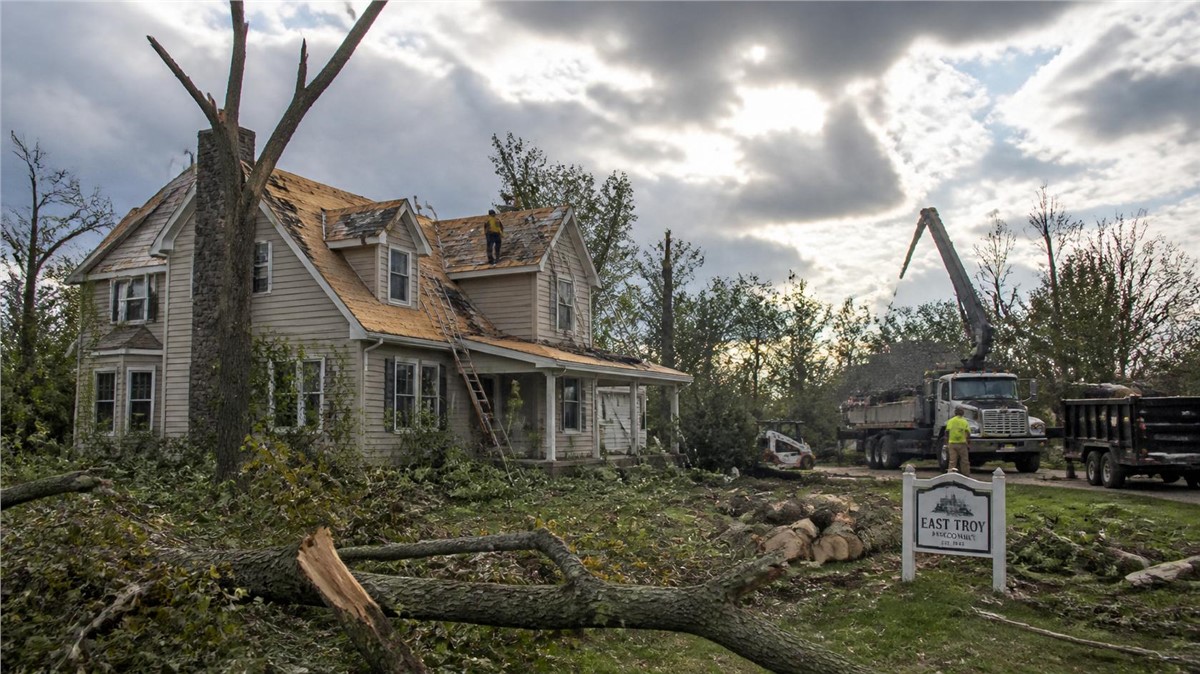
- Storm debris on or around the home
Fallen branches and debris can signal roof impact or wind stress. - Missing or lifted shingles
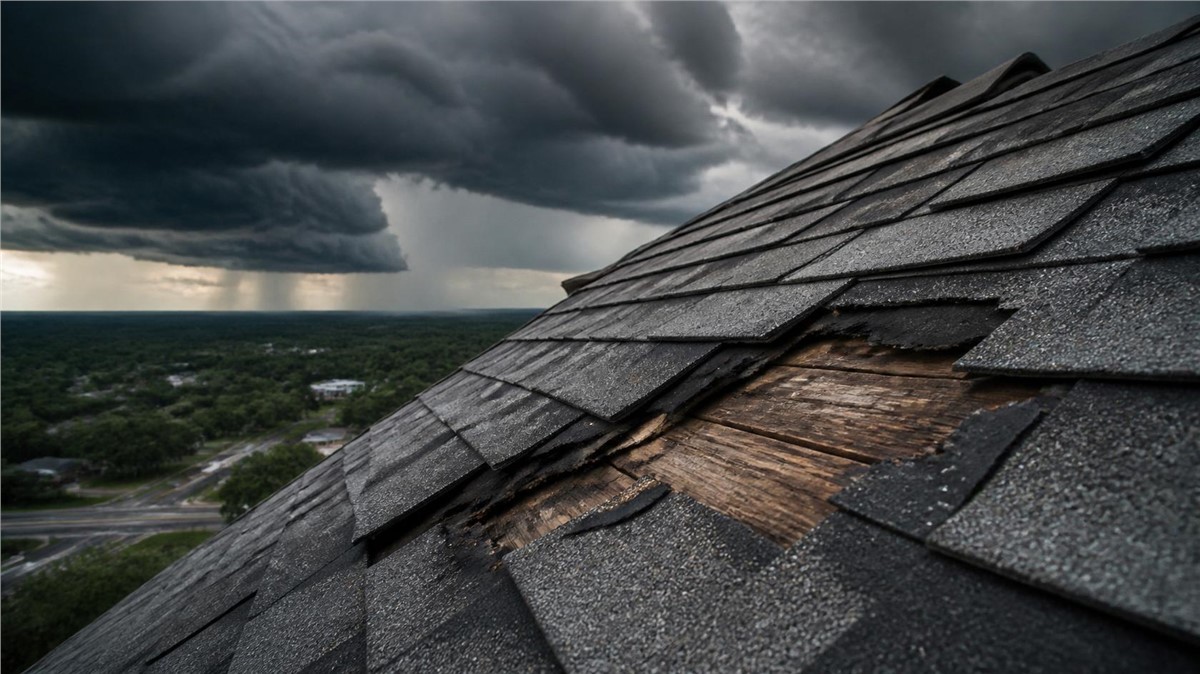
Wind can break shingle seals or tear shingles away, leaving vulnerable sections exposed. - Granules collecting in gutters
Heavy granule loss can point to aging shingles, storm wear, or hail impact. - Leaks or ceiling stains
Water spots on ceilings or walls often mean moisture has already gotten through the roofing system. - Dented flashing, vents, or gutters
Metal damage often points to hail or debris impact after a storm. - Sagging roof areas
Sagging can suggest structural or decking issues that need immediate attention. - Wet attic insulation or damp roof decking
Attic moisture is often one of the earliest signs of a leak that is not yet obvious inside the living space. - An older roof with no recent inspection
Even without visible leaks, aging roofs in Rockford, IL benefit from routine inspection because Midwest weather can accelerate wear.
When to Schedule It (Best Timing + What to Do First)
The best time to schedule a roof inspection in Rockford, IL is after major storms, when buying or selling a home, when your roof is getting older, or when you notice any signs of damage. It is also smart to inspect the roof before winter and after storm season, since wind and hail are recurring issues in northern Illinois.
First: Start With a Ground-Level Review
Walk around the property and look for:
- missing shingles on the ground
- bent gutters or fascia
- visible roofline irregularities
- debris impact
- metal damage on vents or flashing
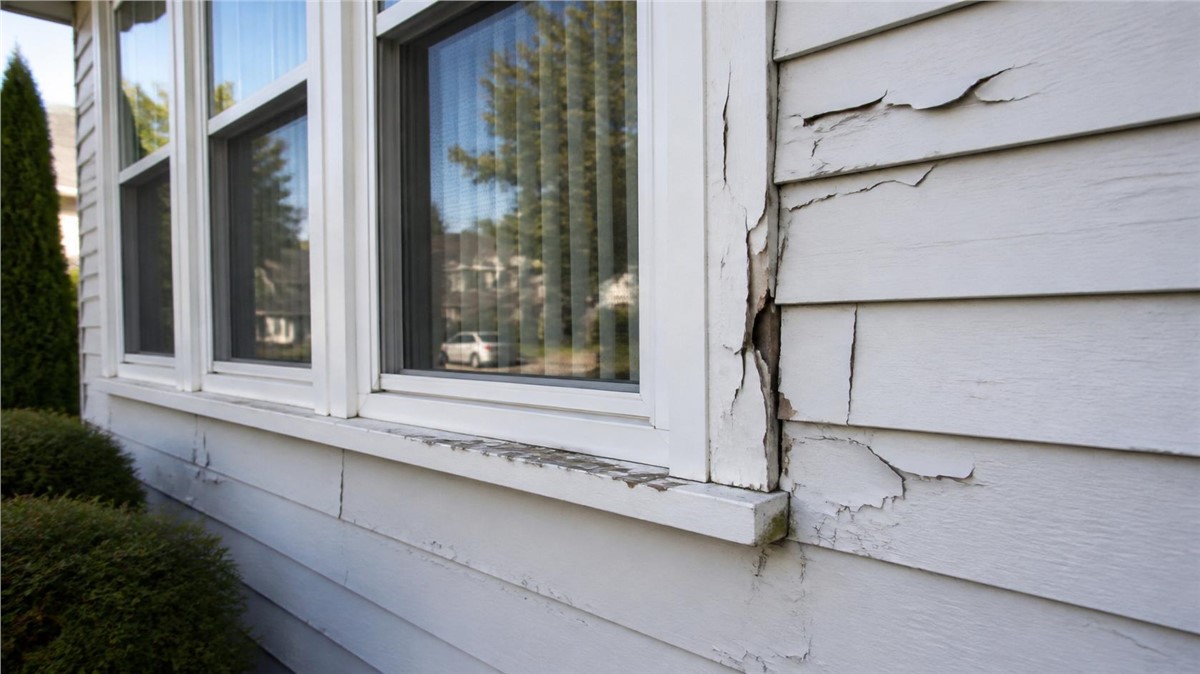
- siding or trim damage nearby
Avoid climbing onto the roof yourself unless it is clearly safe and you are properly equipped.
Next: Check the Interior
Look in the attic and upper interior for:
- damp insulation
- staining on the decking
- musty smells
- ceiling marks
- dripping near vents or chimneys
This helps determine whether the roof issue has already moved beyond exterior wear and into active water intrusion.
Then: Schedule a Professional Inspection
A contractor should inspect the full roofing system, not just the most obvious problem area. If damage may be storm-related, it is smart to document it early and keep notes, photos, and receipts for any emergency protective work.
What a Professional Roof Inspection Includes
A professional roof inspection should be systematic. Contractors should not just glance from the driveway and guess. They should look at the full roofing system and explain what they find clearly.
Typical checklist:
- Shingle condition
Checking for curling, cracking, missing tabs, lifted edges, granule loss, and hail bruising. - Ridge cap and roof edge review
Wind often affects exposed ridge and edge areas first. - Gutter and drainage assessment
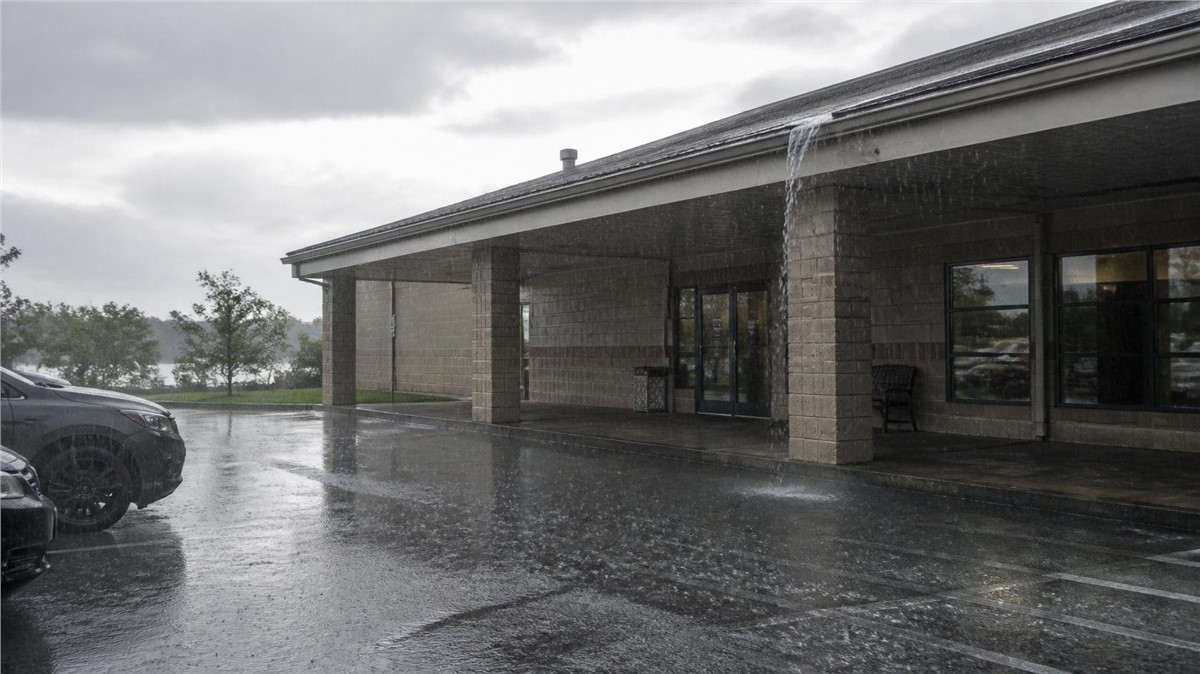
Gutters, downspouts, fascia, and roof-edge drainage can reveal storm damage or long-term wear. - Attic inspection
Checking insulation, decking, ventilation, and any signs of active or past moisture intrusion. - Penetrations and seal points
Pipe boots, vents, roof-mounted equipment, and sealant lines are common leak sources. - Storm-related damage check
Looking for hail impact, debris damage, lifted shingles, and metal dents after strong weather. - Photo documentation
Clear photos help homeowners understand the findings and support insurance discussions when needed.
At Huskie Exteriors, we focus on helping homeowners in Rockford, IL understand not just what looks worn, but what actually matters for roof performance and next-step decisions.
What This Typically Costs in Rockford, IL (2026 Pricing)
For homeowners in Rockford, IL, roof inspection costs vary depending on purpose and scope. Many standard visual inspections are free or low-cost when tied to an estimate, while more detailed inspections can cost more.
Realistic 2026 ranges often look like this:
- Basic roof inspection: often free to $250
- Detailed storm-damage inspection with documentation: $150–$500
- Inspection tied to active leak diagnosis: $200–$600 depending on complexity
- Drone or specialty documentation inspection: can be higher depending on scope
Top five cost factors:
Inspection Purpose
A simple condition check often costs less than a leak investigation or insurance-oriented storm inspection.
Roof Size
Larger roofs take more time to evaluate thoroughly.
Roof Complexity
Steep slopes, valleys, dormers, skylights, and multi-level rooflines add inspection time.
Accessibility
Two-story homes, limited access, and safety requirements may increase the effort involved.
Documentation Level
Detailed photo reports, storm-damage documentation, and written repair recommendations may cost more than a quick inspection.
In many cases, the inspection itself is one of the lowest-cost parts of roofing maintenance, especially compared with the cost of waiting until leaks spread into insulation, drywall, and decking.
Insurance / Permits / Local Notes in Rockford, IL
If an inspection finds storm-related damage, homeowners in Rockford, IL should document everything clearly and keep receipts for temporary protective work.
On the local side, roofing work in Rockford may require permit coordination depending on the scope of repair or replacement. That is one reason it helps to work with a contractor who understands local roofing requirements and can explain the next steps clearly.
A few local notes matter here:
- Rockford-area roofs face recurring wind and hail exposure, so inspections after major storms are especially important.
- A roof may have storm damage even when there is no active interior leak yet.
- Small findings during inspection can still be important because Midwest weather often turns minor weaknesses into bigger repairs.
How to Choose the Right Contractor in Rockford, IL
The right contractor should treat a roof inspection like real diagnostic work, not just a sales step.
Questions to ask:
- Do you perform roof inspections in Rockford, IL after storms and for aging roofs?
- Will you provide photos of what you find?
- Do you inspect attic conditions too when needed?
- Can you explain whether the issues are maintenance-level, repair-level, or replacement-level?
- Are you licensed and insured for roofing work in Illinois?
- Do you understand local Rockford permit requirements if follow-up work is needed?
- Can you help document damage for insurance if appropriate?
Red flags:
- quoting repairs without a real inspection
- no written or photo findings
- vague explanations of wear versus storm damage
- no proof of insurance or licensing
- pressure to sign before the roof condition is explained clearly
Mistakes Homeowners Make (And How to Avoid Them)
- Waiting for a leak before scheduling inspection
- Assuming no interior stain means no roof damage
- Looking only at shingles and ignoring flashing or gutters
- Not checking the attic after a storm
- Throwing away receipts for emergency protective work
- Comparing contractors by price alone instead of inspection quality
- Hiring someone who does not explain next steps clearly
FAQs
How often should I schedule a roof inspection in Rockford, IL?
For many homes, once a year is a smart baseline, plus another inspection after major wind or hail storms. In a weather-heavy area like Rockford, IL, storm-triggered inspections are especially important.
What do contractors look for during a roof inspection in Rockford, IL?
They usually check shingles, flashing, roof edges, ridge caps, gutters, attic conditions, penetrations, and signs of wind, hail, or water damage. A good contractor should also document what they find with photos.
Can a roof inspection find damage even if my roof is not leaking?
Yes. Many roofing problems show up before water gets inside. Lifted shingles, broken seals, flashing separation, and hail impact can all be found before interior leaks appear.
Does Rockford, IL require permits for roofing work after an inspection?
Possibly, depending on the scope of the work. Your contractor should verify whether the repair or replacement needs permit coordination before work begins.
Should I get a roof inspection after a hail or wind storm in Rockford, IL?
Yes. Northern Illinois gets severe weather involving hail and wind, and roof damage is not always obvious from the ground. Early inspection helps protect the home and supports faster repair planning.
Get a Free Estimate in Rockford, IL
If you need a roof inspection in Rockford, IL, Huskie Exteriors is here to help with honest evaluations, clear documentation, and practical recommendations. We serve homeowners across Northern Illinois and Southern Wisconsin with roofing, siding, gutters, and windows built for real Midwest weather.
Schedule your free inspection and estimate with Huskie Exteriors today. We will assess your roof carefully, explain what we find, and help you decide on the right next step with confidence.
Subscribe to Huskie Exteriors's Blog





Comments