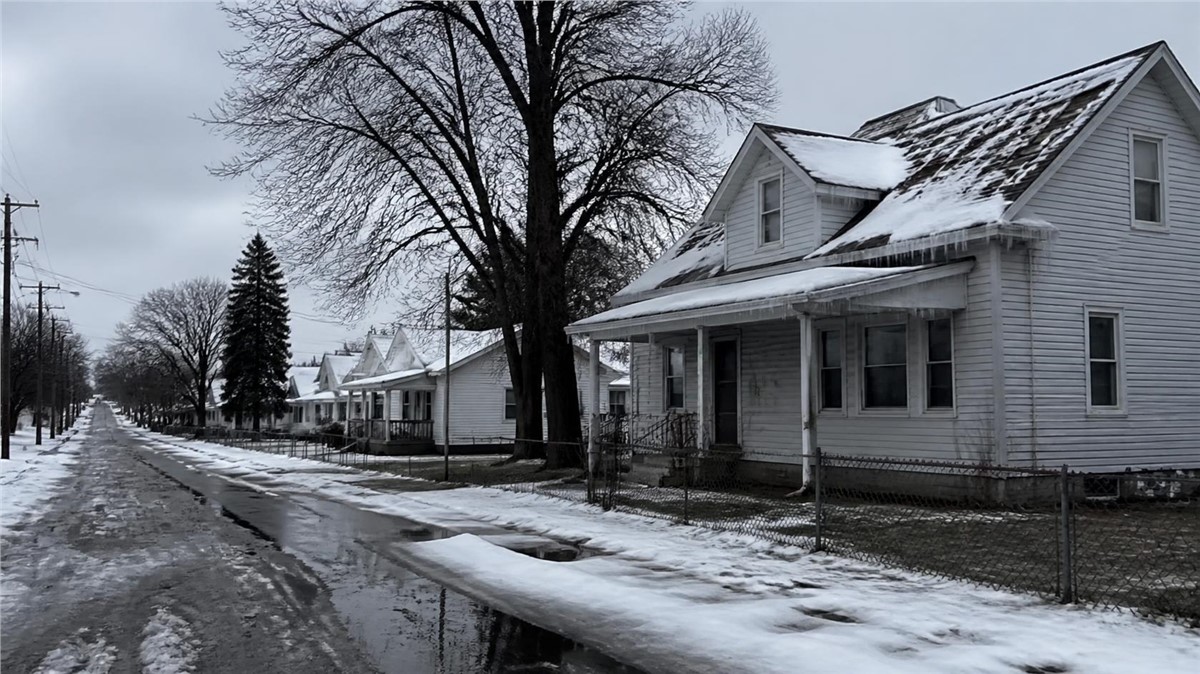
Winter weather can put serious stress on a roof. Snow can add weight, ice can collect near roof edges, wind can lift shingles, and repeated freezing and thawing can make small openings worse. Some roof damage is visible from the ground, while other problems only appear as leaks, attic moisture, or ceiling stains.
For homeowners in Stillman Valley, IL, winter roof damage should be checked carefully because northern Illinois weather can bring snow, ice, freezing rain, strong wind, and sudden temperature changes. A roof that has minor wear before winter may struggle once moisture freezes, melts, and refreezes.
This guide explains the winter roof damage warning signs homeowners should watch for.
Start with Safety First
Homeowners should not climb onto a roof during winter. Snow, ice, wet shingles, and freezing temperatures make roof access dangerous.
From the ground, look for:
- Missing shingles
- Lifted shingles
- Ice along roof edges
- Sagging gutters
- Loose downspouts
- Branches on the roof
- Icicles near gutters
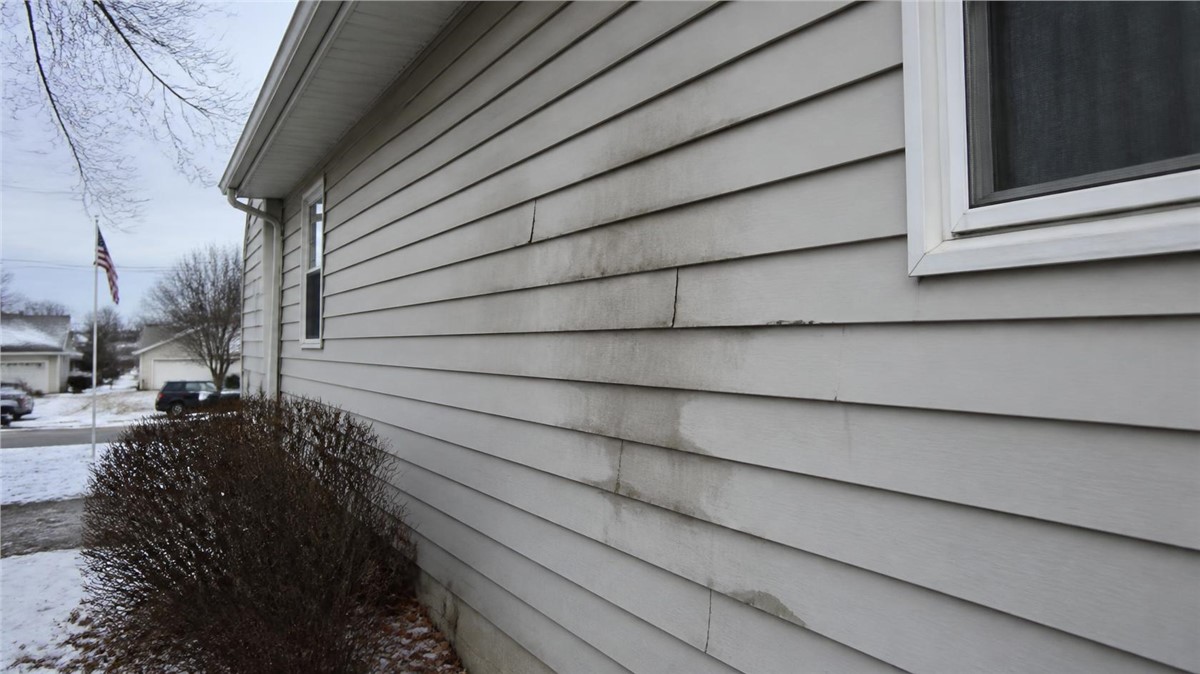
- Water stains on siding or soffit
If the roof looks damaged, schedule a professional inspection instead of trying to access it yourself.
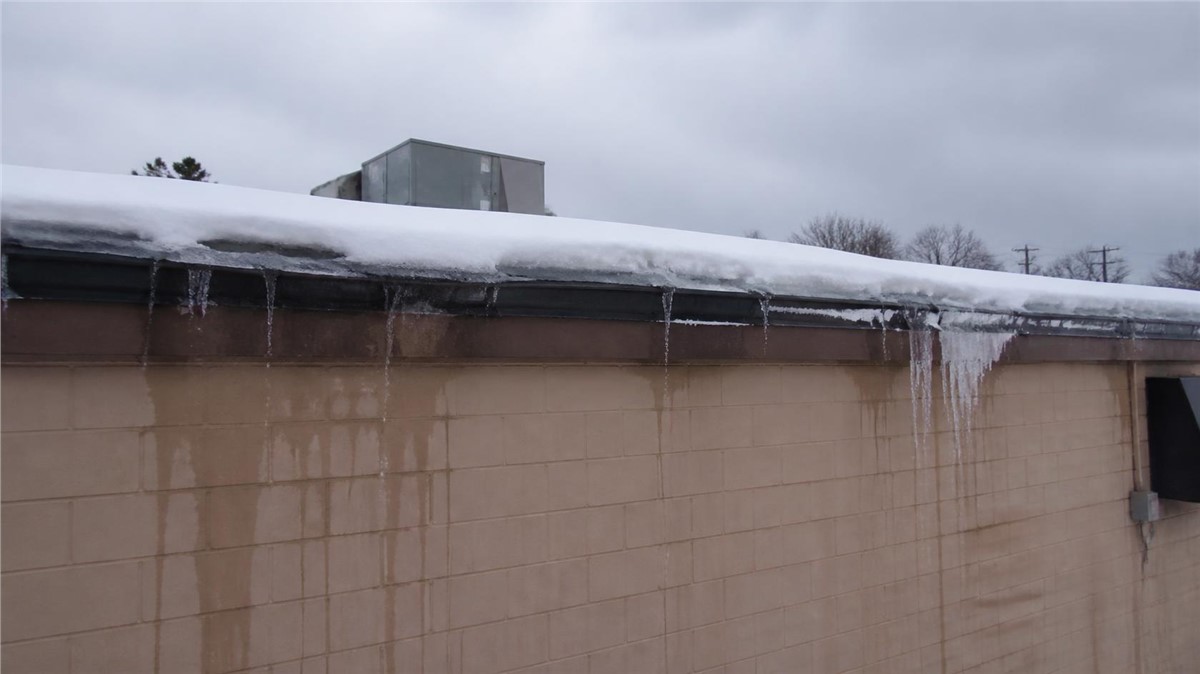
Ice Buildup Near Roof Edges
Ice buildup can form along eaves, gutters, and roof edges. This may happen when snow melts and refreezes near colder roof areas.
Warning signs include:
- Large icicles
- Ice-filled gutters
- Ice along the roof edge
- Water stains near exterior walls
- Peeling paint indoors
- Wet insulation near eaves
- Stains on soffit or fascia
Ice buildup can affect roofing, gutters, attic ventilation, insulation, and drainage.
Snow Load and Drifting
Snow can collect unevenly on different roof sections. Drifting may happen near dormers, valleys, chimneys, skylights, and roof transitions.
Watch for:
- Heavy snow buildup in one area
- Snow collecting near walls or valleys
- Sagging rooflines
- Interior cracking or unusual sounds
- Doors or windows suddenly difficult to open
- Leaks after snow begins melting
If snow load appears concerning, contact a professional. Homeowners should not attempt roof snow removal without proper training and equipment.
Roof Leaks During Snowmelt
Winter leaks often appear when snow melts during the day and refreezes overnight. Water may enter through damaged shingles, flashing, roof valleys, vents, or roof edges.
Interior warning signs include:
- Brown ceiling stains
- Damp drywall
- Bubbling paint
- Musty odors
- Wet attic insulation
- Dark roof decking
- Water near light fixtures
- Moisture near exterior walls
If water appears near electrical fixtures, avoid touching the area and contact a professional.
Missing or Lifted Shingles
Winter wind can loosen shingles, especially if they were already worn or damaged before cold weather arrived.
Look for:
- Missing shingles
- Raised shingle edges
- Shingle pieces in the yard
- Exposed roof areas
- Damaged ridge caps
- Uneven roof sections
- Granules near downspouts
Even one missing shingle can create a path for moisture during snowmelt or winter rain.
Damaged Flashing
Flashing protects roof areas where leaks often begin. Winter movement, ice, and freeze-thaw cycles can loosen flashing or crack sealant.
Check around:
- Chimneys
- Skylights
- Roof vents
- Pipe boots
- Dormers
- Wall transitions
- Roof valleys
Loose flashing, rust, open gaps, cracked sealant, or damaged pipe boots should be inspected before repeated moisture causes interior damage.
Clogged or Frozen Gutters
Gutters play a major role in winter roof protection. If gutters are clogged with leaves, roof debris, or ice, water may overflow or back up near the roof edge.
Warning signs include:
- Ice-filled gutters
- Sagging sections
- Water behind gutters
- Loose hangers
- Bent downspouts
- Frozen downspout outlets
- Stains below roof edges
- Water pooling near the foundation
Gutter issues can damage fascia, soffit, siding, roof edges, and foundation areas.
Fascia and Soffit Damage
Fascia and soffit areas sit under the roof edge. They often show early signs of gutter overflow, ice buildup, or roof edge moisture.
Look for:
- Peeling paint
- Soft fascia
- Water stains under eaves
- Loose soffit panels
- Gaps near gutters
- Sagging gutter attachments
- Pest entry points
If fascia or soffit is damaged, the roof edge and gutter system should be inspected together.
Attic Moisture Warning Signs
The attic can reveal roof damage before it reaches the main living space. Only check the attic if it is safe and accessible.
Look for:
- Wet insulation
- Dark roof decking
- Rusted nails
- Water trails
- Musty odors
- Damp rafters
- Frost inside the attic
- Daylight through roof gaps
Attic moisture may point to roof leaks, poor ventilation, insulation issues, or ice-related concerns.
Roof Valley Problems
Roof valleys carry water from multiple roof sections. During winter, valleys can collect snow, ice, leaves, and debris.
Watch for:
- Ice buildup in valleys
- Debris trapped under snow
- Water stains below valley areas
- Worn shingles in valleys
- Leaks after snowmelt
- Uneven roof surface near valleys
Valley problems should be checked because these areas handle a lot of water during thawing and rain.
Storm Damage During Winter
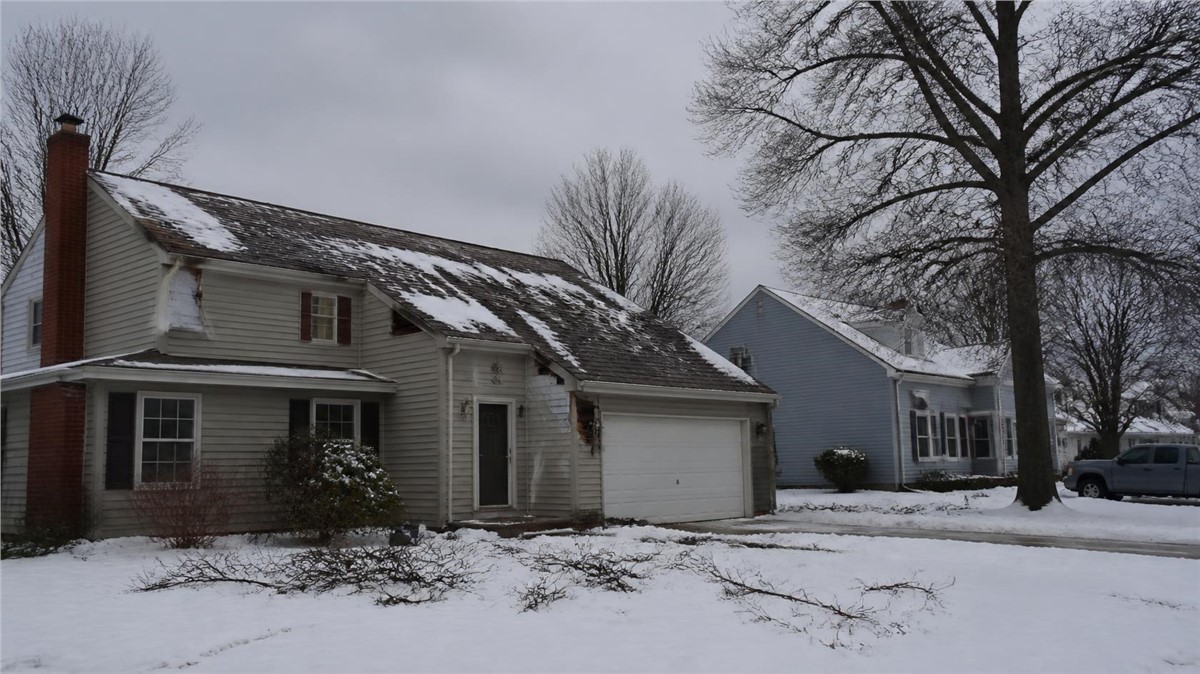
Winter storms can bring wind, ice, snow, and falling branches. Damage may be hard to see until snow melts.
After severe weather, check for:
- Roof debris
- Missing shingles
- Loose gutters
- Damaged vents
- Cracked siding
- Fallen branches
- New interior stains
- Water near windows or walls
If storm damage may involve insurance, contact your insurance provider for policy-specific guidance.
Repair vs Replacement
Some winter roof damage can be repaired if the problem is limited.
Repair may make sense if:
- A few shingles are missing
- One flashing area is loose
- One pipe boot is damaged
- Gutters need minor adjustment
- No hidden moisture is present
Replacement may be better if:
- Leaks keep returning
- Shingle wear is widespread
- Roof damage affects several areas
- Moisture has reached decking
- Materials are aging or brittle
- Repairs no longer last
A professional inspection can help homeowners understand the right option.
Why a Full Exterior Inspection Helps
Winter roof damage is often connected to gutters, siding, fascia, soffit, attic ventilation, flashing, windows, and drainage. A roof leak may come from damaged flashing. Ice buildup may involve attic ventilation and gutter drainage. Water stains on siding may come from roof edge overflow.
Huskie Exteriors provides roofing, siding, window, gutter, and storm damage restoration services, helping homeowners evaluate the full exterior system during and after winter weather.
Conclusion
Winter roof damage in Stillman Valley, IL can include ice buildup, snow-related stress, roof leaks, missing shingles, damaged flashing, clogged gutters, fascia damage, soffit stains, and attic moisture. Homeowners should watch for warning signs before small winter issues turn into larger repairs.
If your home has roof leaks, ceiling stains, ice-filled gutters, missing shingles, damaged flashing, attic moisture, or winter storm concerns, Huskie Exteriors can inspect your home and recommend the right next step.
Contact Huskie Exteriors for professional roofing, siding, window, gutter, and storm damage services in Illinois and Wisconsin.
Subscribe to Huskie Exteriors's Blog





Comments