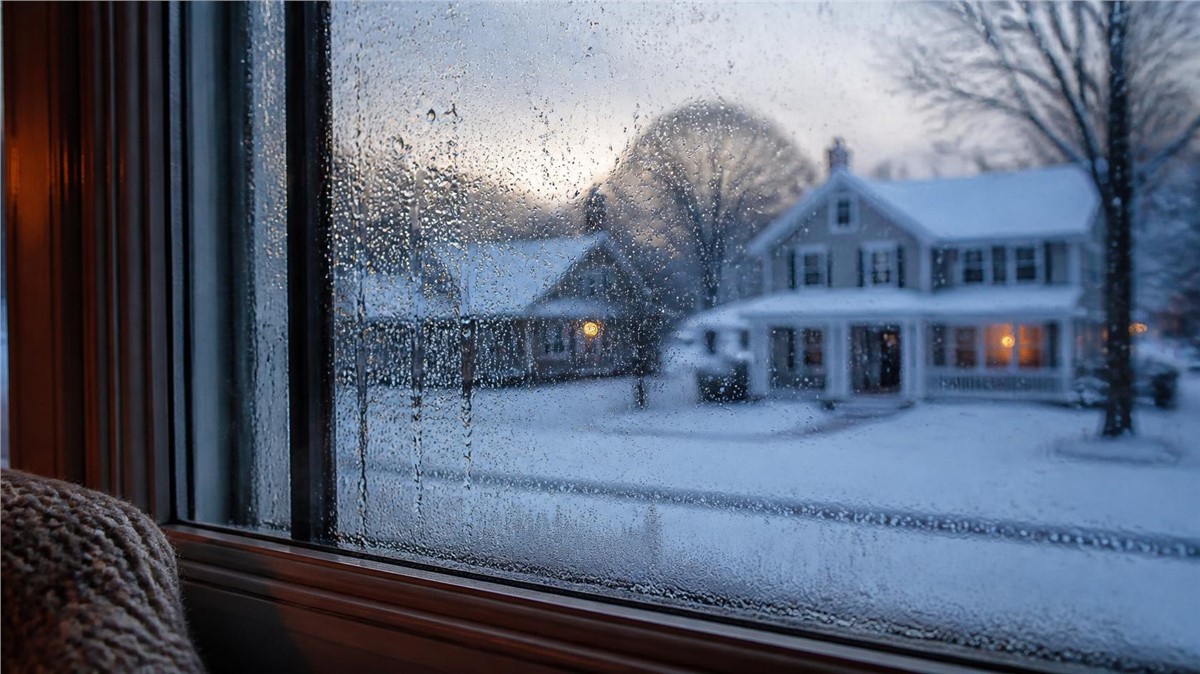
Windows play an important role in winter comfort. When windows are drafty, damaged, poorly sealed, or no longer performing well, cold air and moisture can make rooms uncomfortable. Window problems can also affect nearby drywall, trim, siding, and wall insulation if moisture is present.
For homeowners in Oregon, IL, winter weather can bring freezing temperatures, snow, ice, wind, and freeze-thaw cycles. These conditions can make existing window issues more noticeable. A window that seemed minor in fall may feel much worse once cold air starts moving around the frame.
This guide explains common winter window problems and what homeowners should check.
Drafts Around Windows
Drafts are one of the most common winter window complaints. A draft can make a room feel colder, especially near exterior walls or large window openings.
Signs of drafts include:
- Cold air near the frame
- Curtains moving slightly
- Uneven room temperatures
- Cold spots near windows
- Higher heating demand
- Whistling sounds during wind
- Discomfort near seating areas
Drafts may come from worn weatherstripping, gaps in caulking, frame movement, poor installation, or older window units.
Condensation on Window Glass
Condensation forms when warm indoor air meets a cold glass surface. Some condensation can happen during cold weather, but frequent or heavy moisture should be watched closely.
Look for:
- Water droplets on glass
- Moisture on window sills
- Damp trim
- Peeling paint
- Dark stains near frames
- Musty smells
- Mold or mildew near corners
Excess condensation may point to indoor humidity, poor ventilation, older glass, or window performance issues.
Fogging Between Panes
Fogging between panes is different from surface condensation. If moisture appears between the glass layers and cannot be wiped away, the insulated glass seal may have failed.
Signs include:
- Cloudy glass
- Hazy views
- Streaks between panes
- Moisture trapped inside the glass unit
- Fogging that stays in all seasons
When insulated glass seals fail, replacement may be needed to restore clarity and performance.
Heat Loss Through Older Windows
Older or failing windows may allow heat to escape more easily. This can make certain rooms feel colder and less comfortable during winter.
Warning signs include:
- Rooms that never feel warm
- Cold glass surfaces
- Drafts around frames
- Ice or frost near window edges
- Older single-pane windows
- Damaged or loose frames
- Frequent condensation
Window replacement may be worth considering if several rooms have the same comfort issues.
Damaged Weatherstripping
Weatherstripping helps seal the moving parts of a window. Over time, it can flatten, crack, loosen, or pull away.
Check for:
- Gaps around sashes
- Brittle weatherstripping
- Missing sections
- Air movement near the window
- Windows that no longer close tightly
- Loose or damaged seals
Replacing weatherstripping may help with minor drafts if the window frame and glass are still in good condition.
Failed Caulking Around Frames
Exterior caulking helps seal gaps around window trim and siding transitions. If caulking fails, water and air may enter around the window opening.
Look for:
- Cracked caulking
- Gaps around trim
- Peeling sealant
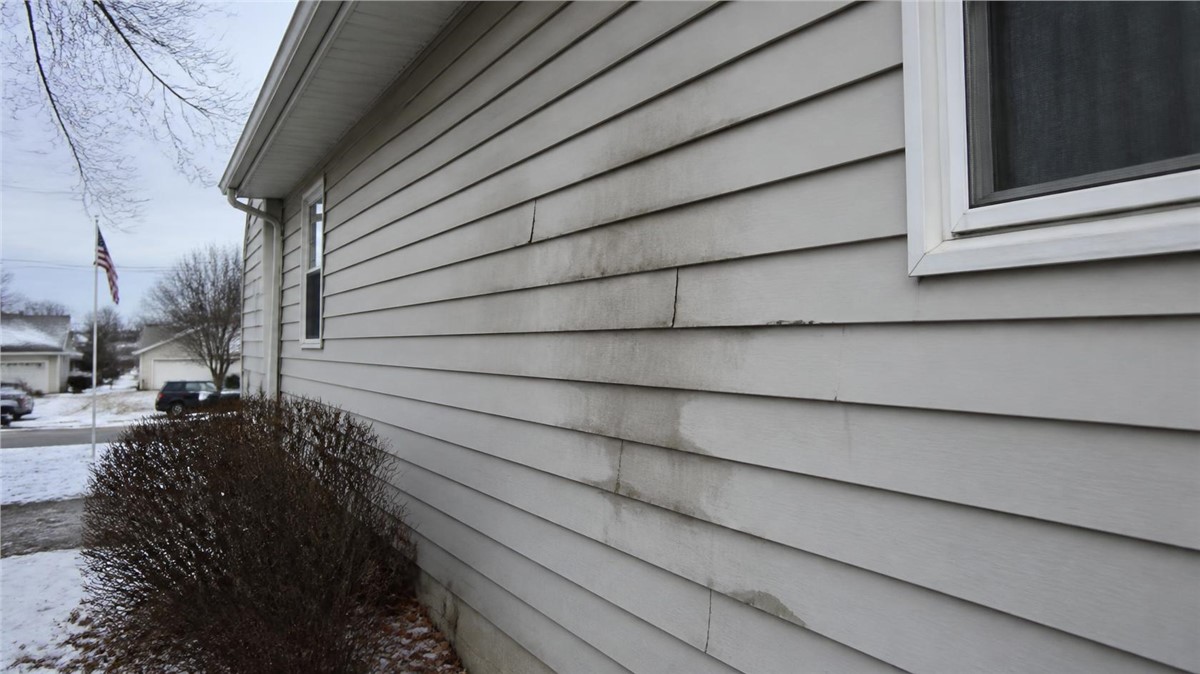
- Loose siding near windows
- Water stains below windows
- Drafts around the frame
- Moisture after snowmelt or rain
Caulking problems should be inspected because they may involve siding, flashing, or trim issues.
Window Operation Problems
Windows should open, close, and lock properly. Winter can make operation problems more noticeable because materials may contract in cold temperatures.
Common issues include:
- Windows that stick
- Locks that do not align
- Sashes that do not close fully
- Damaged hardware
- Warped frames
- Loose handles
- Windows that are difficult to clean or operate
A window that does not close tightly can allow drafts and moisture into the home.
Moisture Around Trim and Walls
Moisture near windows should not be ignored. It may come from condensation, failed caulking, damaged flashing, siding gaps, or a window leak.
Check for:
- Soft interior trim
- Stained drywall
- Peeling paint
- Damp window sills
- Musty odors
- Water below the frame
- Discoloration near corners
If moisture keeps returning, the surrounding window, siding, flashing, and trim should be inspected together.
Frost or Ice Near Windows
Frost near windows can occur when warm indoor air meets very cold surfaces. Repeated frost can add moisture to trim and nearby materials when it melts.
Watch for:
- Frost along glass edges
- Ice near window tracks
- Wet sills after melting
- Stains below the window
- Warped trim
- Difficulty opening windows
Frost may be related to high indoor humidity, poor air sealing, older glass, or window performance issues.
Check Exterior Window Areas
Window problems are not always caused by the window alone. The exterior around the window also matters.
From the ground, look for:
- Loose siding near windows
- Cracked trim
- Open gaps
- Damaged flashing
- Missing caulk
- Water stains
- Soft or rotted-looking materials
- Gutter overflow above windows
Exterior issues can allow wind-driven rain, snowmelt, or cold air to reach the wall system.
When Repair May Be Enough
Some window problems can be repaired if the window is otherwise in good condition.
Repair may make sense if:
- Weatherstripping is worn
- Caulking has failed
- One lock is damaged
- A screen needs repair
- Trim damage is minor
- The frame is still solid
Small repairs can improve comfort when the window unit itself is still performing well.
When Replacement May Be Better
Replacement may be the better option when window problems are widespread or recurring.
Replacement may make sense if:
- Several windows are drafty
- Glass seals have failed
- Frames are warped or damaged
- Windows are hard to operate
- Moisture damage is present
- Heat loss is noticeable
- Repairs no longer solve the issue
A professional inspection can help homeowners compare repair and replacement options.
Why a Full Exterior Inspection Helps
Window problems are often connected to siding, gutters, flashing, trim, fascia, soffit, roofing, and drainage. A window leak may come from failed flashing. A stain below a window may come from gutter overflow. Drafts may involve installation details or damaged surrounding materials.
Huskie Exteriors provides roofing, siding, window, gutter, and storm damage restoration services, helping homeowners evaluate the full exterior system during winter weather.
Conclusion
Winter window problems in Oregon, IL can include drafts, condensation, heat loss, fogged glass, damaged weatherstripping, failed caulking, moisture around trim, and difficult operation. Checking these issues during winter helps homeowners understand where comfort and moisture problems may be coming from.
If your home has drafty windows, condensation, fogged glass, damaged trim, window leaks, heat loss, or winter exterior concerns, Huskie Exteriors can inspect your home and recommend the right next step.
Contact Huskie Exteriors for professional roofing, siding, window, gutter, and storm damage services in Illinois and Wisconsin.
Subscribe to Huskie Exteriors's Blog





Comments