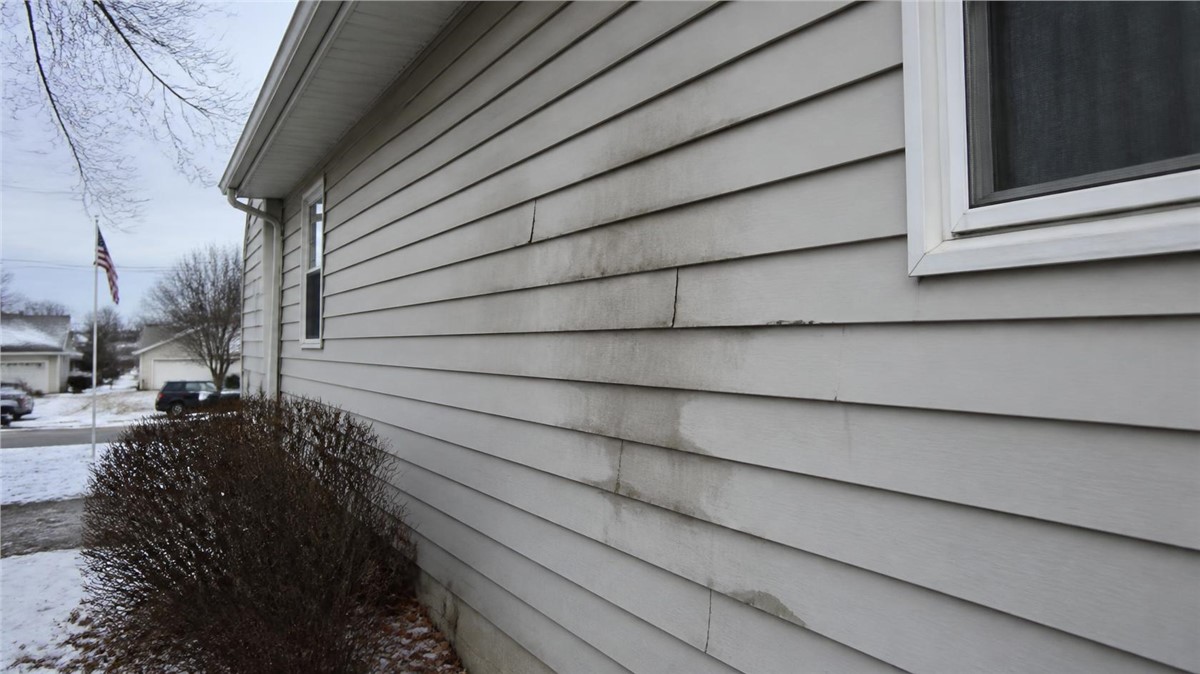
Winter weather can be hard on siding. Cold temperatures, snow, ice, wind, and repeated freeze-thaw cycles can stress exterior materials and expose weak areas around panels, seams, trim, windows, and doors. If siding is already cracked, loose, or poorly sealed, winter moisture can make the problem worse.
For homeowners in Winnebago, IL, winter siding damage should be checked carefully because northern Illinois homes face harsh seasonal conditions. A small siding gap or crack may not seem urgent at first, but it can allow moisture, cold air, or pests behind the exterior surface.
This guide explains common winter siding damage and what homeowners should watch for.
Why Winter Siding Damage Matters
Siding helps protect the home from wind-driven snow, rain, ice, and moisture. When siding is damaged, water can get behind panels and affect trim, sheathing, insulation, or interior walls.
Winter siding damage may lead to:
- Moisture behind siding
- Cracked panels
- Loose siding sections
- Drafts near walls or windows
- Soft or damaged trim
- Water stains
- Mildew growth
- Pest entry points
- Larger repairs in spring
Catching damage early helps protect the full exterior system.
Cracked Siding
Cold weather can make some siding materials more brittle, especially if they are already aging or damaged. Impact from branches, hail, debris, or snow removal can also cause cracks.
Look for:
- Hairline cracks
- Split panel edges
- Broken lower sections
- Small holes
- Cracks near corners
- Damage near utility openings
- Cracks on storm-facing walls
Even small cracks should be inspected because they can allow moisture behind the siding.
Gaps Between Panels
Siding should overlap and fit properly to help shed water. Gaps can develop when panels shift, loosen, or pull away from trim.
Warning signs include:
- Open seams
- Panels not sitting flat
- Gaps near corners
- Loose trim channels
- Uneven siding rows
- Spaces around windows or doors
- Rattling during wind
Winter wind can push snow and moisture into these openings, increasing the risk of hidden damage.
Loose or Shifted Siding
Strong winter wind can loosen siding, especially if panels were already worn or improperly secured. Loose siding may move, rattle, or pull away from the home.
Check for:
- Siding that lifts during wind
- Missing sections
- Panels hanging unevenly
- Loose corner pieces
- Open vertical trim gaps
- Siding pieces found in the yard
- Water stains below loose sections
Loose siding should be repaired before another storm causes more damage.
Moisture Behind Siding
Moisture is one of the biggest concerns with winter siding damage. Snow, ice, and rain can enter through cracks, gaps, failed caulking, or damaged trim.
Possible signs include:
- Dark stains on siding
- Soft trim
- Musty odors indoors
- Damp drywall
- Peeling paint
- Mildew near siding seams
- Water stains below windows
- Warped siding sections
Moisture problems should be inspected quickly because damage may be hidden behind the surface.
Damage Around Windows and Doors
Windows and doors are common areas for siding-related moisture issues. These openings include trim, flashing, caulking, and siding cuts.
Check for:
- Water stains below windows
- Cracked caulking
- Loose trim
- Damp drywall indoors
- Door threshold moisture
- Drafts around frames
- Peeling paint
- Soft exterior trim
If water appears around windows or doors, the siding and flashing around the opening should be reviewed.
Gutter Problems That Affect Siding
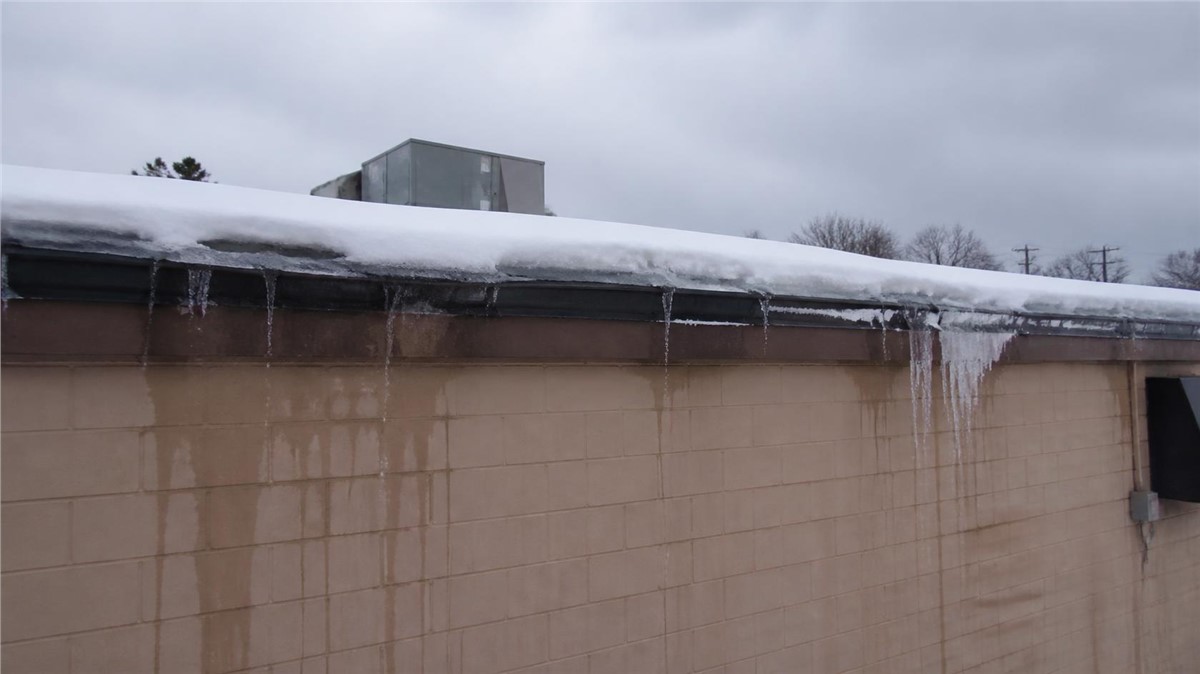
Gutters and siding work together more than many homeowners realize. If gutters clog, overflow, freeze, or pull away from the home, water can run down siding and damage trim.
Watch for:
- Ice-filled gutters
- Overflow marks
- Water behind gutters
- Sagging sections
- Loose downspouts
- Short extensions
- Stains below roof edges
- Fascia or soffit damage
Gutter problems should be addressed because they can lead to siding moisture and foundation issues.
Fascia and Soffit Concerns
Fascia and soffit areas sit near the roof edge and can affect siding performance. Moisture in these areas may move down into trim or wall sections.
Look for:
- Peeling paint
- Soft fascia
- Water stains under eaves
- Loose soffit panels
- Gaps near gutters
- Pest entry points
- Sagging gutter attachments
If fascia or soffit is damaged, the roof edge and gutter system should also be inspected.
Lower Siding Damage
Lower siding sections are exposed to snow piles, ice, splashback, road salt, landscaping moisture, and impact from shovels or equipment.
Check for:
- Cracks near the bottom
- Warped panels
- Moisture stains
- Dirt buildup
- Pest damage
- Siding too close to soil or mulch
- Damage near decks, patios, or walkways
Keeping snow, leaves, and debris away from lower siding can help reduce moisture exposure.
Drafts Near Exterior Walls
Drafts may point to gaps around windows, doors, trim, siding seams, or wall penetrations. While not every draft is caused by siding, exterior gaps should be checked.
Signs include:
- Cold spots near walls
- Drafts around window trim
- Air movement near outlets
- Uneven room temperatures
- Cold areas near doors
- Musty odors near exterior walls
A full exterior inspection can help identify whether siding, windows, trim, or insulation may be involved.
Storm Damage During Winter
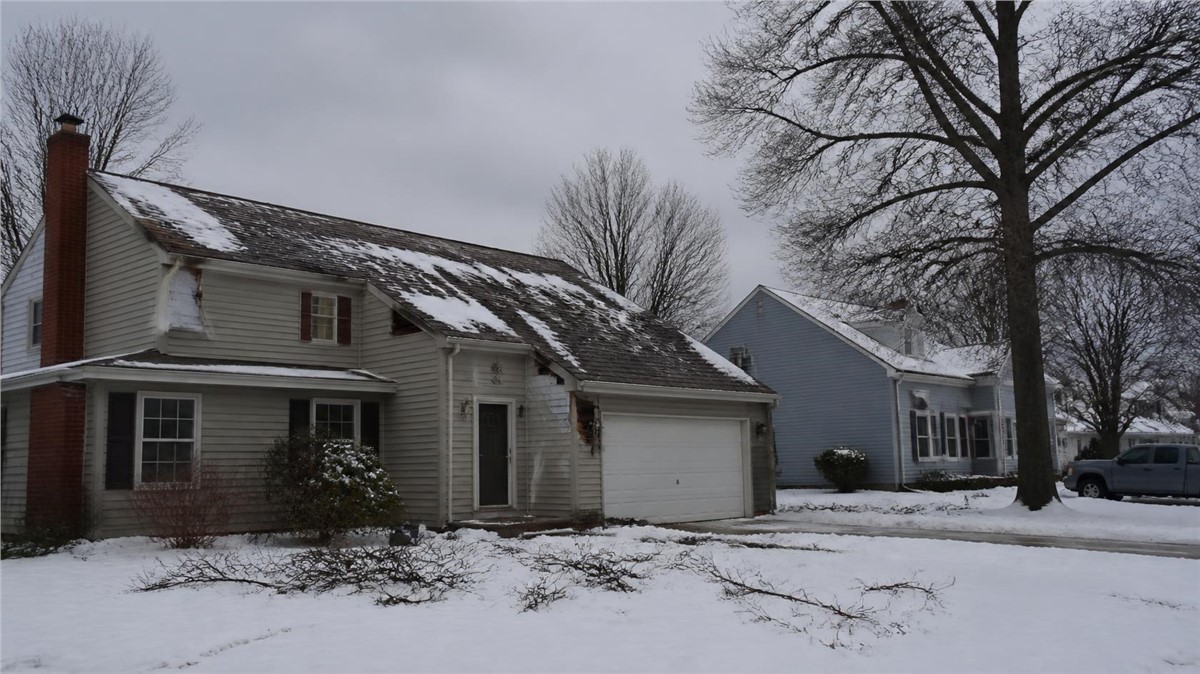
Winter storms can damage siding through wind, ice, branches, and debris. Damage may not be obvious until snow melts.
After severe weather, check for:
- Cracked siding
- Loose panels
- Broken corners
- Missing trim
- Dented gutters
- Torn screens
- New water stains
- Siding pieces on the ground
If storm damage may involve insurance, contact your insurance provider for policy-specific guidance.
Repair vs Replacement
Some winter siding damage can be repaired if the issue is limited.
Repair may make sense if:
- A few panels are cracked
- One trim area is damaged
- Siding is still secure
- Matching material is available
- No hidden moisture is present
Replacement may be better if:
- Damage appears across several walls
- Siding is brittle or warped
- Moisture is behind the siding
- Repairs no longer match
- Storm damage is widespread
- Problems keep returning
A professional inspection can help determine the best solution.
Why a Full Exterior Inspection Helps
Siding damage is often connected to gutters, roofing, windows, doors, flashing, fascia, soffit, trim, and drainage. A siding stain may come from gutter overflow. A window leak may come from flashing or trim problems. A loose panel may expose the wall system to moisture.
Huskie Exteriors provides roofing, siding, window, gutter, and storm damage restoration services, helping homeowners evaluate the full exterior system during winter weather.
Conclusion
Winter siding damage in Winnebago, IL can include cracks, gaps, loose panels, moisture stains, damaged trim, gutter-related staining, and lower siding damage from snow and ice. Checking siding during winter helps homeowners catch problems before moisture spreads behind the exterior surface.
If your home has cracked siding, open gaps, loose panels, water stains, soft trim, gutter overflow, or winter exterior concerns, Huskie Exteriors can inspect your home and recommend the right next step.
Contact Huskie Exteriors for professional roofing, siding, window, gutter, and storm damage services in Illinois and Wisconsin.
Subscribe to Huskie Exteriors's Blog





Comments