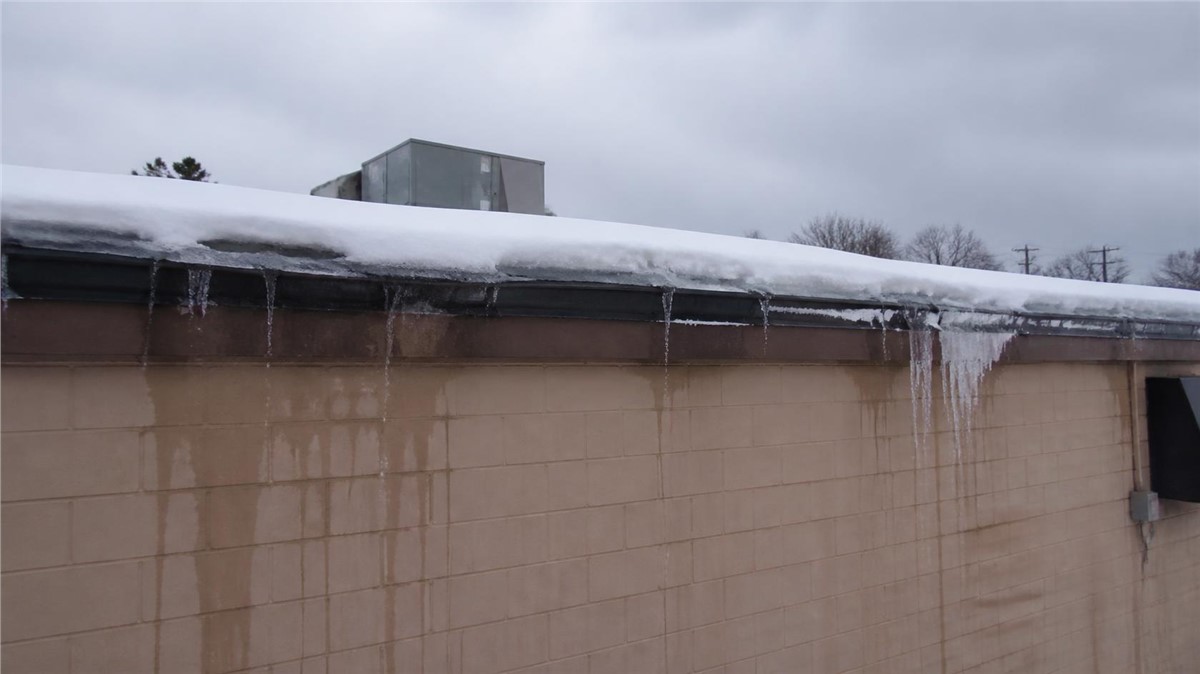
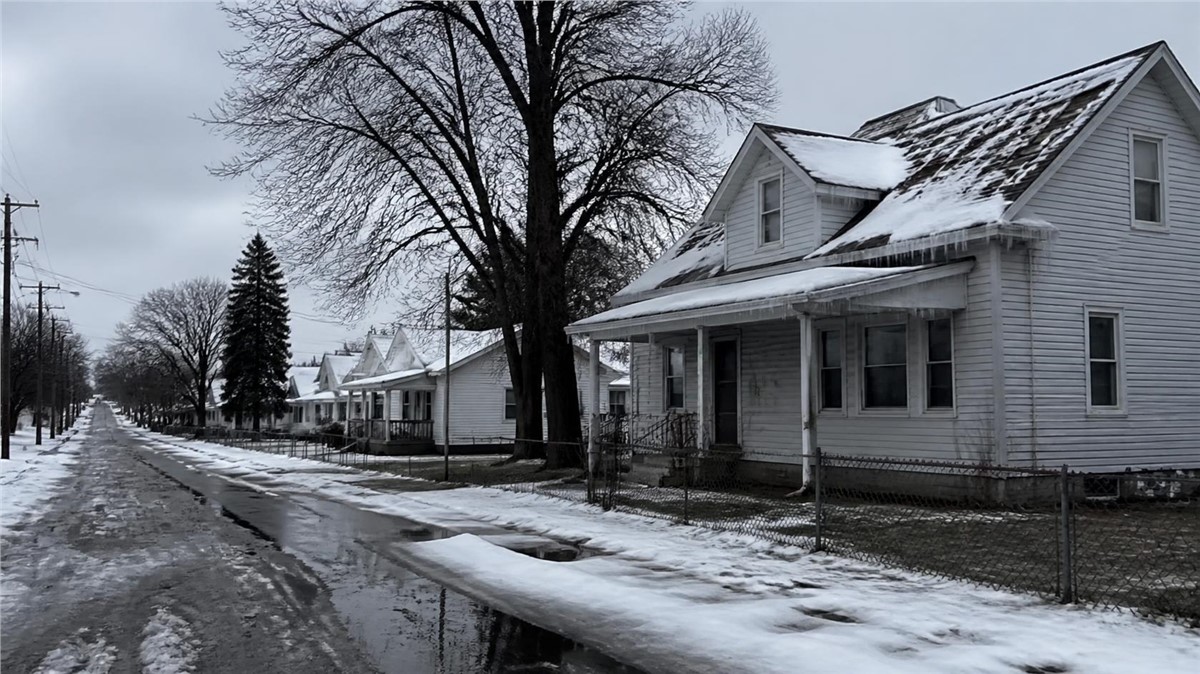
Winter can be hard on commercial roofing systems. Snow, ice, freezing temperatures, wind, and freeze-thaw cycles can create stress on roofing materials, flashing, gutters, drains, roof edges, and rooftop equipment. If a commercial roof already has weak spots, winter weather may expose them quickly.
For property owners and managers in Loves Park, IL, winter roof concerns should not be ignored. A roof leak can affect tenants, employees, customers, inventory, equipment, ceiling systems, and daily operations. Even minor water intrusion can become a larger issue when snow melts, refreezes, and continues to add moisture to the building.
This guide explains common winter commercial roof concerns and what property owners should check.
Snow Buildup on Commercial Roofs
Commercial roofs, especially flat and low-slope roofs, can hold snow longer than steep-slope roofs. Snow buildup may add weight and hide problem areas.
Watch for:
- Uneven snow accumulation
- Drifting near parapet walls
- Snow around rooftop equipment
- Blocked drains or scuppers
- Interior leaks after snowmelt
- Sagging ceiling areas
- Unusual sounds or structural concerns
Property owners should never send untrained staff onto a snow-covered roof. Snow removal and inspection should be handled safely by professionals.
Ice Formation and Freeze-Thaw Stress
Winter weather often includes repeated freezing and thawing. Water can melt during the day, refreeze overnight, and expand around cracks, seams, edges, and penetrations.
Freeze-thaw concerns may affect:
- Roof seams
- Flashing
- Roof edges
- Gutters
- Downspouts
- Drainage outlets
- Wall transitions
- Existing cracks or gaps
Small openings can become larger when water freezes and expands.
Roof Leaks During Winter
Winter roof leaks can come from snowmelt, ice buildup, damaged flashing, clogged drains, or worn roofing materials. Leaks may not appear directly below the problem area because water can travel through insulation, decking, and ceiling systems.
Interior warning signs include:
- Ceiling stains
- Wet ceiling tiles
- Damp drywall
- Musty odors
- Bubbling paint
- Water near light fixtures
- Wet insulation
- Moisture near exterior walls
If water appears near electrical fixtures, keep people away from the area and contact a professional.
Ponding Water After Snowmelt
Flat and low-slope commercial roofs need proper drainage. When snow melts, water should move toward drains, scuppers, gutters, or downspouts.
Ponding concerns include:
- Standing water after thawing
- Ice forming in low spots
- Debris around drains
- Repeated leaks below the same area
- Soft roof sections
- Staining near drainage points
Ponding water should be inspected because it may point to clogged drainage, roof slope issues, or surface wear.
Clogged Drains, Scuppers, and Gutters
Commercial roof drainage is critical in winter. If drains, scuppers, gutters, or downspouts are blocked by leaves, debris, snow, or ice, water may back up and enter the building.
Check for:
- Blocked roof drains
- Frozen downspouts
- Overflowing gutters
- Ice near scuppers
- Debris at drainage points
- Water backing up near roof edges
- Ice near entrances or sidewalks
Drainage problems can affect the roof, siding, foundation, walkways, and lower-level areas.
Flashing Problems
Flashing protects vulnerable roof transitions. Winter movement, ice, wind, and older sealant can create openings where water may enter.
Important flashing areas include:
- Parapet walls
- Roof edges
- HVAC curbs
- Pipe penetrations
- Vents
- Skylights
- Wall transitions
- Chimneys
- Roof valleys
Loose, cracked, rusted, or separated flashing should be inspected before repeated snowmelt causes interior damage.
Rooftop Equipment Concerns
Commercial roofs often have HVAC units, exhaust fans, vents, pipe supports, and service equipment. These areas need careful attention because they create openings and transitions in the roof system.
Winter concerns around equipment may include:
- Damaged flashing
- Ice around curbs
- Leaks below HVAC units
- Loose fasteners
- Cracked pipe boots
- Condensate drainage issues
- Damaged service walk pads
- Snow drifting around equipment
Leaks near rooftop equipment can affect offices, tenant spaces, storage areas, and ceiling systems below.
Gutter and Roof Edge Damage
Buildings with gutters should be checked carefully during winter. Ice, snow, and trapped debris can pull gutters away or damage fascia and roof edges.
Look for:
- Sagging gutters
- Ice-filled gutters
- Loose hangers
- Water behind gutters
- Leaking seams
- Bent downspouts
- Fascia damage
- Ice near walkways
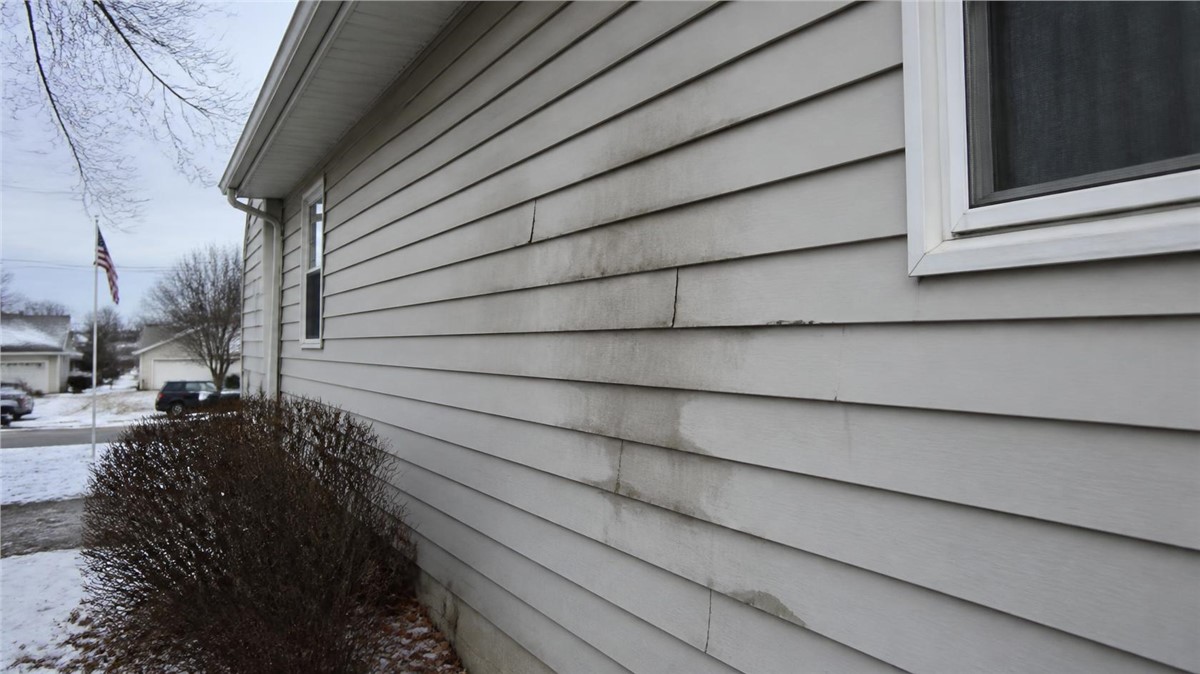
Gutter problems can send water down siding, toward entrances, or near the foundation.
Safety Around Entrances and Walkways
Winter roof drainage can create safety concerns around commercial properties. Water from gutters, scuppers, or downspouts may freeze near high-traffic areas.
Check drainage near:
- Main entrances
- Side doors
- Loading docks
- Sidewalks
- Parking lot edges
- Dumpster areas
- Delivery zones
- Lower-level entries
Water should not drain where employees, tenants, customers, or vendors walk.
Watch for Storm Damage
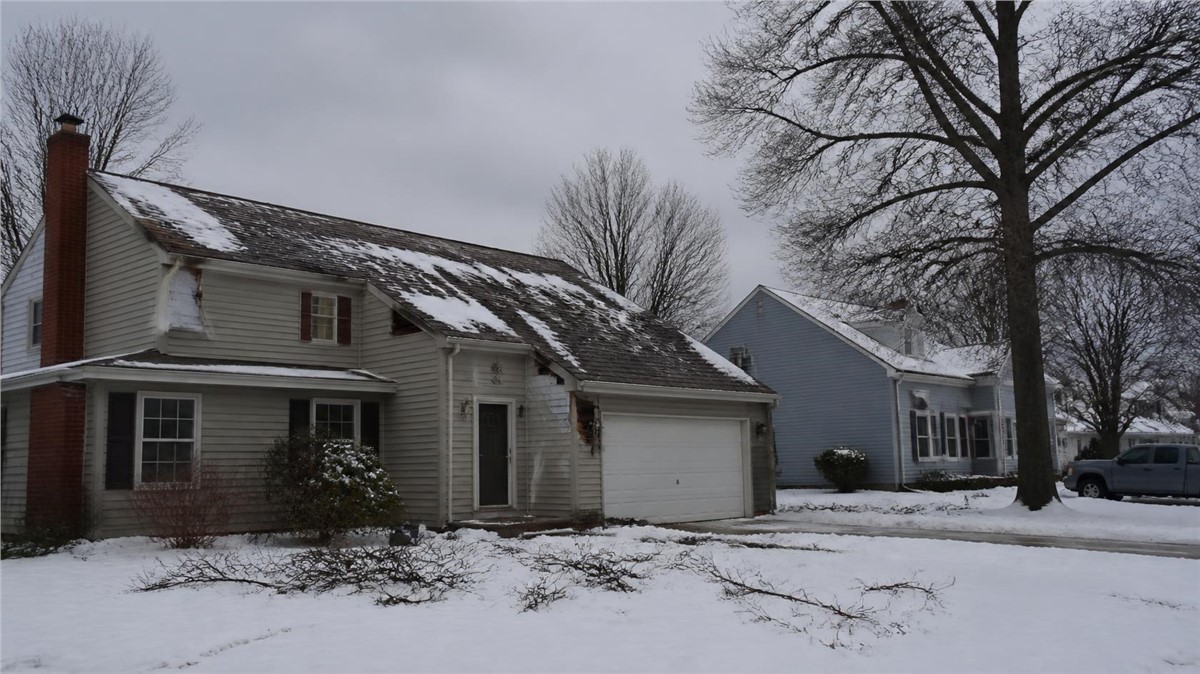
Winter wind, ice, and heavy snow can damage roof materials and exterior components. Storm damage may not be visible until snow melts.
After severe weather, check for:
- Loose roof materials
- Damaged flashing
- Missing shingles on pitched sections
- Dented metal components
- Loose gutters
- Interior stains
- Debris on the roof
- New leaks
If storm damage may involve insurance, contact your insurance provider for policy-specific guidance.
Document Winter Roof Issues
Good documentation helps property owners track recurring problems and plan repairs.
Helpful records include:
- Leak locations
- Photos of stains or damage
- Storm dates
- Snow or ice concerns
- Tenant or staff reports
- Maintenance notes
- Contractor inspection findings
- Repair invoices
Documentation can help identify patterns, such as leaks that only happen during snowmelt or wind-driven winter storms.
Repair vs Replacement
Some winter commercial roof concerns can be repaired if the damage is limited. Other issues may point to larger roof failure.
Repair may make sense if:
- One flashing area is loose
- One drain is clogged
- A small roof section is damaged
- A leak is isolated
- Gutters need minor adjustment
Replacement may be better if:
- Leaks keep returning
- Ponding water is widespread
- Materials are aging or brittle
- Several roof areas are failing
- Moisture has spread into insulation
- Repairs no longer last
A professional inspection can help property owners choose the right scope.
Why a Full Exterior Inspection Helps
Commercial roof leaks are often connected to gutters, siding, flashing, fascia, soffit, windows, doors, drainage, and rooftop equipment. A winter leak may come from roof edge damage, blocked drainage, failed flashing, or exterior wall concerns.
Huskie Exteriors provides roofing, siding, window, gutter, and storm damage restoration services, helping commercial property owners evaluate the full exterior during and after winter weather.
Conclusion
Winter commercial roof concerns in Loves Park, IL can include snow buildup, ice formation, leaks, ponding water, clogged drains, damaged flashing, gutter issues, and drainage problems near entrances. Addressing these issues early helps protect tenants, employees, customers, inventory, equipment, and daily operations.
If your commercial property has winter roof leaks, ceiling stains, ponding water, blocked drainage, damaged flashing, gutter problems, or storm-related exterior concerns, Huskie Exteriors can inspect your building and recommend the right next step.
Contact Huskie Exteriors for professional roofing, siding, window, gutter, and storm damage services in Illinois and Wisconsin.
Subscribe to Huskie Exteriors's Blog



Comments