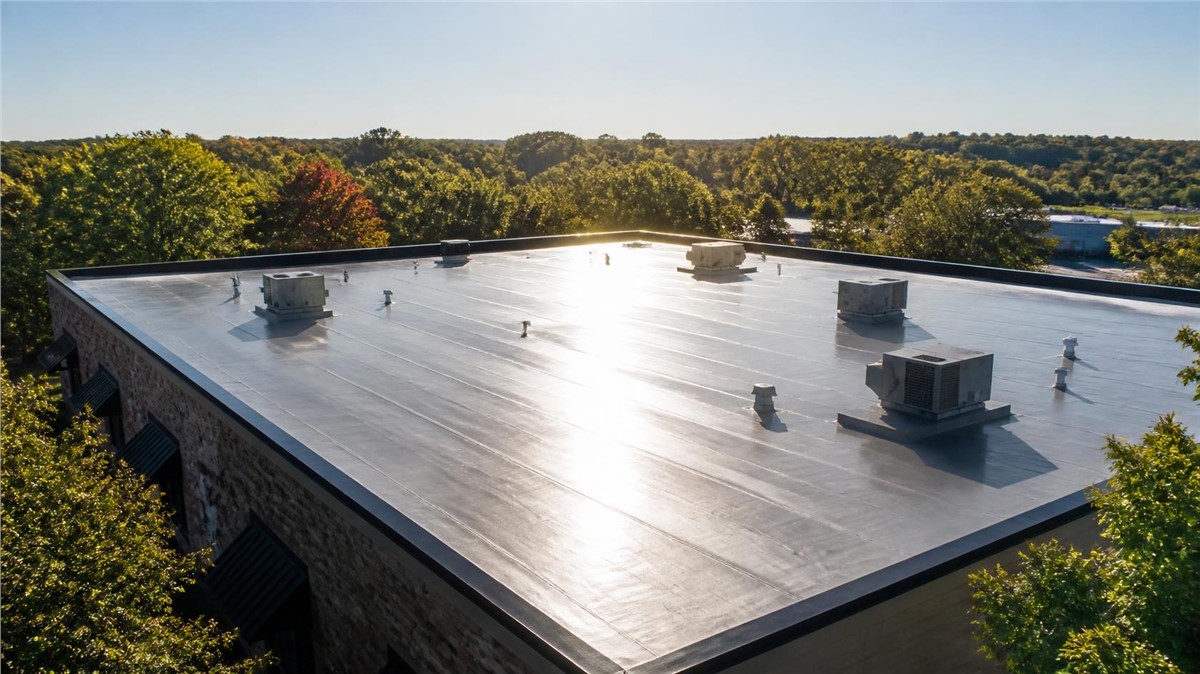
A commercial roof protects more than the building structure. It helps protect employees, customers, tenants, inventory, equipment, offices, records, and daily operations. When roof problems are ignored, a small leak can quickly lead to ceiling damage, wet insulation, interior disruption, safety concerns, and expensive repairs.
For businesses in Mukwonago, WI, preventive roof maintenance matters because Wisconsin weather can bring heavy rain, wind, hail, snow, ice, humidity, and freeze-thaw cycles. These conditions can wear down roofing materials, flashing, gutters, drains, and roof edges over time.
This guide explains what businesses should include in a preventive roof maintenance plan and why regular inspections are worth scheduling.
Why Preventive Roof Maintenance Matters
Commercial roof problems often begin small. A loose flashing detail, clogged drain, cracked seal, or minor puncture may not seem urgent at first. But once water enters the building, repairs can become more complicated.
Preventive maintenance can help reduce:
- Roof leaks
- Interior water stains
- Wet insulation
- Mold or mildew concerns
- Drainage problems
- Emergency repair needs
- Business disruptions
- Tenant complaints
- Premature roof replacement
Regular maintenance helps property owners catch issues before they spread.
Schedule Routine Roof Inspections
Commercial roofs should be inspected regularly, especially before and after harsh weather seasons. Spring and fall are useful times to check roof condition, drainage, flashing, and storm damage.
A roof inspection may review:
- Roof surface condition
- Seams and edges
- Flashing
- Gutters and drains
- Roof penetrations
- HVAC curbs
- Ponding water
- Interior moisture signs
Routine inspections give business owners a clearer picture of what needs immediate repair and what can be planned later.
Check After Severe Weather
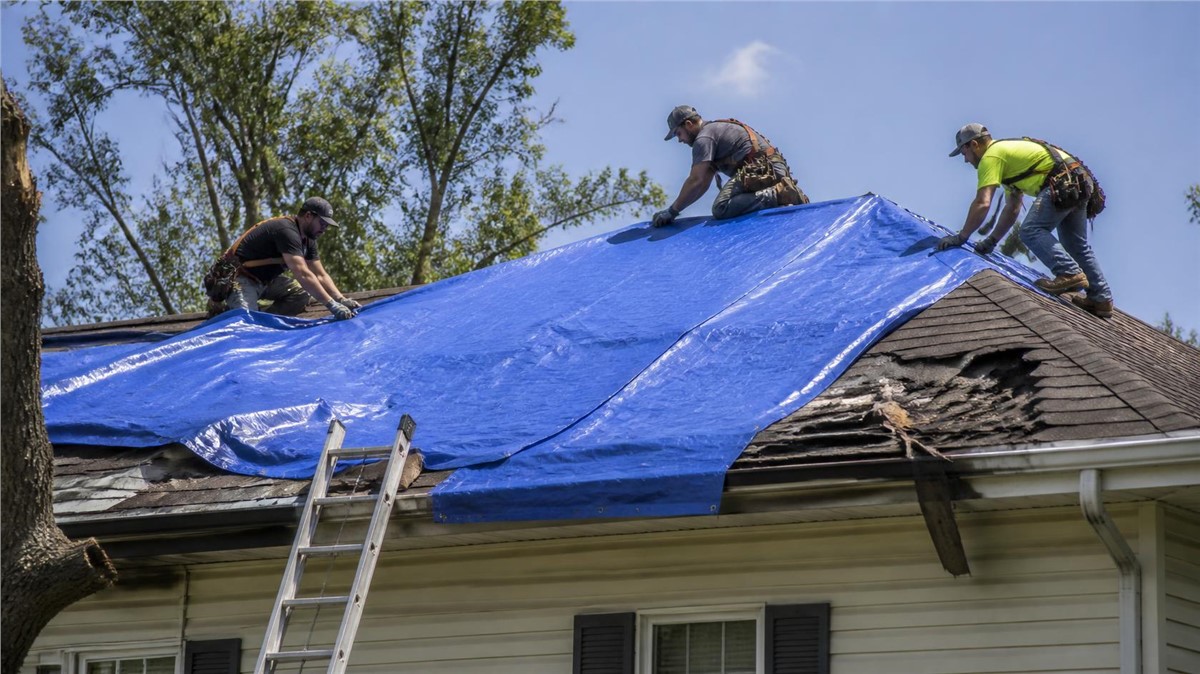
Wind, hail, heavy rain, and falling debris can damage a commercial roof quickly. Even if there is no active leak, storm damage should be checked before the next round of weather.
After storms, look for:
- Loose roof materials
- Dented vents or metal components
- Damaged flashing
- Clogged drains
- Debris on the roof
- Interior water stains
- Ponding water
- Damaged gutters or downspouts
A post-storm inspection can help identify problems that may not be visible from the ground.
Keep Gutters, Drains, and Scuppers Clear
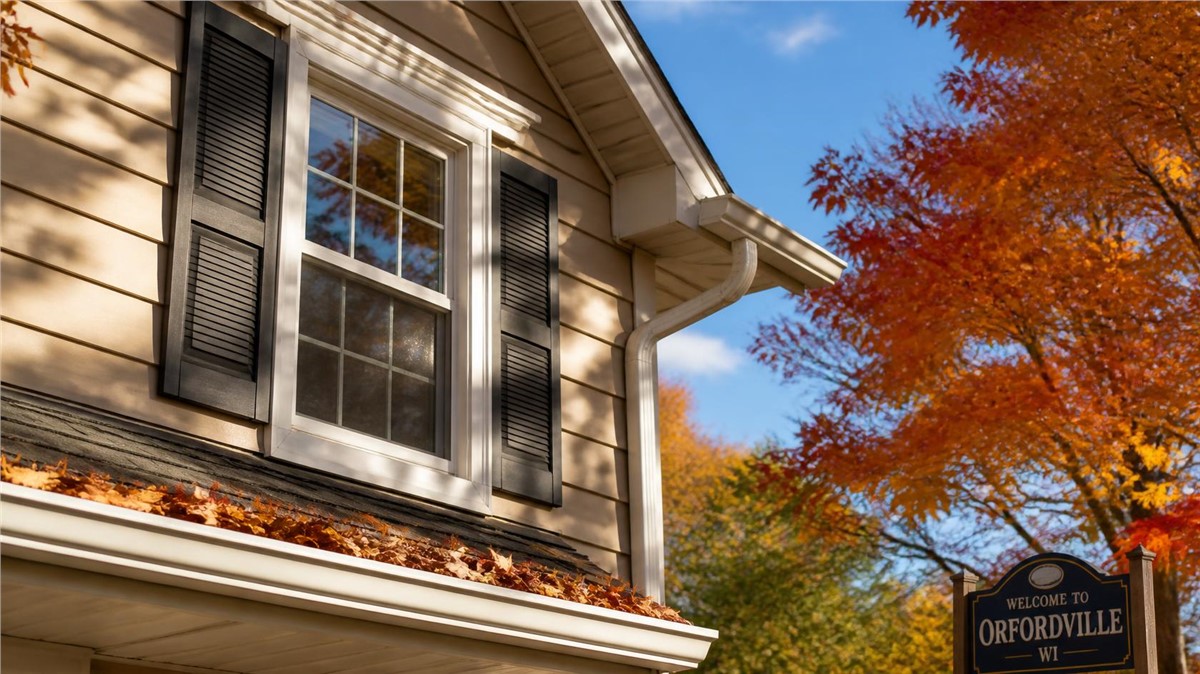
Drainage is one of the most important parts of commercial roof maintenance. If water cannot leave the roof properly, it may collect, back up, freeze, or enter vulnerable areas.
Drainage problems may involve:
- Clogged gutters
- Blocked downspouts
- Debris around drains
- Blocked scuppers
- Poor discharge areas
- Water pooling near entrances
- Ice buildup in winter
Keeping drainage paths clear helps protect the roof, siding, foundation, walkways, and interior spaces.
Watch for Ponding Water
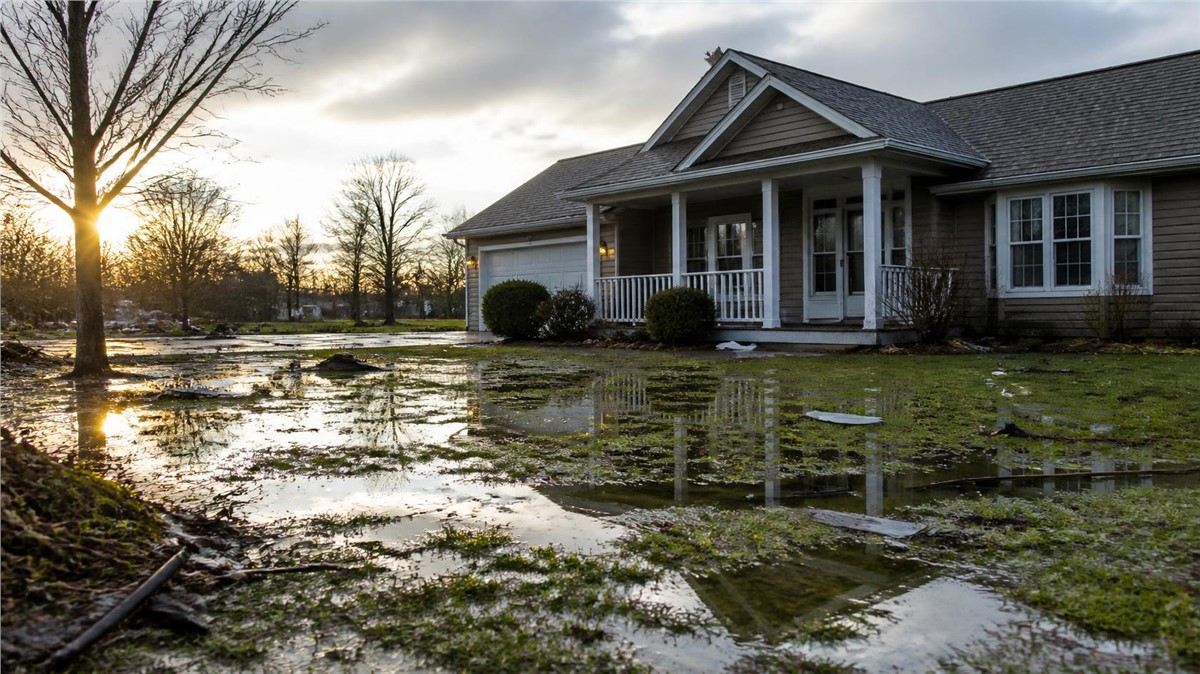
Flat and low-slope commercial roofs need careful drainage. Ponding water can stress roofing materials and increase leak risk over time.
Signs to watch for include:
- Standing water after rain
- Water stains around drains
- Debris collecting in low spots
- Soft roof areas
- Repeated leaks in the same section
- Ice forming in the same areas during winter
Ponding water should be inspected because it may point to drainage, slope, or roof surface issues.
Inspect Flashing and Roof Edges
Flashing protects vulnerable roof transitions. Roof edges, walls, curbs, vents, and penetrations are common places for leaks to begin.
Important areas include:
- Parapet walls
- Roof edges
- HVAC curbs
- Roof vents
- Pipe penetrations
- Chimneys
- Skylights
- Wall transitions
- Drain areas
Loose, cracked, rusted, or separated flashing should be repaired before water enters the building.
Review Rooftop Equipment Areas
Many commercial buildings have HVAC units, exhaust fans, vents, or other equipment on the roof. These areas need special attention because they create openings and transitions in the roof system.
Check around:
- HVAC curbs
- Equipment supports
- Service walk pads
- Pipe boots
- Exhaust vents
- Condensate lines
- Fasteners
- Flashing around equipment
Leaks near rooftop equipment may affect ceilings, offices, storage areas, or tenant spaces below.
Remove Debris Safely
Leaves, branches, trash, loose materials, and storm debris can trap moisture or block drainage. Debris can also hide punctures or damaged roof areas.
Debris should be removed from:
- Roof valleys
- Low-slope areas
- Drains
- Scuppers
- Gutters
- Downspouts
- Around rooftop equipment
- Near roof edges
Business owners should avoid sending staff onto the roof unless they are trained and equipped to do so safely.
Check Interior Warning Signs
Sometimes the first sign of a roof issue appears inside the building. Interior moisture should be documented and inspected quickly.
Warning signs include:
- Ceiling stains
- Wet ceiling tiles
- Damp drywall
- Musty odors
- Bubbling paint
- Wet insulation
- Water near light fixtures
- Moisture around exterior walls
If water appears near electrical areas, keep people away from the area and contact a professional.
Document Maintenance and Repairs
Good documentation helps business owners, property managers, tenants, insurance providers, and contractors understand the roof’s history.
Helpful records include:
- Inspection dates
- Photos of roof condition
- Storm damage notes
- Leak reports
- Repair invoices
- Maintenance receipts
- Warranty details
- Contractor recommendations
Consistent records also make it easier to plan future budgets and replacement timelines.
Plan Repairs Before They Become Emergencies
Preventive maintenance works best when small issues are repaired early. Waiting until water enters the building can increase costs and disrupt operations.
Early repairs may include:
- Flashing repair
- Drain clearing
- Seam repair
- Roof patching
- Gutter repair
- Downspout adjustment
- Roof edge repair
- Vent or pipe boot repair
A planned repair is usually easier to manage than an emergency leak during business hours.
Budget for Roof Maintenance
Commercial roof maintenance should be part of the property’s annual budget. A small maintenance plan can help avoid rushed decisions later.
Budget items may include:
- Seasonal inspections
- Drainage cleaning
- Minor repairs
- Storm damage inspections
- Flashing maintenance
- Gutter repairs
- Roof edge work
- Long-term replacement planning
Budgeting ahead helps businesses protect the building without waiting for emergencies.
Why a Full Exterior Inspection Helps
Roof maintenance is connected to gutters, siding, windows, flashing, fascia, soffit, drainage, and interior moisture signs. A roof leak may be caused by blocked drainage, damaged flashing, gutter overflow, or roof edge problems.
A full exterior inspection may include:
- Roofing and roof edges
- Gutters and downspouts
- Siding and wall panels
- Windows and doors
- Flashing and trim
- Fascia and soffit
- Interior moisture signs
- Storm damage areas
Huskie Exteriors provides roofing, siding, window, gutter, and storm damage restoration services, helping business owners evaluate the full exterior system.
Conclusion
Preventive roof maintenance for businesses in Mukwonago, WI helps protect the building, daily operations, employees, customers, tenants, and interior spaces. By scheduling inspections, clearing drainage paths, checking flashing, reviewing rooftop equipment, documenting issues, and repairing small problems early, property owners can reduce leaks and avoid unnecessary disruptions.
If your business property has roof leaks, ponding water, damaged flashing, clogged drains, storm damage, gutter issues, or interior moisture concerns, Huskie Exteriors can inspect your exterior and recommend the right next step.
Contact Huskie Exteriors for professional roofing, siding, window, gutter, and storm damage services in Illinois and Wisconsin.
Subscribe to Huskie Exteriors's Blog



Comments