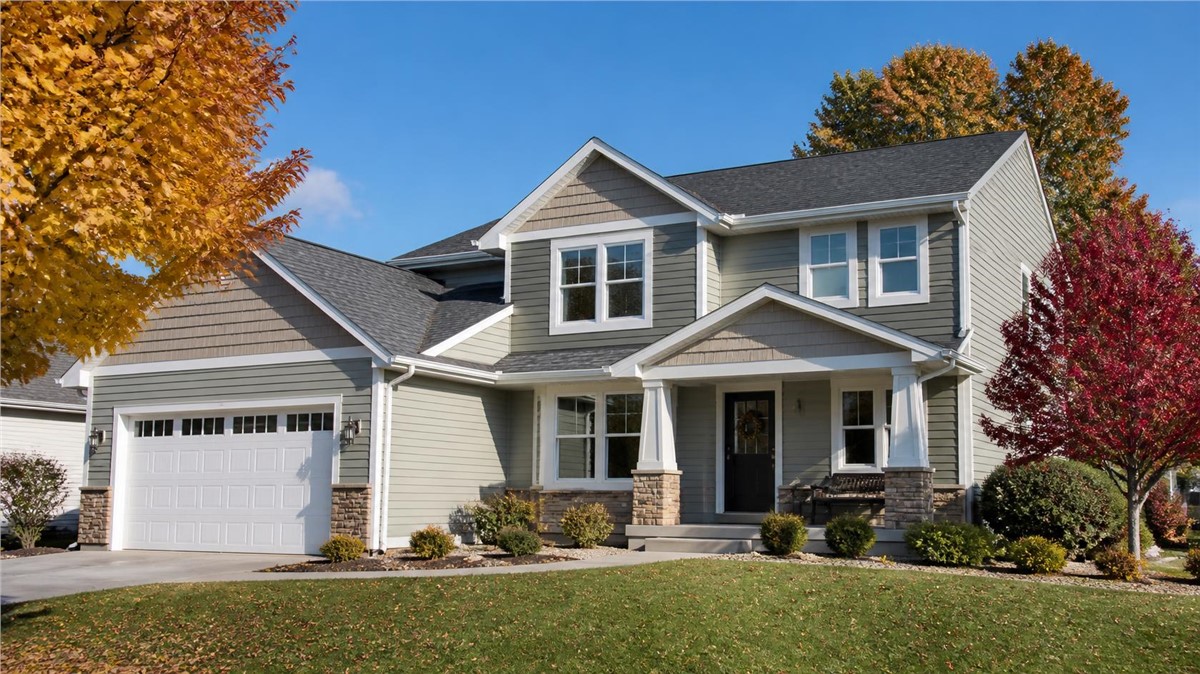
Siding does more than improve curb appeal. It protects the walls of the home from wind, rain, snow, ice, humidity, pests, and daily weather exposure. When siding starts failing, homeowners may notice cracks, gaps, fading, warping, loose panels, soft trim, or moisture stains.
For homeowners in Burlington, WI, siding replacement decisions should account for local weather. Wisconsin homes deal with heavy rain, wind, hail, snow, ice, sun exposure, and freeze-thaw cycles. These conditions can wear down siding over time and make small problems worse.
This guide answers common siding replacement questions homeowners often ask before starting a project.
When Should Siding Be Replaced?
Siding may need replacement when damage is widespread or repairs no longer provide lasting protection.
Common warning signs include:
- Cracked siding
- Loose panels
- Warped sections
- Open seams
- Broken corners
- Soft trim
- Repeated mildew
- Water stains
- Fading across large areas
- Storm damage on multiple walls
If only one small section is damaged, repair may be enough. If several areas are failing, replacement may be the better long-term option.
Can Damaged Siding Be Repaired Instead?
Yes, some siding problems can be repaired. Repair may make sense when the damage is isolated and matching material is available.
Repair may work for:
- A few cracked panels
- One loose section
- Minor trim damage
- Small storm impact areas
- Limited corner damage
- Localized moisture concerns
Replacement may be better when siding is brittle, faded, discontinued, or damaged across several walls.
What Siding Materials Should Homeowners Compare?
Different siding materials offer different benefits, maintenance needs, and appearance options.
Common siding options include:
- Vinyl siding
- Insulated vinyl siding
- Fiber cement siding
- Engineered wood siding
- Composite siding
- Wood siding
Homeowners should compare durability, maintenance, cost, color options, warranty, weather resistance, and how each material fits the home’s style.
Why Does House Wrap Matter?
House wrap is installed behind siding to help protect the wall system. Siding sheds most water, but wind-driven rain can still get behind panels through seams, corners, trim, and openings.
House wrap helps with:
- Moisture control
- Air movement reduction
- Wall protection
- Weather resistance
- Long-term siding performance
During siding replacement, contractors may inspect the house wrap and wall sheathing for hidden damage.
Why Are Flashing and Trim Details Important?
Flashing and trim details help protect vulnerable areas where water is more likely to enter. These areas include windows, doors, rooflines, corners, utility openings, and siding transitions.
Poor details may lead to:
- Window leaks
- Soft trim
- Interior stains
- Water behind siding
- Drafts
- Repeated repairs
A good siding project should focus on installation details, not only panel appearance.
Should Gutters Be Checked During Siding Replacement?
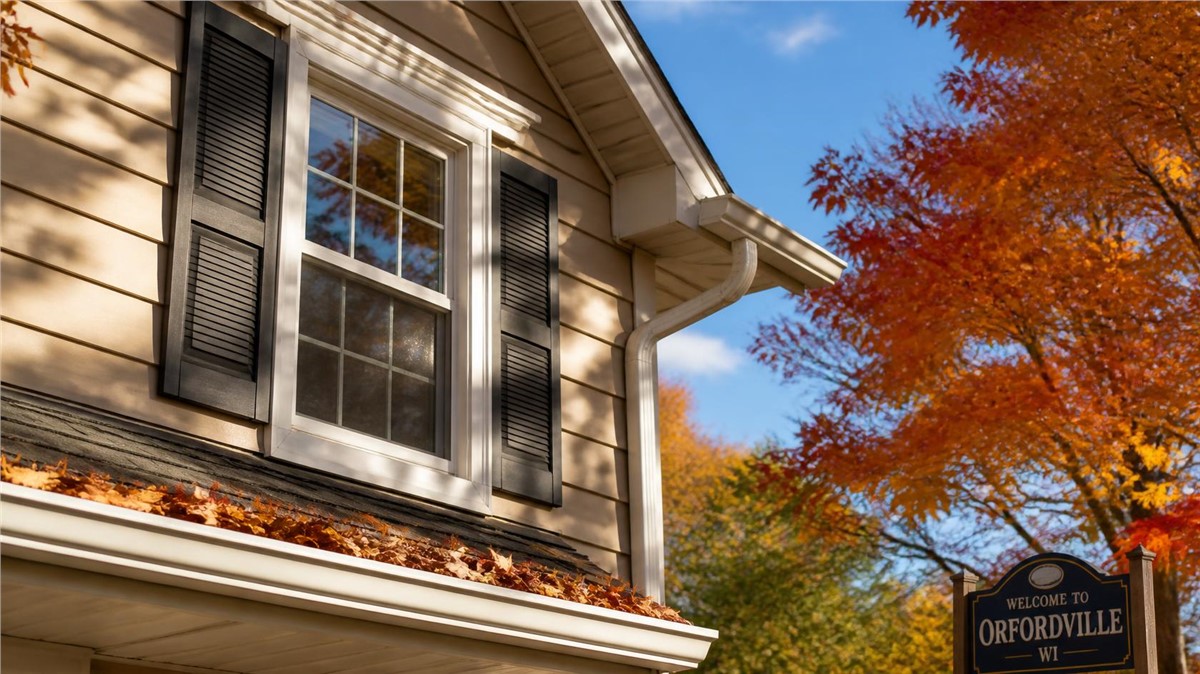
Yes. Gutters and siding work together. If gutters overflow, leak, or drain poorly, water may run down the siding and damage trim, fascia, windows, and foundation areas.
Before siding replacement, check for:
- Overflowing gutters
- Sagging sections
- Loose downspouts
- Water behind gutters
- Short downspout extensions
- Stains below rooflines
New siding should be protected by a gutter system that moves water properly.
Can Siding Replacement Improve Curb Appeal?
Yes. New siding can change the look of the entire home. Color, texture, trim, window details, gutters, fascia, soffit, and roof color all affect the finished appearance.
Homeowners should compare:
- Siding color
- Trim color
- Gutter color
- Window frame color
- Front door color
- Accent areas
- Material texture
A coordinated exterior plan can make the home look cleaner and more updated.
How Long Does Siding Replacement Take?
The timeline depends on the size of the home, siding material, weather, repairs needed, and project scope. Homes with damaged sheathing, complex trim, many windows, or multiple stories may take longer.
Factors that affect timing include:
- Tear-off work
- Weather delays
- Material availability
- Hidden moisture damage
- Trim replacement
- House wrap work
- Cleanup
A contractor should explain the expected schedule before work begins.
What Should Be Included in a Siding Estimate?
A siding estimate should clearly explain what is included.
Homeowners should ask about:
- Siding material
- Color and profile
- House wrap
- Flashing
- Trim details
- Corner pieces
- Window and door work
- Removal of old siding
- Hidden damage repairs
- Cleanup
- Warranty
A detailed estimate helps homeowners compare quality, not just price.
Does Siding Replacement Help With Energy Comfort?
Siding replacement may help improve comfort when combined with proper house wrap, air sealing, insulation options, and careful installation. Insulated siding may also be worth comparing depending on the home’s needs.
Comfort concerns may include:
- Drafts
- Cold wall areas
- Moisture near windows
- Loose siding
- Poor air sealing
- Aging exterior materials
Siding alone does not solve every energy issue, but it can be part of a better exterior system.
Should Windows Be Replaced at the Same Time?
Not always, but it is worth discussing. Windows and siding connect at trim, flashing, and wall openings. If windows are old, drafty, fogged, or leaking, replacing them during siding work may reduce future rework.
Consider window replacement if:
- Windows are drafty
- Glass is fogged between panes
- Frames are damaged
- Water stains appear below windows
- Operation is difficult
- Exterior trim is failing
A full exterior inspection can help homeowners decide.
What Happens If Hidden Damage Is Found?
When old siding is removed, contractors may find moisture damage, soft sheathing, old leak paths, pest damage, or missing house wrap. These issues should be addressed before new siding is installed.
Hidden damage may require:
- Sheathing repair
- Trim replacement
- Flashing correction
- House wrap installation
- Moisture source repair
Covering hidden damage with new siding can lead to future problems.
How Should Homeowners Prepare for Siding Replacement?
Before the project starts, homeowners can prepare the property to help work go smoothly.
Helpful steps include:
- Move outdoor furniture
- Clear items near exterior walls
- Trim landscaping if needed
- Remove fragile wall decor indoors
- Keep vehicles away from work areas
- Secure pets
- Discuss access needs with the contractor
Good preparation helps crews work safely and efficiently.
Why a Full Exterior Inspection Helps
Siding replacement is connected to windows, gutters, roofing, fascia, soffit, flashing, trim, house wrap, and drainage. A full inspection helps identify whether the home only needs siding or whether other exterior issues should be addressed too.
Huskie Exteriors provides roofing, siding, window, gutter, and storm damage restoration services, helping homeowners evaluate the full exterior system before making replacement decisions.
Conclusion
Siding replacement in Burlington, WI is a smart topic to review when siding is cracked, loose, faded, warped, storm-damaged, or showing signs of moisture problems. Homeowners should compare materials, installation details, house wrap, flashing, trim, gutters, warranties, and long-term exterior protection before choosing a contractor.
If your home has damaged siding, loose panels, water stains, storm damage, failing trim, or concerns about the exterior wall system, Huskie Exteriors can inspect your home and recommend the right next step.
Contact Huskie Exteriors for professional roofing, siding, window, gutter, and storm damage services in Illinois and Wisconsin.
Subscribe to Huskie Exteriors's Blog





Comments