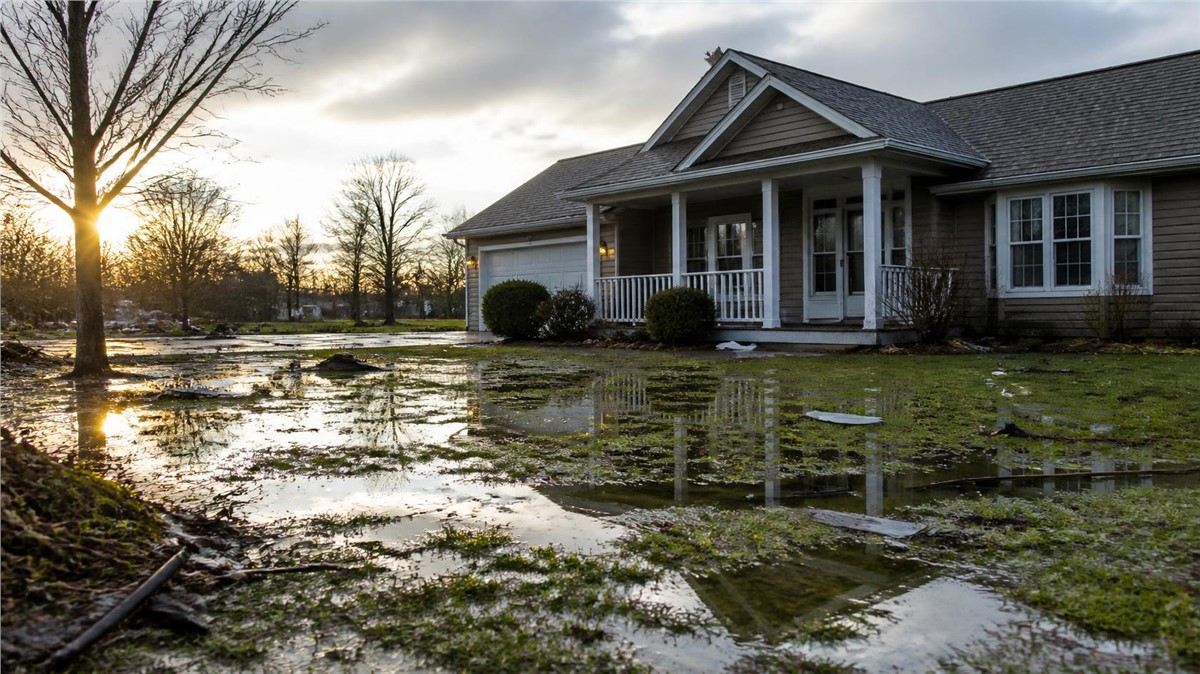
Severe storms can leave behind more damage than homeowners realize. Wind, hail, heavy rain, falling branches, and sudden temperature changes can affect the roof, siding, gutters, windows, trim, fascia, soffit, and drainage around the home.
For homeowners in Darien, WI, exterior inspections are especially important after strong storms because Wisconsin weather can continue to bring rain, humidity, snow, ice, and freeze-thaw cycles after the first damage occurs. A loose shingle, small siding crack, or dented gutter may not seem urgent, but it can create water problems later.
This guide explains when to request an exterior inspection after a severe storm and what areas should be checked.
Why Exterior Inspections Matter After Storms
Storm damage does not always cause an immediate leak. Sometimes the home looks fine from the yard, but roofing materials, flashing, siding seams, or gutter connections may be weakened.
An exterior inspection can help identify:
- Roof damage
- Siding cracks or loose panels
- Gutter and downspout problems
- Flashing issues
- Fascia and soffit damage
- Window and door leaks
- Drainage concerns
- Interior moisture signs
Finding damage early can help prevent future water intrusion and more expensive repairs.
Request an Inspection After High Winds
High winds can lift shingles, loosen siding, pull gutters away, and damage flashing. Even if materials settle back into place, they may no longer seal properly.
Call for an inspection if you notice:
- Missing shingles
- Shingles in the yard
- Lifted roof areas
- Loose siding panels
- Rattling siding during wind
- Loose soffit
- Damaged roof vents
- Gutters pulling away
Wind damage should be checked before the next rainstorm pushes water into exposed areas.
Request an Inspection After Hail
Hail damage can be difficult to see from the ground. It may bruise shingles, crack siding, dent gutters, damage roof vents, or loosen seals around windows and flashing.
Warning signs include:
- Dented gutters
- Dented downspouts
- Cracked siding
- Torn screens
- Granules near downspouts
- Hail marks on trim
- Roof vent dents
- New leaks after the storm
Even small hail damage can weaken exterior materials and lead to future problems.
Request an Inspection If You See Roof Leaks
A roof leak after a storm should never be ignored. Water may travel through the attic, insulation, rafters, or drywall before becoming visible indoors.
Look for:
- Ceiling stains
- Dripping water
- Damp drywall
- Bubbling paint
- Wet attic insulation
- Musty odors
- Water near light fixtures
If water appears near electrical areas, avoid touching the area and contact a professional.
Request an Inspection If Gutters Overflow
Gutters help move water away from the roofline, siding, foundation, and landscaping. After a storm, debris can clog gutters or downspouts and create overflow.
Gutter problems may include:
- Water spilling over the edge
- Sagging gutter sections
- Loose hangers
- Leaking seams
- Water behind gutters
- Blocked downspouts
- Downspouts draining too close to the home
Poor gutter drainage can damage fascia, soffit, siding, and foundation areas.
Request an Inspection If Siding Looks Damaged
Siding protects the wall system from wind-driven rain and moisture. Storms can crack, loosen, dent, or puncture siding.
Check for:
- Cracked panels
- Loose siding
- Open seams
- Broken corners
- Warped sections
- Siding pieces in the yard
- Water stains
- Damage near windows or doors
Small siding openings can allow moisture behind the exterior wall surface.
Request an Inspection After Fallen Branches
Fallen branches can damage the roof, gutters, siding, windows, fascia, and soffit. Even if the branch has been removed, impact damage may remain.
Watch for:
- Broken shingles
- Roof punctures
- Bent gutters
- Cracked siding
- Damaged trim
- Loose soffit panels
- Window or screen damage
- Debris on the roof
Do not climb onto the roof to remove large debris or inspect damage yourself.
Check Windows and Doors
Storm damage near windows and doors may appear as leaks, drafts, cracked trim, failed caulking, or water stains.
Look for:
- Moisture on window sills
- Water stains below windows
- Torn screens
- Loose trim
- Fogging between panes
- Damp drywall
- Door threshold moisture
If water appears around windows after a storm, the surrounding siding and flashing should also be checked.
What Homeowners Can Check Safely
Homeowners can do a simple ground-level inspection after the storm has passed.
From the ground, check for:
- Missing shingles
- Dented gutters
- Loose downspouts
- Cracked siding
- Fallen branches
- Water pooling near the foundation
- Debris near downspouts
- Interior water stains
Avoid climbing ladders or walking on the roof, especially if surfaces are wet, damaged, or unstable.
Document Storm Damage
Documentation can help homeowners stay organized during repair planning or if insurance may be involved.
Helpful records include:
- Storm date
- Photos of visible damage
- Interior leak photos
- Photos of gutter or siding damage
- Notes about when water appeared
- Contractor inspection findings
- Temporary repair receipts
If storm damage may involve insurance, contact your insurance provider for policy-specific guidance.
Repair vs Replacement After a Storm
Not every storm-damaged exterior needs full replacement. Some issues can be repaired if damage is isolated and the surrounding materials are still in good condition.
Repair may make sense if:
- A few shingles are missing
- One gutter section is damaged
- Siding damage is limited
- Flashing can be repaired
- No hidden moisture is present
Replacement may be better if:
- Damage is widespread
- Leaks keep returning
- Roofing or siding materials are aging
- Gutters are failing in multiple areas
- Repairs no longer provide lasting protection
A professional inspection can help determine the right scope.
Why a Full Exterior Inspection Helps
Storm damage can affect several systems at once. A roof issue may connect to gutter damage. A siding crack may affect window trim. Gutter overflow may damage fascia, soffit, siding, and foundation areas.
A full exterior inspection may include:
- Roofing and shingles
- Gutters and downspouts
- Siding and trim
- Windows and doors
- Flashing
- Fascia and soffit
- Attic moisture signs
- Foundation drainage
- Storm damage areas
Huskie Exteriors provides roofing, siding, window, gutter, and storm damage restoration services, helping homeowners evaluate the full exterior after severe weather.
Conclusion
After a severe storm in Darien, WI, homeowners should request an exterior inspection when they notice roof damage, siding cracks, gutter overflow, window leaks, fallen branches, interior stains, or any sign that water may be entering the home. Some storm damage is obvious, but hidden issues can appear later during rain, snowmelt, or freeze-thaw weather.
If your home has storm damage, roof concerns, damaged siding, leaking gutters, water stains, or exterior moisture issues, Huskie Exteriors can inspect your exterior and recommend the right next step.
Contact Huskie Exteriors for professional roofing, siding, window, gutter, and storm damage services in Illinois and Wisconsin.
Subscribe to Huskie Exteriors's Blog






Comments