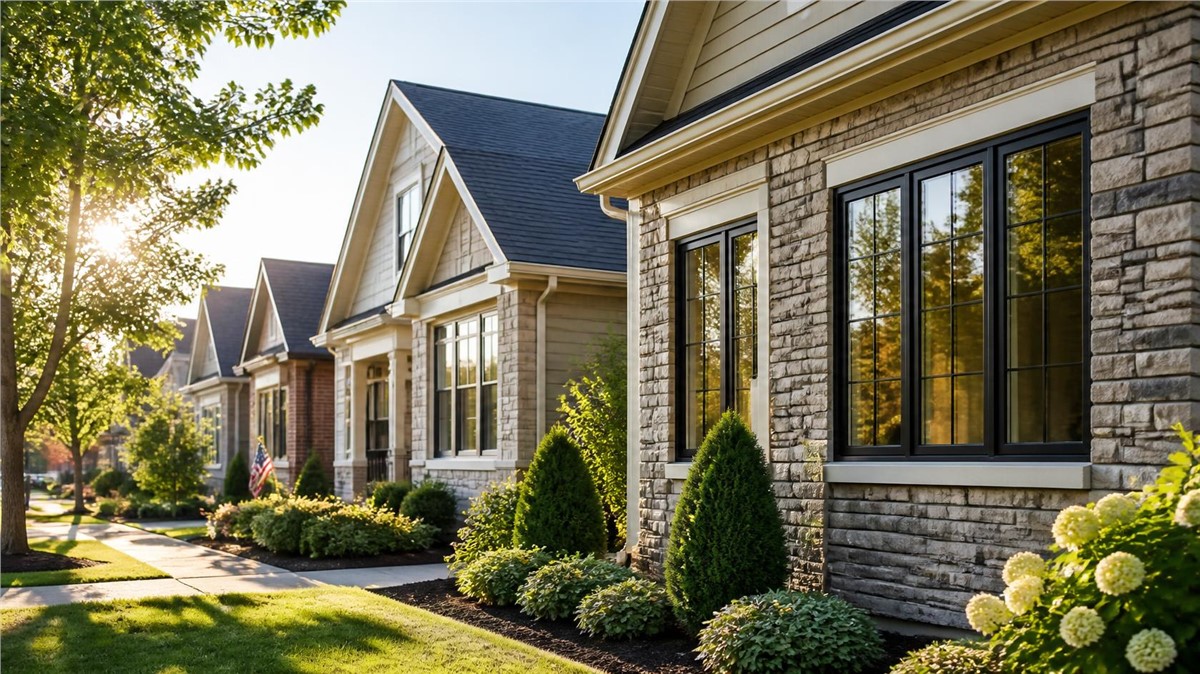
Replacing windows is a great opportunity to improve both the look and function of your home. The right window style can make rooms brighter, reduce drafts, improve ventilation, update curb appeal, and help the home feel more comfortable throughout the year.
For homeowners in Sterling, IL, window replacement should also account for Midwest weather. Cold winters, humid summers, heavy rain, wind, snow, ice, and freeze-thaw cycles can affect window seals, frames, trim, flashing, and nearby siding over time.
This guide explains practical window styles for Sterling homes and how to choose the right replacement option for each part of the house.
Why Window Style Matters
Window style affects more than appearance. It can change how a room feels, how much air flows through the space, how much natural light enters, and how easy the window is to clean or operate.
Window style can affect:
- Ventilation
- Energy performance
- Natural light
- Curb appeal
- Room layout
- Cleaning access
- Privacy
- Exterior design
- Maintenance needs
- Weather protection
Choosing the right style helps homeowners get more value from a window replacement project.
Double-Hung Windows
Double-hung windows are one of the most common window styles for homes. They have two sashes that move up and down, giving homeowners flexibility for airflow and cleaning.
Double-hung windows may be a good fit for:
- Bedrooms
- Living rooms
- Dining rooms
- Hallways
- Older homes
- Traditional home styles
Benefits may include:
- Classic appearance
- Easy ventilation control
- Good fit for many homes
- Tilt-in cleaning options on many models
- Flexible placement throughout the house
They are a practical choice when homeowners want a familiar style that works in many rooms.
Single-Hung Windows
Single-hung windows look similar to double-hung windows, but usually only the lower sash opens. They can be a cost-conscious option for certain areas of the home.
Single-hung windows may work well for:
- Bedrooms
- Guest rooms
- Rental properties
- Utility rooms
- Budget-focused replacement projects
They may offer:
- Simple operation
- Traditional appearance
- Lower maintenance
- Good basic functionality
Homeowners should compare cleaning access, airflow, and long-term convenience before choosing single-hung over double-hung.
Casement Windows
Casement windows open outward using a crank. They are hinged on one side and can catch breezes well, making them useful for ventilation.
Casement windows may be a good fit for:
- Kitchens
- Bathrooms
- Bedrooms
- Hard-to-reach areas
- Rooms needing more airflow
- Modern or updated home styles
Benefits may include:
- Strong ventilation
- Clear outdoor views
- Tight seal when closed
- Easy operation with a crank
- Good fit above counters or sinks
Because they open outward, homeowners should make sure there is enough exterior clearance.
Sliding Windows
Sliding windows move side to side along a track. They are often wider than they are tall, making them practical for certain rooms and wall openings.
Sliding windows may work well in:
- Basements
- Family rooms
- Bedrooms
- Sunrooms
- Wide wall openings
- Contemporary home styles
Benefits may include:
- Simple operation
- Good horizontal views
- Easy airflow control
- Space-saving design
- Practical use in wider rooms
The track should be maintained so the window continues to slide smoothly.
Picture Windows
Picture windows do not open. They are fixed windows designed to provide natural light and clear views.
Picture windows may be a good fit for:
- Living rooms
- Dining rooms
- Stairways
- Front-facing walls
- Rooms with scenic views
- Areas where ventilation is not needed
Benefits may include:
- Large glass area
- Clean appearance
- More natural light
- Clear outdoor views
- Strong curb appeal
Because picture windows do not open, they are often paired with operable windows nearby.
Bay Windows
Bay windows extend outward from the home and usually include a large center window with angled side windows. They can add space, light, and character.
Bay windows may work well in:
- Living rooms
- Dining areas
- Front rooms
- Reading areas
- Homes needing stronger curb appeal
Benefits may include:
- More natural light
- Added interior ledge space
- Improved exterior character
- Wider outdoor views
- A more open room feel
Bay windows should be installed carefully because they involve structure, trim, flashing, and exterior finishing details.
Bow Windows
Bow windows are similar to bay windows but use several window sections to create a curved appearance. They can create a softer, more elegant look.
Bow windows may be a good fit for:
- Front rooms
- Formal living spaces
- Sitting areas
- Homes with traditional styling
- Larger exterior openings
Benefits may include:
- Elegant appearance
- Broad outdoor views
- More natural light
- Added architectural detail
- Strong curb appeal
Because bow windows are larger and more complex, homeowners should discuss installation details and support requirements.
Awning Windows
Awning windows are hinged at the top and open outward from the bottom. They are often used where privacy, ventilation, or weather protection matters.
Awning windows may work well for:
- Bathrooms
- Basements
- Kitchens
- Higher wall placements
- Rooms needing ventilation during light rain
- Areas where privacy is important
Benefits may include:
- Ventilation
- Compact size options
- Good privacy placement
- Useful above or below other windows
- Protection from some light rain when open
Exterior clearance should be considered before installation.
Garden Windows
Garden windows extend outward and often include shelves for plants or decor. They are commonly used in kitchens.
Garden windows may be a good fit for:
- Kitchen sink areas
- Breakfast nooks
- Plant displays
- Homes needing more natural light
- Smaller spaces that need visual interest
Benefits may include:
- Extra light
- Display space
- Added character
- A more open kitchen feel
- Room for small plants or herbs
Like bay and bow windows, garden windows need proper flashing and sealing to prevent moisture problems.
Specialty Shape Windows
Specialty windows include custom shapes such as arches, circles, half-rounds, triangles, and geometric designs. They are often used to add character or match an existing home design.
Specialty windows may be used for:
- Entryways
- Stairwells
- Gables
- Accent walls
- Historic-style homes
- Custom exterior designs
Benefits may include:
- Unique appearance
- More natural light
- Architectural detail
- Better design matching
- Strong visual interest
These windows may not open, so homeowners should consider ventilation needs in the room.
Basement Windows
Basement windows are important for light, ventilation, safety, and moisture control. In Sterling homes, basement areas may be affected by heavy rain, snowmelt, and foundation drainage.
Basement window concerns include:
- Drafts
- Moisture around frames
- Hard operation
- Cracked glass
- Poor sealing
- Water pooling outside
- Rusted or damaged frames
- Window well drainage
Replacement basement windows should be chosen with moisture protection and proper installation in mind.
Choosing Windows by Room
Different rooms need different window features. Homeowners should think about how each room is used before selecting a style.
For bedrooms, consider:
- Ventilation
- Privacy
- Easy operation
- Comfort
For kitchens, consider:
- Casement windows
- Garden windows
- Easy opening above counters
- Natural light
For living rooms, consider:
- Picture windows
- Bay windows
- Bow windows
- Large double-hung windows
For bathrooms, consider:
- Privacy glass
- Awning windows
- Ventilation
- Moisture resistance
For basements, consider:
- Proper sealing
- Drainage
- Ventilation
- Safety requirements where applicable
Energy Efficiency Considerations
Window style is important, but glass, frame material, installation quality, and sealing also affect efficiency. A good replacement window should help reduce drafts and support indoor comfort.
Efficiency factors include:
- Glass package
- Frame material
- Weatherstripping
- Low-E glass options
- Gas fills when available
- Proper flashing
- Correct installation
- Airtight sealing around the opening
Old windows may lose performance because of failed seals, damaged frames, worn weatherstripping, or poor installation.
Ventilation and Airflow
Some window styles provide better airflow than others. If a room feels stuffy or humid, the window style can make a difference.
Good ventilation options may include:
- Double-hung windows
- Casement windows
- Sliding windows
- Awning windows
Fixed picture windows provide light and views, but they do not open. They should be paired with operable windows when ventilation is needed.
Natural Light and Views
Window replacement is a chance to improve how much light enters the home. Larger glass areas can make rooms feel brighter, more open, and more comfortable.
Good options for natural light include:
- Picture windows
- Bay windows
- Bow windows
- Sliding windows
- Large double-hung windows
- Specialty accent windows
Homeowners should also consider privacy, sun exposure, and furniture placement.
Curb Appeal and Home Style
Windows should fit the home’s exterior style. The wrong window shape, color, or grid pattern can make the exterior feel mismatched.
Curb appeal factors include:
- Window frame color
- Grid style
- Trim details
- Siding color
- Roof color
- Front entry design
- Exterior symmetry
- Overall home style
A thoughtful window plan can refresh the home without making it look out of place.
Window Frame Materials
Frame material affects appearance, maintenance, durability, and performance. Homeowners should compare options based on their goals.
Common frame options include:
- Vinyl
- Fiberglass
- Wood
- Aluminum
- Composite
Each option has different strengths. The best choice depends on budget, maintenance preferences, home style, and weather exposure.
Signs It May Be Time to Replace Windows
Homeowners should watch for signs that windows are no longer working well.
Replacement may be worth considering if you notice:
- Drafts
- Fogging between panes
- Condensation problems
- Cracked glass
- Soft or damaged frames
- Hard-to-lock windows
- Sticking windows
- Water stains
- Peeling paint near windows
- Higher comfort complaints
If several windows show the same signs, replacement may be more practical than repeated repairs.
Check Siding Around Windows
Windows and siding work together. If siding, trim, flashing, or caulking around the window is damaged, water and air may enter even if the window itself is newer.
Look for:
- Loose siding near windows
- Cracked siding
- Failed caulking
- Water stains below windows
- Soft trim
- Gaps around openings
- Moisture behind siding
- Storm damage
A window replacement project should include a review of surrounding exterior materials.
Check Gutters and Drainage
Gutters can affect window performance. Overflowing gutters may send water down siding and toward window openings.
Check for:
- Clogged gutters
- Leaking seams
- Sagging sections
- Short downspouts
- Water stains on siding
- Water pooling near the foundation
- Ice buildup near roof edges
- Fascia damage
Good drainage helps protect windows, siding, and the full exterior system.
Repair vs Replacement
Not every window problem requires full replacement. Some issues may be repaired if the window is still in good condition.
Repair may make sense if:
- Weatherstripping is worn
- Hardware needs adjustment
- Caulking is failing
- One glass unit has failed
- Trim damage is minor
- The frame is still solid
Replacement may be better if:
- Several windows are drafty
- Frames are warped or damaged
- Moisture is between panes
- Windows are hard to lock
- Leaks keep returning
- The windows are old and inefficient
- Exterior updates are already planned
A professional inspection can help homeowners decide what makes sense.
What Should Be Included in a Window Estimate?
A window estimate should be clear about materials, style, installation, and finishing details.
A good estimate may include:
- Window style
- Window quantity
- Frame material
- Glass package
- Color and finish
- Grid options
- Trim details
- Flashing and sealing
- Removal and disposal
- Cleanup
- Warranty information
Clear details make it easier to compare replacement options.
Why a Full Exterior Inspection Helps
Windows are only one part of the exterior system. Roofing, siding, gutters, fascia, soffit, flashing, trim, and drainage all affect how the home handles weather.
A full exterior inspection may include:
- Windows and frames
- Siding around windows
- Exterior trim
- Gutters and downspouts
- Roofing and roof edges
- Flashing
- Fascia and soffit
- Interior moisture signs
- Storm damage areas
Huskie Exteriors provides roofing, siding, window, gutter, and storm damage restoration services, helping homeowners evaluate the full exterior before window replacement.
Why Local Exterior Experience Matters
A local contractor understands how Illinois weather affects windows and home exteriors. In Sterling, IL, homes need windows that can handle cold winters, humid summers, heavy rain, wind, snow, ice, and freeze-thaw cycles.
Local experience helps homeowners choose practical window styles, frame materials, glass options, trim details, and installation methods that fit local homes and weather conditions.
Conclusion
Window styles for homes in Sterling, IL should be chosen based on comfort, ventilation, natural light, energy efficiency, curb appeal, maintenance, and the needs of each room. Double-hung, casement, sliding, picture, bay, bow, awning, garden, basement, and specialty windows can all make sense depending on the home.
If your windows are drafty, foggy, leaking, hard to operate, outdated, or ready for replacement, Huskie Exteriors can inspect your exterior and recommend the right next step.
Contact Huskie Exteriors for professional roofing, siding, window, gutter, and storm damage services in Illinois and Wisconsin.
Subscribe to Huskie Exteriors's Blog







Comments