A roofing warranty can give homeowners confidence, but not all warranties are the same. Some warranties cover materials, some cover labor, and some have exclusions that homeowners may not notice until a problem happens.
For homeowners in Mt. Carroll, IL, understanding roofing warranties is important because local roofs face wind, hail, heavy rain, snow, ice, humidity, and freeze-thaw cycles. A roof must be installed correctly and maintained properly to perform well over time.
This guide explains roofing warranty questions homeowners should ask before hiring a contractor or approving a roof replacement estimate.
Why Roofing Warranty Questions Matter
Roofing warranties can be confusing because they may include different types of coverage. One estimate may include a manufacturer warranty, while another may include both manufacturer and workmanship coverage.
Asking questions helps homeowners understand:
- What is covered
- What is excluded
- Who provides the warranty
- How long coverage lasts
- What maintenance is required
- What could void the warranty
- Whether storm damage is included
- Whether warranty registration is needed
A clear warranty explanation helps homeowners avoid surprises later.
What Type of Warranty Is Included?
The first question homeowners should ask is what type of warranty comes with the roofing work. Roofing projects may involve more than one warranty.
Common warranty types include:
- Manufacturer material warranty
- Workmanship warranty
- Limited lifetime warranty
- System warranty
- Extended warranty options
- Labor coverage from the contractor
A contractor should explain which warranties apply to your specific project.
What Does the Manufacturer Warranty Cover?
A manufacturer warranty usually covers roofing materials, but the exact coverage depends on the product and manufacturer. It may not cover labor unless specific warranty upgrades are included.
Ask whether the manufacturer warranty covers:
- Shingles
- Defective materials
- Certain accessories
- Starter shingles
- Ridge cap shingles
- Underlayment
- Ice and water protection
- Ventilation products
Homeowners should understand which products are included in the roof system warranty.
What Does the Workmanship Warranty Cover?
A workmanship warranty usually covers installation-related issues. This is different from a product warranty.
Ask the contractor:
- How long does the workmanship warranty last?
- What installation issues are covered?
- What repairs are included?
- Are leaks from installation covered?
- Is labor included?
- Are materials included?
- How do I request warranty service?
Workmanship coverage matters because even good materials can fail early if they are not installed properly.
How Long Does the Warranty Last?
Warranty length can vary. Some warranties sound long but may have conditions, prorated coverage, or limited coverage after certain years.
Ask:
- How long does the material warranty last?
- How long does workmanship coverage last?
- Does coverage change over time?
- Is any portion prorated?
- Are labor costs covered for the full term?
- Are accessories covered for the same period?
The number of years is important, but the coverage details matter more.
Is the Warranty Transferable?
If you may sell your home in the future, ask whether the roofing warranty can transfer to the next homeowner. A transferable warranty may be helpful for resale value and buyer confidence.
Ask:
- Can the warranty be transferred?
- Is there a transfer fee?
- Is there a deadline to transfer it?
- Does transfer reduce coverage?
- How many times can it transfer?
- What paperwork is required?
This is especially helpful if roof replacement is part of preparing a home for sale.
What Could Void the Warranty?
Homeowners should understand what actions or conditions could void roof warranty coverage. Some warranty issues happen because installation, ventilation, maintenance, or repairs were not handled correctly.
Warranty problems may be caused by:
- Improper installation
- Poor attic ventilation
- Unauthorized repairs
- Pressure washing shingles
- Walking on the roof unnecessarily
- Installing equipment incorrectly
- Neglecting maintenance
- Ignoring leaks
- Using mismatched materials
- Adding roof penetrations without proper flashing
Ask the contractor to explain warranty requirements clearly.
Are Storms Covered by the Warranty?
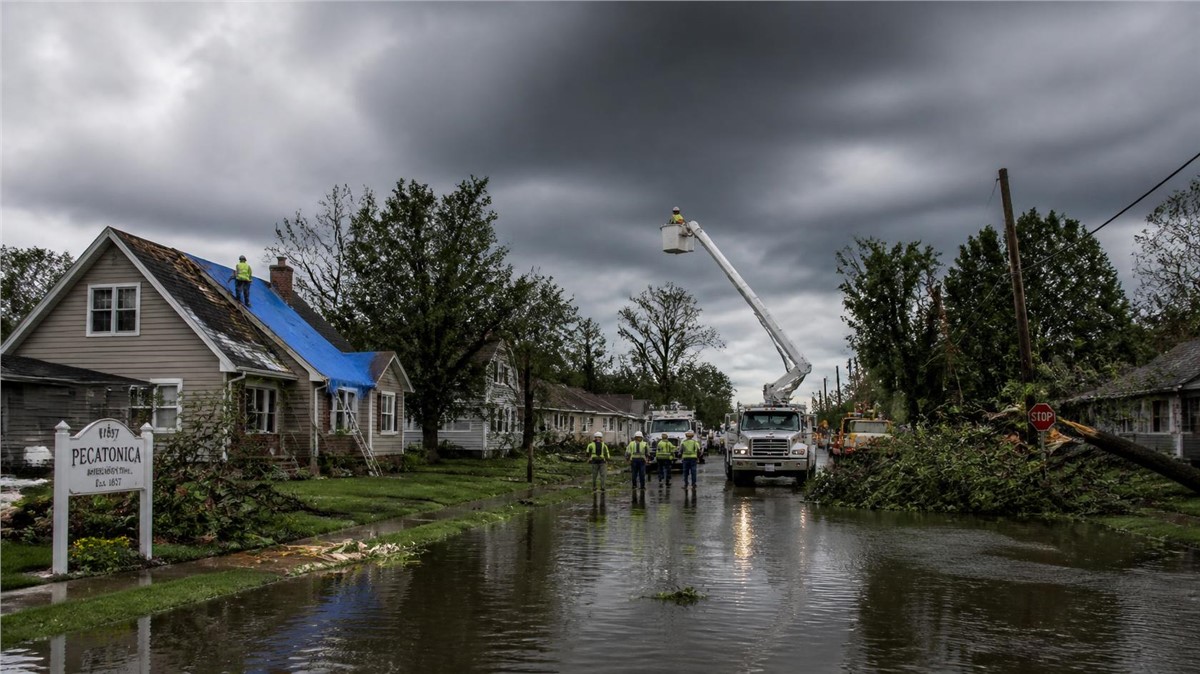
Many homeowners assume roofing warranties cover all roof problems. However, storm damage is often treated differently from material or workmanship issues.
Ask whether the warranty covers damage from:
- Hail
- High wind
- Falling branches
- Wind-driven debris
- Ice damage
- Severe weather events
- Improper snow or ice removal
Storm damage may involve homeowners insurance instead of warranty coverage, depending on the situation and policy.
What Wind Rating Applies?
Wind is a common concern for Illinois roofs. Some shingles have specific wind ratings, but coverage may depend on proper installation and approved accessories.
Ask:
- What wind rating does this shingle have?
- Does installation method affect wind coverage?
- Are starter shingles included?
- Are ridge caps included?
- Are fasteners installed to manufacturer guidelines?
- What wind damage is excluded?
Wind performance should be discussed before choosing materials.
Is Hail Damage Covered?
Hail can damage shingles, vents, gutters, flashing, siding, and windows. Homeowners should ask whether hail damage is covered under the roofing warranty or excluded.
Questions to ask include:
- Does the warranty cover hail impact?
- Are impact-resistant shingles available?
- What class rating applies?
- What does the manufacturer consider hail damage?
- Would hail damage be handled through insurance?
- Are gutters and vents included?
Understanding hail-related coverage can help homeowners choose the right product and plan.
Does the Warranty Require Proper Ventilation?
Attic ventilation can affect roof performance. Poor ventilation may trap heat and moisture, leading to shingle wear, condensation, mold or mildew concerns, and winter ice problems.
Ask whether the warranty requires:
- Balanced intake and exhaust ventilation
- Ridge vents
- Soffit vents
- Proper airflow
- Bathroom fan routing
- Attic moisture control
- Removal of blocked vents
A roof replacement estimate should include a ventilation review when needed.
Does Flashing Affect Warranty Coverage?
Flashing protects areas where water is more likely to enter. If flashing is reused, damaged, or poorly installed, leaks may occur.
Ask about flashing around:
- Chimneys
- Skylights
- Valleys
- Dormers
- Pipe boots
- Roof-to-wall transitions
- Roof edges
- Vents
Homeowners should ask whether flashing replacement is included in the project and how it affects warranty coverage.
Are Roof Accessories Covered?
A roof is more than shingles. Accessories help the full system perform properly. Homeowners should ask whether these items are covered under the warranty.
Roof accessories may include:
- Starter shingles
- Ridge cap shingles
- Underlayment
- Ice and water barrier
- Drip edge
- Vents
- Pipe boots
- Flashing
- Fasteners
If only the shingles are covered, homeowners should understand what other parts may have separate coverage.
Is Warranty Registration Required?
Some warranties require registration after installation. Others may require specific documents or deadlines.
Ask:
- Who registers the warranty?
- Is registration required?
- What paperwork will I receive?
- Is there a registration deadline?
- Will I get proof of warranty?
- Where should I keep the documents?
A reliable contractor should help homeowners understand the warranty paperwork process.
What Maintenance Is Required?
Roof warranties may require homeowners to maintain the roof and surrounding systems. Maintenance helps prevent problems that may not be covered by the warranty.
Homeowners should ask about:
- Gutter cleaning
- Debris removal
- Tree branch trimming
- Regular roof inspections
- Attic ventilation checks
- Flashing inspections
- Prompt leak reporting
- Ice buildup concerns
- Storm damage checks
Maintenance expectations should be clear before the project is approved.
Are Gutters Connected to Warranty Issues?
Gutters may not be part of the roof warranty, but they affect roof performance. Clogged, loose, or overflowing gutters can send water toward roof edges, fascia, soffit, siding, and foundation areas.
Ask whether the contractor will check:
- Gutter condition
- Downspout drainage
- Fascia boards
- Soffit areas
- Drip edge
- Roof edge protection
- Water running behind gutters
Poor drainage can cause damage that may not be treated as a roofing warranty issue.
What Happens If There Is a Leak?
Homeowners should know exactly what to do if a leak appears after installation.
Ask:
- Who should I contact?
- How quickly will the issue be inspected?
- What information should I provide?
- Should I take photos?
- Is emergency protection available?
- What repairs are covered?
- What issues are excluded?
A clear response process helps reduce stress if a problem occurs.
Will I Receive the Warranty in Writing?
Warranty promises should be provided in writing. Verbal explanations are helpful, but homeowners should keep written warranty documents for future reference.
Written warranty details should include:
- Product warranty
- Workmanship warranty
- Coverage length
- Exclusions
- Transfer rules
- Registration information
- Maintenance requirements
- Claim process
Homeowners should keep these documents with their roof estimate, invoices, and project photos.
How Do Warranty Details Affect Estimate Comparisons?
When comparing roof estimates, warranty coverage should be part of the decision. A lower price may not include the same warranty protection, materials, flashing work, ventilation review, or installation details.
Compare estimates based on:
- Material warranty
- Workmanship warranty
- Shingle type
- Full roof system details
- Flashing plan
- Ventilation plan
- Decking repair process
- Cleanup
- Registration support
- Contractor communication
The best estimate is usually the one that clearly explains both the work and the warranty.
Should Warranty Questions Be Asked Before Signing?
Yes. Homeowners should ask warranty questions before signing the agreement, not after the project is finished.
Before approving the project, ask:
- What warranties are included?
- Who provides each warranty?
- What is covered?
- What is excluded?
- How long does coverage last?
- What could void coverage?
- Is registration required?
- What happens if I sell the home?
These questions help homeowners make a more informed decision.
Repair vs Replacement Warranty Differences
Roof repairs and full roof replacements may have different warranty coverage. A small repair may only cover the repaired area, while a full roof replacement may include broader material and workmanship coverage.
Ask whether the warranty applies to:
- The full roof
- One repaired section
- Replaced shingles only
- Flashing repairs
- Leak repairs
- Labor
- Materials
- Future related issues
This is especially important when deciding between repair and replacement.
Insurance Claims and Warranties
If roof work is connected to storm damage, homeowners should understand the difference between warranty coverage and insurance coverage.
A warranty may address certain material or workmanship issues. Insurance may apply to storm damage depending on the policy, coverage, deductible, and claim decision.
Homeowners should contact their insurance provider for guidance about:
- Covered storm damage
- Deductibles
- Claim deadlines
- Documentation requirements
- Adjuster inspections
- Policy exclusions
The roofing contractor can inspect and document damage, but the insurance provider determines coverage.
Warning Signs of Unclear Warranty Promises
Homeowners should be cautious if a warranty explanation feels vague or too good to be true.
Red flags include:
- No written warranty
- No explanation of exclusions
- No workmanship coverage details
- Confusing warranty language
- Pressure to sign quickly
- Promises that everything is covered
- No registration information
- No maintenance guidance
- No clear contact process for warranty service
A professional contractor should be willing to explain warranty terms clearly.
Why a Full Exterior Inspection Helps
Roof performance is connected to the full exterior system. Gutters, siding, windows, fascia, soffit, flashing, ventilation, and drainage can all affect how the roof performs.
A full exterior inspection may include:
- Roofing and shingles
- Flashing
- Roof decking
- Attic ventilation
- Gutters and downspouts
- Fascia and soffit
- Siding near roof edges
- Windows and trim
- Storm damage areas
- Interior moisture signs
Huskie Exteriors provides roofing, siding, window, gutter, and storm damage restoration services, helping homeowners evaluate the full exterior before roof repair or replacement.
Why Local Exterior Experience Matters
A local contractor understands how Illinois weather affects roofing warranties and roof performance. In Mt. Carroll, IL, homes need roofing systems that can handle wind, hail, heavy rain, snow, ice, humidity, heat, and freeze-thaw cycles.
Local experience helps homeowners ask better questions about materials, installation, flashing, ventilation, drainage, storm damage, maintenance, and long-term roof protection.
Conclusion
Roofing warranty questions homeowners in Mt. Carroll, IL should ask include what is covered, how long coverage lasts, whether workmanship is included, what exclusions apply, whether the warranty is transferable, and what could void coverage. Homeowners should also ask about ventilation, flashing, gutters, maintenance, registration, and the process for reporting future problems.
If you are planning roof repair or replacement and want to understand your warranty options, Huskie Exteriors can inspect your exterior and recommend the right next step.
Contact Huskie Exteriors for professional roofing, siding, window, gutter, and storm damage services in Illinois and Wisconsin.
Subscribe to Huskie Exteriors's Blog




Comments