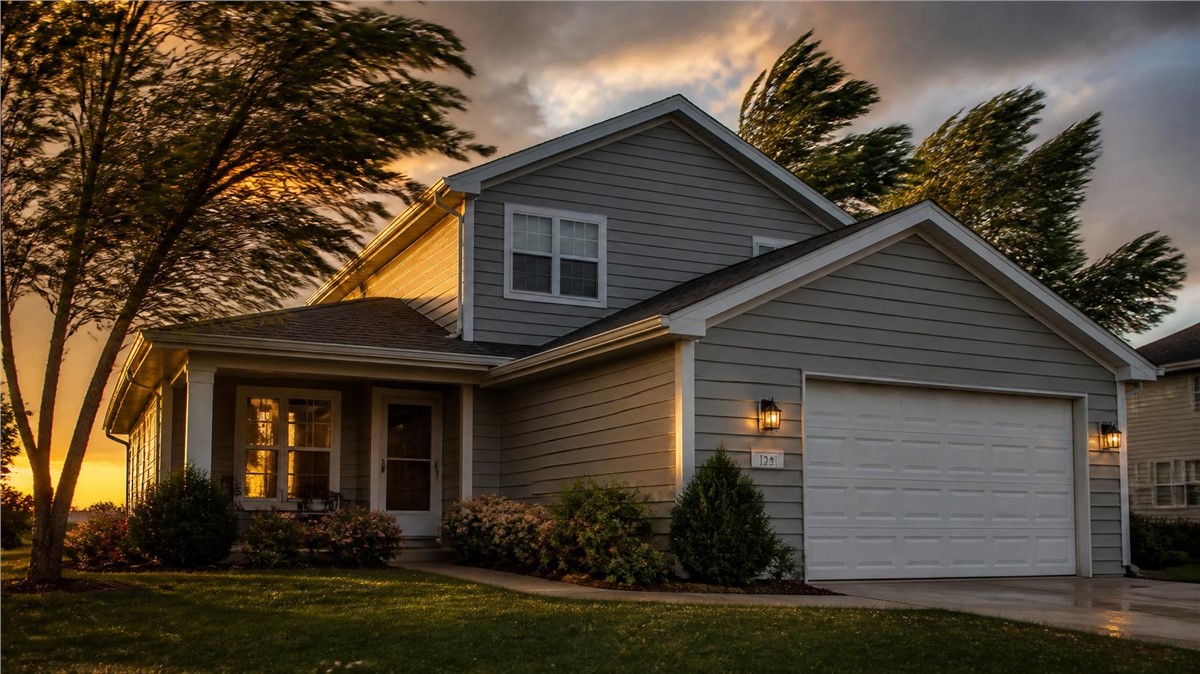
Freeport homeowners know that Midwest weather can be hard on a home’s exterior. Strong wind, hail, heavy rain, snow, ice, humidity, and freeze-thaw cycles can all affect siding over time. After enough exposure, siding may crack, loosen, warp, fade, or allow moisture behind the wall system.
When homeowners ask about storm-resistant siding, the goal is not to find a material that can survive every storm without damage. The real goal is to choose siding that fits the home, handles local conditions well, and is installed correctly with the right trim, flashing, and drainage details.
This guide explains storm-resistant siding options in Freeport, IL and what homeowners should consider before making a decision.
What Does Storm-Resistant Siding Mean?
Storm-resistant siding refers to siding that is designed or selected to better handle severe weather conditions. This may include stronger panel construction, better impact resistance, improved wind performance, moisture protection, or reduced maintenance needs.
Storm-resistant siding should help protect against:
- Wind-driven rain
- Hail impact
- Flying debris
- Moisture intrusion
- Loose panels
- Cracking
- Warping
- Temperature swings
- Freeze-thaw stress
The siding material matters, but installation quality matters just as much.
No Siding Is Completely Storm-Proof
It is important to be realistic. Severe hail, falling branches, wind-blown debris, and extreme storms can damage almost any siding material. A good siding choice can reduce risk, but it cannot eliminate it.
Homeowners should avoid thinking only about the strongest material. Instead, consider the full exterior system, including:
- Siding panels
- House wrap or moisture barrier
- Flashing
- Trim
- Window and door details
- Gutters and downspouts
- Roof edges
- Drainage around the home
A strong exterior system provides better protection than siding alone.
Option 1: Vinyl Siding
Vinyl siding is a common choice for homeowners because it is affordable, versatile, and available in many colors and styles. It can work well for many homes when installed correctly.
Vinyl siding benefits include:
- Lower maintenance
- Many color options
- Good curb appeal
- Moisture resistance
- Cost-friendly replacement option
- Easy panel replacement in some cases
However, vinyl siding can crack or break from hail, debris impact, or extreme cold. If the home is exposed to open wind or frequent storms, homeowners may want to compare standard vinyl with upgraded or insulated options.
Option 2: Insulated Vinyl Siding
Insulated vinyl siding includes foam backing behind the siding panel. This can help the panel sit flatter, feel more solid, and offer added support compared with standard vinyl siding.
Insulated siding may help with:
- Better panel support
- Improved appearance
- Reduced waviness
- Added comfort benefits
- Some noise reduction
- Stronger feel than hollow-backed siding
For storm resistance, the added backing may help improve panel stability, but it does not make siding damage-proof. It is worth considering if the home needs siding replacement and the homeowner wants an upgraded option.
Option 3: Fiber Cement Siding
Fiber cement siding is known for durability and a strong exterior appearance. It can offer good resistance to weather, impact, pests, and temperature changes when installed and maintained properly.
Fiber cement siding benefits may include:
- Strong durability
- Attractive wood-like appearance
- Good resistance to cracking from normal wear
- Fire-resistant qualities
- Strong curb appeal
- Many color and style options
Fiber cement is heavier than vinyl and requires proper installation. It may also need painting or maintenance depending on the product and finish. For homeowners wanting a durable siding option, it is often worth comparing.
Option 4: Engineered Wood Siding
Engineered wood siding can provide a warm, traditional appearance with improved durability compared with natural wood. It is designed to offer strength while reducing some of the maintenance concerns of real wood.
Engineered wood may be a good fit for homeowners who want:
- A wood-style appearance
- Strong curb appeal
- Multiple design profiles
- Good impact resistance
- A more natural exterior look
- Accent siding options
Like all siding, it must be installed correctly and protected from ongoing moisture exposure. Trim, flashing, caulking, and gutter drainage are especially important.
Option 5: Composite Siding
Composite siding products can vary, but many are designed for durability, moisture resistance, and lower maintenance. They may be worth considering for homeowners who want a strong exterior material with a modern look.
Composite siding may offer:
- Durable construction
- Moisture-resistant features
- Lower maintenance needs
- Good design flexibility
- Strong exterior appearance
- Resistance to everyday wear
Because composite siding products differ by manufacturer, homeowners should ask about impact resistance, warranty, maintenance, and local performance.
Which Option Makes the Most Sense?
The best storm-resistant siding option depends on your home’s exposure, budget, style, and maintenance goals.
Vinyl siding may make sense if:
- Budget is a top priority
- You want low maintenance
- Damage is limited or easy to repair
- You want many color options
Insulated vinyl siding may make sense if:
- You want better panel support
- You want a cleaner finished look
- Comfort is part of the goal
- You want an upgraded vinyl option
Fiber cement may make sense if:
- Durability is a major priority
- You want a premium look
- You are comfortable with maintenance needs
- You want strong long-term curb appeal
Engineered wood may make sense if:
- You like a natural wood-style look
- You want impact resistance
- You want strong design flexibility
- Proper moisture management is included
Composite siding may make sense if:
- You want a durable modern option
- You prefer lower maintenance
- Product warranty and performance fit your goals
- The material suits your home’s design
Look Beyond the Siding Material
A siding product can only perform well if the rest of the exterior is prepared correctly. Storm-resistant siding should be installed as part of a complete exterior system.
Important details include:
- House wrap
- Moisture barriers
- Flashing
- Trim
- Fasteners
- Window and door transitions
- Corner posts
- Caulking
- Fascia and soffit
- Gutter drainage
If these details are ignored, even a high-quality siding product can still allow water or wind problems.
Flashing and Trim Matter
Flashing helps direct water away from vulnerable areas. Trim helps finish and protect edges, corners, windows, doors, and transitions.
Important areas to inspect include:
- Window trim
- Door trim
- Roof-to-wall areas
- Deck connections
- Porch transitions
- Corners
- Utility penetrations
- Exterior lights and vents
Storm-driven rain often finds weak points around openings, so these areas should be carefully installed and sealed.
Windows and Siding Work Together
If windows are old, drafty, foggy, or leaking, new siding may not solve all exterior concerns. Water can enter around window openings if flashing, trim, or caulking has failed.
Before siding replacement, check for:
- Fogging between panes
- Water stains below windows
- Soft trim
- Drafts
- Failed caulking
- Loose exterior trim
- Cracked siding near windows
Coordinating window and siding work can help reduce future problems.
Gutters Help Protect Siding
Gutters and downspouts help move water away from siding and foundation areas. If gutters overflow, water can run down siding and create stains, moisture issues, or trim damage.
Before installing new siding, check for:
- Clogged gutters
- Leaking seams
- Sagging sections
- Short downspouts
- Water running behind gutters
- Fascia damage
- Foundation pooling
- Ice buildup near roof edges
Good drainage helps protect the investment in new siding.
Hail and Wind Considerations
Freeport homes may face hail, wind, and wind-driven rain. Homeowners should ask how each siding option performs during severe weather.
Helpful questions include:
- What impact resistance does this product offer?
- How does it handle wind?
- What warranty applies?
- What damage is excluded?
- Can damaged panels be repaired or replaced?
- How does the material perform in cold weather?
- Does installation method affect performance?
Clear answers help homeowners choose a siding option with realistic expectations.
Repair vs Replacement After Storm Damage
If siding has storm damage, homeowners should determine whether repair or full replacement makes more sense.
Repair may work if:
- Damage is isolated
- Matching siding is available
- Panels are not brittle
- No hidden moisture is present
- Trim and flashing are still solid
Replacement may be better if:
- Damage is widespread
- Siding is cracked throughout
- Panels are loose or warped
- Moisture is behind the siding
- Repairs would look mismatched
- The siding is near the end of its life
A professional inspection can help determine the right scope.
What Should Be Included in a Siding Estimate?
A storm-resistant siding estimate should be detailed enough to compare options clearly.
A good estimate may include:
- Siding material and style
- Color selection
- Removal of old siding
- Moisture barrier details
- Flashing work
- Trim details
- Window and door transitions
- Fascia and soffit notes
- Gutter-related concerns
- Cleanup
- Warranty information
The estimate should explain what is included and what may cost extra.
Maintenance Still Matters
Even durable siding needs maintenance. Regular checks help catch small problems before they become larger repairs.
Homeowners should:
- Inspect siding after storms
- Keep gutters clean
- Check for cracks or loose panels
- Watch for water stains
- Trim branches away from the home
- Check caulking around openings
- Clean mildew or buildup
- Look for pest entry points
Maintenance helps siding last longer and perform better.
Why a Full Exterior Inspection Helps
Storm-resistant siding works best when the entire exterior system is reviewed. Roofing, gutters, windows, fascia, soffit, flashing, trim, and drainage all affect how the home handles severe weather.
A full exterior inspection may include:
- Siding panels
- Windows and trim
- Gutters and downspouts
- Roofing and roof edges
- Flashing
- Fascia and soffit
- Moisture signs
- Storm damage areas
- Foundation drainage
Huskie Exteriors provides roofing, siding, window, gutter, and storm damage restoration services, helping homeowners evaluate the full exterior before siding replacement.
Why Local Exterior Experience Matters
A local contractor understands how Illinois storms affect home exteriors. In Freeport, IL, siding needs to handle wind, hail, heavy rain, snow, ice, humidity, sun exposure, and freeze-thaw cycles.
Local experience helps homeowners compare siding options based on durability, appearance, drainage, installation details, storm exposure, maintenance needs, and long-term protection.
Conclusion
Storm-resistant siding in Freeport, IL should be chosen with local weather, material performance, curb appeal, maintenance, budget, and installation quality in mind. Vinyl, insulated vinyl, fiber cement, engineered wood, and composite siding can all make sense depending on the home and homeowner goals.
If your siding is cracked, loose, faded, storm-damaged, moisture-affected, or ready for replacement, Huskie Exteriors can inspect your exterior and recommend the right next step.
Contact Huskie Exteriors for professional roofing, siding, window, gutter, and storm damage services in Illinois and Wisconsin.
Subscribe to Huskie Exteriors's Blog




Comments