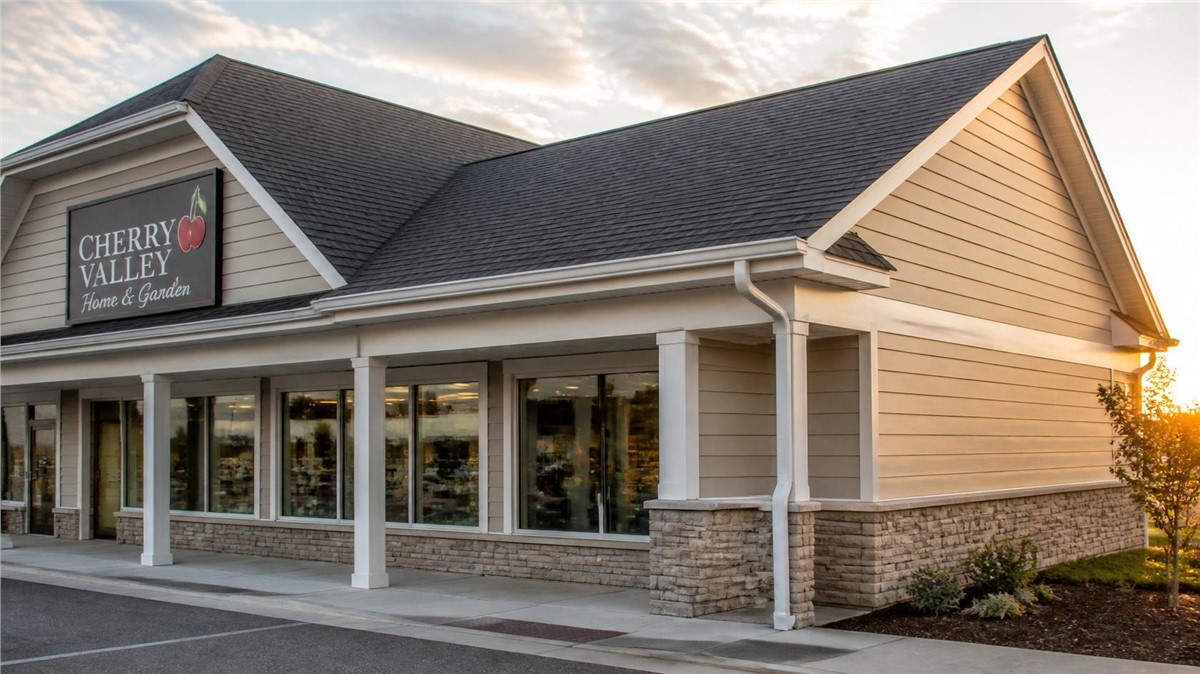
Retail properties need to look professional and function properly every day. A leaking roof, damaged siding, clogged gutter, loose trim, or stained exterior can affect more than the building itself. It can impact customer confidence, tenant satisfaction, employee safety, and business operations.
For retail property owners and managers in Cherry Valley, IL, exterior repairs are especially important because northern Illinois weather can bring heavy rain, hail, wind, snow, ice, humidity, and freeze-thaw cycles. These conditions can damage roofing, siding, gutters, windows, flashing, fascia, soffit, and drainage systems.
This guide explains what retail property owners should know about roof, siding, and gutter repairs.
Why Retail Exterior Repairs Matter
The exterior of a retail building affects both protection and presentation. Customers notice signs of damage, and small exterior issues can quickly become operational problems.
Exterior repairs help protect:
- Customers
- Employees
- Tenants
- Inventory
- Interior finishes
- Walkways
- Entrances
- Parking areas
- Building value
- Curb appeal
A well-maintained exterior also helps reduce emergency repair needs.
Roof Repairs for Retail Properties
The roof is one of the most important parts of any retail building. A roof leak can damage ceiling tiles, flooring, merchandise, insulation, electrical areas, and tenant spaces.
Common retail roof issues include:
- Roof leaks
- Damaged shingles
- Ponding water
- Open seams
- Loose flashing
- Damaged roof vents
- Wet insulation
- Roof edge damage
- Storm damage
- Clogged drains
Even a small roof leak should be inspected before it spreads.
Flat and Low-Slope Roof Concerns
Many retail buildings have flat or low-slope roof sections. These roofs depend on proper drainage and sealed seams to keep water out.
Contractors may check for:
- Ponding water
- Membrane damage
- Open seams
- Punctures
- Blisters
- Damaged flashing
- Clogged drains
- Scupper problems
- Wet insulation
Flat roof problems can be harder to see from the ground, so regular inspections are important.
Roof Leaks and Interior Damage
A leak inside a retail property can disrupt business quickly. Water stains, active drips, or damp ceiling tiles should not be ignored.
Warning signs include:
- Brown ceiling stains
- Wet ceiling tiles
- Dripping water
- Musty odors
- Bubbling paint
- Damp flooring
- Water near exterior walls
- Leaks after heavy rain
If leaks appear, property managers should document the location and schedule an inspection as soon as possible.
Flashing and Roof Edge Repairs
Flashing protects areas where the roof meets walls, vents, units, edges, or other transitions. These are common places for leaks to start.
Important areas include:
- Roof edges
- Parapet walls
- HVAC curbs
- Wall transitions
- Skylights
- Roof drains
- Vents
- Pipe penetrations
Loose, cracked, rusted, or separated flashing should be repaired before water enters the building.
Siding and Wall Panel Repairs
Siding and wall panels protect the building from moisture, wind, and impact. They also affect the appearance of the retail property.
Siding problems may include:
- Cracked panels
- Loose sections
- Dents
- Warping
- Stains
- Moisture behind panels
- Damaged trim
- Gaps around windows
- Storm damage
Damaged siding should be repaired before water reaches the wall system.
Why Appearance Matters for Retail Buildings
Retail buildings depend on customer trust. A damaged or neglected exterior can make a property look less professional, even if the business inside is operating well.
Exterior appearance can be affected by:
- Faded siding
- Stained walls
- Loose trim
- Rusted gutters
- Damaged fascia
- Dirty entrances
- Broken screens
- Peeling paint
- Visible roof damage
Exterior repairs help keep the property looking clean, safe, and cared for.
Gutter and Downspout Repairs
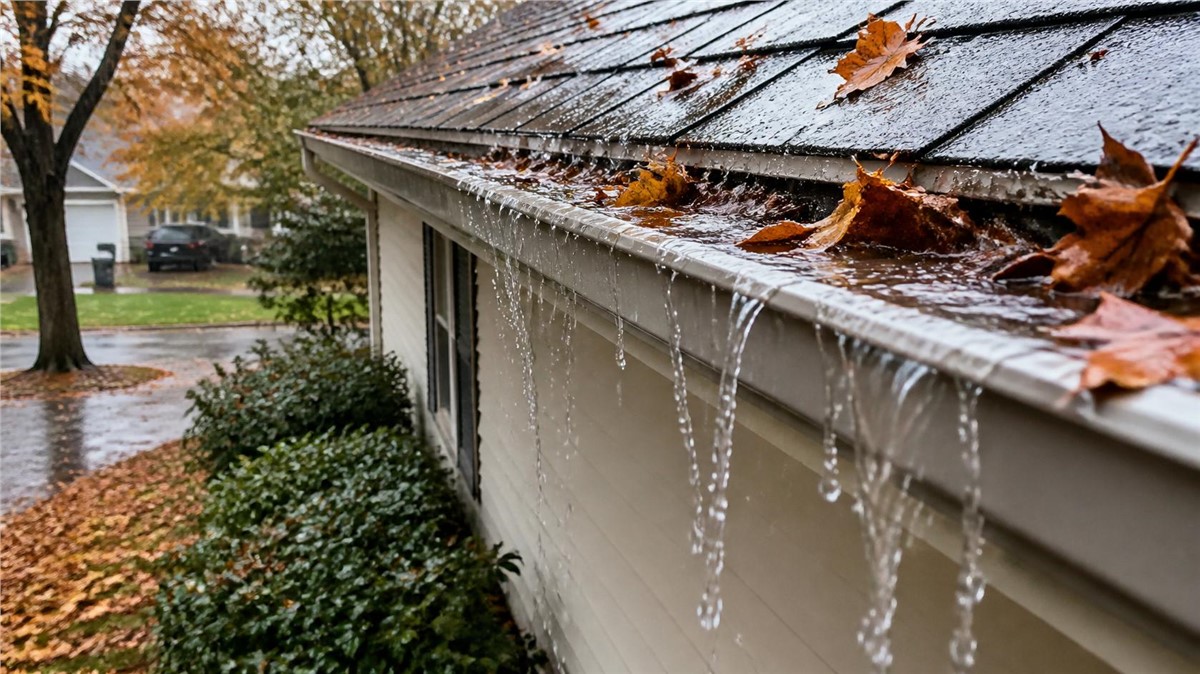
Gutters and downspouts move water away from the roof and building. If they fail, water may affect siding, foundations, walkways, entrances, parking areas, and tenant spaces.
Common gutter issues include:
- Clogs
- Overflow
- Leaking seams
- Sagging sections
- Loose hangers
- Dented gutters
- Damaged downspouts
- Poor drainage direction
- Ice buildup
Retail properties should keep gutters working properly to avoid water problems near customer areas.
Drainage Around Entrances and Walkways
Poor drainage can create safety and access concerns. Water that drains onto walkways or entrances may freeze during winter and create slippery surfaces.
Drainage concerns include:
- Water near entrances
- Ice near sidewalks
- Downspouts draining onto walkways
- Pooling near foundations
- Parking lot runoff
- Soil erosion
- Water near loading areas
Downspouts should direct water away from high-traffic areas whenever possible.
Storm Damage Repairs
Cherry Valley retail properties can be affected by hail, wind, heavy rain, and winter storms. Storm damage may affect several exterior systems at once.
Storm-related damage may include:
- Missing shingles
- Lifted roofing materials
- Dented gutters
- Cracked siding
- Damaged windows
- Loose trim
- Broken flashing
- Interior water stains
- Clogged drainage from debris
After severe weather, a full exterior inspection helps determine the scope of damage.
Window and Trim Concerns
Windows, doors, and trim are important parts of the retail exterior. Damage around these areas can lead to leaks, drafts, and poor appearance.
Watch for:
- Cracked glass
- Failed caulking
- Loose trim
- Water stains below windows
- Fogging between panes
- Damaged frames
- Drafts near doors
- Soft trim
Window and trim issues should be checked along with siding and flashing.
Fascia and Soffit Repairs
Fascia and soffit help protect roof edges and ventilation areas. They also support the clean appearance of the building.
Warning signs include:
- Loose fascia
- Damaged soffit panels
- Water stains
- Peeling paint
- Soft materials
- Gaps near roof edges
- Gutters pulling away
- Openings for pests
These areas are often connected to gutter and roof edge problems.
Maintenance Planning for Retail Properties
Retail property repairs are easier to manage when they are planned before emergencies happen. Regular inspections can help property owners budget and schedule work around business needs.
A maintenance plan may include:
- Spring exterior inspection
- Fall gutter and roof check
- Post-storm inspection
- Drainage review
- Window and trim inspection
- Siding condition review
- Roof leak monitoring
- Repair documentation
Planned maintenance helps reduce business disruption.
Prioritizing Repairs
Not every repair has the same urgency. Property managers should prioritize repairs that affect safety, water intrusion, or building access first.
High-priority repairs may include:
- Active roof leaks
- Loose exterior materials
- Broken glass
- Water near entrances
- Damaged flashing
- Gutter overflow
- Siding openings
- Interior moisture
Cosmetic repairs can usually be scheduled after urgent protection and safety concerns are handled.
Tenant and Customer Communication
Exterior repairs can affect parking, entrances, signage, walkways, noise, and deliveries. Clear communication helps reduce confusion.
Property managers may need to communicate:
- Work dates
- Access changes
- Parking restrictions
- Safety zones
- Delivery adjustments
- Noise expectations
- Entryway updates
Good communication helps repairs move more smoothly for tenants and customers.
Repair vs Replacement
Some exterior problems can be repaired. Others may require replacement if damage is widespread or materials are failing.
Repair may make sense if:
- Damage is isolated
- Materials are still in good condition
- Leaks have a clear source
- Matching materials are available
- Drainage problems can be corrected
Replacement may be better if:
- Damage is widespread
- Repairs keep returning
- Materials are old or brittle
- Storm damage affects multiple areas
- Moisture has entered the building
- The system no longer protects the property properly
A professional inspection helps determine the right scope.
Insurance Considerations
If damage was caused by hail, wind, or severe weather, property owners should contact their insurance provider to understand coverage, deductibles, claim requirements, documentation needs, and deadlines.
Helpful documentation may include:
- Storm date notes
- Photos of visible damage
- Contractor inspection findings
- Interior water stain photos
- Tenant reports
- Temporary repair receipts
- Adjuster notes
Every policy is different, so claim guidance should come directly from the insurance provider.
What Should Be Included in an Exterior Repair Estimate?
A retail property exterior repair estimate should clearly explain what was inspected, what damage was found, and what work is recommended.
A good estimate may include:
- Roof findings
- Siding findings
- Gutter and drainage notes
- Window and trim concerns
- Flashing condition
- Fascia and soffit condition
- Repair or replacement recommendation
- Material details
- Timeline expectations
- Cleanup and safety planning
The estimate should help property owners make a clear decision.
Why a Full Exterior Inspection Helps
Retail exterior problems are often connected. A roof leak may involve flashing or gutters. Siding stains may come from gutter overflow. Window leaks may be related to trim, siding, or drainage.
A full exterior inspection may include:
- Roofing
- Siding or wall panels
- Gutters and downspouts
- Windows and doors
- Flashing
- Fascia and soffit
- Exterior trim
- Drainage areas
- Interior moisture signs
- Storm damage areas
Huskie Exteriors provides roofing, siding, window, gutter, and storm damage restoration services, helping retail property owners evaluate the full exterior system.
Why Local Exterior Experience Matters
A local contractor understands how Illinois weather affects retail buildings. In Cherry Valley, IL, properties need exterior systems that can handle hail, wind, heavy rain, snow, ice, humidity, and freeze-thaw cycles.
Local experience helps property owners determine whether repairs are caused by storm damage, aging materials, poor drainage, roof wear, siding damage, gutter failure, or hidden moisture concerns.
Conclusion
Retail property exterior repairs in Cherry Valley, IL should focus on protecting the building, maintaining curb appeal, reducing safety risks, and preventing business disruption. Roofing, siding, gutters, downspouts, windows, flashing, fascia, soffit, trim, and drainage should all be inspected when damage appears.
If your retail property has roof leaks, siding damage, gutter overflow, storm damage, window issues, drainage problems, or exterior wear, Huskie Exteriors can inspect the building and recommend the right next step.
Contact Huskie Exteriors for professional roofing, siding, window, gutter, and storm damage services in Illinois and Wisconsin.
Subscribe to Huskie Exteriors's Blog




Comments