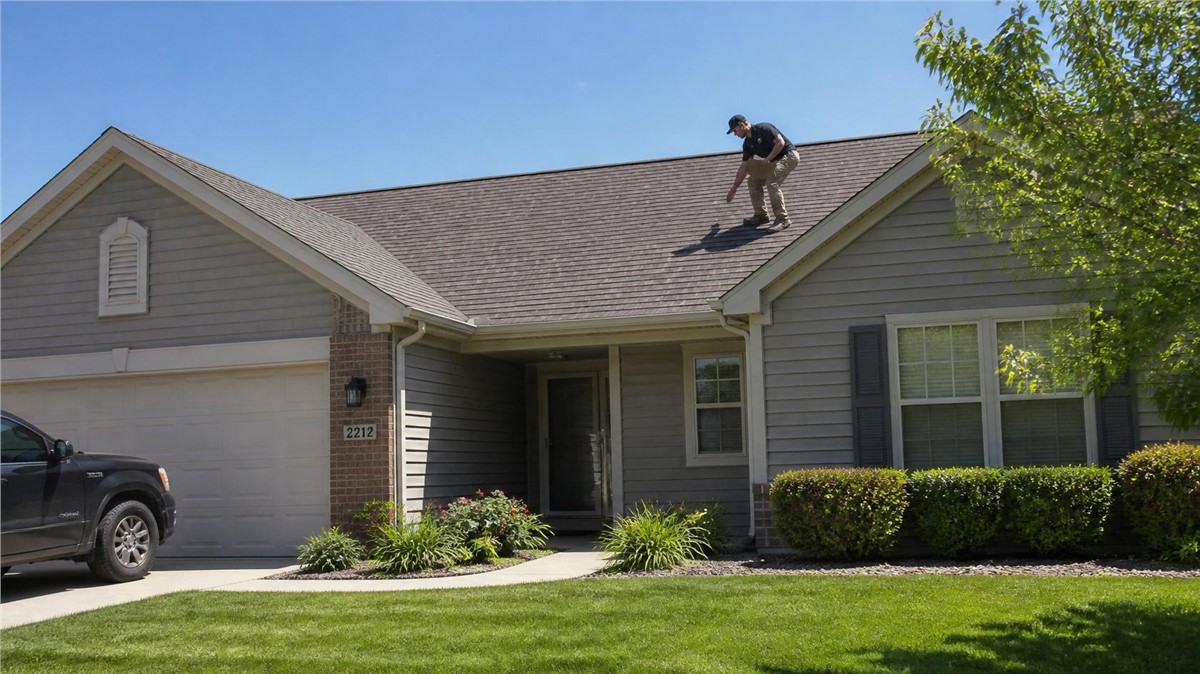
Buying a home is exciting, but it also comes with important decisions. One of the biggest areas buyers should pay attention to is the roof. A roof may look fine from the street, but hidden problems can still exist beneath the shingles, around flashing, inside the attic, or near gutters and roof edges.
For homebuyers in Belvidere, IL, a roof inspection is especially important because northern Illinois weather can bring hail, wind, heavy rain, snow, ice, humidity, and freeze-thaw cycles. These conditions can affect shingles, gutters, siding, windows, flashing, attic ventilation, and drainage.
This guide explains why a roof inspection matters before buying a home and what buyers should know before moving forward.
Why the Roof Should Not Be Overlooked
The roof protects the home from rain, snow, wind, heat, and moisture. If the roof has hidden damage, buyers may face repairs sooner than expected.
A roof inspection can help identify:
- Missing shingles
- Aging shingles
- Roof leaks
- Damaged flashing
- Poor attic ventilation
- Storm damage
- Gutter problems
- Soft roof decking
- Interior moisture signs
- Roof replacement concerns
Knowing these issues before closing helps buyers make a more informed decision.
A Home Showing Is Not Enough
During a showing, buyers usually focus on layout, rooms, finishes, and overall appearance. The roof may only get a quick glance from the driveway.
That quick look may miss:
- Lifted shingles
- Granule loss
- Small leaks
- Flashing defects
- Soft decking
- Hail damage
- Attic moisture
- Damaged pipe boots
- Gutter drainage issues
A roof inspection gives buyers a closer look at one of the home’s most important exterior systems.
Roof Age Matters
One of the first things buyers should ask is the roof’s age. Even if the roof is not leaking, age can affect future maintenance and replacement planning.
Helpful questions include:
- When was the roof installed?
- What roofing material was used?
- Were repairs completed recently?
- Are warranties available?
- Was the roof inspected after past storms?
- Has the home had previous leaks?
Roof age does not tell the full story, but it helps buyers understand what may be needed in the coming years.
Shingle Condition
Shingles are the visible outer layer of the roof. Damaged or worn shingles can allow water to reach the roof layers underneath.
A roof inspection may check for:
- Missing shingles
- Cracked shingles
- Curling edges
- Lifted tabs
- Bald spots
- Heavy granule loss
- Damaged ridge caps
- Uneven aging
If shingles are damaged in many areas, buyers should understand whether repair or replacement may be needed.
Flashing Problems
Flashing protects areas where water is more likely to enter. Even a roof with decent shingles can leak if flashing is damaged or poorly installed.
Important flashing areas include:
- Chimneys
- Skylights
- Roof valleys
- Dormers
- Vents
- Pipe boots
- Wall transitions
- Roof edges
Loose, rusted, cracked, or poorly sealed flashing should be inspected before the home purchase is finalized.
Roof Leaks and Ceiling Stains
Interior stains can be a warning sign of roof problems. Some leaks are active, while others may be old repairs that need documentation.
Buyers should watch for:
- Brown ceiling stains
- Bubbling paint
- Damp drywall
- Musty odors
- Stains near exterior walls
- Water marks around vents
- Wet attic insulation
A small stain does not always mean a major roof problem, but the source should be inspected.
Attic Moisture
The attic can reveal roof issues that are not visible from outside. Moisture in the attic may be caused by roof leaks, poor ventilation, air leaks, or insulation problems.
An attic review may find:
- Wet insulation
- Dark roof decking
- Rusted nails
- Musty odors
- Mold or mildew concerns
- Water trails
- Frost or condensation
- Daylight through roof gaps
Attic findings can help buyers understand whether the roof is performing properly.
Roof Deck Damage
The roof deck is the wood surface beneath the roofing materials. If water has reached the deck, the problem may go deeper than missing shingles.
Roof deck concerns may include:
- Soft areas
- Sagging sections
- Dark stains
- Rot
- Uneven roof surfaces
- Wet insulation beneath the deck
- Repeated leaks
Roof deck damage can increase the scope and cost of repairs, so it should be checked carefully.
Storm Damage Concerns
Belvidere homes can experience hail, wind, and heavy rain. Storm damage may not always be obvious to buyers during a walkthrough.
Storm-related roof concerns include:
- Hail bruising
- Dented roof vents
- Missing shingles
- Lifted shingles
- Damaged ridge caps
- Granules in gutters
- Dented gutters
- Loose flashing
If the seller mentions past storm repairs or insurance work, buyers should ask for documentation.
Gutters and Downspouts Matter Too
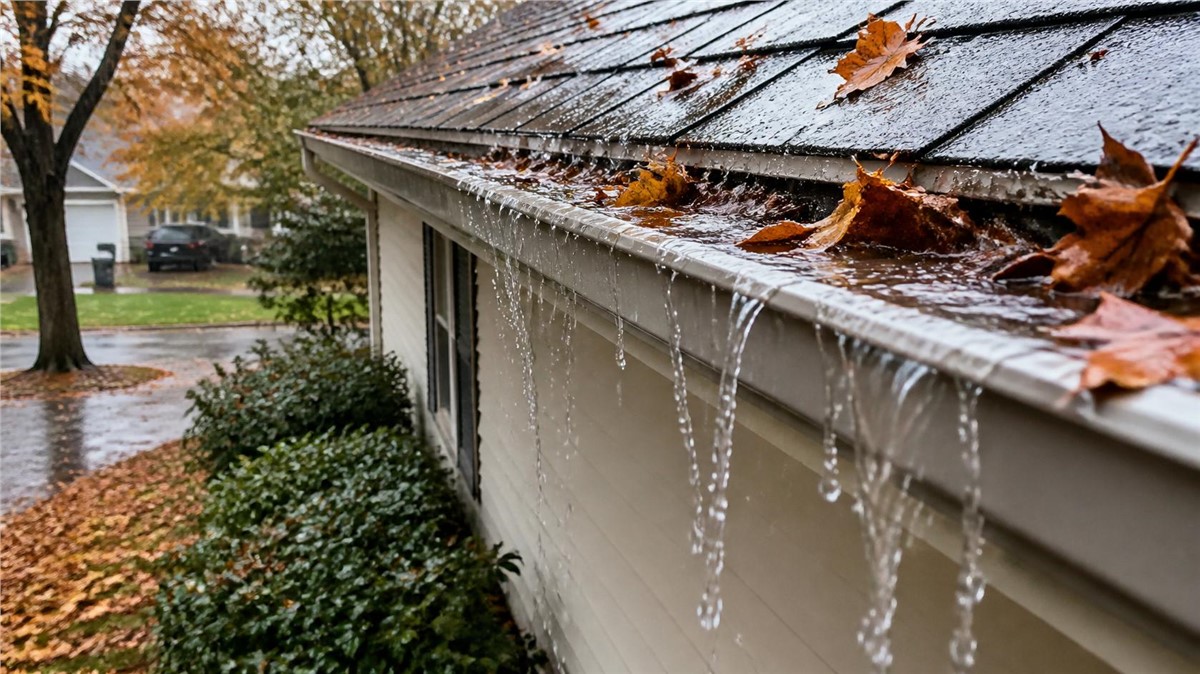
Gutters help move water away from the roof and foundation. If gutters are clogged, sagging, leaking, or poorly placed, they can create roof edge and drainage problems.
A gutter inspection may reveal:
- Overflow signs
- Sagging sections
- Leaking seams
- Clogged downspouts
- Short downspout extensions
- Water stains on siding
- Fascia damage
- Foundation pooling
Gutter issues can affect roofing, siding, basement areas, landscaping, and walkways.
Ventilation and Roof Performance
Attic ventilation helps control heat and moisture under the roof. Poor ventilation can contribute to shingle wear, attic condensation, ice buildup, and moisture concerns.
Warning signs may include:
- Hot attic air
- Rusted nails
- Dark roof decking
- Musty odors
- Wet insulation
- Ice buildup near eaves
- Premature shingle aging
A roof inspection should consider ventilation, not only the shingles.
Siding, Windows, and Roof Edges
Roof problems can be connected to other exterior systems. Water may enter around windows, flashing, siding transitions, roof edges, or gutters.
Buyers should also check:
- Siding near rooflines
- Window trim
- Fascia and soffit
- Exterior stains
- Loose trim
- Gaps near flashing
- Water marks below gutters
A full exterior inspection gives buyers a better picture of how the home handles weather.
Repair vs Replacement
A roof inspection can help buyers understand whether roof concerns are minor repairs or major replacement issues.
Repair may be enough if:
- Damage is isolated
- A few shingles are missing
- One flashing area needs attention
- Gutters need adjustment
- No hidden moisture is present
- The roof is otherwise in good condition
Replacement may be more likely if:
- Shingles are failing throughout
- Leaks keep returning
- Decking is damaged
- Storm damage is widespread
- The roof is near the end of its life
- Repairs would not last
Knowing this before closing helps buyers plan ahead.
How a Roof Inspection Can Help Negotiations
A roof inspection can give buyers useful information during the purchase process. If damage is found, buyers may discuss repairs, credits, price adjustments, or documentation with their real estate professional.
Inspection findings may help with:
- Repair requests
- Budget planning
- Closing conversations
- Insurance questions
- Future maintenance planning
- Replacement timing
The goal is not to create stress. The goal is to understand the condition of the home before making a major investment.
What Buyers Should Ask the Seller
Buyers should gather as much roof history as possible.
Helpful questions include:
- How old is the roof?
- Has it ever leaked?
- Were repairs completed?
- Was there storm damage?
- Are warranties transferable?
- Who completed past repairs?
- Are invoices available?
- Has the attic had moisture issues?
Good records can help buyers understand what has been maintained and what may need attention.
What Should Be Included in a Roof Inspection?
A roof inspection should review the roof and related exterior areas.
A contractor may check:
- Shingles
- Ridge caps
- Flashing
- Roof vents
- Pipe boots
- Roof valleys
- Gutters and downspouts
- Fascia and soffit
- Attic moisture signs
- Interior water stains
- Storm damage areas
The inspection should explain what was found and what repairs may be recommended.
Why Buyers Should Avoid Guessing
A roof may look acceptable from the ground but still have hidden damage. Guessing can lead to unexpected expenses after closing.
Buyers should avoid assuming:
- No leak means no damage
- New-looking shingles mean no issues
- Gutters are only cosmetic
- Ceiling stains are harmless
- Storm damage is always visible
- Older roofs can wait forever
A professional inspection helps replace uncertainty with clear information.
Why a Full Exterior Inspection Helps
When buying a home, it helps to look at the full exterior system. Roofing, siding, windows, gutters, fascia, soffit, flashing, and drainage all work together to protect the home.
A full exterior inspection may include:
- Roofing
- Gutters and downspouts
- Siding
- Windows and trim
- Flashing
- Fascia and soffit
- Attic moisture signs
- Interior water stains
- Foundation drainage
- Storm damage areas
Huskie Exteriors provides roofing, siding, window, gutter, and storm damage restoration services, helping buyers evaluate important exterior concerns before purchasing a home.
Why Local Exterior Experience Matters
A local contractor understands how Illinois weather affects homes. In Belvidere, IL, roofs must handle hail, wind, heavy rain, snow, ice, humidity, heat, and freeze-thaw cycles.
Local experience helps buyers understand whether roof concerns are caused by age, storm damage, poor drainage, flashing problems, attic ventilation, gutter overflow, or hidden moisture.
Conclusion
A roof inspection matters when buying a home in Belvidere, IL because it can reveal hidden problems before closing. Missing shingles, leaks, storm damage, flashing issues, gutter problems, roof deck damage, attic moisture, and ventilation concerns can all affect the home’s condition and future repair costs.
If you are buying a home and want to understand the condition of the roof, gutters, siding, windows, or storm damage areas, Huskie Exteriors can inspect the exterior and recommend the right next step.
Contact Huskie Exteriors for professional roofing, siding, window, gutter, and storm damage services in Illinois and Wisconsin.
Subscribe to Huskie Exteriors's Blog




Comments