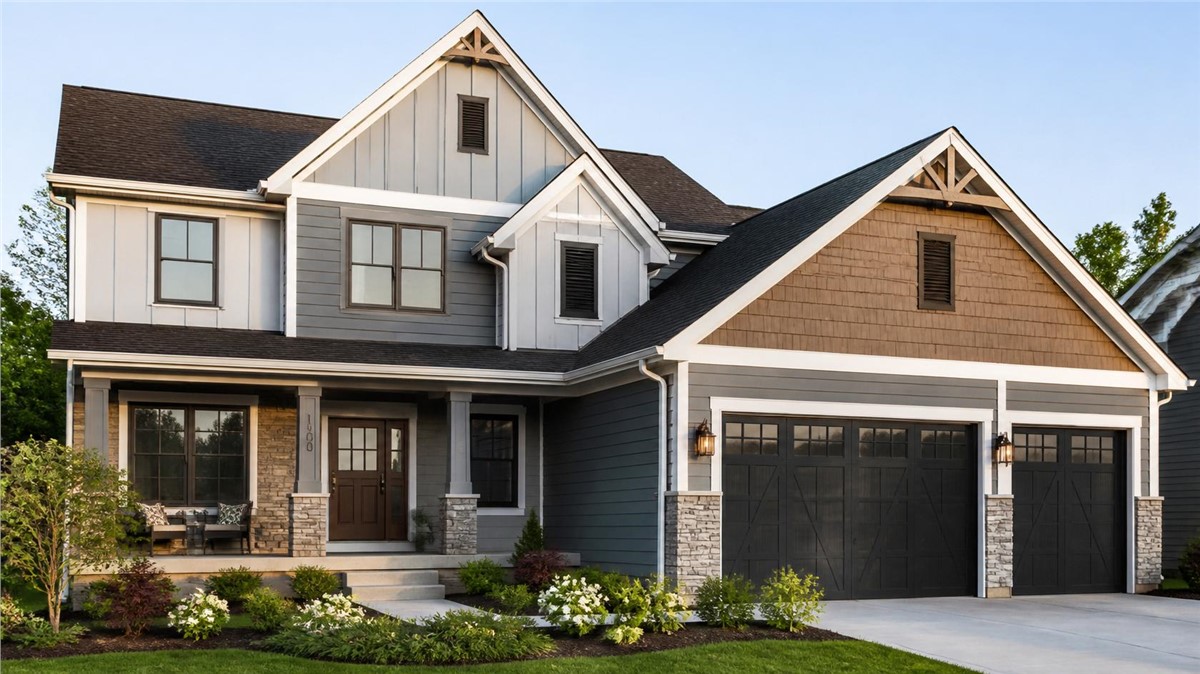
Siding is one of the biggest visual features of your home. It affects curb appeal, first impressions, resale appearance, and how well the exterior fits the neighborhood. The right siding can make a home look cleaner, newer, and more polished.
For homeowners in Monroe, IL, siding should look good and perform well through Midwest weather. Heavy rain, wind, hail, snow, ice, humidity, and temperature swings can all affect exterior materials over time.
This guide explains how to choose siding colors, materials, profiles, and accents that improve curb appeal while helping protect your home.
Why Siding Matters for Curb Appeal
Siding covers a large portion of the exterior, so it has a major impact on how the home looks. Worn, faded, cracked, or outdated siding can make a house look older than it is.
Good siding can improve:
- Exterior appearance
- Buyer confidence
- Neighborhood presentation
- Color balance
- Architectural style
- Weather protection
- Maintenance planning
- Long-term value perception
Curb appeal is not only about color. It is also about condition, fit, and quality of installation.
Start With Your Home’s Style
The best siding choice should match the style of the home. A color or material that looks great on one house may not fit another.
Consider whether your home is:
- Traditional
- Ranch-style
- Farmhouse-inspired
- Craftsman-style
- Colonial
- Modern
- Split-level
- Cottage-style
The siding should support the home’s shape, roofline, windows, doors, porch, and trim.
Choose a Color That Fits the Whole Exterior
Siding color should work with more than personal preference. It should coordinate with the roof, gutters, trim, shutters, stone, brick, garage door, and landscaping.
Before choosing a siding color, look at:
- Roof color
- Trim color
- Window frame color
- Front door color
- Brick or stone accents
- Gutter color
- Neighboring homes
- Sun exposure
- Landscaping
A well-balanced exterior usually feels intentional, not random.
Neutral Colors for Timeless Curb Appeal
Neutral siding colors remain popular because they work with many home styles and trim combinations.
Common neutral options include:
- White
- Cream
- Beige
- Tan
- Gray
- Greige
- Soft brown
- Warm taupe
Neutral colors can help a home look clean and classic. They are also easier to pair with bold front doors, dark shutters, or updated trim.
Dark Siding Colors
Dark siding can create a bold, modern look. Deep gray, charcoal, navy, forest green, and dark brown can make a home stand out.
Dark colors may work well when:
- The home has strong trim contrast
- The roof color coordinates well
- The exterior gets enough light
- The design is modern or updated
- The homeowner wants a bold appearance
However, darker colors may show dust, fading, or heat exposure more than lighter shades, depending on the material and finish.
Light Siding Colors
Light siding can make a home feel brighter, larger, and more traditional. It can also help reflect sunlight and create a clean appearance.
Light colors may work well for:
- Smaller homes
- Traditional designs
- Farmhouse-style exteriors
- Homes with darker roofs
- Homes with bold landscaping
- Classic curb appeal
White, cream, light gray, and soft beige are common choices for a clean exterior look.
Using Accent Colors
Accent colors can add personality without overwhelming the home. Accents are often used on shutters, doors, trim, gables, or small siding sections.
Accent areas may include:
- Front doors
- Window trim
- Shutters
- Porch posts
- Gable peaks
- Garage trim
- Board-and-batten sections
A strong accent color works best when the main siding color is balanced and the accent is used intentionally.
Trim Color Matters
Trim can change how siding looks. White trim creates a crisp, classic look. Dark trim can feel modern and bold. Matching trim can create a softer, more blended appearance.
Trim choices should consider:
- Window style
- Door color
- Roof color
- Gutter color
- Porch features
- Architectural details
If siding is replaced, trim should be inspected too. Damaged or outdated trim can reduce the impact of new siding.
Material Options for Siding
Different siding materials offer different appearances, maintenance needs, and performance benefits.
Common siding materials include:
- Vinyl siding
- Fiber cement siding
- Engineered wood siding
- Metal siding
- Composite siding
- Wood siding
Each material has its own look, cost range, maintenance needs, and weather performance. The best option depends on the home, budget, and long-term goals.
Vinyl Siding
Vinyl siding is popular because it offers many colors, styles, and profiles with relatively low maintenance. It can be a practical option for homeowners who want improved curb appeal without constant painting.
Vinyl siding may be a good fit if you want:
- Many color choices
- Lower maintenance
- Different textures and profiles
- A clean exterior update
- Practical weather resistance
- Budget-friendly options
Vinyl can still crack, loosen, fade, or become damaged by hail or impact, so installation quality matters.
Fiber Cement Siding
Fiber cement siding is known for its strong appearance and durability. It can mimic wood siding while offering better resistance to some moisture and pest concerns than traditional wood.
Fiber cement may be a good fit if you want:
- A premium exterior look
- Strong curb appeal
- Wood-like texture
- Durable material performance
- A wide color range
- More design flexibility
It may require more installation planning and maintenance than some other options, but it can create a polished exterior.
Engineered Wood Siding
Engineered wood siding can provide a warm, natural look with less maintenance than traditional wood. It is often chosen for homes that need texture and character.
Engineered wood may work well for:
- Craftsman-style homes
- Farmhouse-inspired homes
- Accent sections
- Textured exterior designs
- Homeowners wanting a wood-like appearance
Proper installation and moisture management are important for long-term performance.
Board-and-Batten Accents
Board-and-batten siding can add depth and style to the exterior. It is often used on gables, front elevations, porch areas, or modern farmhouse designs.
Board-and-batten can help:
- Break up large wall areas
- Add vertical lines
- Highlight architectural features
- Create a modern farmhouse look
- Add contrast with horizontal siding
Using it as an accent can improve curb appeal without replacing every design element.
Horizontal Siding Profiles
Horizontal siding is one of the most common choices for homes. It creates a clean, familiar look and works with many architectural styles.
Horizontal profiles may include:
- Traditional lap siding
- Dutch lap siding
- Smooth panels
- Wood-grain texture
- Wider or narrower reveals
The profile affects shadow lines and overall appearance, so it should be selected carefully.
Mixing Materials
Some homes look better with a combination of siding materials or textures. Mixing horizontal siding with board-and-batten, shake accents, stone, or trim details can add visual interest.
Material mixing may work well on:
- Gables
- Porch areas
- Entryways
- Second-story sections
- Garage fronts
- Accent walls
The key is balance. Too many materials can make the exterior look busy.
Consider the Roof Color
The roof and siding should work together. A new siding color may look different depending on whether the roof is black, brown, gray, weathered, or warm-toned.
General pairings may include:
- Gray siding with black or charcoal roofs
- Beige siding with brown roofs
- White siding with dark roofs
- Navy siding with light trim and dark roofing
- Green siding with brown or black roofing
If the roof will be replaced soon, choose siding with the future roof color in mind.
Consider Gutters, Windows, and Doors
Siding should coordinate with the full exterior system. Gutters, windows, doors, fascia, soffit, and trim all affect the final look.
Before choosing siding, review:
- Window frame color
- Gutter color
- Fascia and soffit condition
- Front door style
- Garage door color
- Exterior lighting
- Shutters or trim accents
New siding can look better when surrounding exterior details are updated or repaired at the same time.
Weather Resistance in Monroe, IL
Curb appeal matters, but siding also needs to handle local weather. In Monroe, IL, homeowners should consider how siding performs against wind, hail, rain, snow, ice, humidity, and freeze-thaw cycles.
Weather-related siding concerns include:
- Cracking
- Warping
- Moisture behind panels
- Loose siding
- Fading
- Hail impact damage
- Mold or mildew growth
- Failed caulking near trim
A good siding choice should balance beauty with performance.
Maintenance Needs
Different siding materials require different levels of care. Before choosing siding, homeowners should think about how much maintenance they want long term.
Maintenance may include:
- Cleaning
- Checking caulking
- Inspecting seams
- Watching for cracks
- Repainting certain materials
- Checking trim
- Clearing gutters
- Inspecting after storms
A low-maintenance option may be better for homeowners who want curb appeal without frequent upkeep.
When Siding Replacement Makes Sense
Siding replacement may be worth considering if the current siding is hurting appearance or no longer protecting the home properly.
Replacement may make sense if:
- Siding is faded
- Panels are cracked
- Sections are warped
- Siding is loose
- Moisture is behind panels
- Repairs no longer match
- Storm damage is widespread
- The exterior looks outdated
A professional inspection can help determine whether replacement is needed or if repairs are enough.
Why a Full Exterior Inspection Helps
Choosing siding is easier when the full exterior is reviewed first. Roofing, gutters, windows, trim, fascia, soffit, flashing, and drainage can all affect siding performance and appearance.
A full exterior inspection may include:
- Existing siding condition
- Roofing and roof edges
- Gutters and downspouts
- Windows and trim
- Fascia and soffit
- Flashing
- Moisture signs
- Storm damage areas
- Drainage concerns
Huskie Exteriors provides roofing, siding, window, gutter, and storm damage restoration services, helping homeowners evaluate the full exterior system before siding replacement.
Why Local Exterior Experience Matters
A local contractor understands how Illinois weather affects siding choices. In Monroe, IL, homes need siding that improves curb appeal while handling storms, temperature swings, moisture, snow, ice, and seasonal wear.
Local experience helps homeowners choose siding materials, colors, profiles, and repair options that fit the home’s style and the area’s weather demands.
Conclusion
Choosing siding for curb appeal in Monroe, IL means thinking about color, material, trim, roof color, window details, maintenance, and weather resistance. The best siding choice should improve appearance while helping protect the home from rain, wind, hail, snow, ice, humidity, and freeze-thaw cycles.
If your siding is faded, cracked, loose, storm-damaged, outdated, or no longer giving your home the look you want, Huskie Exteriors can inspect your exterior and recommend the right next step.
Contact Huskie Exteriors for professional roofing, siding, window, gutter, and storm damage services in Illinois and Wisconsin.
Subscribe to Huskie Exteriors's Blog




Comments