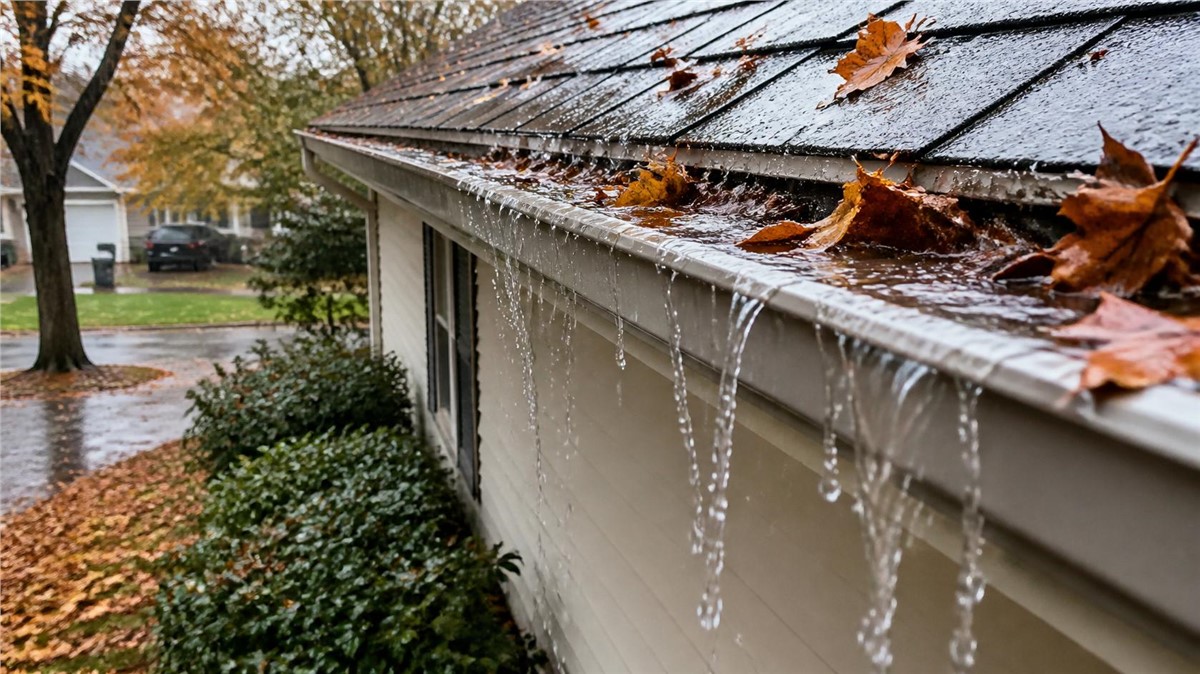
Gutters are supposed to collect roof water and move it toward the downspouts. But if the gutter pitch is wrong, water may not move at all. Instead, it can sit in the gutter, spill over the edge, leak through seams, or freeze during cold weather.
For homeowners in Kirkland, IL, gutter pitch problems are especially important because northern Illinois weather brings heavy rain, wind, leaves, snow, ice, hail, and freeze-thaw cycles. A small drainage issue can become a larger exterior problem when water does not flow away from the home.
This guide explains why gutter pitch matters, signs that water is not draining, and when repair or replacement may be needed.
What Is Gutter Pitch?
Gutter pitch is the slight slope that allows water to flow toward the downspouts. Gutters may look level from the ground, but they should have a controlled angle that directs water where it needs to go.
Proper gutter pitch helps water move from:
- Roof edges
- Gutter runs
- Outlet openings
- Downspouts
- Downspout extensions
- Drainage areas away from the home
If the pitch is incorrect, even clean gutters may not drain properly.
Why Gutter Pitch Matters
Gutters need gravity to work. If the gutter is too flat, water can sit in the trough. If it slopes away from the downspout, water may collect at the wrong end. If the gutter sags, low spots can hold water and debris.
Poor pitch can cause:
- Standing water
- Overflow during rain
- Leaking seams
- Rust or corrosion
- Debris buildup
- Ice buildup
- Sagging gutters
- Fascia damage
- Foundation pooling
A properly pitched gutter system helps protect the full exterior.
Sign 1: Standing Water in the Gutters
Standing water after rain is one of the most common signs of a pitch problem. If water remains long after the storm has passed, the gutter may not be sloped correctly.
Standing water can lead to:
- Added weight on hangers
- More debris buildup
- Mosquito concerns in warm months
- Rust or staining
- Ice formation in winter
- Gutter sagging over time
Water should not sit in the gutter for long periods.
Sign 2: Overflow During Rain
If gutters overflow even when they are not heavily clogged, pitch may be part of the problem. Water may be unable to reach the downspout fast enough.
Overflow may appear as:
- Water spilling over the front edge
- Water running behind the gutter
- Water pouring near corners
- Water falling near the foundation
- Splashback on siding
- Mulch or soil washout
Overflow should be checked quickly because it can affect siding, fascia, soffit, and foundation areas.
Sign 3: Water Drains Away From the Downspout
Sometimes gutters slope the wrong way. This causes water to collect on the opposite end instead of flowing toward the downspout.
This may happen because of:
- Poor installation
- Loose hangers
- Fascia movement
- Storm damage
- Ice weight
- Settling over time
- Incorrect repairs
If water collects far from the downspout, the gutter pitch likely needs adjustment.
Sign 4: Sagging Gutter Sections
Sagging gutters can create low spots where water collects. This may happen when gutters are overloaded with debris, ice, or standing water.
Sagging signs include:
- Uneven gutter lines
- Sections dipping downward
- Gaps between gutter and fascia
- Loose brackets
- Water pooling in the low spot
- Overflow near the sagging area
Sagging should be repaired before the gutter pulls farther away from the home.
Sign 5: Leaking Seams and Corners
When water sits in gutters instead of draining, seams and corners can be exposed to more moisture and pressure. Over time, leaks may appear.
Look for:
- Drips at seams
- Water stains below joints
- Leaks at inside corners
- Rust marks
- Staining on fascia
- Puddles below gutter corners
One leaking seam may be repairable, but repeated leaks may point to poor drainage or aging gutters.
Sign 6: Gutter Hangers Pulling Loose
Gutters filled with standing water become heavier. Over time, that extra weight can strain hangers and fasteners.
Loose hanger signs include:
- Gutters pulling away
- Visible gaps behind gutters
- Tilted gutter sections
- Loose screws or spikes
- Water running behind the gutter
- Fascia damage near fasteners
If hangers are loose, the gutter may need both reattachment and pitch correction.
Sign 7: Ice Buildup in Winter
In Kirkland, IL, winter weather can make gutter pitch problems worse. Standing water can freeze inside the gutter and add weight to the system.
Winter warning signs include:
- Ice-filled gutters
- Icicles along roof edges
- Frozen downspouts
- Gutters pulling away
- Water backing up during thawing
- Ice near walkways
- Leaks during snowmelt
Gutters should be inspected before winter if drainage problems are already visible.
What Causes Gutter Pitch Problems?
Gutter pitch problems can happen for several reasons. Sometimes the gutter was installed incorrectly. Other times, the slope changes over time because of weather, debris, or damage.
Common causes include:
- Poor installation
- Loose hangers
- Sagging sections
- Fascia damage
- Ice weight
- Debris buildup
- Storm damage
- Aging gutters
- Downspout placement issues
- Previous repairs done incorrectly
Finding the cause is important so the issue does not return.
Clogged Gutters vs Pitch Problems
Clogs and pitch problems can look similar because both can cause overflow and standing water. The difference is that clogged gutters are blocked by debris, while pitch problems involve the angle or shape of the gutter.
A clog may be the issue if:
- Leaves or debris are visible
- Water backs up near a downspout
- Downspouts release little water
- Overflow happens in one blocked area
Pitch may be the issue if:
- Gutters are clean but still hold water
- Water collects far from downspouts
- Gutter lines look uneven
- Sagging sections create low spots
- Overflow keeps returning after cleaning
A contractor can check both conditions during inspection.
Downspouts Also Matter
Even if the gutter pitch is correct, downspouts must be clear and properly placed. If downspouts are clogged, too small, disconnected, or draining too close to the home, water problems can continue.
Downspout issues may include:
- Clogs inside the downspout
- Short discharge points
- Loose connections
- Crushed sections
- Water pooling near the foundation
- Poor drainage direction
- Ice blockages in winter
The full system should move water from the roof to a safe drainage area.
Fascia and Roof Edge Concerns
Gutters attach to the fascia near the roof edge. If fascia is soft, rotted, or damaged, gutters may not stay properly pitched.
Fascia problems may show as:
- Gutters pulling away
- Soft wood
- Peeling paint
- Water stains
- Gaps behind gutters
- Loose fasteners
- Soffit moisture
- Roof edge leaks
If fascia damage is present, simply adjusting the gutter may not solve the problem.
Siding and Foundation Damage
Poor gutter pitch can affect more than the gutter itself. Overflow and leaks can send water down the siding or directly beside the foundation.
This may lead to:
- Siding stains
- Mold or mildew growth
- Moisture behind siding
- Soft trim
- Soil erosion
- Foundation pooling
- Basement moisture
- Ice patches near walkways
Water should be directed away from the home before it damages other exterior areas.
Can Gutter Pitch Be Adjusted?
Yes, some gutter pitch problems can be corrected by adjusting the slope, reattaching hangers, or correcting low spots. This works best when the gutter system is still in good condition.
Pitch adjustment may help if:
- Gutters are not rusted or cracked
- Fascia is solid
- Downspouts are clear
- Sagging is limited
- The gutter run is still properly attached
- Damage is isolated
A contractor can determine whether adjustment is enough.
When Gutter Repair May Be Needed
Gutter repair may be needed when poor pitch is connected to loose parts, leaking seams, or damaged sections.
Repair may include:
- Reattaching hangers
- Resealing seams
- Correcting slope
- Replacing one section
- Securing downspouts
- Repairing fascia
- Clearing outlets
- Adding downspout extensions
The repair should restore proper water flow, not only stop a visible drip.
When Gutter Replacement May Be Better
Replacement may be the better option when the gutter system is old, damaged, poorly installed, or no longer draining properly.
Replacement may make sense if:
- Gutters sag in multiple areas
- Seams leak repeatedly
- Gutter runs are bent
- Fascia damage is widespread
- Pitch cannot be corrected
- Gutters pull away often
- Overflow keeps returning
- The system is undersized
A new gutter system can be installed with proper slope and better downspout placement.
What Homeowners Can Check Safely
Homeowners can check for gutter drainage problems from the ground, especially during or after rain.
Look for:
- Water spilling over gutters
- Gutters that look uneven
- Standing water after storms
- Downspouts releasing little water
- Water stains on siding
- Sagging sections
- Leaking seams
- Water pooling near the foundation
- Ice buildup in winter
Avoid climbing ladders or walking on the roof in unsafe conditions.
What Should Be Included in a Gutter Inspection?
A gutter inspection should check the full drainage system, not only the visible gutter run.
A contractor may review:
- Gutter pitch
- Gutter slope direction
- Hangers and fasteners
- Seams and corners
- Downspout flow
- Outlet openings
- Fascia condition
- Roof edge condition
- Overflow signs
- Foundation drainage
This helps identify whether the issue is pitch, clogs, downspouts, fascia, or a larger exterior problem.
Why a Full Exterior Inspection Helps
Gutter pitch problems can affect roofing, siding, fascia, soffit, foundation drainage, walkways, and basement areas. A full exterior inspection helps determine whether water has already caused damage elsewhere.
A full exterior inspection may include:
- Gutters and downspouts
- Roof edges
- Fascia and soffit
- Siding
- Windows and trim
- Foundation drainage
- Interior moisture signs
- Storm damage areas
Huskie Exteriors provides roofing, siding, window, gutter, and storm damage restoration services, helping homeowners evaluate the full exterior system.
Why Local Exterior Experience Matters
A local contractor understands how Illinois weather affects gutter systems. In Kirkland, IL, gutters need to handle heavy rain, wind, leaves, hail, snow, ice, and freeze-thaw cycles.
Local experience helps homeowners determine whether poor drainage is caused by incorrect pitch, clogs, sagging gutters, loose hangers, fascia damage, storm damage, or poor downspout placement.
Conclusion
Gutter pitch problems in Kirkland, IL can prevent water from draining correctly, even when gutters are clean. Standing water, overflow, sagging sections, leaking seams, loose hangers, ice buildup, siding stains, and foundation pooling may all point to an issue with gutter slope or drainage.
If your gutters hold water, overflow, leak, sag, pull away, or fail to drain toward the downspouts, Huskie Exteriors can inspect your exterior and recommend the right next step.
Contact Huskie Exteriors for professional roofing, siding, window, gutter, and storm damage services in Illinois and Wisconsin.
Subscribe to Huskie Exteriors's Blog







Comments