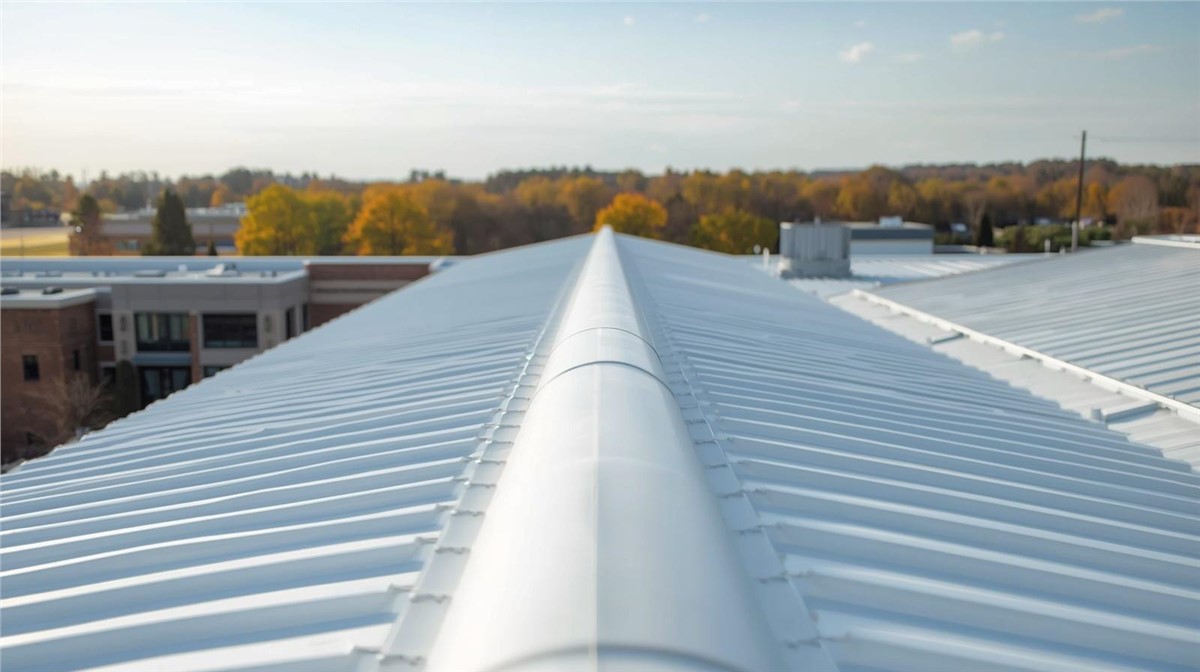
Commercial roof replacement is a major investment for any building owner or property manager. The roof protects tenants, employees, customers, equipment, inventory, insulation, and the structure itself. When a roof begins leaking, ponding water, showing storm damage, or needing repeated repairs, replacement may become the more practical long-term option.
For commercial properties in Elkhorn, WI, roof replacement planning should account for Wisconsin weather. Hail, wind, heavy rain, snow, ice, and freeze-thaw cycles can all affect roofing materials, seams, flashing, roof edges, drains, gutters, and insulation.
This 2026 planning guide explains what impacts commercial roof replacement cost and what property owners should review before requesting an estimate.
2026 Commercial Roof Replacement Cost Overview
Published 2026 commercial roofing guides show wide pricing ranges because roof systems, building sizes, materials, and site conditions vary. One 2026 guide lists flat roof replacement at about $4 to $10 per square foot installed, with a 5,000-square-foot commercial building estimated around $25,000 to $55,000 depending on material, insulation, tear-off needs, and labor. Another 2026 guide lists commercial flat roof replacement around $4 to $15 per square foot installed, with many projects falling in the $5 to $10 per square foot range depending on material choice and project details.
Material-specific guides also show how much roofing system choice can affect pricing. One 2026 commercial guide lists single-ply membranes such as TPO/PVC around $8.00 to $14.50 per square foot, EPDM around $7.00 to $12.50, metal roofing systems around $12.00 to $22.00, and built-up roofing around $6.50 to $11.00. Another commercial cost guide lists many commercial roof replacements around $5.50 to $15.00 per square foot depending on the system selected.
These numbers are useful for early budgeting, but they are not a final price for your Elkhorn property. Your actual cost depends on the building, roof condition, material choice, drainage, access, and hidden damage.
Why Commercial Roof Replacement Costs Vary
Commercial roofs are often more complex than residential roofs. Many buildings have low-slope sections, roof drains, rooftop equipment, vents, parapet walls, edge metal, seams, insulation layers, and larger drainage needs.
Pricing may vary based on:
- Total roof size
- Roofing system type
- Tear-off requirements
- Existing roof layers
- Insulation condition
- Decking condition
- Flashing details
- Drainage problems
- Rooftop equipment
- Roof access
- Building height
- Storm damage
- Business operation needs
A detailed inspection helps identify the actual scope before a budget is finalized.
Roof Size Is a Major Cost Factor
Commercial roofing is often priced by square footage because larger roofs require more material, labor, fasteners, insulation, flashing, cleanup, and disposal.
However, size is only part of the equation. A smaller roof with major drainage problems, wet insulation, or difficult access may cost more per square foot than a larger roof with simple access and clean conditions.
A contractor should measure the roof surface, review the roof layout, and identify areas that may require additional work.
Roofing System Type
The type of commercial roofing system has a major impact on cost. Different systems require different materials, labor methods, equipment, and maintenance planning.
Common commercial roofing systems include:
- TPO
- EPDM
- PVC
- Modified bitumen
- Built-up roofing
- Metal roofing
- Asphalt shingles on steep-slope sections
TPO, EPDM, and PVC are common for flat or low-slope roofs. Metal roofing may be used on certain commercial buildings or sloped sections. Some properties may have more than one roof system, which can make replacement planning more detailed.
Tear-Off and Existing Roof Layers
Tear-off can affect cost because removing old roofing materials adds labor, disposal, and inspection time. However, tear-off may be necessary when the existing roof has trapped moisture, multiple layers, poor adhesion, or widespread damage.
Tear-off may reveal:
- Wet insulation
- Damaged decking
- Rusted fasteners
- Soft spots
- Old leak repairs
- Poor previous installation
- Hidden storm damage
Covering over damaged materials may create problems later, so the existing roof system should be evaluated carefully.
Insulation and Energy Performance
Commercial roof replacement is also an opportunity to review insulation. Wet or damaged insulation can reduce roof performance and contribute to interior comfort issues.
Insulation-related cost factors may include:
- Existing insulation thickness
- Wet insulation removal
- Added insulation
- Tapered insulation for drainage
- Energy performance goals
- Moisture control
- Code-related requirements
Ignoring damaged insulation can affect the performance of the new roof.
Drainage and Ponding Water
Drainage is one of the biggest commercial roofing concerns. Flat and low-slope roofs must move water away properly. If water sits too long, it can stress seams, membranes, flashing, insulation, and roof structure.
Drainage problems may include:
- Ponding water
- Clogged drains
- Blocked scuppers
- Poor slope
- Sagging areas
- Water near rooftop equipment
- Ice around drains
- Overflow at roof edges
If drainage is not corrected during replacement, the new roof may face the same problems as the old one.
Flashing, Seams, and Roof Edges
Flashing and edge details are critical on commercial roofs. These areas often fail before the main roof surface.
Replacement cost may be affected by:
- Parapet wall flashing
- Wall transitions
- Roof edge metal
- HVAC curbs
- Vent pipes
- Skylights
- Roof hatches
- Drains and scuppers
- Expansion joints
A good estimate should explain how these details will be handled, not just the surface material being installed.
Rooftop Equipment
Many commercial buildings have HVAC units, vents, pipes, access hatches, or other rooftop equipment. These areas require careful flashing and coordination.
Rooftop equipment can affect cost because of:
- Equipment curbs
- Access needs
- Safety clearances
- Flashing requirements
- Working around utilities
- Drainage near equipment
- Extra labor time
Leaks often happen around penetrations, so these details should be reviewed during replacement planning.
Roof Access and Building Height
Access affects labor, safety planning, staging, and equipment needs. A roof with easy access may be simpler to replace than a tall building with limited staging space or heavy customer traffic nearby.
Access-related factors include:
- Building height
- Roof hatch availability
- Ladder access
- Parking lot layout
- Material staging areas
- Tenant entrances
- Loading zones
- Equipment access
- Safety barriers
Planning access early helps reduce delays and disruption.
Storm Damage and Replacement Cost
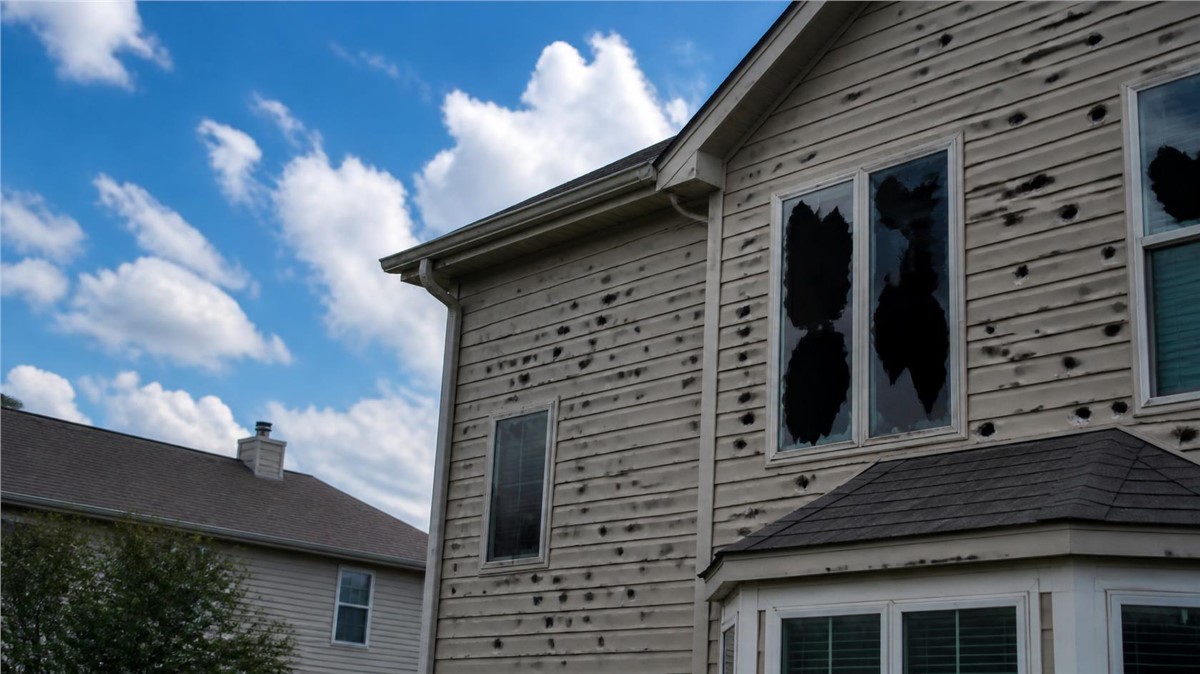
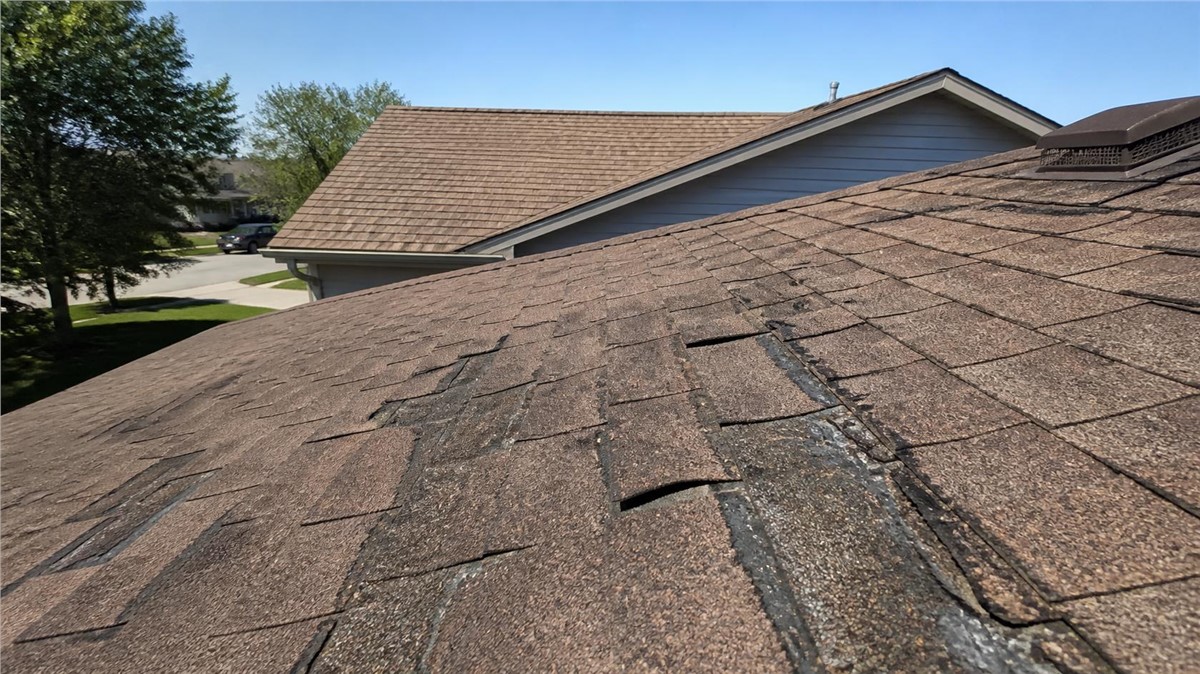
Elkhorn commercial properties can be affected by hail, high winds, heavy rain, snow, ice, and freeze-thaw cycles. Storm damage may increase replacement cost if several parts of the exterior are affected.
Storm-related concerns may include:
- Punctured membrane
- Open seams
- Lifted roof edges
- Missing shingles
- Dented metal panels
- Damaged vents
- Loose flashing
- Clogged drains
- Dented gutters
- Interior leaks
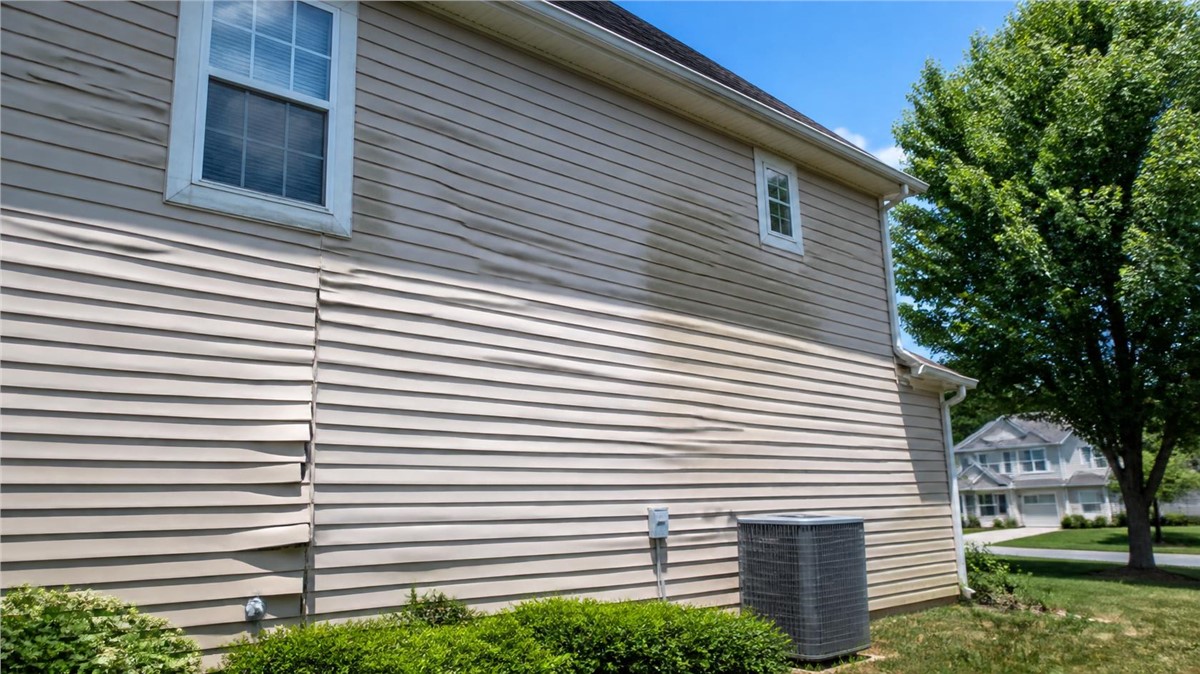
If the roof was damaged by hail or wind, gutters, siding, windows, fascia, soffit, and trim should also be inspected.
Planning Around Business Operations
Commercial roof replacement should be planned around how the building is used. Work may affect tenants, employees, customers, deliveries, parking, and access points.
Planning may include:
- Work zone setup
- Tenant communication
- Parking adjustments
- Delivery coordination
- Material staging
- Noise expectations
- Interior protection
- Cleanup schedule
- Weather planning
A clear plan helps reduce disruption and keeps the project organized.
Repair vs Replacement
Commercial roof repair may still make sense when damage is isolated and the roof is performing well overall.
Repair may be enough if:
- One seam is open
- One flashing area is leaking
- One drain needs attention
- Damage is limited to one section
- No widespread moisture damage is found
Replacement may be better if:
- Leaks keep returning
- Wet insulation is widespread
- The roof is near the end of its life
- Storm damage affects multiple areas
- Ponding water is frequent
- Repairs are becoming expensive
- The roof system is failing throughout
A professional inspection helps property owners decide which option is more practical.
What Should Be Included in a Commercial Roof Estimate?
A commercial roof replacement estimate should be detailed and easy to understand.
A good estimate may include:
- Roof inspection findings
- Roof system recommendation
- Square footage
- Tear-off details
- Insulation needs
- Decking concerns
- Flashing and edge details
- Drainage improvements
- Rooftop equipment details
- Cleanup and disposal
- Timeline expectations
- Budget factors
- Warranty information
The lowest estimate is not always the best value if important details are missing.
Why a Full Exterior Inspection Helps
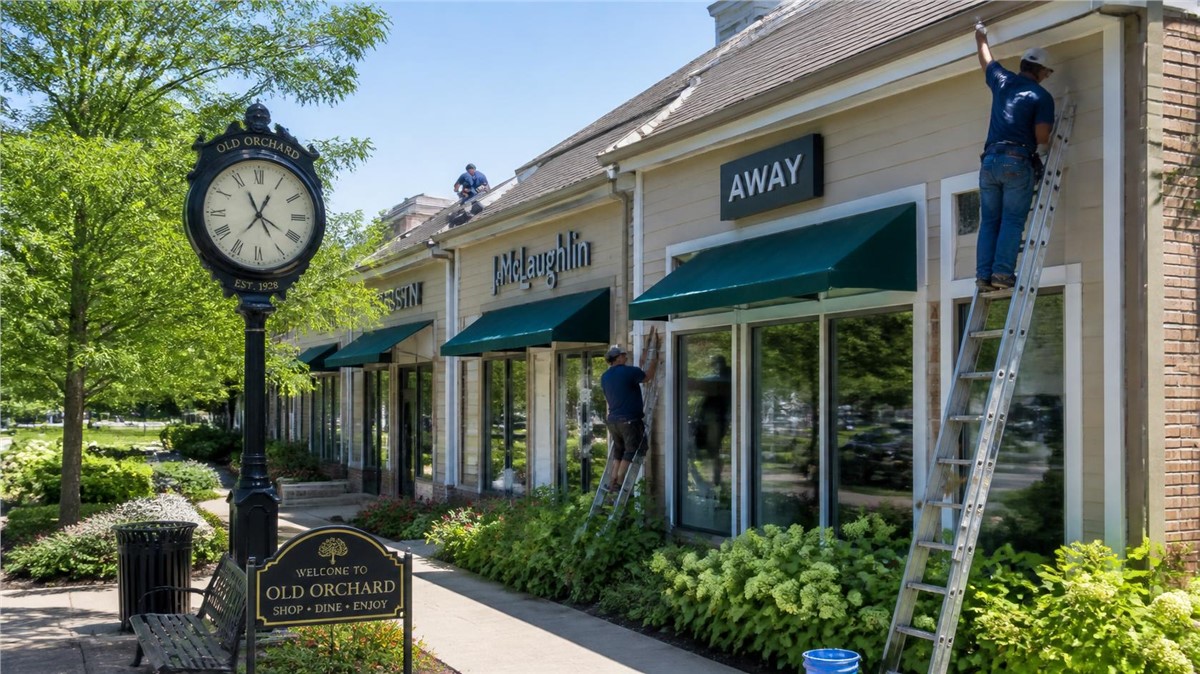
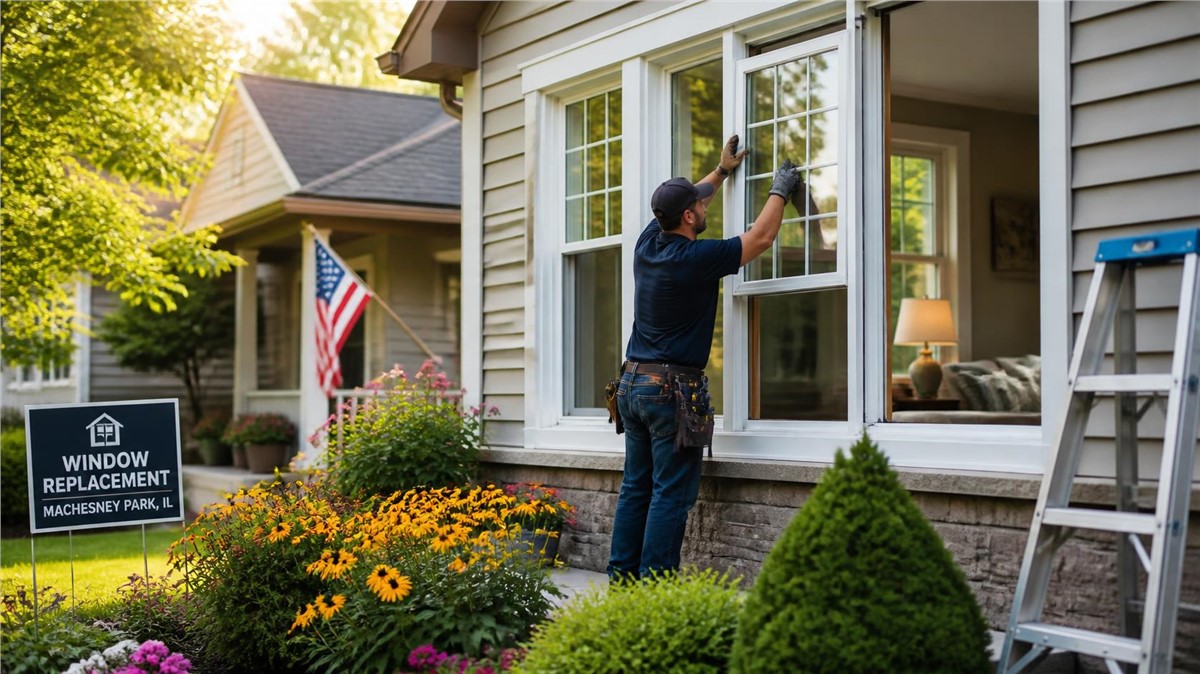
Commercial roof replacement should be planned with the full exterior in mind. Roofing, siding, gutters, windows, flashing, fascia, soffit, trim, and drainage all affect how water moves around the building.
A full exterior inspection may include:
- Roofing
- Gutters and downspouts
- Siding or wall panels
- Windows and doors
- Fascia and soffit
- Flashing
- Interior moisture signs
- Drainage areas
- Storm damage areas
Huskie Exteriors provides roofing, siding, window, gutter, and storm damage restoration services, helping commercial property owners evaluate the full exterior system.
Why Local Exterior Experience Matters
A local contractor understands how Wisconsin weather affects commercial roofs. In Elkhorn, WI, buildings need roofing systems that can handle hail, wind, heavy rain, snow, ice, temperature swings, and freeze-thaw cycles.
Local experience helps property owners understand whether replacement cost is affected by storm damage, drainage, insulation, roof access, material choice, or hidden moisture concerns.
Conclusion
Commercial roof replacement cost in Elkhorn, WI depends on roof size, roofing system, tear-off needs, insulation, decking condition, drainage, flashing, rooftop equipment, access, storm damage, and business operation needs. Online 2026 pricing ranges can help with early planning, but an on-site inspection is the best way to understand the actual project scope.
If your commercial roof is leaking, ponding water, storm-damaged, aging, or requiring frequent repairs, Huskie Exteriors can inspect the property and recommend the right next step.
Contact Huskie Exteriors for professional roofing, siding, window, gutter, and storm damage services in Illinois and Wisconsin.
Subscribe to Huskie Exteriors's Blog




Comments