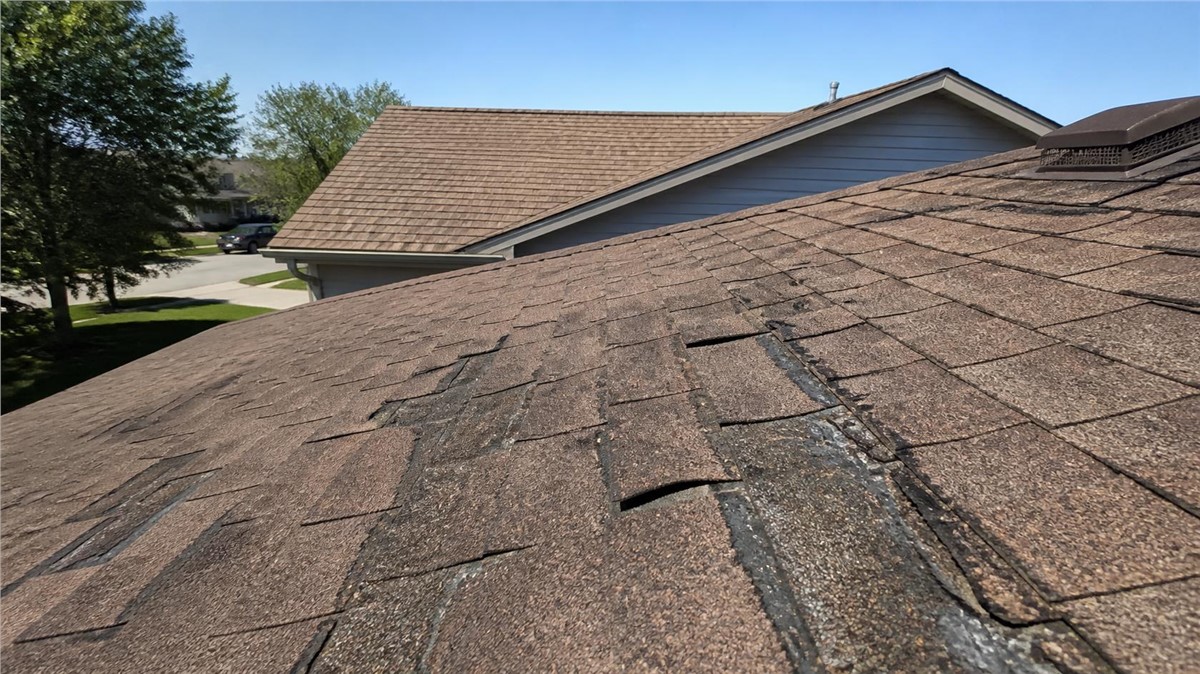
Summer can be tough on a roof. Hot sun, humidity, strong storms, high winds, hail, and heavy rain can all affect shingles, flashing, gutters, vents, and roof edges. Some damage happens suddenly during a storm, while other problems develop slowly from heat exposure and aging materials.
For homeowners in Gilberts, IL, summer roof maintenance is important because northern Illinois weather can shift quickly from hot and humid to stormy and windy. A roof that looked fine in spring may start showing wear during summer storms or extreme heat.
This guide explains common summer roof problems and what homeowners should check.
Heat Can Wear Down Shingles
Summer heat can make aging shingles more brittle over time. Direct sun exposure may also cause shingles to dry out, fade, curl, or lose flexibility.
Signs of heat-related wear include:
- Curling shingle edges
- Cracked shingles
- Faded roof areas
- Brittle-looking shingles
- Uneven roof texture
- Loose granules
- Shingles that look dry or worn
Heat damage often develops gradually, but it can make the roof more vulnerable during storms.
Granule Loss
Asphalt shingles have protective granules on the surface. Over time, heat, rain, hail, and foot traffic can loosen those granules.
Watch for:
- Granules near downspouts
- Dark patches on shingles
- Bare-looking spots
- Uneven roof color
- Excess granules in gutters
Some granule loss is normal as a roof ages, but sudden or heavy granule buildup after a storm should be inspected.
Summer Storm Damage
Summer storms can bring wind, hail, and heavy rain. These storms may damage roofing materials even if there is no immediate leak.
Storm damage signs include:
- Missing shingles
- Lifted shingles
- Dented roof vents
- Damaged ridge caps
- Loose flashing
- Branches on the roof
- Shingle pieces in the yard
- New ceiling stains after rain
After a strong storm, a ground-level check can help identify obvious damage.
Wind-Lifted Shingles
High winds can lift shingles and break their seal. Even if the shingles settle back down, they may no longer protect the roof properly.
Warning signs include:
- Raised shingle edges
- Uneven shingle rows
- Missing tabs
- Exposed nail heads
- Flapping shingles during wind
- Water stains after wind-driven rain
Wind-lifted shingles should be inspected before another storm pushes water beneath them.
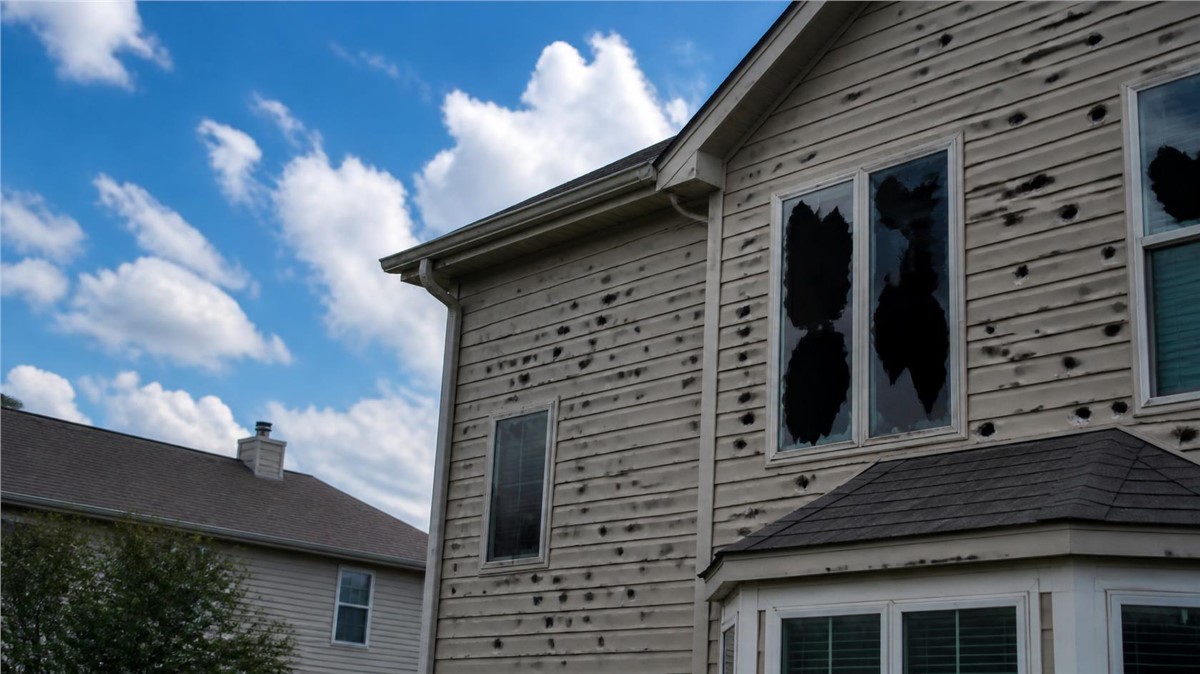
Hail Damage
Hail can bruise shingles, knock away granules, dent gutters, and damage roof vents. Hail damage is not always easy to see from the ground.
Possible signs include:
- Dented gutters
- Dented downspouts
- Dented roof vents
- Granules near downspouts
- New roof marks
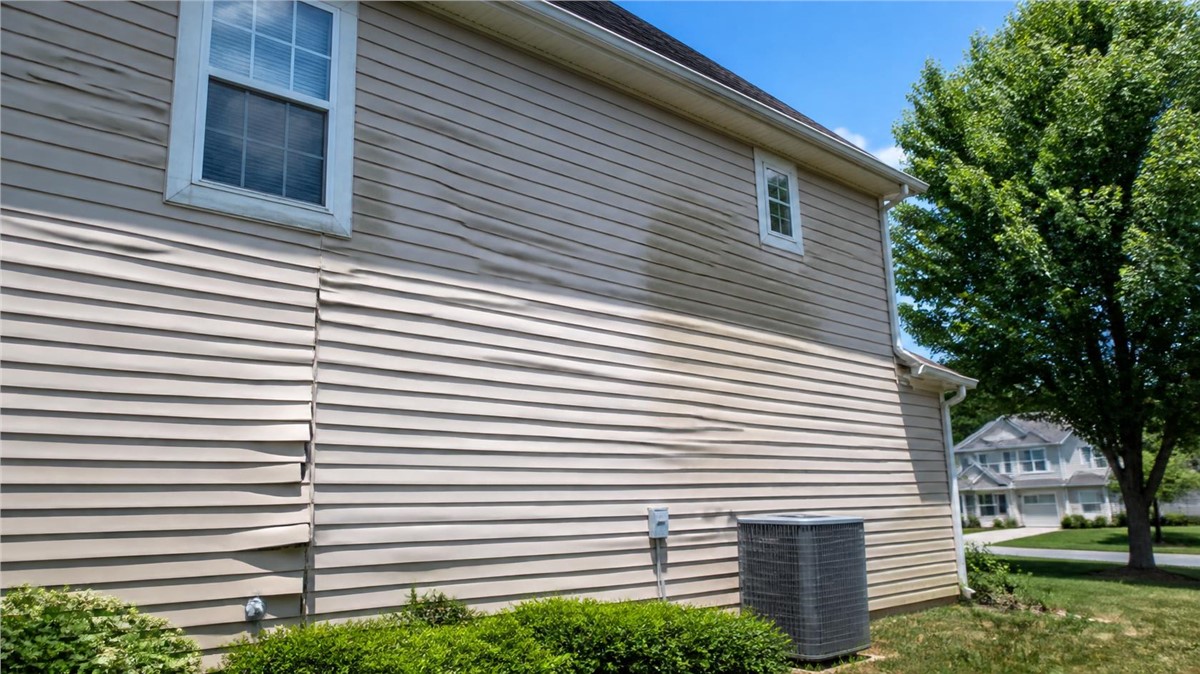
- Cracked siding or trim
- Torn window screens
Even small hail damage can weaken materials and lead to future problems.
Heavy Rain and Roof Leaks
Heavy summer rain can reveal weak areas in the roof system. Leaks may start around flashing, vents, valleys, chimneys, skylights, or damaged shingles.
Interior warning signs include:
- Ceiling stains
- Damp drywall
- Bubbling paint
- Musty odors
- Wet attic insulation
- Water near light fixtures
- Moisture near exterior walls
If water appears near electrical fixtures, avoid touching the area and call a professional.
Flashing Problems
Flashing protects vulnerable roof transitions. Summer storms, heat expansion, and aging sealant can cause flashing problems.
Check around:
- Chimneys
- Skylights
- Roof vents
- Pipe boots
- Dormers
- Wall transitions
- Roof valleys
Loose flashing, cracked sealant, rust, dents, or open gaps should be repaired before water enters the roof system.
Gutter and Drainage Issues
Gutters help move water away from the roof edge, siding, fascia, foundation, and landscaping. Summer storms can fill gutters with leaves, granules, twigs, and debris.
Gutter issues may include:
- Overflow during rain
- Clogged downspouts
- Sagging sections
- Loose hangers
- Leaking seams
- Water behind gutters
- Downspouts draining too close to the home
Poor drainage can damage roof edges, siding, and foundation areas.
Attic Heat and Ventilation Problems
A hot attic can affect comfort and roof performance. Poor ventilation may trap heat and moisture, which can contribute to shingle wear, condensation, and attic moisture concerns.
Signs of ventilation problems include:
- Very hot upstairs rooms
- Musty attic odors
- Moisture on roof decking
- Uneven roof temperatures
- Premature shingle wear
- Ice dam history in winter
A roof inspection should include attic ventilation when roof wear appears earlier than expected.
Tree and Debris Damage
Summer wind can send branches, leaves, and debris onto the roof. Tree contact can also scrape shingles or trap moisture.
Watch for:
- Branches touching the roof
- Leaves in valleys
- Debris near chimneys
- Scraped shingles
- Clogged gutters
- Moss or algae in shaded areas
Trimming branches away from the roof can help reduce future damage.
What Homeowners Can Check Safely
Homeowners should avoid climbing onto the roof. A safe ground-level check can still reveal many warning signs.
Look for:
- Missing shingles
- Granules near downspouts
- Dented gutters
- Loose downspouts
- Roof debris
- Siding or trim damage
- Water stains indoors
- Gutter overflow during rain
Take photos of anything unusual so a contractor can review it.
Repair vs Replacement
Some summer roof problems can be repaired if they are isolated. Others may point to larger roof wear.
Repair may make sense if:
- A few shingles are damaged
- One flashing area is loose
- One vent or pipe boot is leaking
- Gutter issues are minor
- No hidden moisture is present
Replacement may be better if:
- Shingle wear is widespread
- Leaks keep returning
- Granule loss is heavy
- Storm damage affects several areas
- Materials are brittle or aging
- Repairs no longer last
A professional inspection can help determine the best option.
Why a Full Exterior Inspection Helps
Summer roof problems are often connected to gutters, siding, fascia, soffit, flashing, attic ventilation, and drainage. A roof leak may be caused by damaged flashing, gutter overflow, storm damage, or poor ventilation.
Huskie Exteriors provides roofing, siding, window, gutter, and storm damage restoration services, helping homeowners evaluate the full exterior system after summer heat and storms.
Conclusion
Summer roof problems in Gilberts, IL can come from heat, storms, hail, wind, heavy rain, poor ventilation, debris, and normal shingle wear. Homeowners should watch for curling shingles, granule loss, missing shingles, flashing damage, gutter overflow, attic moisture, and interior leaks.
If your home has roof wear, storm damage, missing shingles, gutter issues, flashing concerns, or summer roof leaks, Huskie Exteriors can inspect your exterior and recommend the right next step.
Contact Huskie Exteriors for professional roofing, siding, window, gutter, and storm damage services in Illinois and Wisconsin.
Subscribe to Huskie Exteriors's Blog





Comments