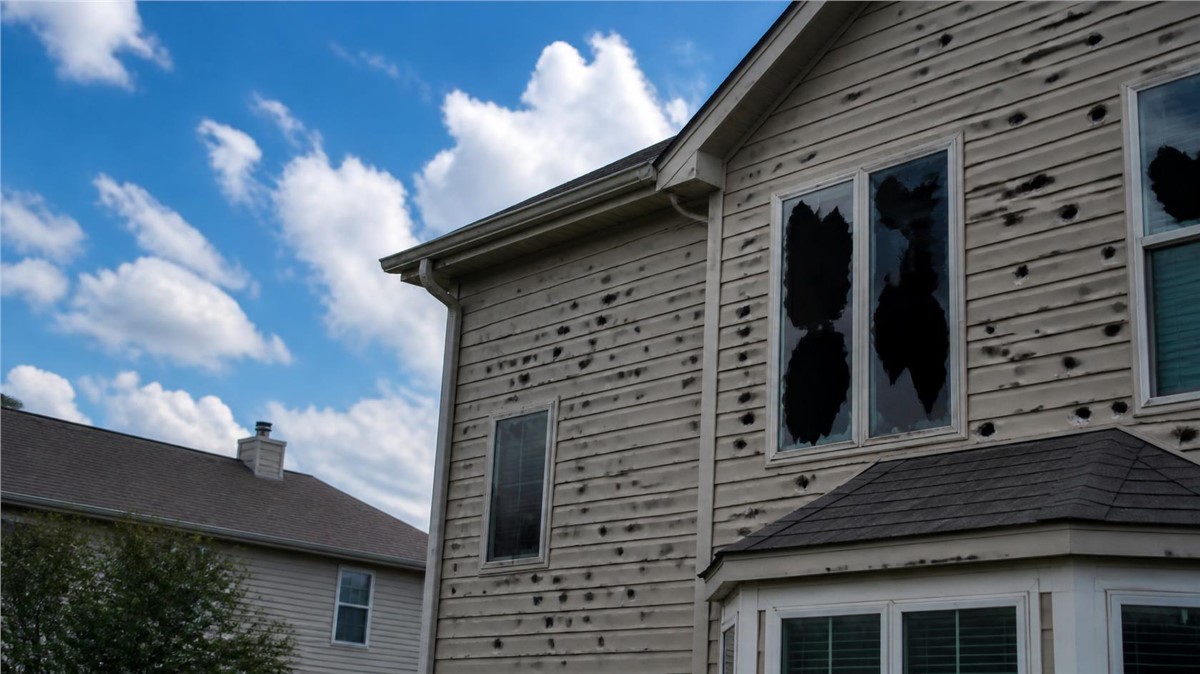
Summer storms can arrive quickly in northern Illinois. Strong wind, heavy rain, and hail can damage several parts of a home’s exterior during the same storm. Some damage is easy to see, like cracked siding or dented gutters. Other damage, especially on the roof, may be harder to spot from the ground.
For homeowners in Hampshire, IL, summer hail damage should be taken seriously because more rain, heat, humidity, and future storms can make small exterior problems worse. A bruised shingle, loose flashing detail, or small siding crack may not leak right away, but it can create moisture risks later.
This guide explains what homeowners should watch for after a summer hailstorm.
Start with Safety First
After a hailstorm, wait until the weather has fully passed before checking your home. Avoid climbing onto the roof or using ladders on wet or unstable surfaces.
Do not touch:
- Downed wires
- Loose electrical fixtures
- Hanging gutters
- Large fallen branches
- Wet areas near electrical outlets
- Damaged roof sections
A ground-level inspection is a safe first step, but roof access should be handled by a professional.
Check the Roof from the Ground
Roof hail damage can be difficult to confirm without a close inspection, but homeowners may still notice warning signs from the ground.
Look for:
- Missing shingles
- Lifted shingles
- Dented roof vents
- Damaged ridge caps
- Shingle pieces in the yard
- Granules near downspouts
- Debris on the roof
- Uneven roof areas
If anything looks different after the storm, schedule a roof inspection before the next heavy rain.
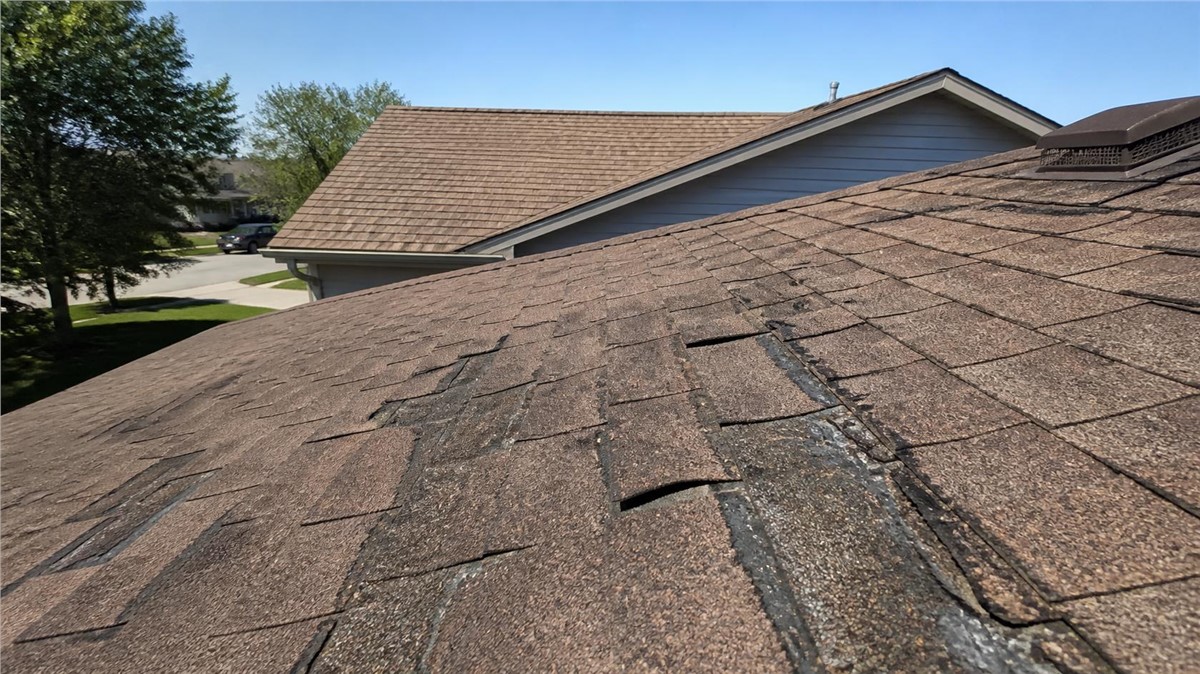
Watch for Bruised Shingles
Hail can bruise asphalt shingles by damaging the surface granules or the shingle mat underneath. This damage may not be visible from the yard.
Possible signs include:
- Dark impact spots
- Missing granules
- Soft spots on shingles
- Exposed asphalt
- Uneven roof texture
- Granules collecting in gutters
Bruised shingles may weaken over time and make the roof more vulnerable to leaks.
Inspect Gutters and Downspouts
Gutters and downspouts often show hail impact clearly. Dents in metal components can help show where hail hit the home hardest.
Check for:
- Dented gutters
- Dented downspouts
- Bent elbows
- Loose hangers
- Leaking seams
- Sagging sections
- Damaged gutter guards
- Overflow during rain
Gutter damage matters because gutters help move water away from the roof edge, siding, foundation, and basement areas.
Look at Siding and Trim
Hail can crack, dent, chip, or puncture siding. Damage may be worse on the side of the home that faced the storm.
Siding warning signs include:
- Cracked panels
- Small holes
- Broken corners
- Loose siding
- Open seams
- Chipped trim
- Dents or impact marks
- Water stains after rain
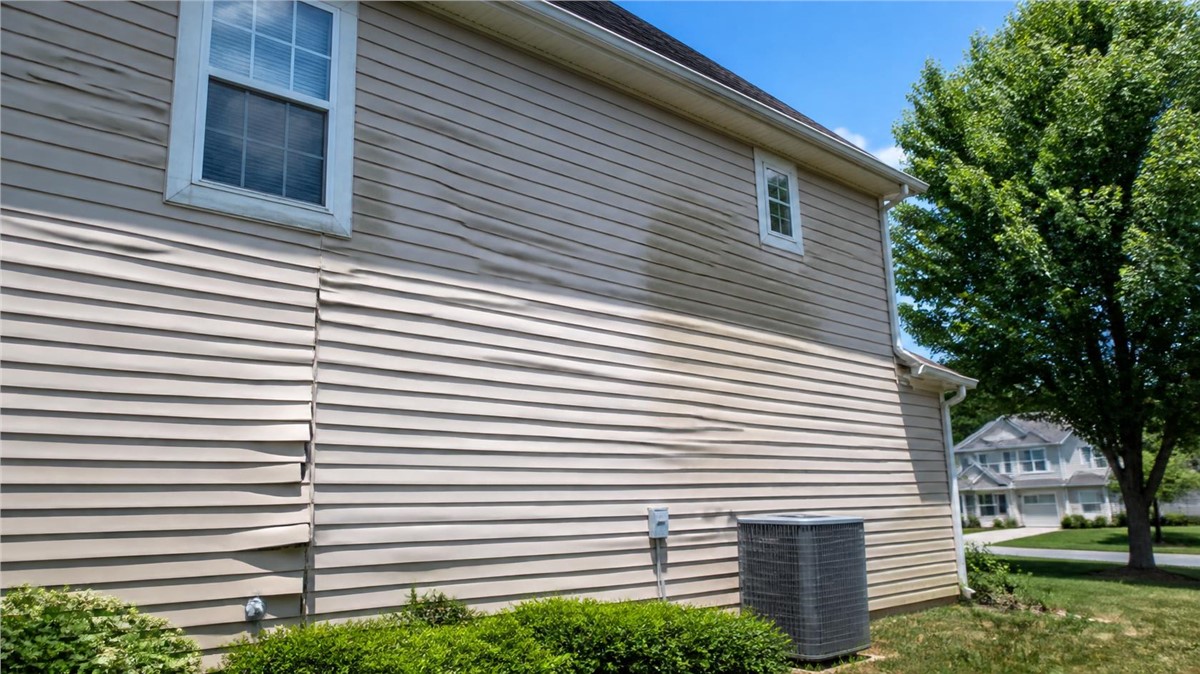
Small siding cracks should be checked because they can allow wind-driven rain behind the exterior wall surface.
Check Windows and Screens
Windows, screens, and surrounding trim can also show hail damage. Even if glass is not broken, frames and seals may be affected.
Look for:
- Torn screens
- Dented screen frames
- Cracked glass
- Loose trim
- Failed caulking
- Fogging between panes
- Water stains below windows
- Damp drywall indoors
If water appears around a window after hail, the siding and flashing around that opening should also be inspected.
Review Fascia and Soffit
Fascia and soffit areas sit near the roof edge and can be damaged by hail, wind, and gutter movement.
Watch for:
- Dented fascia wrap
- Loose soffit panels
- Water stains under eaves
- Soft fascia
- Gaps near gutters
- Peeling paint
- Pest entry points
- Sagging gutter attachments
If gutters were dented or pulled loose, fascia and soffit should be checked too.
Inspect Flashing and Roof Penetrations
Flashing and roof penetrations are common places for leaks to start. Hail can dent, loosen, or damage these areas.
Check around:
- Chimneys
- Skylights
- Roof vents
- Pipe boots
- Dormers
- Wall transitions
- Roof valleys
Loose flashing, cracked sealant, damaged pipe boots, or dented vents should be inspected before more rain arrives.
Watch for Interior Moisture
Hail damage does not always cause an immediate leak. Moisture may appear later after another storm.
Interior warning signs include:
- Ceiling stains
- Damp drywall
- Bubbling paint
- Musty odors
- Wet attic insulation
- Dark roof decking
- Moisture near windows
- Water near light fixtures
If water appears near electrical areas, avoid touching the area and contact a professional.
Document Visible Damage
Photos and notes can help homeowners stay organized during repair planning or if insurance may be involved.
Document:
- Storm date
- Gutter dents
- Siding cracks
- Roof concerns
- Window or screen damage
- Interior water stains
- Fallen branches
- Contractor inspection findings
If storm damage may involve insurance, contact your insurance provider for policy-specific guidance.
Repair vs Replacement
Not every hail-damaged exterior needs full replacement. The right solution depends on damage location, material condition, age, and severity.
Repair may make sense if:
- Damage is isolated
- A few shingles are affected
- Siding damage is limited
- One gutter section is dented
- Flashing damage is minor
- No hidden moisture is present
Replacement may be better if:
- Damage is widespread
- Several roof slopes are affected
- Siding is cracked across multiple walls
- Gutters are dented throughout
- Materials are aging or brittle
- Leaks keep returning
A professional inspection can help determine the best scope.
Why a Full Exterior Inspection Helps
Hail can affect roofing, siding, gutters, windows, trim, fascia, soffit, flashing, and drainage during the same storm. Looking only at one area may miss related damage nearby.
Huskie Exteriors provides roofing, siding, window, gutter, and storm damage restoration services, helping homeowners evaluate the full exterior after summer hail damage.
Conclusion
Summer hail damage in Hampshire, IL can be easy to miss, especially when roof damage is hidden or leaks do not appear right away. Homeowners should watch for bruised shingles, granule loss, dented gutters, cracked siding, torn screens, damaged flashing, roof leaks, and interior moisture signs.
If your home has possible hail damage, roof concerns, cracked siding, dented gutters, window damage, or storm-related moisture issues, Huskie Exteriors can inspect your exterior and recommend the right next step.
Contact Huskie Exteriors for professional roofing, siding, window, gutter, and storm damage services in Illinois and Wisconsin.
Subscribe to Huskie Exteriors's Blog





Comments