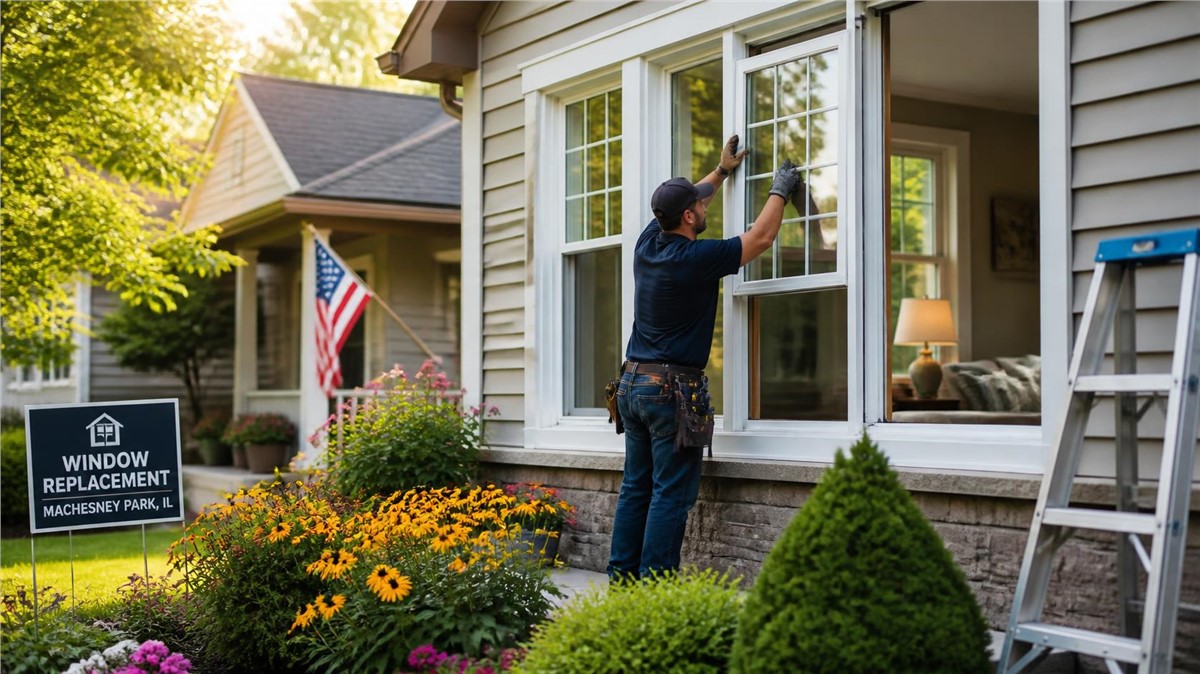
Summer heat can make window problems more noticeable. Rooms may feel warmer near older windows, sunlight may create hot spots, or failing seals may lead to fogged glass and reduced comfort. Windows also affect ventilation, natural light, curb appeal, and protection from wind-driven rain.
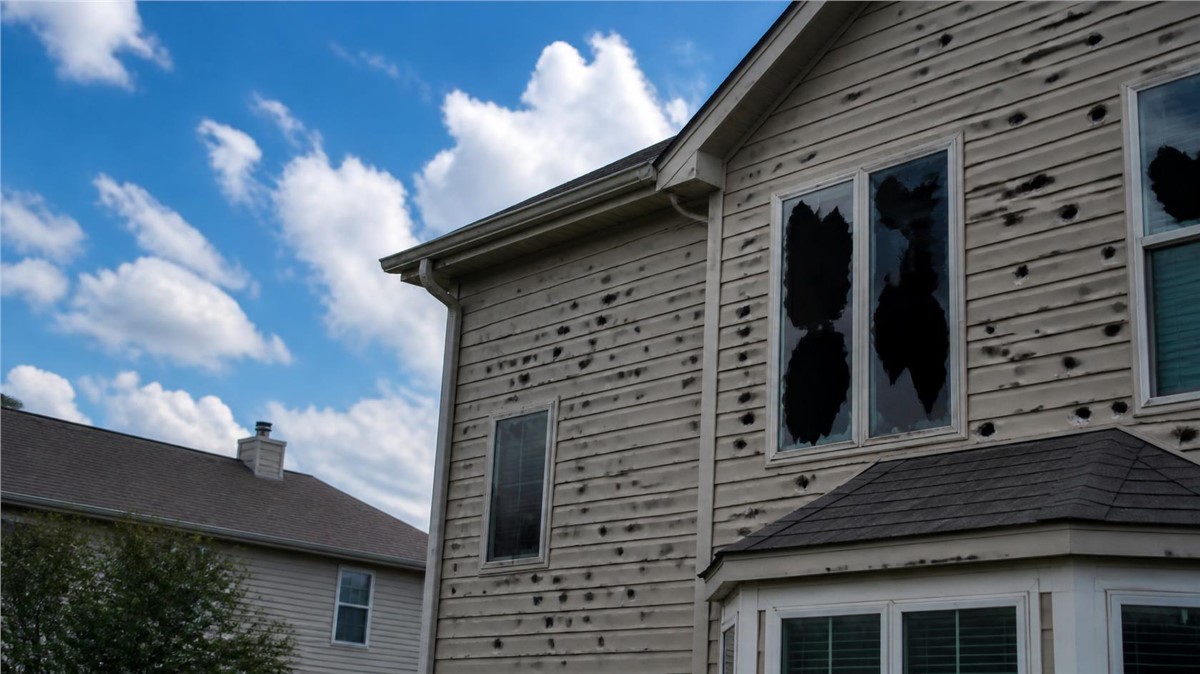
For homeowners in Machesney Park, IL, summer window replacement is worth considering when existing windows are drafty, damaged, difficult to operate, leaking, or no longer performing well. Northern Illinois weather can bring heat, humidity, strong storms, heavy rain, and hail during the summer, so windows need to do more than look good.
This guide explains how window replacement can improve comfort before peak heat and what homeowners should compare before starting.
Why Summer Is a Good Time to Review Windows
Summer is a practical time to evaluate window performance because comfort issues are easier to notice.
Common summer window concerns include:
- Rooms that feel too warm
- Heat coming through sunny windows
- Drafts around frames
- Windows that stick or do not lock well
- Fogging between panes
- Damaged screens
- Water stains after storms
- Faded or damaged trim
If several windows are uncomfortable or difficult to use, replacement may be worth discussing.
Heat Gain Through Older Windows
Older or failing windows may allow too much outdoor heat into the home. This can make certain rooms feel warmer, especially in the afternoon or on sun-facing sides.
Warning signs include:
- Hot spots near windows
- Rooms that heat up quickly
- Curtains or blinds used constantly to block heat
- Faded flooring or furniture near windows
- Window glass that feels very warm
- Uneven room temperatures
A better window glass package can help improve comfort during hot weather.
Compare Glass Packages
The glass package is one of the most important parts of a replacement window. It affects heat control, comfort, light, and condensation performance.
Homeowners may compare:
- Double-pane glass
- Triple-pane glass
- Low-E coatings
- Argon gas fills
- Warm-edge spacers
- Tempered glass where needed
- Obscure glass for privacy areas
The right glass option depends on the room, sun exposure, budget, and comfort goals.
Compare Window Ratings
Energy-efficient windows have ratings that help homeowners compare performance. These ratings may include U-factor, Solar Heat Gain Coefficient, air leakage, and visible transmittance.
When comparing windows, ask:
- How well does the window insulate?
- How much solar heat does it allow in?
- How much natural light passes through?
- How well does it limit air leakage?
- Is the window appropriate for the local climate?
These details help homeowners choose windows based on performance, not only appearance.
Frame Material Matters
Window frame material affects appearance, maintenance, durability, and long-term performance.
Common frame options include:
- Vinyl
- Fiberglass
- Wood
- Composite
- Aluminum-clad wood
When comparing frame materials, consider maintenance needs, color options, weather resistance, warranty, and how the frame will look with the home’s siding and trim.
Window Style and Ventilation
Window style affects airflow, cleaning, operation, and appearance. Summer is a good time to think about how each room uses ventilation.
Common window styles include:
- Double-hung windows
- Casement windows
- Sliding windows
- Picture windows
- Awning windows
- Bay or bow windows
- Basement windows
Rooms that need airflow may benefit from operable windows, while rooms focused on views may work well with picture windows.
Replace Windows That Are Hard to Operate
Windows should open, close, and lock properly. If a window is hard to use, it may affect comfort, ventilation, and safety.
Replacement may be worth considering if windows:
- Stick when opening
- Do not stay open
- Do not lock securely
- Have damaged hardware
- Are difficult to clean
- Have warped frames
- Let in drafts or moisture
Good operation matters in daily use, not just during extreme weather.
Watch for Fogged Glass
Fogging between panes usually means the insulated glass seal has failed. This can affect appearance, clarity, and performance.
Signs include:
- Cloudy glass
- Moisture between panes
- Streaking that cannot be cleaned
- Hazy window views
- Several fogged windows across the home
If many windows are fogged, replacement may be more practical than repeated repairs.
Check for Water Damage Around Windows
Summer storms can expose window leaks. Moisture may come from the window itself, but it may also come from siding, flashing, trim, or gutters.
Look for:
- Water stains below windows
- Soft trim
- Damp drywall
- Peeling paint
- Failed caulking
- Loose siding near windows
- Musty odors
A window replacement project should address the surrounding exterior details, not only the window unit.
Do Not Ignore Siding and Trim
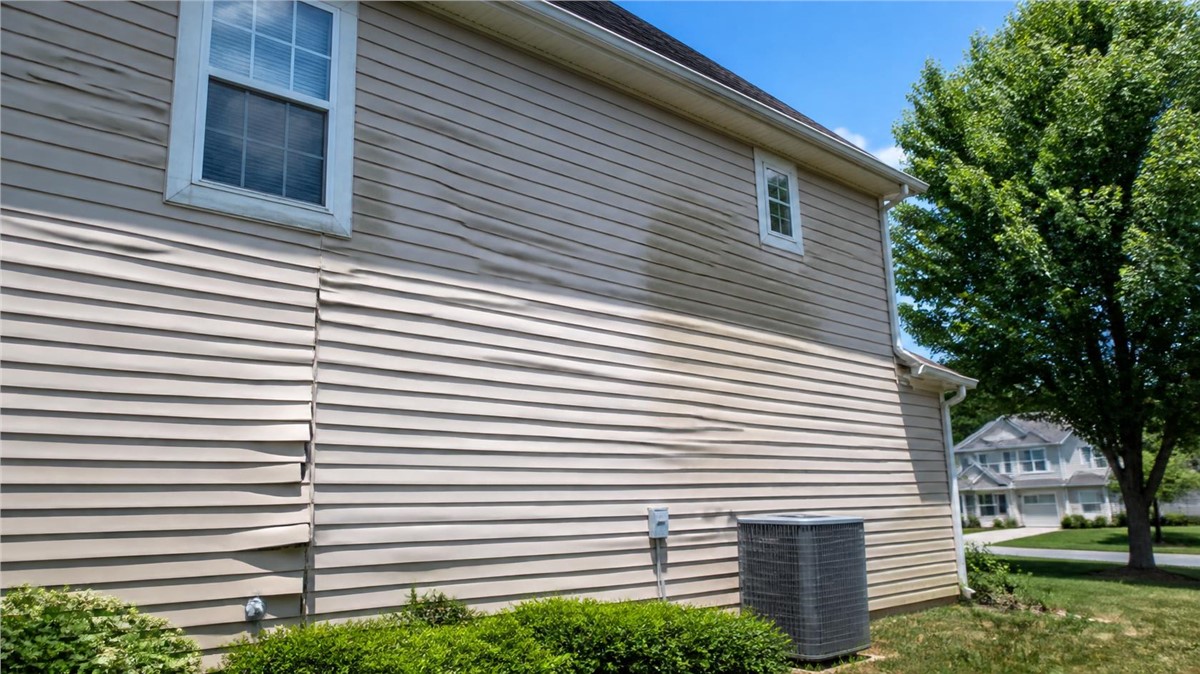
Windows connect directly to siding, flashing, and trim. If these areas are damaged, new windows may not solve the full problem.
Before replacement, check:
- Exterior trim condition
- Siding gaps
- Flashing details
- Soft or rotted materials
- Caulking condition
- Water stains
- House wrap concerns
A professional inspection can help identify hidden issues before new windows are installed.
Installation Quality Is Critical
Even a high-quality window can perform poorly if it is not installed correctly. Proper installation affects comfort, water protection, operation, and long-term performance.
A good installation should include:
- Accurate measurements
- Proper leveling
- Air sealing
- Insulation around the frame
- Flashing where needed
- Interior and exterior trim work
- Final operation checks
Homeowners should compare contractors as carefully as they compare window products.
Repair vs Replacement
Some window problems can be repaired, especially if damage is limited.
Repair may make sense if:
- One lock is broken
- Weatherstripping needs attention
- Caulking has failed
- One screen is torn
- One glass unit has an issue
- The frame is still solid
Replacement may be better if:
- Several windows are drafty
- Frames are warped or damaged
- Glass seals have failed
- Windows are hard to operate
- Water damage is present
- Comfort problems keep returning
A professional inspection can help homeowners decide which option makes sense.
Why a Full Exterior Inspection Helps
Window issues are often connected to siding, gutters, roofing, flashing, fascia, soffit, trim, and drainage. A window leak may actually come from gutter overflow, siding gaps, or failed flashing above the opening.
Huskie Exteriors provides roofing, siding, window, gutter, and storm damage restoration services, helping homeowners evaluate the full exterior system before replacing windows.
Conclusion
Summer window replacement in Machesney Park, IL can help improve comfort before peak heat by addressing drafts, heat gain, fogged glass, damaged frames, poor operation, and moisture concerns. Homeowners should compare glass packages, ratings, frame materials, window styles, installation details, and nearby exterior conditions before choosing replacement windows.
If your home has drafty windows, hot rooms, fogged glass, damaged trim, window leaks, or storm-related exterior concerns, Huskie Exteriors can inspect your home and recommend the right next step.
Contact Huskie Exteriors for professional roofing, siding, window, gutter, and storm damage services in Illinois and Wisconsin.
Subscribe to Huskie Exteriors's Blog





Comments