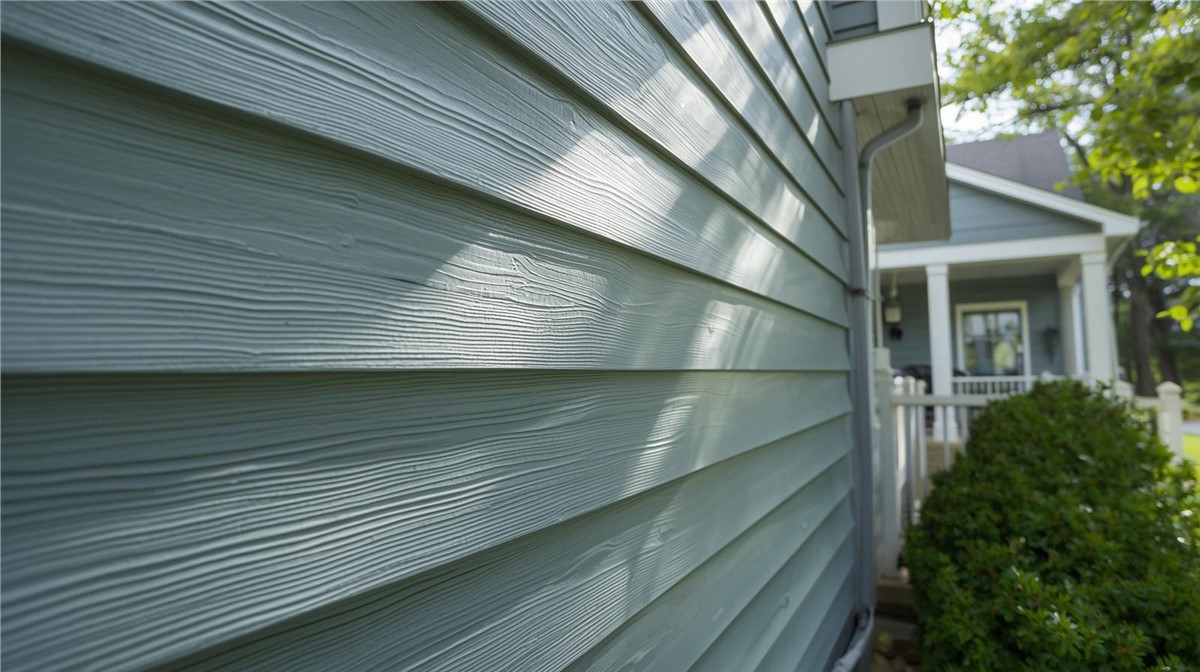
Siding protects your home from rain, wind, moisture, pests, sun exposure, snow, ice, and seasonal temperature changes. When siding is cracked, loose, warped, dented, or damaged by storms, repairs should not be ignored.
For homeowners in Walworth, WI, siding repair cost can vary because every home and every repair is different. A small vinyl siding patch may cost much less than repairing widespread hail damage, replacing rotted trim, or fixing moisture behind the wall system.
This guide explains what affects siding repair pricing and what homeowners should expect before requesting an estimate.
2026 Siding Repair Cost Overview
Published 2026 siding repair guides show wide pricing ranges depending on location, material, and damage type. Angi lists one city example with siding repairs averaging $583 and ranging from $212 to $972, while another 2026 guide lists a typical range of $406 to $1,408 and notes that repair type, siding type, and damage extent affect cost.
Material matters too. One 2026 Angi repair guide lists example repair pricing by material, including vinyl at $2 to $4 per square foot, fiber cement at $3 to $11 per square foot, aluminum at $5 to $7 per square foot, and wood at $4 to $13 per square foot. These ranges are useful for planning, but they are not a final price for your Walworth home.
Why Siding Repair Costs Vary
Siding repair is not priced the same for every home. A small crack near the ground is usually easier to fix than damage on a second-story wall, around several windows, or behind trim.
Pricing may vary based on:
- Siding material
- Size of the damaged area
- Type of damage
- Home height
- Access around the home
- Trim and flashing details
- Moisture behind siding
- Storm damage
- Matching material availability
- Labor and cleanup needs
A detailed inspection helps determine whether the issue is simple surface damage or part of a larger exterior problem.
Siding Material Type
Material choice is one of the biggest repair cost factors. Different siding materials require different tools, labor, replacement pieces, and installation methods.
Common siding materials include:
- Vinyl siding
- Fiber cement siding
- Engineered wood siding
- Wood siding
- Aluminum or metal siding
- Accent siding materials
Vinyl siding repairs may be more affordable when matching panels are available. Fiber cement, wood, and specialty materials may require more labor or finishing work. Older siding can also be harder to match.
Type of Damage
The type of siding damage affects the repair scope. Some issues are cosmetic, while others can allow moisture behind the exterior.
Common siding repairs include:
- Replacing cracked panels
- Reattaching loose siding
- Repairing holes or punctures
- Fixing damaged corner pieces
- Replacing trim
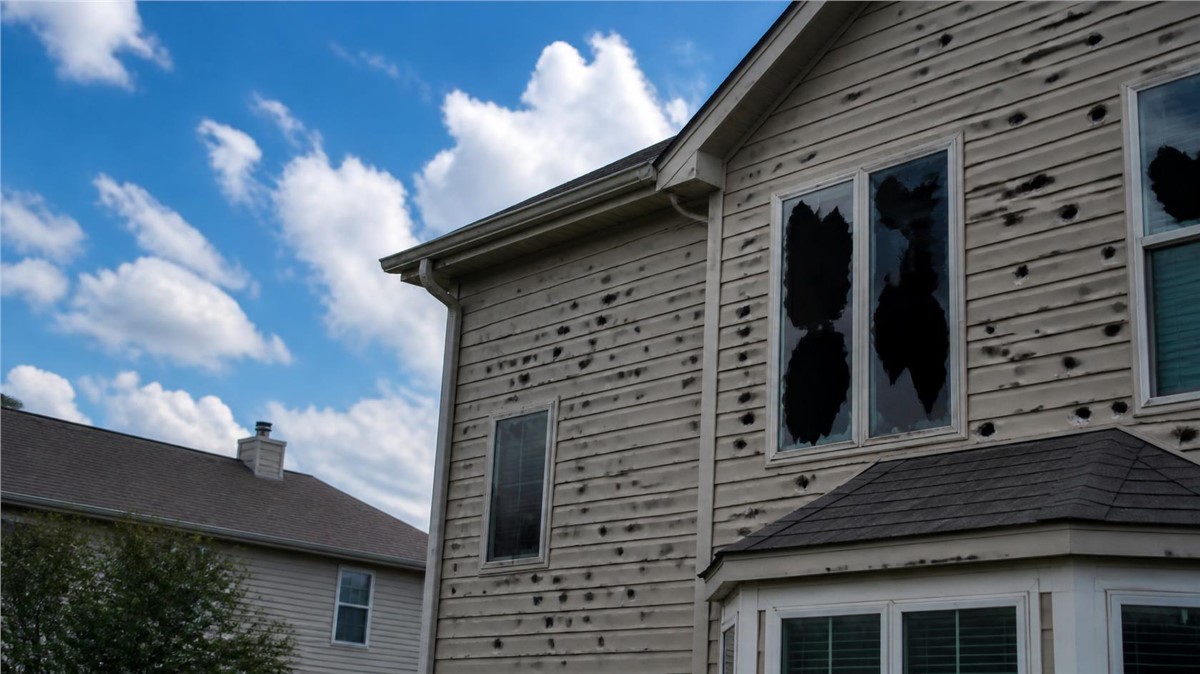
- Addressing hail dents
- Repairing wind damage
- Fixing moisture-damaged areas
- Sealing gaps around openings
A small crack may be a minor repair. Moisture damage behind siding can require a larger repair because the wall materials underneath may need attention.
Size of the Damaged Area
Repair size affects material and labor. Replacing one or two damaged panels is different from repairing several walls after hail or wind damage.
Cost may increase when damage affects:
- Multiple siding sections
- Several walls
- Corners and trim
- Window and door areas
- Upper-story areas
- Large sections of brittle or aging siding
- Areas with hidden water damage
If damage is widespread, replacement may be more practical than repeated repairs.
Home Height and Access
Access can affect siding repair pricing. Repairs on a single-story wall with clear access are usually easier than repairs on a tall wall, above landscaping, near a deck, or around tight side yards.
Access-related factors include:
- Number of stories
- Ladder or equipment needs
- Landscaping near the wall
- Decks, patios, or fences
- Steep grades
- Tight work areas
- Upper-level gables
More difficult access can increase labor time and safety planning.
Matching Existing Siding
Matching siding is often one of the biggest challenges in repair work. Even if the original product is available, older siding may have faded from sun exposure, weather, or age.
Matching concerns may include:
- Discontinued siding profiles
- Faded color
- Different panel texture
- Older material thickness
- Limited product availability
- Repairs that stand out visually
If matching is not possible, homeowners may need to consider replacing a larger section or choosing a full siding replacement.
Moisture Damage Behind Siding
Moisture can increase repair cost because the damage may go beyond the visible siding panel. If water has entered behind the siding, the sheathing, insulation, trim, or interior wall may be affected.
Warning signs include:
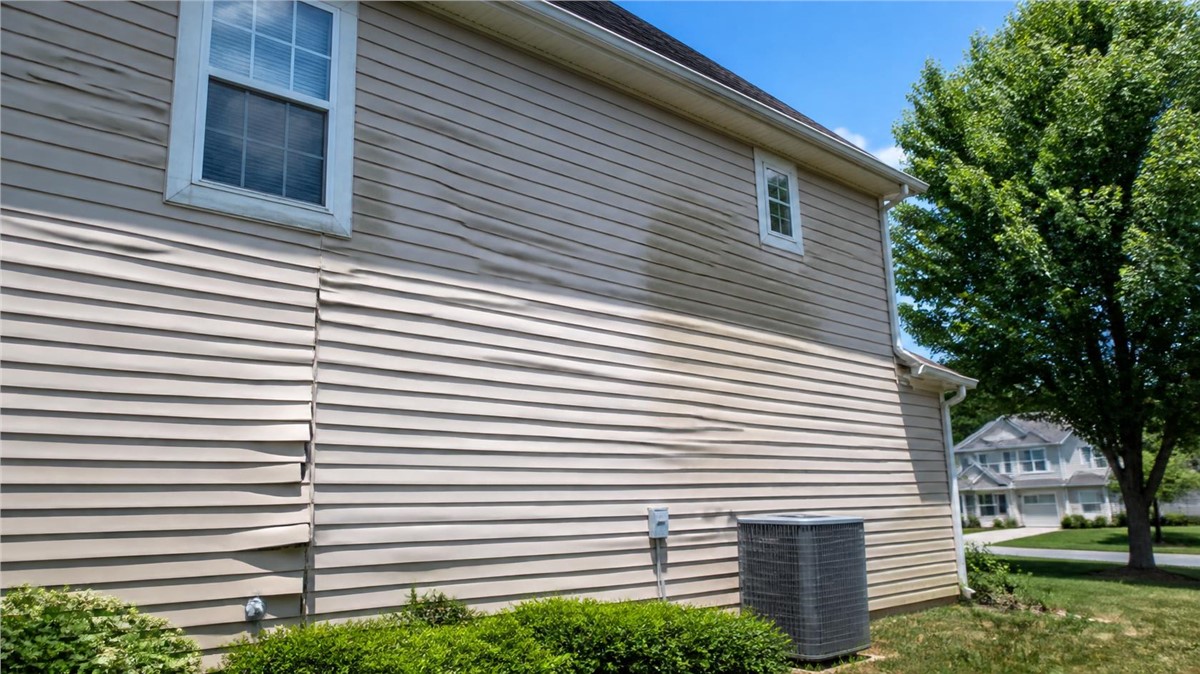
- Warped siding
- Dark stains
- Soft trim
- Mold or mildew
- Musty odors
- Interior wall stains
- Peeling paint
- Damp drywall
- Water marks below windows
Moisture damage should be repaired before new siding panels are installed.
Storm Damage and Siding Repair Cost
Walworth homes can be affected by hail, wind, heavy rain, snow, ice, and freeze-thaw cycles. Storm damage may affect several exterior systems at the same time.
Storm-related siding issues may include:
- Cracked vinyl panels
- Holes or punctures
- Dented metal trim
- Loose siding sections
- Broken corner pieces
- Torn window screens
- Damaged gutters
- Water behind siding
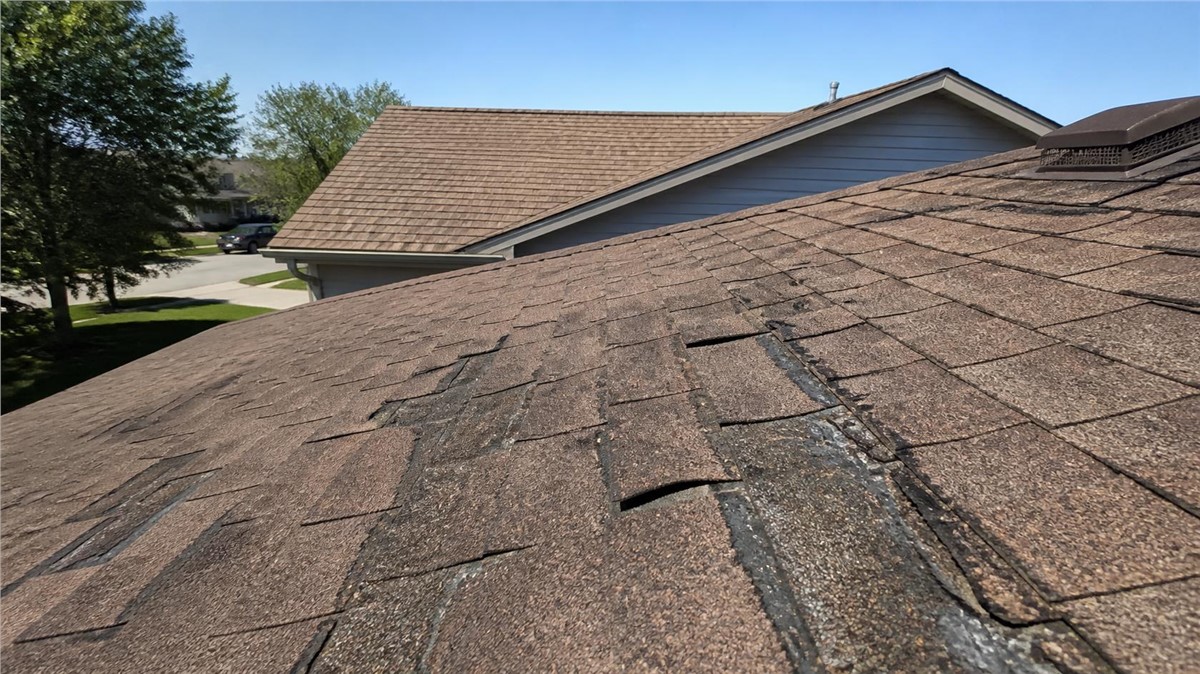
If siding was damaged by hail or wind, the roof, gutters, windows, fascia, soffit, and trim should also be inspected.
Trim, Windows, and Flashing Details
Siding repairs often involve more than the panel itself. Windows, doors, corners, vents, and trim details must be handled carefully to keep water out.
Repair cost may be affected by:
- Window trim replacement
- Door trim repairs
- Corner post damage
- Flashing problems
- Failed caulking
- Utility penetrations
- Exterior vent details
- Water stains around openings
A leak near a window may involve siding, flashing, gutters, roof edges, or trim, not just the window itself.
Gutters Can Affect Siding Repairs
Gutters and downspouts help protect siding by moving water away from exterior walls. If gutters are clogged, sagging, leaking, or overflowing, they can cause siding stains and moisture problems.
Gutter issues that may affect siding include:
- Overflow during rain
- Water running down siding
- Short downspouts
- Leaking seams
- Ice buildup near rooflines
- Water pooling near lower walls
- Fascia or soffit damage
If gutters caused or worsened siding damage, they should be addressed with the repair plan.
Repair vs Replacement
Siding repair may be the right choice when damage is limited and the siding is still performing well overall.
Repair may make sense if:
- Damage is isolated
- Matching siding is available
- Only a few panels are affected
- Trim damage is minor
- No moisture has entered the wall system
- The siding is still in good condition
Replacement may be better if:
- Damage affects multiple walls
- Siding is brittle, faded, or warped
- Moisture damage is present
- Storm damage is widespread
- Repairs would not match well
- Panels keep coming loose
- The siding is near the end of its useful life
A professional inspection can help homeowners choose the most practical option.
What Should Be Included in a Siding Repair Estimate?
A siding repair estimate should clearly explain what is damaged, what will be repaired, and what may affect the final cost.
A good estimate may include:
- Inspection findings
- Siding material type
- Repair area
- Matching material details
- Trim or flashing needs
- Moisture concerns
- Labor and access factors
- Cleanup expectations
- Timeline
- Repair vs replacement recommendation
The lowest estimate is not always the best option if moisture, flashing, or trim details are not included.
Why a Full Exterior Inspection Helps
Siding damage is often connected to the full exterior system. Roofing, gutters, windows, trim, fascia, soffit, flashing, and drainage all affect how water moves around the home.
A full exterior inspection may include:
- Siding
- Roofing
- Gutters and downspouts
- Windows and trim
- Fascia and soffit
- Flashing
- Interior moisture signs
- Storm damage areas
Huskie Exteriors provides roofing, siding, window, gutter, and storm damage restoration services, helping homeowners evaluate the full exterior system.
Why Local Exterior Experience Matters
A local contractor understands how Wisconsin weather affects siding. In Walworth, WI, siding needs to handle wind, hail, heavy rain, snow, ice, humidity, and freeze-thaw cycles.
Local experience helps homeowners identify whether siding repair cost is affected by storm damage, moisture, aging materials, poor drainage, installation issues, or matching concerns.
Conclusion
Siding repair cost in Walworth, WI depends on material type, damage size, repair complexity, home height, trim details, matching availability, moisture damage, storm damage, and labor. Online pricing can help homeowners plan, but an on-site inspection is the best way to understand the actual repair scope.
If your siding is cracked, loose, dented, warped, storm-damaged, or showing signs of moisture, Huskie Exteriors can inspect your home and recommend the right next step.
Contact Huskie Exteriors for professional roofing, siding, window, gutter, and storm damage services in Illinois and Wisconsin.
Subscribe to Huskie Exteriors's Blog





Comments